Overview
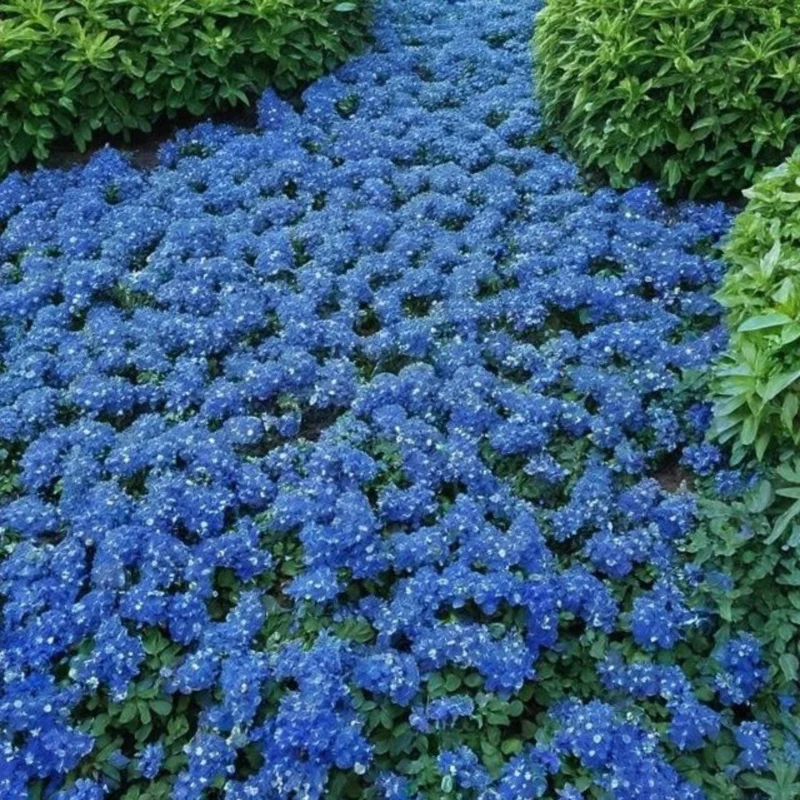
Transform your garden into a serene, fragrant haven with our premium blue creeping thyme seeds. This low-growing, herb plant is celebrated for its fine texture, small green leaves, and exceptional ground-cover habit, making it an ideal choice for a variety of landscaping needs. Creeping thyme, scientifically known as Thymus serpyllum, is a versatile perennial that flourishes in sunny spots, creating a dense mat of foliage adorned with delicate blue-purple flowers in late spring to early summer. Our carefully selected seeds promise to deliver a vibrant and long-lasting addition to your outdoor spaces, enhancing both visual appeal and aromatic charm. Discover the ease of growing this resilient plant and enjoy its beauty year after year.
These perennial thyme seeds are perfect for gardeners looking to establish a beautiful and functional ground cover without extensive effort. Whether you’re aiming to fill in gaps between stepping stones, create a soft border, or add texture to a rock garden, creeping thyme is an excellent solution. Its robust nature and attractive appearance make it a favorite for both novice and experienced gardeners. Learn how to grow creeping thyme successfully and enjoy the benefits of this wonderful plant.
Key Benefits
Incorporating blue creeping thyme seeds into your garden offers a multitude of advantages, enhancing both the aesthetic and ecological aspects of your outdoor space:
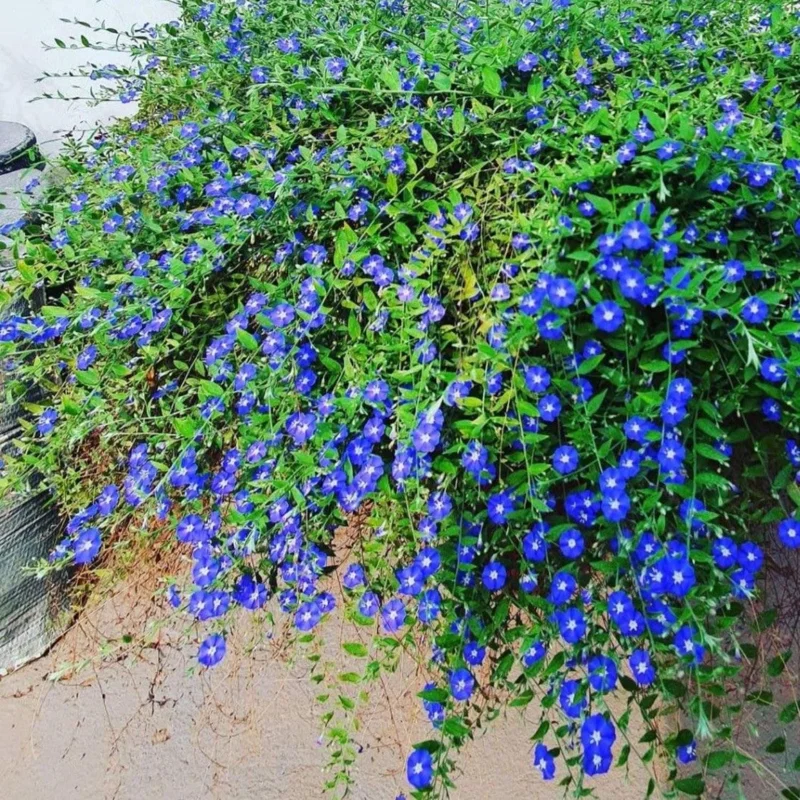
- Exceptional Ground Cover: These seeds quickly establish a dense, resilient mat that suppresses weeds and prevents soil erosion. It’s an excellent, low-maintenance alternative to traditional lawns in certain areas, providing a soft, walkable surface. This makes it perfect for creating a lush creeping thyme ground cover that requires minimal care once established.
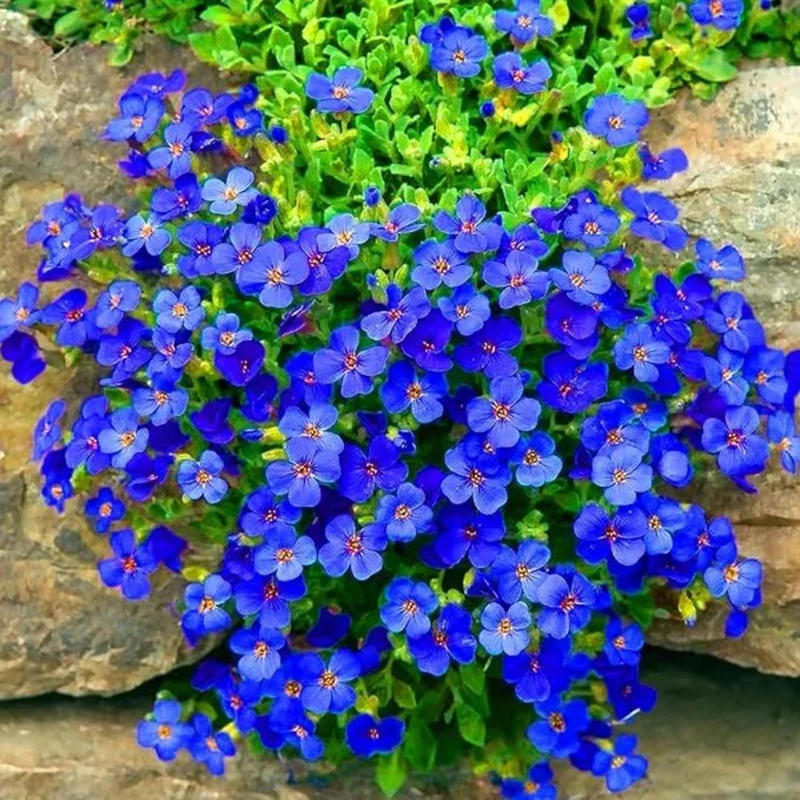
- Delightful Fragrance and Appeal: When brushed or walked upon, creeping thyme releases a subtle, refreshing herbal scent. Its small, vibrant blue-purple flowers attract beneficial pollinators like bees and butterflies, contributing to a healthy garden ecosystem and making it one of the most desired fragrant garden plants.
- Drought-Tolerant and Low Maintenance: Once established, creeping thyme is remarkably drought-tolerant, requiring less water than many other ground covers. It thrives with minimal intervention, making it an ideal choice for busy gardeners or those seeking sustainable landscaping options. Understanding how to grow creeping thyme effectively means appreciating its resilience.
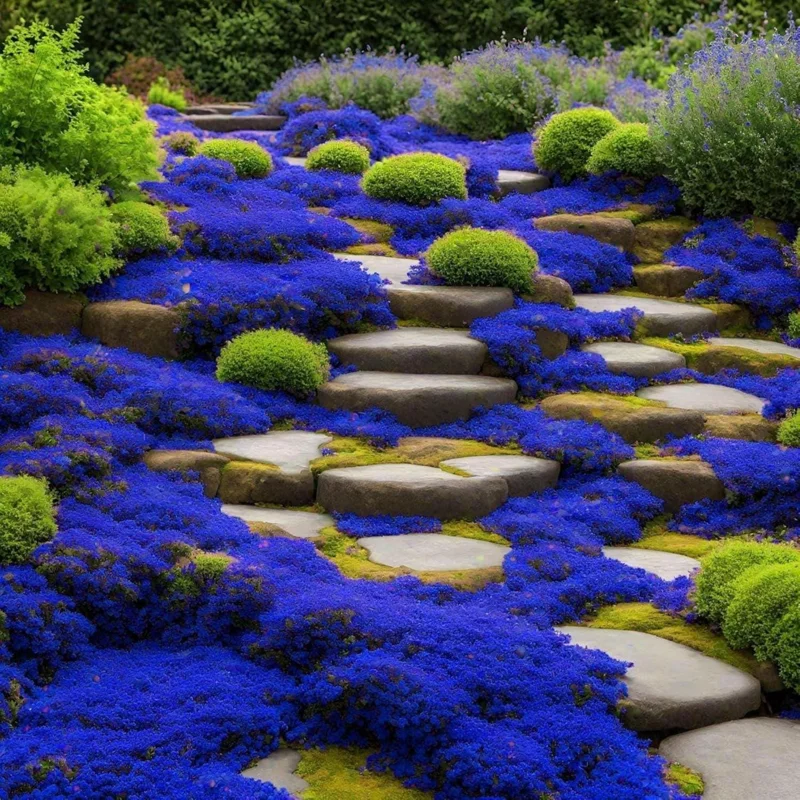
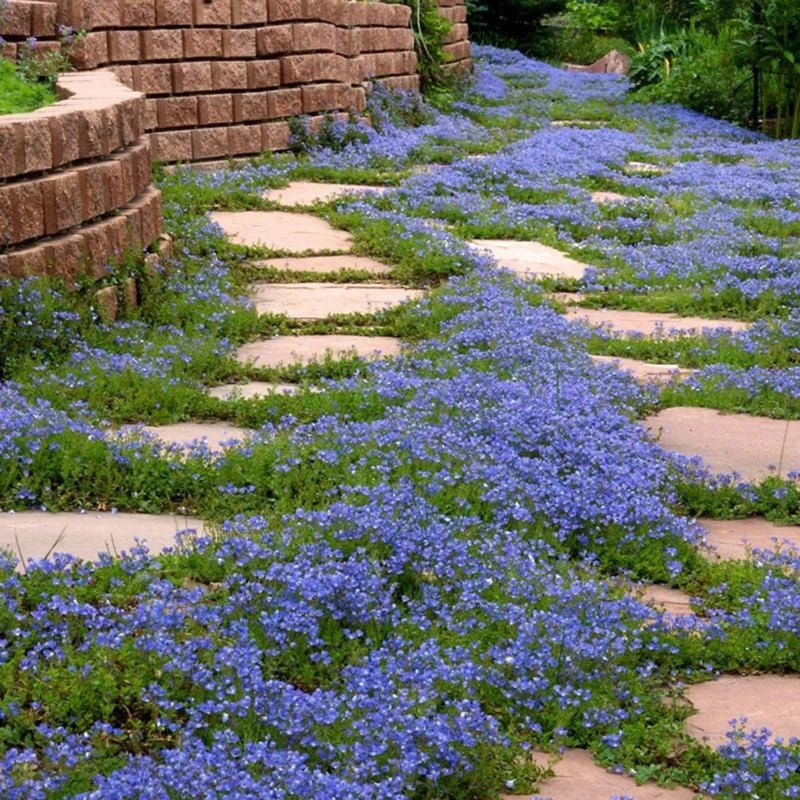
- Versatile Landscaping Use: Perfect for rock gardens, pathways, borders, between pavers, or as a lawn substitute. Its adaptability allows it to fit seamlessly into various garden designs, providing a continuous carpet of green and blue throughout the growing season. These perennial thyme seeds offer endless design possibilities.
- Erosion Control: The dense root system of creeping thyme effectively holds soil in place, making it an excellent choice for sloped areas or banks prone to erosion. This not only protects your landscape but also contributes to soil health.
- Attracts Pollinators: The small, nectar-rich flowers are a magnet for bees, butterflies, and other beneficial insects, supporting local biodiversity and aiding in the pollination of other plants in your garden.
- Deer Resistant: Creeping thyme is generally unappealing to deer, providing a natural defense against common garden pests without the need for harsh chemicals.
Plant Care & Growing Tips
Growing blue creeping thyme seeds is a rewarding experience, especially with the right care. This resilient perennial thrives in conditions that mimic its native Mediterranean habitat. For optimal growth, choose a site that receives full sun, meaning at least 6-8 hours of direct sunlight per day. While it can tolerate some partial shade, too little sun can lead to leggy growth and fewer flowers. The soil is crucial for successful establishment; creeping thyme prefers well-draining, sandy or gravelly soil. Avoid heavy clay soils that retain too much moisture, as this can lead to root rot. If your soil is heavy, amend it with sand or grit to improve drainage before planting your perennial thyme seeds.
Watering should be consistent during the initial establishment phase, keeping the soil lightly moist but never waterlogged. Once established, creeping thyme is remarkably drought-tolerant and requires minimal watering. Allow the soil to dry out completely between waterings. Fertilization is generally not necessary; creeping thyme thrives in lean soil and excessive nutrients can encourage weak growth. If your soil is particularly poor, a light application of a balanced, slow-release fertilizer in early spring can be beneficial. These fragrant garden plants are quite hardy, typically thriving in USDA zones 4-9. Protection from harsh winter winds or excessive moisture might be needed in the colder parts of its range. Pruning is usually limited to shearing back spent flowers after blooming to encourage bushier growth and prevent self-seeding, helping you maintain a perfect creeping thyme ground cover.
When considering how to grow creeping thyme, remember that good air circulation is important to prevent fungal issues. Space your plants or sow your seeds with enough room for air to move. Pests are rarely a problem for creeping thyme, though occasionally spider mites can appear in hot, dry conditions. A strong spray of water can often dislodge them. By following these simple care guidelines, you can ensure your creeping thyme flourishes, providing a beautiful and aromatic addition to your landscape for many years.
Size & Details
Our offering includes 100 blue creeping thyme seeds, providing an ample quantity to establish a significant ground cover area or multiple planting projects. When mature, blue creeping thyme typically forms a dense mat, reaching a height of only 2-6 inches, with an indefinite spread as it roots along its stems. The growth rate is moderate, with visible establishment within the first growing season and full coverage developing over one to two years. These seeds are shipped in a protective packet, ensuring their viability upon arrival. Expect delicate blue-purple flowers to appear in late spring to early summer, creating a stunning visual display and attracting pollinators. The plant’s compact nature makes it ideal for areas where low-growing foliage is desired, such as between stepping stones or as an underplanting for larger shrubs.
Frequently Asked Questions
- Q: How big does this plant get? A: Blue creeping thyme typically grows to a height of 2-6 inches, forming a dense, spreading mat. Its width can be quite extensive, rooting as it grows, making it an excellent creeping thyme ground cover.
- Q: What size pot does it come in? A: This product consists of 100 blue creeping thyme seeds, not a potted plant. You will receive a seed packet ready for planting.
- Q: Is this an indoor or outdoor plant? A: While it can be grown indoors in a bright, sunny spot, blue creeping thyme is primarily an outdoor plant, ideal for gardens, pathways, and rockeries, and is one of the best fragrant garden plants.
- Q: How much sunlight does it need? A: For best results, creeping thyme requires full sun, meaning at least 6-8 hours of direct sunlight daily. It can tolerate partial shade but may become leggy and produce fewer flowers.
- Q: Is this plant easy to care for? Is it good for beginners? A: Yes, blue creeping thyme is very easy to care for and is an excellent choice for beginners. Once established, it is drought-tolerant and requires minimal maintenance, especially if you know how to grow creeping thyme.
- Q: What condition will it arrive in? A: Your order will arrive as a packet of 100 blue creeping thyme seeds, carefully packaged to ensure their viability and readiness for planting.
- Q: Can I use creeping thyme in cooking? A: Yes, creeping thyme is an herb and its leaves can be used in cooking, similar to common thyme, though its primary use is typically ornamental. These perennial thyme seeds produce flavorful foliage.
- Q: How long until it blooms? A: After planting, blue creeping thyme typically blooms in late spring to early summer of the first or second year, depending on planting time and growing conditions.
- Q: When is the best time to plant these seeds? A: The best time to plant blue creeping thyme seeds is in spring after the last frost, or in late summer in areas with mild winters.
- Q: What’s the minimum temperature it can tolerate? A: Creeping thyme is hardy in USDA Zones 4-9, meaning it can tolerate winter temperatures down to -30°F (-34°C) once established.




Reviews
There are no reviews yet.