Overview
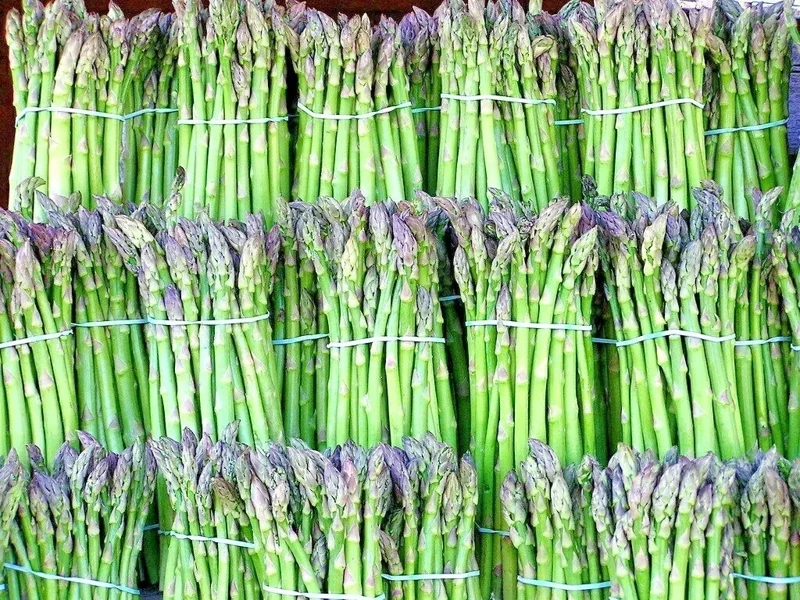
Embark on a rewarding gardening journey with this generous packet of over 150 asparagus seeds, offering a fantastic opportunity to establish a long-lasting and productive asparagus patch. Asparagus (Asparagus officinalis) is a highly prized perennial vegetable, renowned for its tender, flavorful spears that signal the arrival of spring. These heirloom asparagus seeds are sourced from robust, open-pollinated varieties, ensuring genetic stability and true-to-type plants that have been cherished by gardeners for generations. By choosing non-gmo asparagus seeds, you are opting for a natural and sustainable way to grow your own food, free from genetic modification. Planting these seeds allows you to experience the full life cycle of this remarkable plant, from tiny seed to mature, harvestable crowns, contributing to a vibrant and healthy spring garden.
Asparagus is a true garden investment, as a well-maintained bed can produce for 15-20 years or even longer. The satisfaction of harvesting your own fresh, crisp asparagus spears, knowing they were grown from these high-quality seeds, is unparalleled. This offering provides more than 150 asparagus seeds, giving you ample opportunity for successful germination and the establishment of a robust patch. Whether you’re a seasoned gardener looking to expand your edible landscape or a beginner eager to try growing a perennial vegetable, these seeds are an excellent choice for a rewarding gardening experience.
Key Benefits
Growing your own asparagus from seed offers numerous advantages, from the joy of cultivation to the delight of fresh, homegrown produce. These perennial asparagus seeds provide a sustainable and cost-effective way to enjoy this gourmet vegetable year after year.
- Long-Term Harvests: Once established, an asparagus patch can produce delicious spears for up to two decades, making it a highly valuable addition to any garden. Enjoy the fruits of your labor for many seasons to come.
- Heirloom Quality: These heirloom asparagus seeds come from time-tested varieties, known for their classic flavor and reliable growth. You’ll be preserving genetic diversity and enjoying authentic tastes.
- Non-GMO Assurance: Cultivate with confidence knowing that these are non-gmo asparagus seeds, allowing you to grow natural and healthy food for your family.
- Freshness and Flavor: Nothing compares to the taste of freshly harvested asparagus. Picking spears directly from your garden ensures maximum sweetness and tenderness, far superior to store-bought options.
- Cost-Effective Gardening: Starting asparagus from seed is significantly more economical than purchasing crowns, especially when aiming to establish a large patch. Over time, the savings are substantial.
- Garden Aesthetics: Beyond its culinary value, asparagus plants develop into attractive, fern-like foliage in summer, adding a unique texture and green backdrop to your spring garden.
- Nutritional Value: Asparagus is packed with vitamins K, A, C, and folate, making it a healthy and delicious addition to your diet. Growing your own ensures a fresh supply of nutrient-rich food.
Plant Care & Growing Tips
Successful cultivation of asparagus seeds requires patience and proper conditions, but the long-term rewards are well worth the effort. Asparagus thrives in full sun, meaning at least 6-8 hours of direct sunlight per day. Choose a permanent location for your asparagus bed, as it will remain there for many years. Prepare the soil thoroughly by incorporating plenty of organic matter, such as compost or well-rotted manure, to improve fertility and drainage. Asparagus prefers a well-draining soil with a pH between 6.5 and 7.0 (neutral to slightly acidic). Good drainage is crucial to prevent root rot, especially for perennial asparagus.
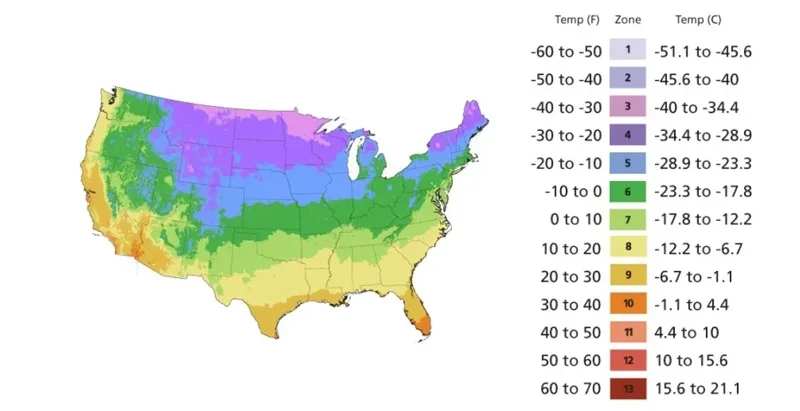
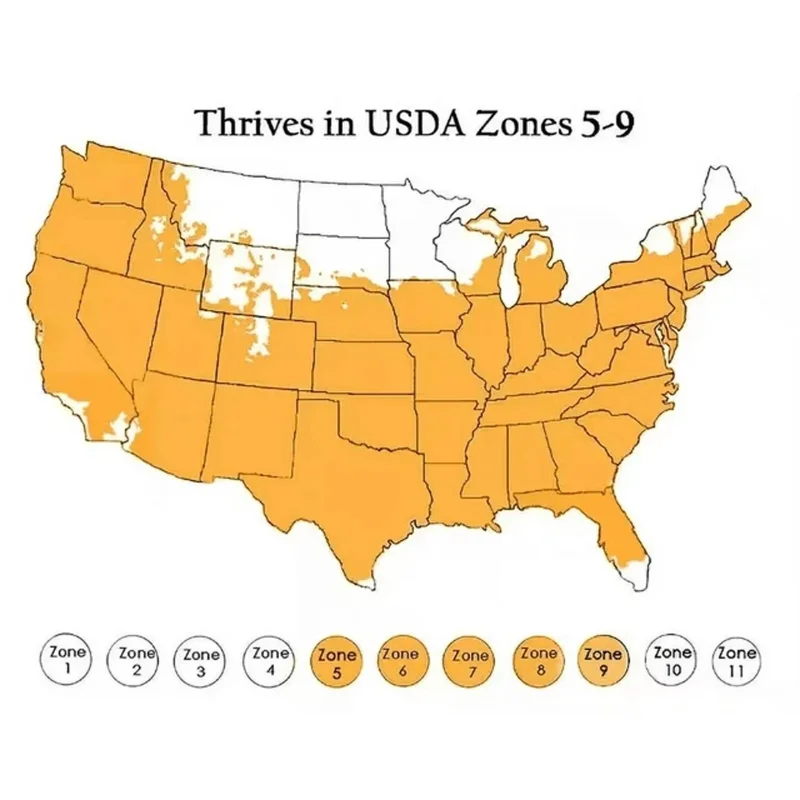
Sow the asparagus seeds indoors 10-12 weeks before the last frost date in your area. Plant seeds about 1 inch deep in good quality seed-starting mix. Keep the soil consistently moist and warm (around 75-80°F or 24-27°C) for optimal germination, which can take 2-8 weeks. Once seedlings are about 5-6 inches tall, they can be transplanted outdoors after all danger of frost has passed. Space plants 12-18 inches apart in rows that are 3-5 feet apart. The USDA hardiness zones for asparagus typically range from 3-8, depending on the variety, making it suitable for a wide range of climates. Water regularly during the first year to help establish the plants, and provide a balanced fertilizer, especially during the active growing season. Protecting young plants from weeds is also important as they compete for nutrients and water. These non-gmo asparagus plants will reward your diligence.
After the first year, continue to maintain a weed-free bed and fertilize in early spring. Avoid harvesting any spears during the first two years to allow the crowns to establish a strong root system. In the third year, you can begin to harvest spears for a short period (2-4 weeks), gradually increasing the harvest period in subsequent years. Stop harvesting when the diameter of the spears becomes pencil-thin. Allow the remaining spears to grow into fern-like foliage, which will gather energy for the following year’s crop. Proper care will ensure your growing asparagus from seed project is a success.
Size & Details
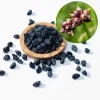
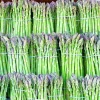
This offering includes more than 150 asparagus seeds, providing a generous quantity to start a substantial asparagus patch. Each seed is carefully selected to ensure viability and promote strong, healthy growth. While the initial size of the seeds is small, they will grow into robust plants, eventually producing spears that typically reach 6-10 inches in height and about 1/2 to 3/4 inch in diameter when ready for harvest. The mature fern-like foliage can grow 3-5 feet tall and wide, creating a beautiful and productive perennial bed. These heirloom asparagus seeds are packaged for optimal freshness and germination rates.
Asparagus plants have a clumping growth habit, forming dense crowns underground that send up new spears each spring. Expect the first harvest to occur in the third year after planting, with full production achieved in subsequent years. The exact timeline for spear production can vary based on growing conditions and climate, but with consistent care, your perennial asparagus patch will provide many years of delicious harvests. These seeds are ideal for planting in a dedicated garden bed, providing ample space for this long-lived vegetable to thrive.
Frequently Asked Questions
- Q: How many asparagus seeds are included in this packet? A: This packet contains over 150 asparagus seeds, providing a generous quantity to start a productive asparagus bed in your garden. This ensures you have plenty of seeds for successful germination and establishment.
- Q: Are these heirloom or hybrid asparagus seeds? A: These are heirloom asparagus seeds, meaning they are open-pollinated varieties that will grow true to type from seed saved from your own plants. They represent traditional, time-tested genetics.
- Q: Are these asparagus seeds non-GMO? A: Yes, these are non-gmo asparagus seeds, ensuring you are growing a natural and healthy vegetable crop in your garden without any genetic modification.
- Q: When is the best time to plant these asparagus seeds? A: For best results when growing asparagus from seed, start seeds indoors 10-12 weeks before your last expected frost date in early spring. Transplant seedlings outdoors after the danger of frost has passed.
- Q: How much sunlight does asparagus need? A: Asparagus plants thrive in full sun, requiring at least 6-8 hours of direct sunlight per day for optimal growth and spear production.
- Q: What type of soil is best for growing asparagus? A: Asparagus prefers well-draining soil rich in organic matter, with a pH between 6.5 and 7.0. Amending your soil with compost before planting is highly recommended.
- Q: How long does it take for asparagus to produce spears? A: Asparagus is a perennial asparagus vegetable that requires patience. You typically won’t harvest spears until the third year after planting, allowing the crowns to establish a strong root system.
- Q: What USDA hardiness zones are suitable for asparagus? A: Asparagus is generally hardy in USDA Zones 3-8, making it suitable for a wide range of climates across the United States.
- Q: What condition will the seeds arrive in? A: The seeds are carefully packaged to ensure they arrive in excellent condition, ready for planting and germination, and are fresh for your spring garden.
- Q: Is asparagus easy to grow for beginners? A: While asparagus requires some patience and initial bed preparation, its long-term, low-maintenance nature once established makes it a rewarding choice for both experienced and beginner gardeners. The initial setup for growing asparagus from seed is the most involved part.



Reviews
There are no reviews yet.