Overview
Embark on a rewarding gardening journey with our generous offering of over 160 hosta seeds. Hostas, often referred to as plantain lilies, are highly prized for their exquisite foliage and are a cornerstone of any successful shade garden. These particular seeds promise a robust perennial growth habit, ensuring years of beauty and tranquility in your outdoor spaces. Ideal for gardeners seeking to add texture, color, and a sense of calm to shaded areas, these ornamental plants are surprisingly easy to grow from seed, making them a perfect project for both novice and experienced green thumbs. Each seed holds the potential to transform into a magnificent specimen, contributing to a vibrant and diverse garden ecosystem.
Our hosta seeds are selected for their viability and potential to produce vigorous plants. Growing hostas from seed allows for a captivating genetic diversity, meaning each plant can exhibit unique variations in leaf color, shape, and size, adding an element of surprise to your garden design. Whether you’re filling a troublesome shaded corner or designing an elaborate woodland retreat, these perennial hosta seeds provide an economical and fulfilling way to achieve your horticultural aspirations. Prepare to cultivate a stunning display of verdant foliage that will enhance your garden’s aesthetic for many seasons to come.
Key Benefits
Cultivating hostas from seed offers a multitude of benefits, enriching your garden and providing lasting satisfaction. These versatile plants are renowned for their ornamental qualities and ease of care, making them a popular choice for various gardening styles.
- Exceptional Shade Tolerance: Hostas thrive in shaded environments where many other plants struggle, making them perfect for under trees, along north-facing walls, or in areas with limited direct sunlight. They bring life and vibrancy to dimly lit garden spots.
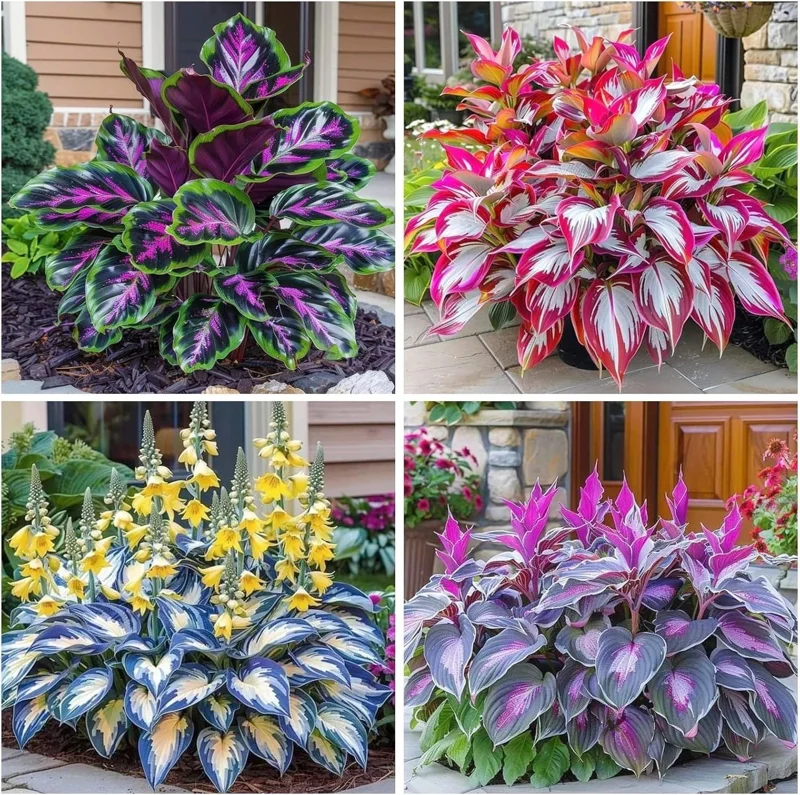
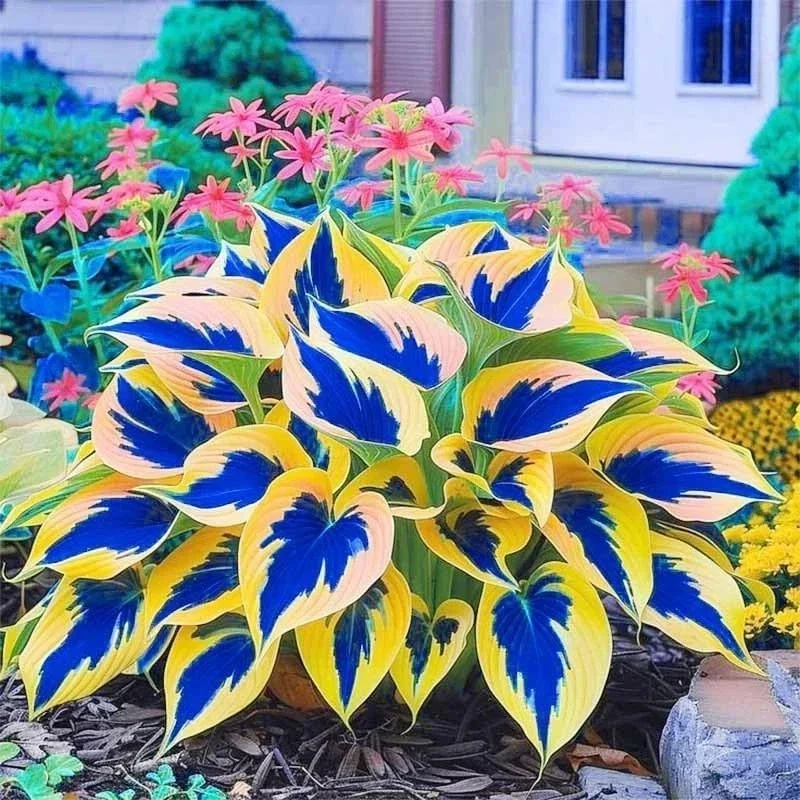
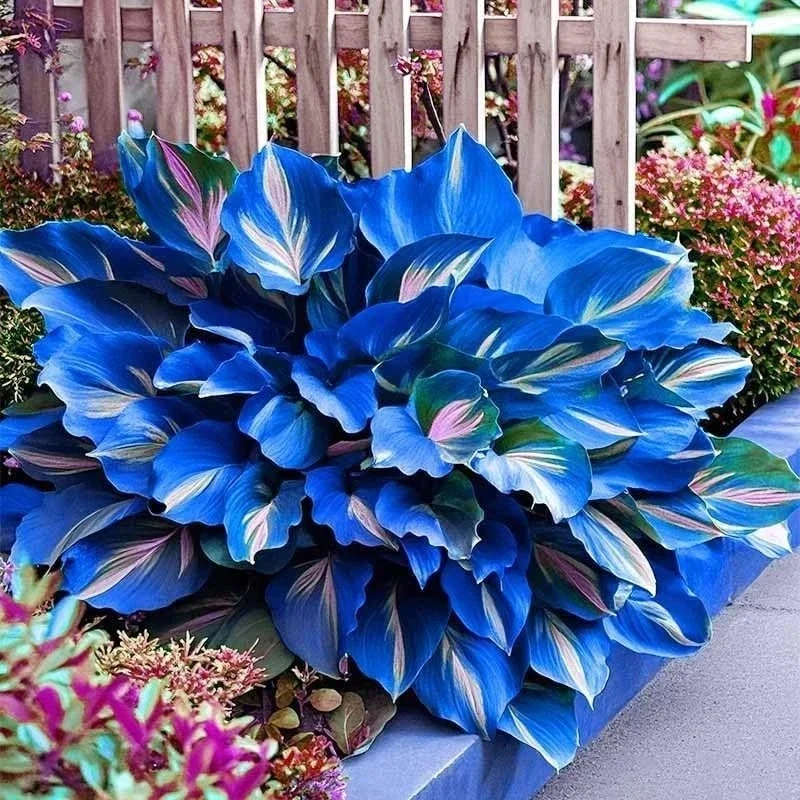
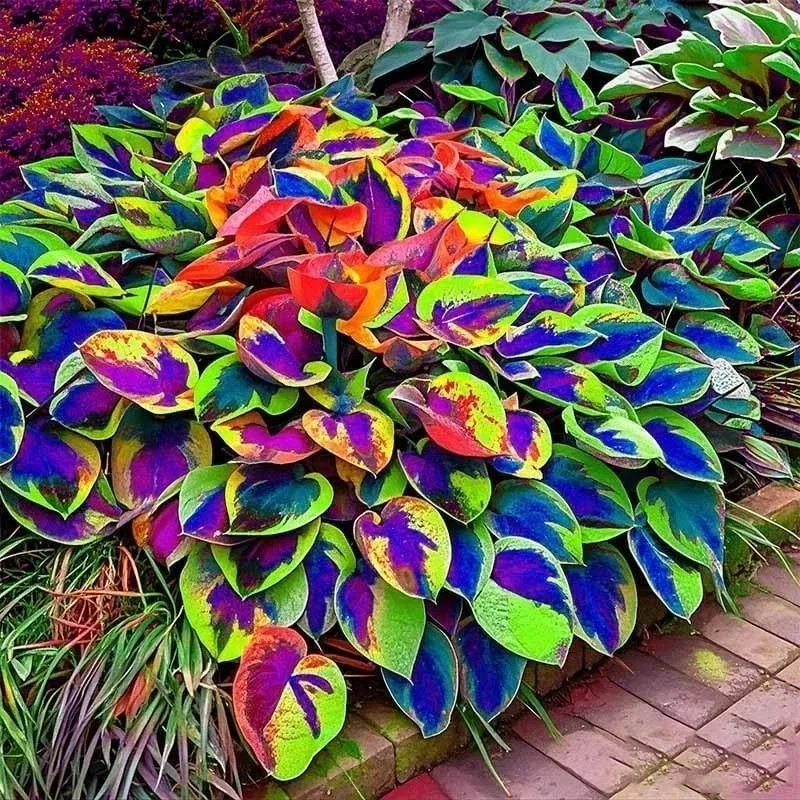
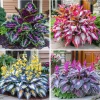
- Striking Ornamental Foliage: The primary appeal of hostas lies in their diverse and beautiful leaves. Expect a range of textures, from smooth to heavily ribbed, and colors including various shades of green, blue-green, variegated patterns, and potentially even unique purple hosta seeds varieties that will add a splash of color.
- Low Maintenance Perennials: Once established, hostas require minimal attention. They are a true perennial, returning year after year with increasing vigor and beauty, reducing the need for annual replanting.
- Natural Groundcover: With their clumping growth habit, hostas effectively cover ground, suppressing weeds and creating a lush, uniform appearance in your shade garden beds.
- Attracts Pollinators: While primarily grown for foliage, hostas produce lovely bell-shaped flowers on tall scapes, which can attract hummingbirds and other beneficial pollinators to your garden.
- Versatile Landscape Use: Ideal for borders, mass plantings, containers, or as accent plants, hostas adapt well to different garden designs, enhancing curb appeal and creating focal points.
Plant Care & Growing Tips
Growing hosta seeds successfully begins with proper planting and consistent care. Hostas prefer a humid continental climate and thrive outdoors. Start your seeds indoors about 4 weeks before the last frost, or sow directly outdoors in spring after all danger of frost has passed. Plant the seeds shallowly, just barely covering them with soil. A consistent moisture level is crucial for germination and early growth. Keep the soil consistently moist but never waterlogged, as excessive wetness can lead to rot.
For optimal growth, hostas require a rich, well-draining loam soil with a neutral pH. Amend heavy clay soils with organic matter like compost to improve drainage and aeration. Once established, these shade garden plants prefer medium watering, allowing the top inch of soil to dry out slightly between waterings. Fertilize annually in spring with a balanced slow-release granular fertilizer formulated for perennials to support healthy foliage development. While hostas are relatively easy to cultivate, protect young plants from slugs and snails, which are fond of their tender leaves. Providing good air circulation can also help prevent fungal issues.
Hostas are renowned for their ability to flourish in full shade to partial shade. While they can tolerate some morning sun, intense afternoon sun can scorch their leaves, especially the lighter-colored varieties. The ideal location offers dappled sunlight or consistent shade throughout the day. These perennial hosta seeds will grow into robust plants that return each season, providing a beautiful backdrop or focal point in your garden. With proper care, your hostas will become a cherished part of your landscape for many years.
Size & Details
This offering includes over 160 hosta seeds, providing ample opportunity to cultivate a beautiful collection of these cherished perennials. When mature, hostas typically exhibit a clumping growth habit, with individual plants varying in size depending on the specific variety that emerges from the seeds. While exact dimensions of the mature plant cannot be guaranteed from mixed seeds, most hosta varieties grown from seed will achieve a spread of 1-3 feet and a height of 1-2 feet. The leaves themselves can range from a few inches to over a foot in length, creating a dense and impactful display. The seeds are shipped as a packet, ready for planting.
Expect flowering in spring, with delightful bell-shaped blooms on tall scapes, often displaying shades of white or lavender, which may include unique purple hosta seeds variations. The cultivating difficulty for these seeds is considered easy, making them accessible even for beginner gardeners. These hosta seeds offer a fantastic way to establish a vibrant and enduring presence in your outdoor garden, providing lush foliage and attractive blooms season after season.
Frequently Asked Questions
- Q: How big do hosta plants get from these seeds? A: While exact size varies by specific variety and growing conditions, most hostas grown from these hosta seeds will mature to a spread of 1-3 feet and a height of 1-2 feet, forming attractive clumps in your garden.
- Q: Are these hostas indoor or outdoor plants? A: These perennial hosta seeds are intended for outdoor planting. Hostas thrive in outdoor shade gardens and are not typically grown as indoor houseplants due to their specific light and dormancy requirements.
- Q: How much sunlight do hostas need? A: Hostas are classic shade garden plants and prefer full shade to partial shade. They can tolerate some morning sun but should be protected from harsh afternoon sun to prevent leaf scorch.
- Q: Is it difficult to grow hostas from seed? A: Growing hostas from seed is considered easy, making it suitable for gardeners of all experience levels. Consistent moisture and appropriate soil conditions are key for successful germination and initial growth.
- Q: When is the best time to plant these hosta seeds? A: The best time to plant these hosta seeds is in the spring, after the last danger of frost has passed. You can also start them indoors about 4 weeks prior to transplanting outside.
- Q: What type of soil do hostas prefer? A: Hostas thrive in rich, well-draining loam soil with a neutral pH. Amending the soil with organic matter will greatly benefit their growth and overall health, especially for these ornamental hostas.
- Q: What color flowers can I expect from these hosta seeds? A: While primarily grown for their foliage, hostas produce bell-shaped flowers. You can expect white or lavender blooms, and there’s a possibility of unique variations, potentially including purple hues from the purple hosta seeds.
- Q: Are hostas drought-tolerant? A: No, hostas are not considered drought-tolerant. They prefer consistently moist soil and require medium watering, especially during dry spells, to maintain their lush foliage.
- Q: Will these hostas return every year? A: Yes, hostas are true perennials. Once established, the plants grown from these perennial hosta seeds will return year after year, often growing larger and more beautiful with each passing season.
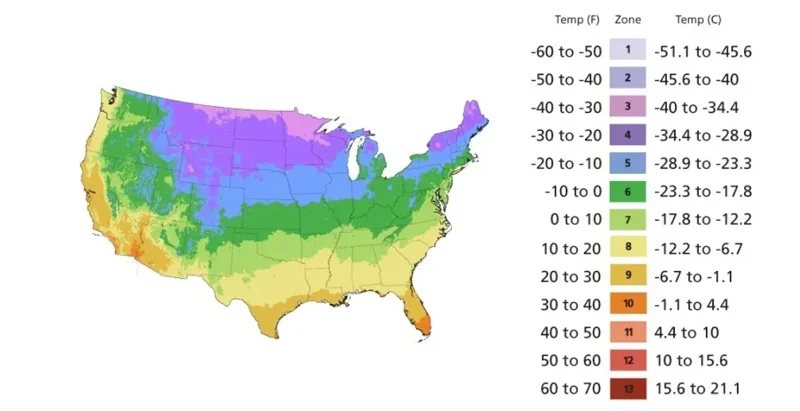
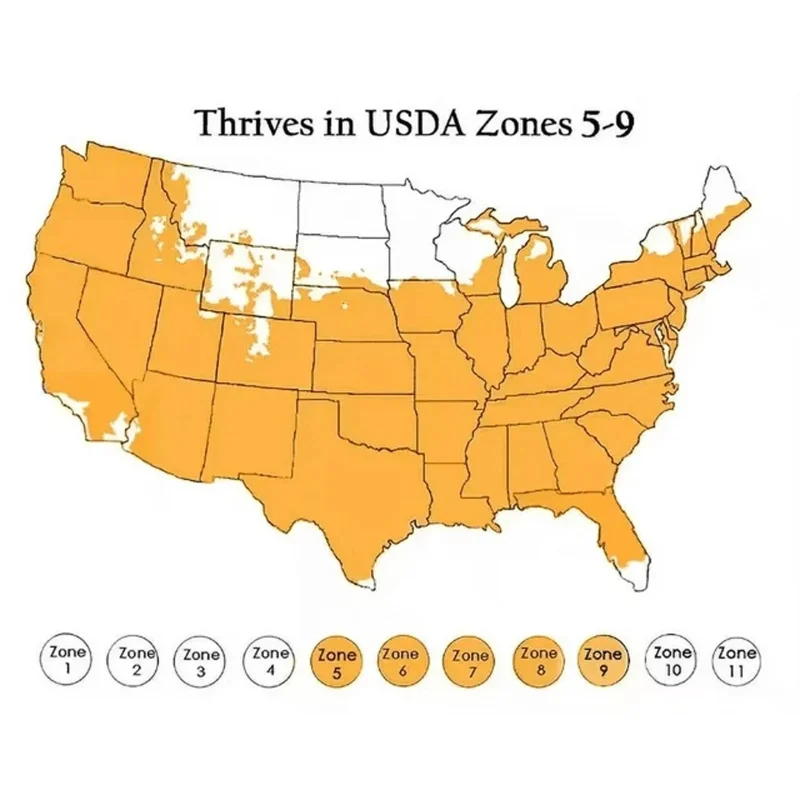
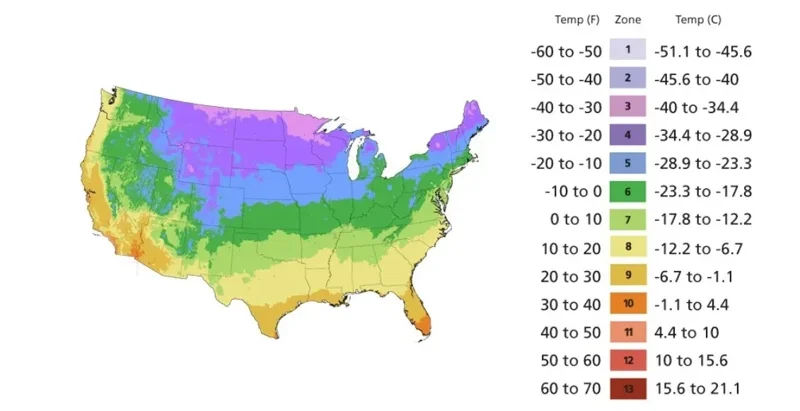
- Q: What USDA zones are suitable for these hosta seeds? A: Hostas are generally hardy in USDA zones 3-9, making them suitable for a wide range of climates. They require a cold dormancy period to thrive.










Reviews
There are no reviews yet.