Overview
Introduce robust, native beauty to your garden with this set of 2 American Hackberry trees (Celtis occidentalis). These live bare root plants, measuring 1-2 feet tall, are an excellent choice for those seeking a durable and adaptable shade tree. Known for their strong growth and resilience, American Hackberry trees are well-suited for a variety of landscapes, from urban yards to naturalized areas and wildlife habitats. As dormant starter trees, they establish quickly once planted, making them a fantastic addition for both novice and experienced gardeners. Their ability to tolerate diverse growing conditions ensures a successful planting experience and a long-lasting, beneficial presence in your outdoor space, providing a natural habitat and aesthetic appeal.
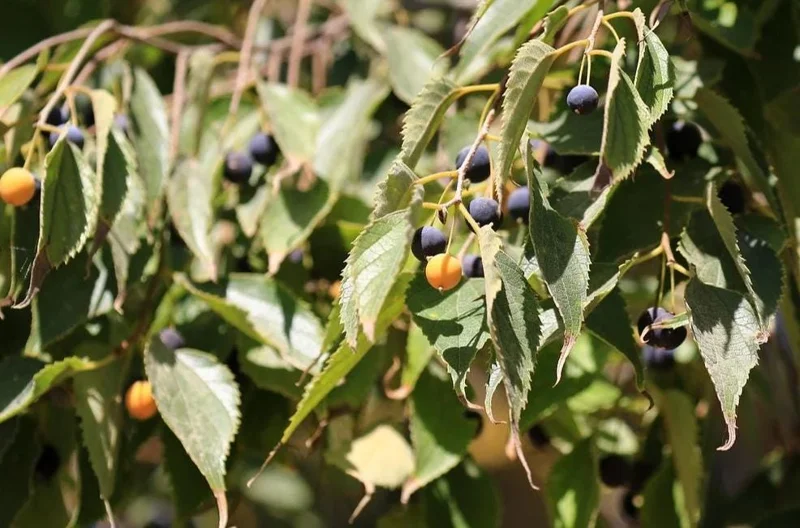
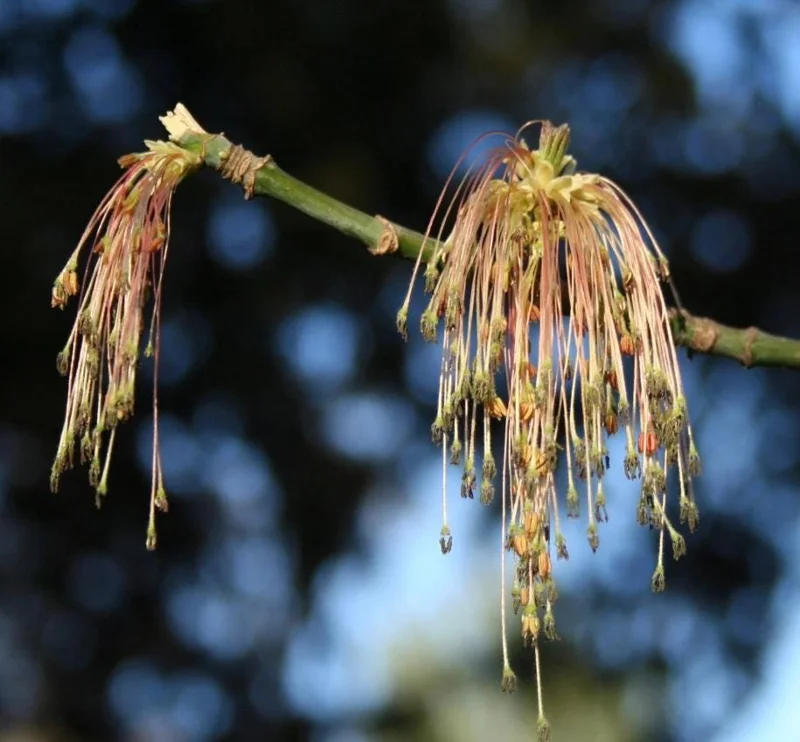
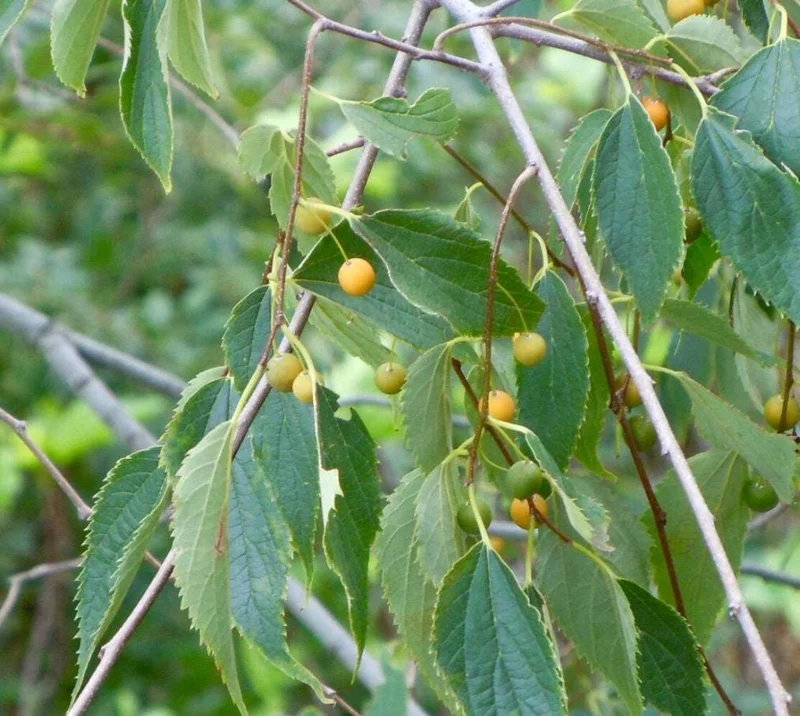
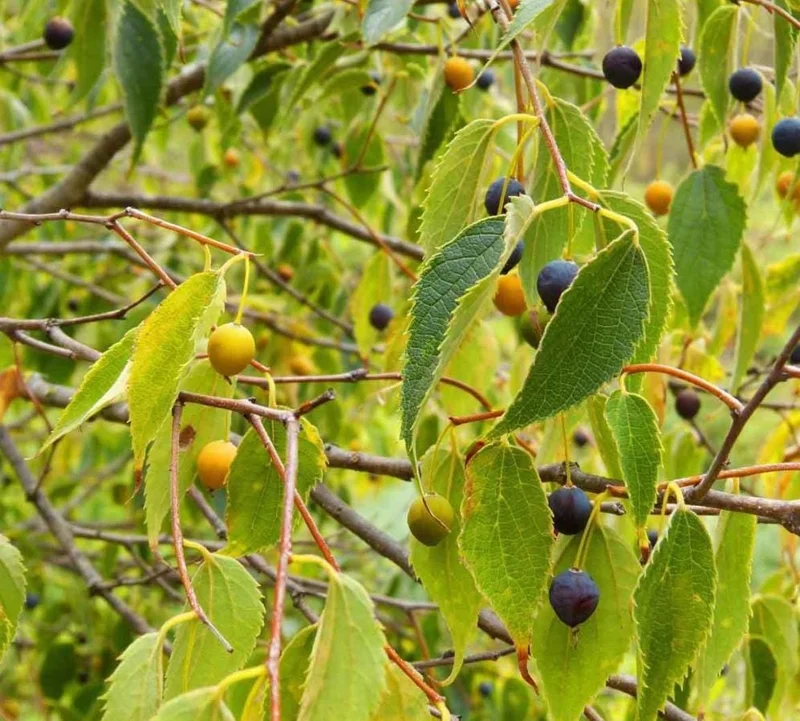
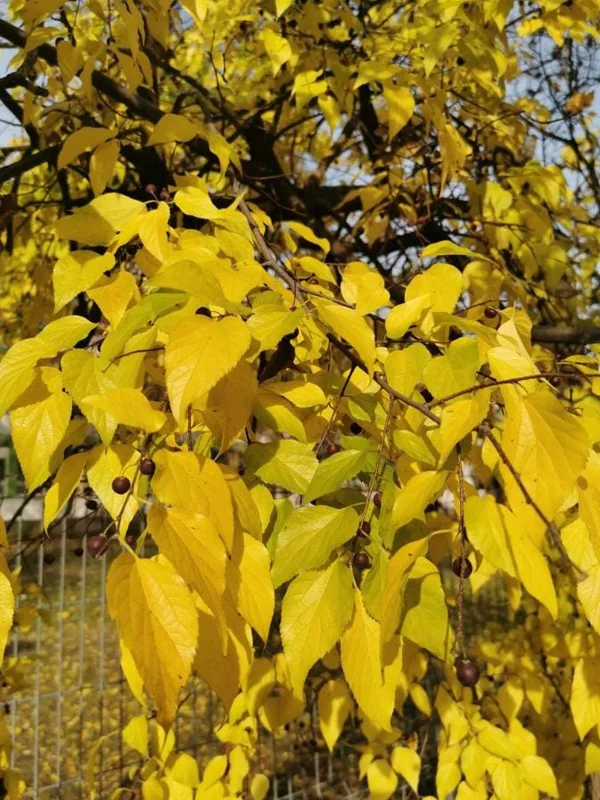
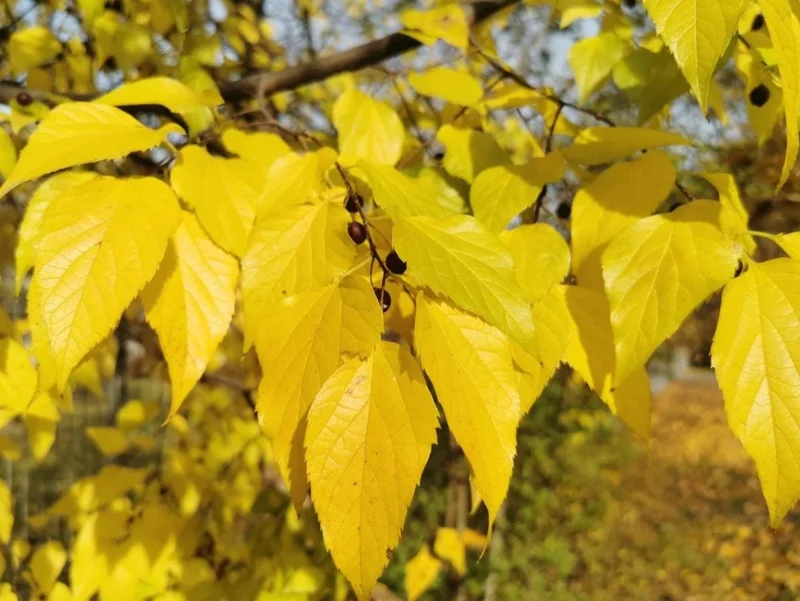
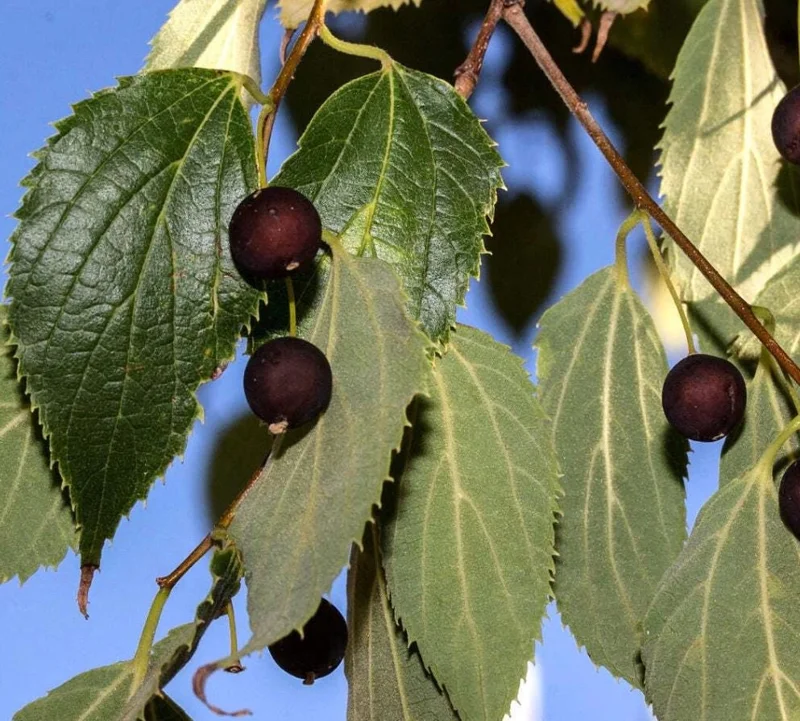
The Celtis occidentalis, commonly referred to as the American Hackberry tree, is a large deciduous shade tree highly prized for its exceptional durability. This species stands out for its tolerance to heat, wind, drought, and various soil types, making it a reliable choice for challenging environments. In the spring, it produces subtle flowers that give way to dark purple, berry-like fruits, a natural magnet for birds and other wildlife. Over time, the tree develops a wide, spreading canopy, providing ample shade and contributing significantly to the aesthetic and ecological value of your property. These native shade tree specimens also offer an excellent opportunity to support local ecosystems.
Key Benefits
Opting for American Hackberry trees brings a multitude of advantages to your landscape, blending aesthetic appeal with practical ecological benefits. Their inherent hardiness ensures they can withstand various environmental stresses, providing a reliable and long-term solution for shade and wildlife support. This makes them a smart investment for any gardener looking for a low-maintenance yet impactful addition to their outdoor space.
- Exceptional Hardiness: These trees are incredibly tough, tolerating a wide range of conditions including heat, wind, drought, and various soil types, making them ideal for many climates and locations. This resilience contributes to straightforward hackberry tree care.
- Provides Excellent Shade: As they mature, American Hackberry trees develop a broad, dense canopy, offering substantial shade that can help cool your home and outdoor living spaces during warmer months. This makes them a perfect native shade tree.
- Attracts Wildlife: The small, dark purple berries produced in spring are a favorite food source for many bird species and other wildlife, enhancing biodiversity in your garden. This supports local ecosystems and adds dynamic life to your yard.
- Fast Establishment: Shipped as dormant bare root tree plants, these starter trees are designed to establish quickly once planted, allowing for rapid growth and development. This means you’ll see progress sooner than with many other tree types.
- Low Maintenance: Once established, Celtis occidentalis requires minimal care, making it a great choice for busy individuals or those new to gardening. Its self-sufficiency reduces the need for constant attention.
- Versatile Landscaping: Perfect for shade planting, windbreaks, natural landscaping projects, and creating wildlife habitats, adding value to any property. Their adaptability allows for diverse uses in your landscape design.
- Native Species: Being a native species, it integrates seamlessly into local ecosystems and supports regional flora and fauna. Planting a native shade tree helps preserve local biodiversity.
Plant Care & Growing Tips
Proper hackberry tree care begins with understanding their basic needs. American Hackberry trees are remarkably adaptable, making them relatively easy to grow. They thrive in full sun to partial shade, meaning they need at least 4-6 hours of direct sunlight per day for optimal growth, but can tolerate some afternoon shade, especially in hotter climates. When planting, ensure the soil is well-drained. While hackberries are tolerant of various soil types, they prefer moist, well-draining soil. Avoid areas where water tends to collect, as consistently waterlogged conditions can be detrimental to their root health. Providing adequate drainage is key to their success.
For watering, young American Hackberry trees will need regular moisture to help establish their root systems. Water deeply and consistently during their first growing season, especially during dry spells. Once established, they are quite drought-tolerant and will only require supplemental watering during prolonged periods of extreme dryness. These trees are hardy in USDA Zones 3–9, indicating a wide range of temperature tolerance, from very cold winters to hot summers. Fertilization is not typically required annually for established trees; however, a balanced slow-release fertilizer can be applied in early spring to young trees or those in poor soil to encourage healthy growth. Protect young trees from excessive wind and ensure they have adequate space to grow, as mature Celtis occidentalis can reach heights of 40–60 feet tall, forming a magnificent native shade tree.
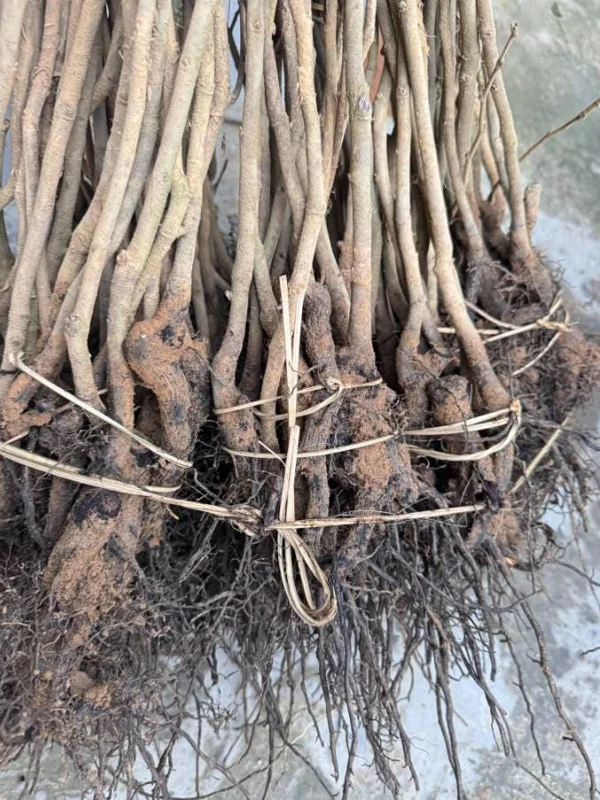
As a dormant bare root tree, these plants require specific handling during planting. Upon arrival, soak the roots in water for a few hours before planting. Dig a hole wide enough to accommodate the spread of the roots and deep enough so that the root collar is level with the ground. Backfill with soil, gently tamping to remove air pockets, and water thoroughly. Mulching around the base can help retain moisture and regulate soil temperature. Pruning is generally minimal, focusing on removing dead or damaged branches. With proper initial care, these resilient trees will flourish and become a cherished part of your landscape for decades.
Size & Details
This offering includes two live American Hackberry trees. Each plant measures 1–2 feet tall at the time of shipment, providing a substantial starter size for immediate impact. They are shipped as dormant bare root tree plants, which means they arrive without soil or a pot, allowing for safer delivery and easier transplanting. This method encourages quick establishment in their new environment. These deciduous shade tree specimens are known for their relatively fast growth rate, especially once established, quickly developing into a prominent feature in your landscape. With proper care, they can grow to be large, majestic trees, reaching a mature height of 40-60 feet with a significant canopy spread, making them ideal for creating natural windbreaks or extensive shade areas. The robust nature of these plants ensures they will be a long-lasting addition to your garden.
The mature size and spreading canopy of the Celtis occidentalis make it an excellent choice for large properties where ample shade is desired. Its deep root system also contributes to its wind resistance, providing stability in various weather conditions. These trees are shipped at an ideal stage for transplanting, minimizing shock and promoting vigorous growth once planted in their permanent location. The 1-2 ft height makes them manageable for planting while still providing a head start on their journey to becoming a grand, mature shade tree.
Frequently Asked Questions
- Q: How big will these American Hackberry trees get? A: Mature American Hackberry trees can reach an impressive height of 40–60 feet tall with a broad canopy, making them excellent choices for large shade areas. They provide significant cover and cooling.
- Q: What condition will the trees arrive in? A: The trees are shipped as dormant bare root tree starter plants, meaning they arrive without soil or a pot. This is a common and effective method for shipping deciduous trees, ensuring safe delivery and good establishment.
- Q: How much sunlight do American Hackberry trees need? A: These trees thrive in full sun to partial shade, ideally receiving at least 4-6 hours of direct sunlight daily for optimal growth. They are quite adaptable to varying light conditions.
- Q: Is this an indoor or outdoor plant? A: American Hackberry trees are large outdoor deciduous shade trees, not suitable for indoor cultivation. They are meant for permanent landscape planting and require significant space.
- Q: What kind of soil is best for Celtis occidentalis? A: While tolerant of various soil types, Celtis occidentalis prefers well-drained soil. They can adapt to both moist and drier conditions once established, but good drainage is crucial.
- Q: Are these trees good for attracting wildlife? A: Yes, American Hackberry trees are excellent native shade tree options for wildlife. Their small, dark purple berries are a significant food source for birds and other small animals, enhancing garden biodiversity.
- Q: When is the best time to plant these bare root trees? A: Bare root trees are typically best planted in early spring before they break dormancy, or in late fall after they have gone dormant. This allows their root systems to establish before extreme weather.
- Q: How quickly do American Hackberry trees grow? A: Once established, American Hackberry trees have a moderate to fast growth rate, allowing them to quickly develop into substantial shade trees. Their growth rate is a key benefit for those seeking rapid landscape improvements.
- Q: Are they drought-tolerant? A: Yes, hackberry trees are known for their drought tolerance once established, making them a hardy choice for various climates. This contributes to easy hackberry tree care.
- Q: What USDA zones are suitable for these trees? A: These trees are hardy in USDA Zones 3–9, indicating a wide range of climates where they can successfully grow, from very cold to relatively warm regions.



Reviews
There are no reviews yet.