Overview
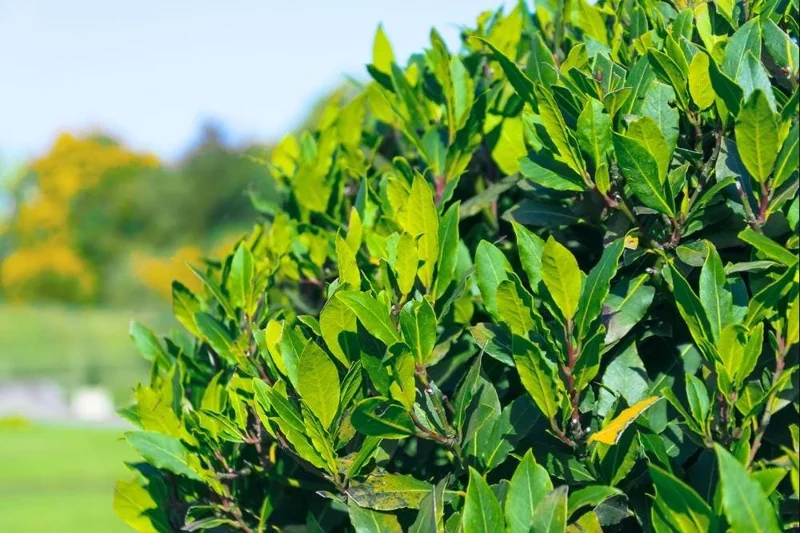
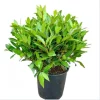
Bring the rich flavors of the Mediterranean into your kitchen and garden with our bay laurel live plant duo. This offering includes two vibrant starter plants of Laurus nobilis, commonly known as the sweet bay tree or bay leaf tree. Prized for its glossy, aromatic leaves, the bay laurel is an essential culinary herb that adds depth to soups, stews, sauces, and roasts. These slow-growing evergreens are not only functional but also possess an elegant, ornamental appeal, making them a beautiful addition to any home or garden. Our starter plants are carefully cultivated to ensure a healthy beginning for your very own source of fresh bay leaves, allowing you to enjoy the unparalleled taste and fragrance that only freshly picked herbs can provide. Growing your own culinary herb plant ensures a continuous supply of this versatile ingredient.
Whether you’re a seasoned gardener or just starting your green journey, these laurus nobilis plant starters offer an accessible way to grow a classic culinary favorite. They adapt well to various growing conditions, thriving both indoors in a sunny spot or outdoors in suitable climates. Imagine the satisfaction of harvesting your own bay leaves, knowing exactly where your food comes from. These plants are more than just herbs; they are a connection to culinary traditions and a touch of Mediterranean charm for your living space.
Key Benefits
Owning a bay laurel live plant offers a multitude of advantages beyond just its culinary uses. These versatile plants are a fantastic addition to any home or garden:
- Fresh Culinary Herb Supply: Enjoy a continuous, fresh supply of aromatic bay leaves for all your cooking needs. The fresh leaves offer a more intense flavor than dried ones, elevating your dishes.
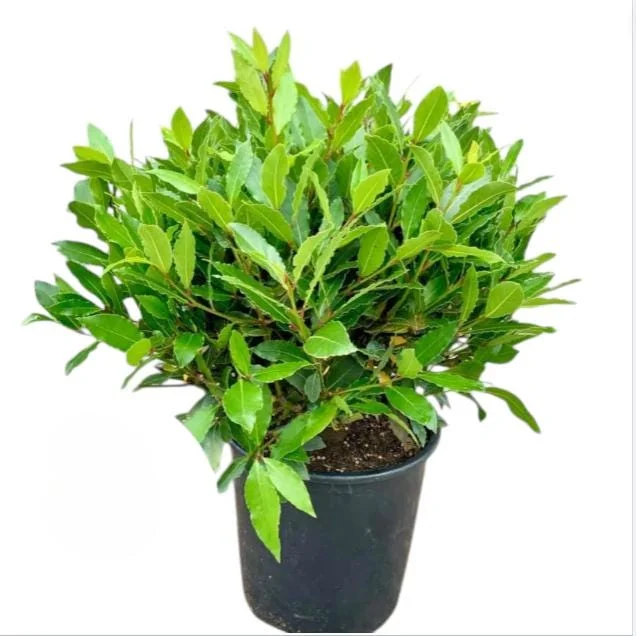
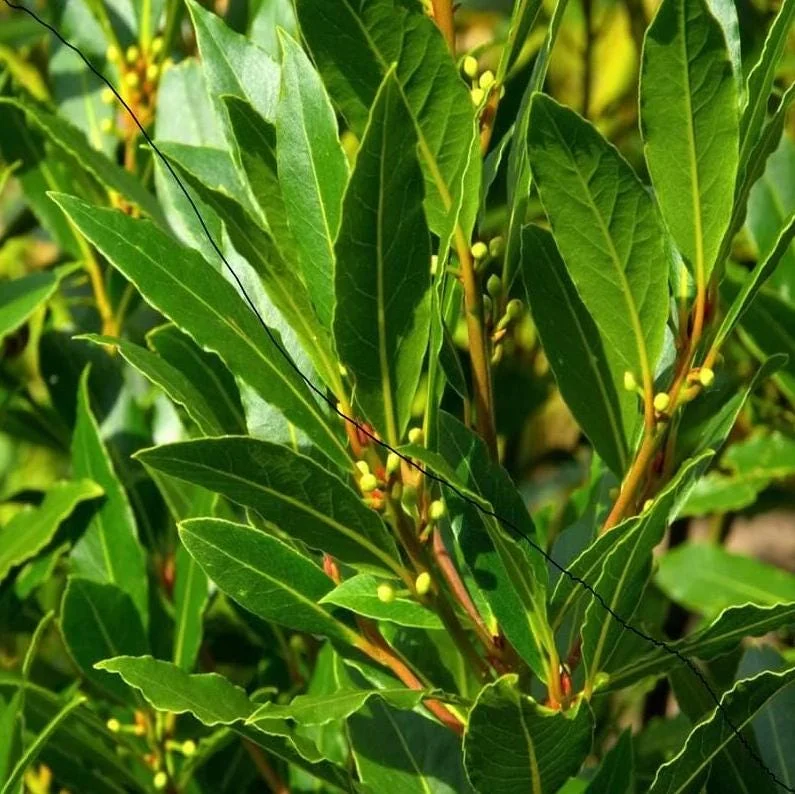
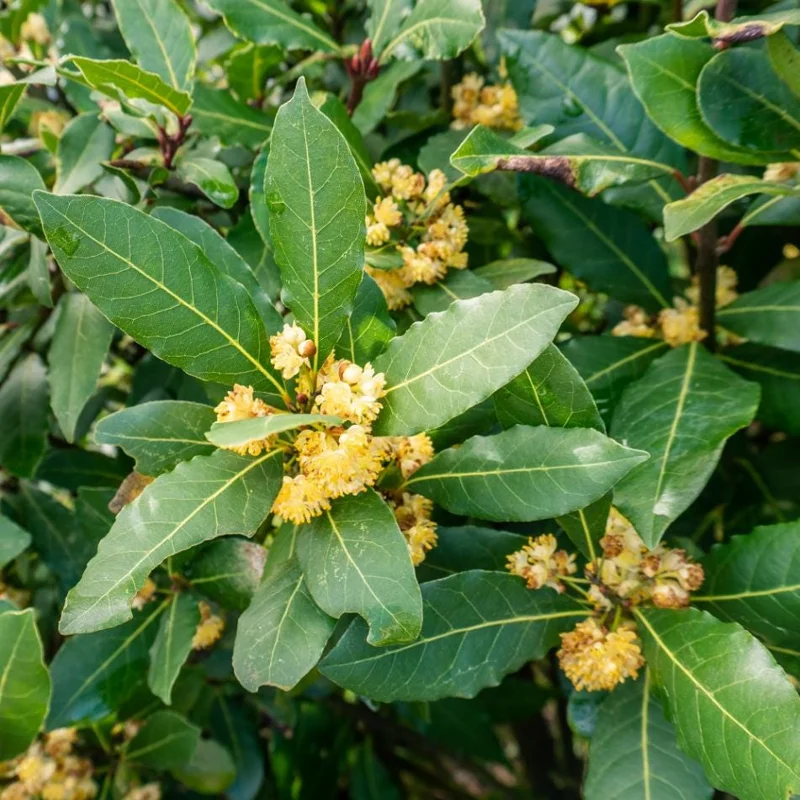
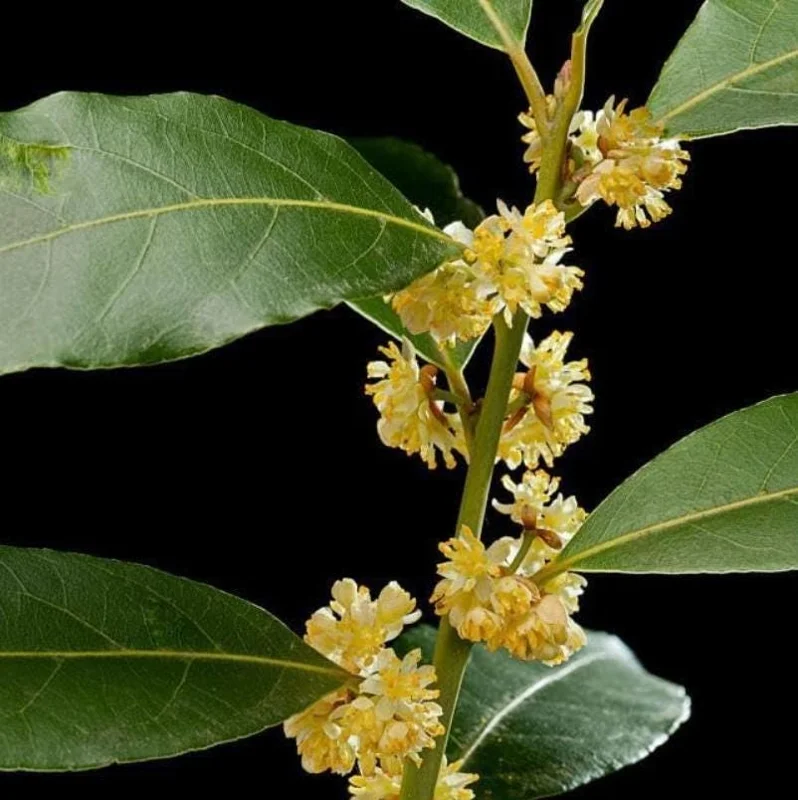
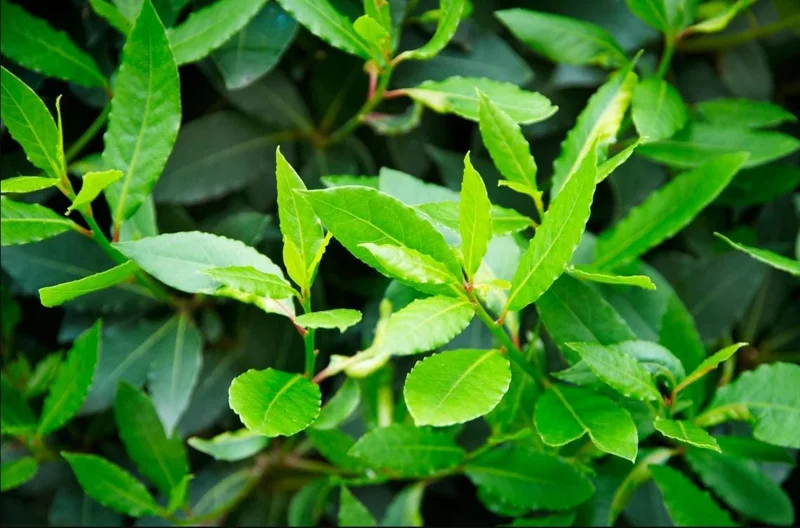
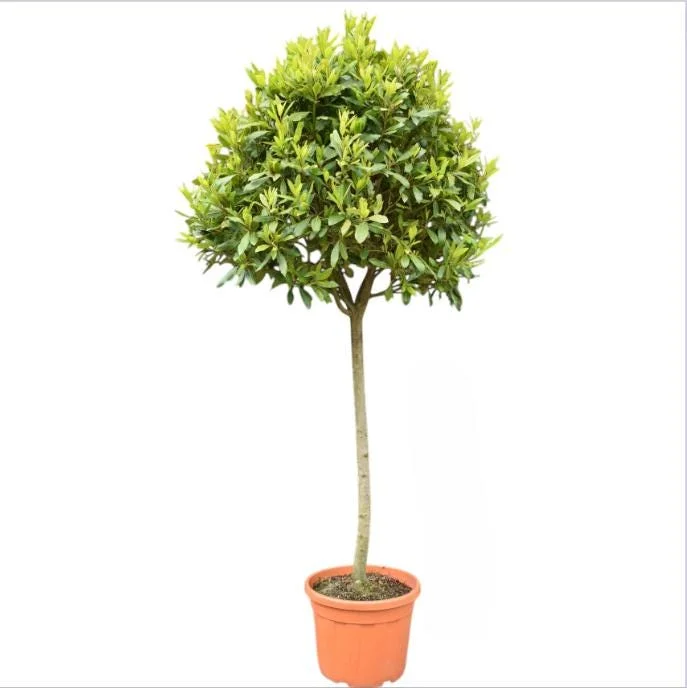
- Aesthetic Appeal: With their glossy, dark green leaves and upright growth habit, sweet bay tree plants are highly ornamental and can be shaped into attractive topiaries or kept as elegant potted plants.
- Air Purification: Like many live plants, the bay laurel contributes to a healthier indoor environment by absorbing carbon dioxide and releasing oxygen, improving air quality.
- Low Maintenance: Once established, the laurus nobilis plant is relatively easy to care for, requiring minimal attention and being quite drought-tolerant. This makes it ideal for busy individuals.
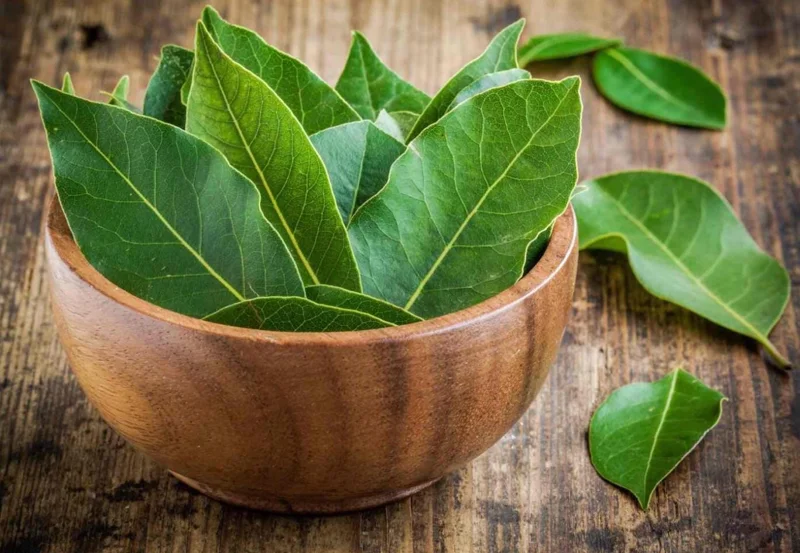
- Fragrant Foliage: The leaves release a pleasant, spicy aroma when bruised or cooked, adding a sensory delight to your garden or kitchen. It’s a truly rewarding bay leaf tree to cultivate.
- Versatile Growing Options: Suitable for growing in containers indoors or planting directly in the ground in warmer climates, offering flexibility for various gardening setups.
- Long Lifespan: Bay laurels are long-lived plants, providing many years of fresh herbs and beauty with proper care, making them a sustainable choice for any culinary herb plant enthusiast.
Plant Care & Growing Tips
Caring for your bay laurel live plant is straightforward, ensuring you’ll enjoy fresh bay leaves for years to come. These plants thrive in conditions that mimic their Mediterranean origin. For sunlight, bay laurel prefers full sun to partial shade. If growing indoors, place your sweet bay tree in the brightest window available, ideally one receiving at least 4-6 hours of direct sunlight daily. Outdoors, choose a spot with morning sun and some afternoon shade in hotter climates to prevent leaf scorch. Adequate light is crucial for robust growth and flavorful leaves.
When it comes to watering, consistency is key, but overwatering should be avoided. Water your laurus nobilis plant when the top inch of soil feels dry to the touch. Ensure good drainage, as bay laurels do not tolerate ‘wet feet’ or soggy roots. During warmer months, you may need to water more frequently, while in winter, reduce watering as the plant’s growth slows. They are quite drought-tolerant once established but perform best with regular moisture. For soil, use a high-quality potting mix that drains well. A mix formulated for herbs or citrus plants often works well. You can amend garden soil with compost and sand to improve drainage if planting outdoors.
The bay leaf tree is hardy in USDA Zones 8-10, preferring mild winters. In colder zones, it should be grown in a container and brought indoors before the first frost. Protect it from harsh winter winds and extreme temperatures. Fertilize sparingly; a balanced liquid fertilizer diluted to half strength can be applied every 4-6 weeks during the spring and summer growing season. Pruning can be done to maintain shape and size, and to encourage bushier growth. Watch out for common pests like scale or mealybugs, and treat with insecticidal soap if necessary. With these simple care tips, your culinary herb plant will flourish.
Size & Details
This offering includes two healthy bay laurel live plant starter plants, each measuring approximately 4-8 inches tall from the base of the plant to the tip of its tallest leaf. These young plants are shipped without a traditional nursery pot to reduce waste and shipping costs, making them ready for immediate transplanting into your preferred container or garden bed. They are at an ideal stage for establishing strong root systems in their new environment. The growth rate of the sweet bay tree is considered slow to moderate, typically adding a few inches of height per year, allowing for easy management and shaping.
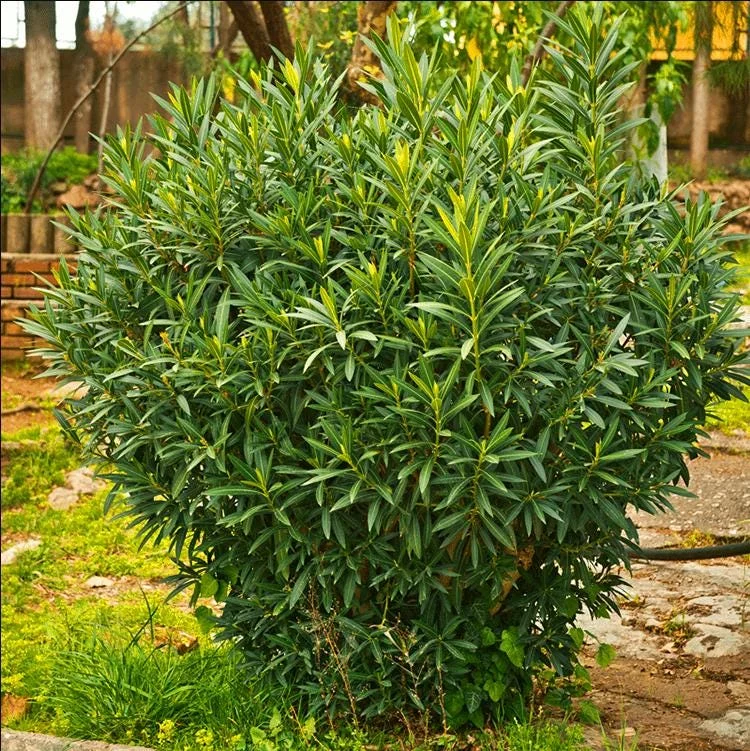
When mature, a laurus nobilis plant can reach impressive sizes in ideal outdoor conditions, potentially growing into a small tree up to 20 feet tall, though it is easily kept smaller through pruning. When grown in containers, their size is naturally restricted, making them perfect for patios, balconies, or indoor settings. Each bay leaf tree is carefully selected to ensure vigor and health upon arrival, providing you with a robust foundation for your future culinary endeavors. These starters represent a fantastic opportunity to begin growing your own fresh, aromatic bay leaves.
Frequently Asked Questions
- Q: How big will my Bay Laurel plant get? A: In optimal outdoor conditions, a bay laurel live plant can grow into a small tree up to 20 feet tall. However, when grown in a container, its size will be significantly smaller and can be easily managed through pruning to your desired height and shape.
- Q: Is this an indoor or outdoor plant? A: The sweet bay tree can be grown both indoors and outdoors. In USDA Zones 8-10, it thrives outdoors year-round. In colder climates, it’s best grown in a container and brought indoors during the winter months to protect it from frost.
- Q: How much sunlight does a Bay Laurel need? A: A laurus nobilis plant prefers full sun to partial shade. If growing indoors, place it in a bright, sunny window that receives at least 4-6 hours of direct sunlight daily. Outdoors, aim for a spot with morning sun and some afternoon shade.
- Q: Is this plant easy to care for? A: Yes, once established, the bay leaf tree is relatively low-maintenance. It requires well-draining soil, consistent watering when the topsoil is dry, and protection from harsh winter conditions in colder zones. It’s a great choice for beginners.
- Q: Can I use the leaves from this plant in cooking? A: Absolutely! The leaves of the culinary herb plant, Laurus nobilis, are highly prized for their aromatic flavor and are commonly used in soups, stews, sauces, and roasts. Fresh leaves offer a more vibrant taste than dried ones.
- Q: What condition will the plants arrive in? A: Your bay laurel live plant starters will arrive healthy and ready for planting. They are shipped without a traditional pot to ensure safe transit and are prepared for immediate transplanting into your chosen container or garden spot.
- Q: What type of soil is best for Bay Laurel? A: Bay Laurel prefers a high-quality, well-draining potting mix. Avoid heavy, water-retentive soils that can lead to root rot. A mix suitable for herbs or citrus plants is often a good choice.
- Q: When is the best time to plant a Bay Laurel? A: The best time to plant your sweet bay tree is in spring or early summer, allowing it adequate time to establish before cooler weather sets in. If growing indoors, it can be potted at any time of the year.
- Q: Is the Bay Laurel plant drought-tolerant? A: Once established, the laurus nobilis plant is quite drought-tolerant. However, it will perform best with regular watering, especially when grown in a container, ensuring the soil doesn’t completely dry out for extended periods.
- Q: How often should I fertilize my Bay Laurel? A: Fertilize your bay leaf tree sparingly. A balanced liquid fertilizer, diluted to half strength, can be applied every 4-6 weeks during the active growing season (spring and summer). Reduce or cease fertilization in fall and winter.




Reviews
There are no reviews yet.