Overview
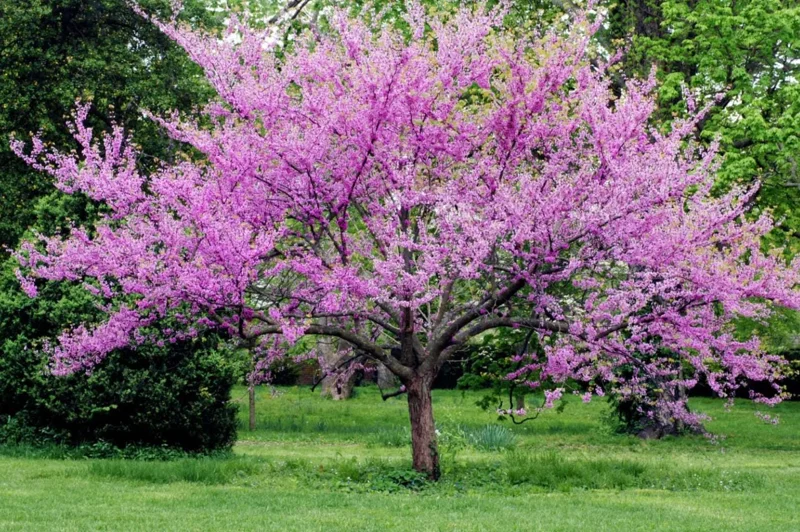
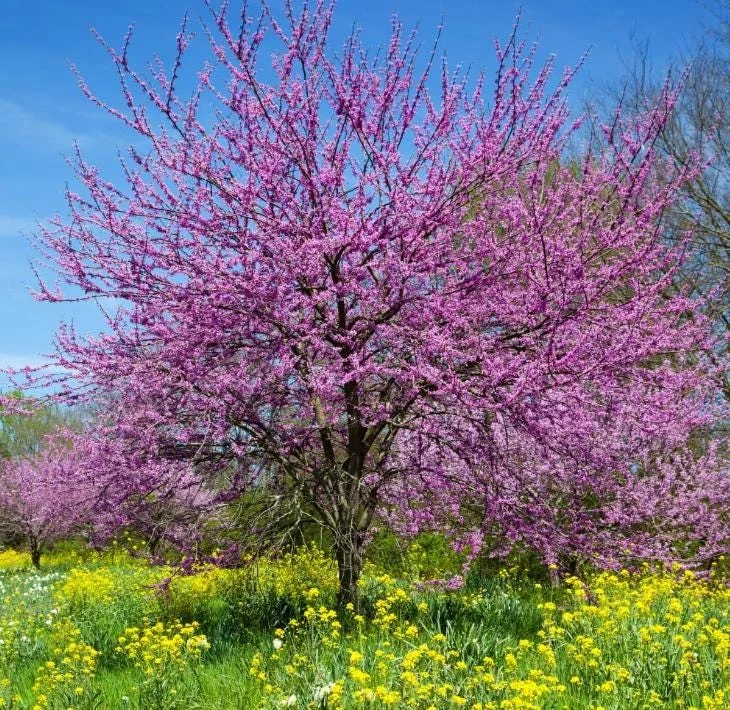
Transform your outdoor space with the stunning beauty of the Eastern Redbud bare root tree. This offering includes two dormant bare root plants, each measuring 6-12 inches tall, ready for planting to establish a magnificent focal point in your garden. The Eastern Redbud, scientifically known as Cercis canadensis, is a cherished deciduous tree renowned for its spectacular early spring display of vibrant pink to purple flowers that emerge directly on its branches before the leaves appear. This native North American tree is a favorite among gardeners for its resilience, unique bloom pattern, and attractive heart-shaped foliage that provides a lovely green backdrop throughout the summer, often turning yellow in the fall. These Eastern Redbud bare root tree seedlings are an excellent choice for creating a naturalized look, adding a burst of color to a woodland garden, or as a striking specimen tree in a smaller yard.
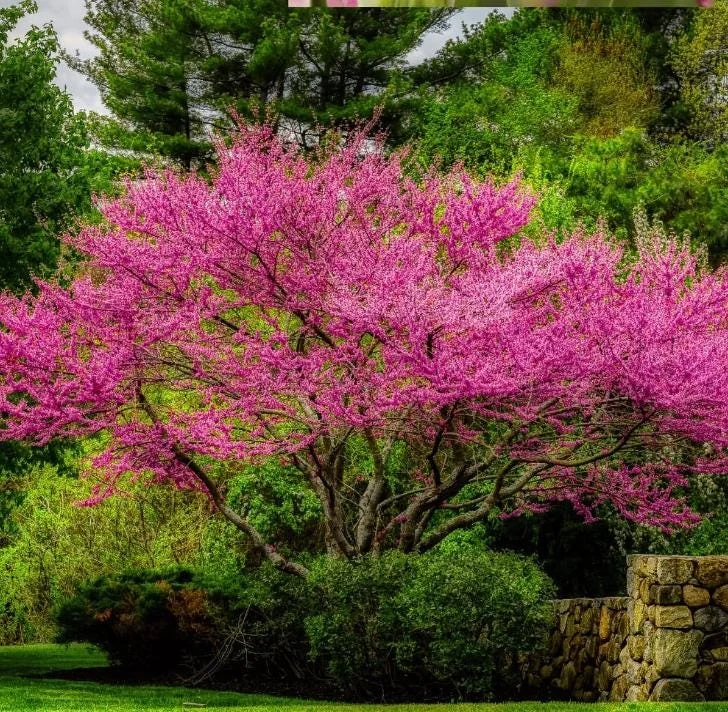
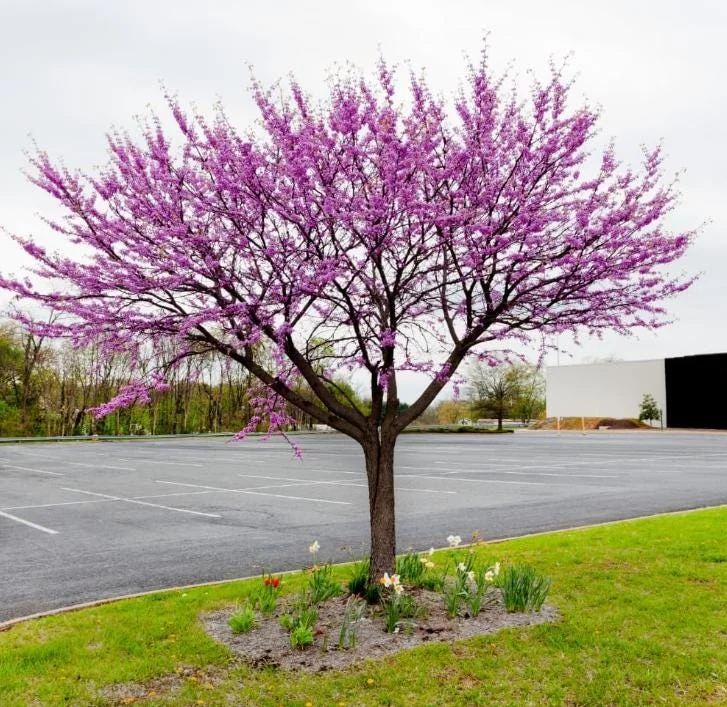
These young Cercis canadensis plant specimens are in their dormant stage, which is the ideal time for planting to ensure successful establishment. Bare root trees are an economical and effective way to introduce new growth to your landscape, as they quickly adapt to their new environment once planted. With proper care, these Eastern Redbud planting will grow into medium-sized trees, typically reaching 7 to 10 feet in 5 to 6 years, and eventually up to 20-30 feet tall with a similar spread. Their moderate growth rate and relatively compact size make them suitable for a variety of garden designs, providing year-round interest from their unique branching structure in winter to their glorious spring blossoms and lush summer foliage.
Key Benefits
Choosing an Eastern Redbud bare root tree for your garden offers a multitude of advantages, enhancing both the aesthetic appeal and ecological value of your landscape. These trees are celebrated for their distinctive characteristics and ease of care, making them a fantastic addition for both novice and experienced gardeners.
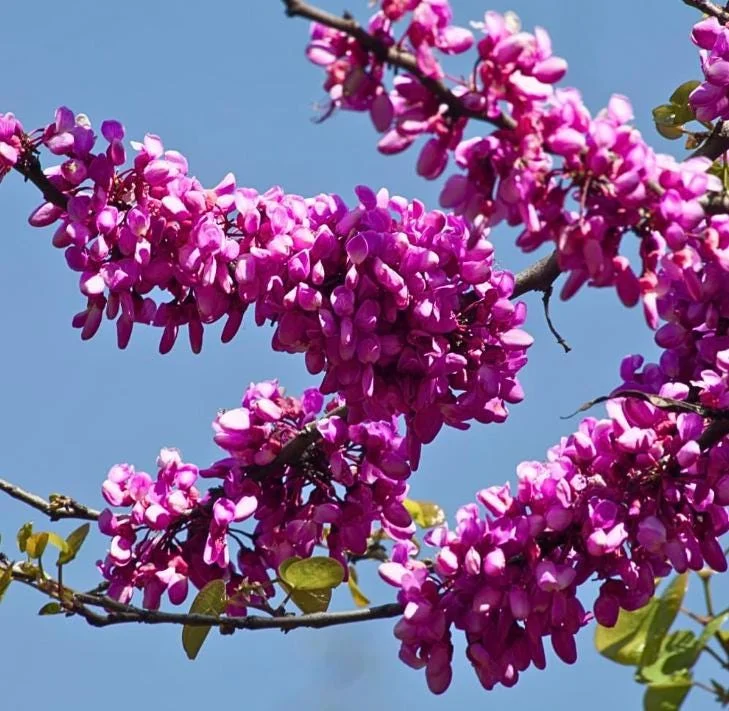
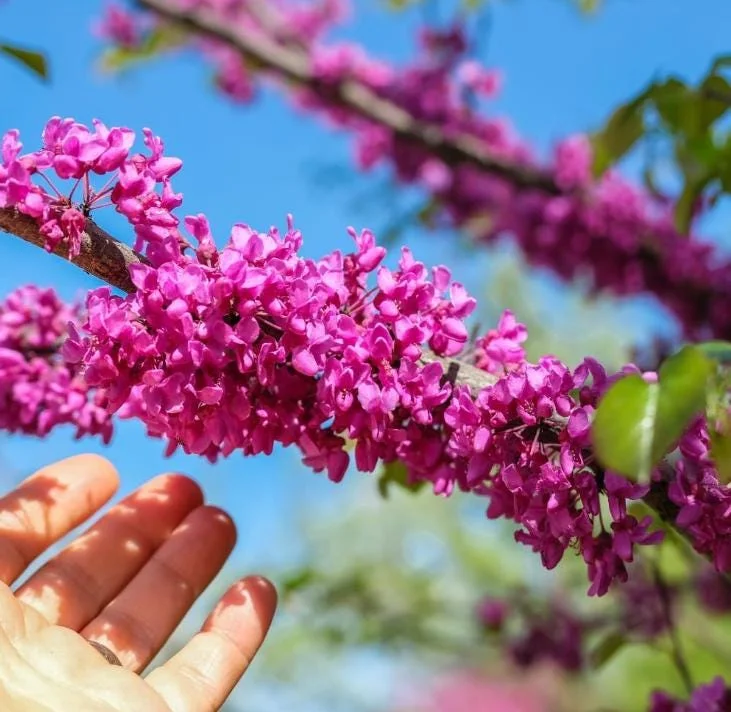
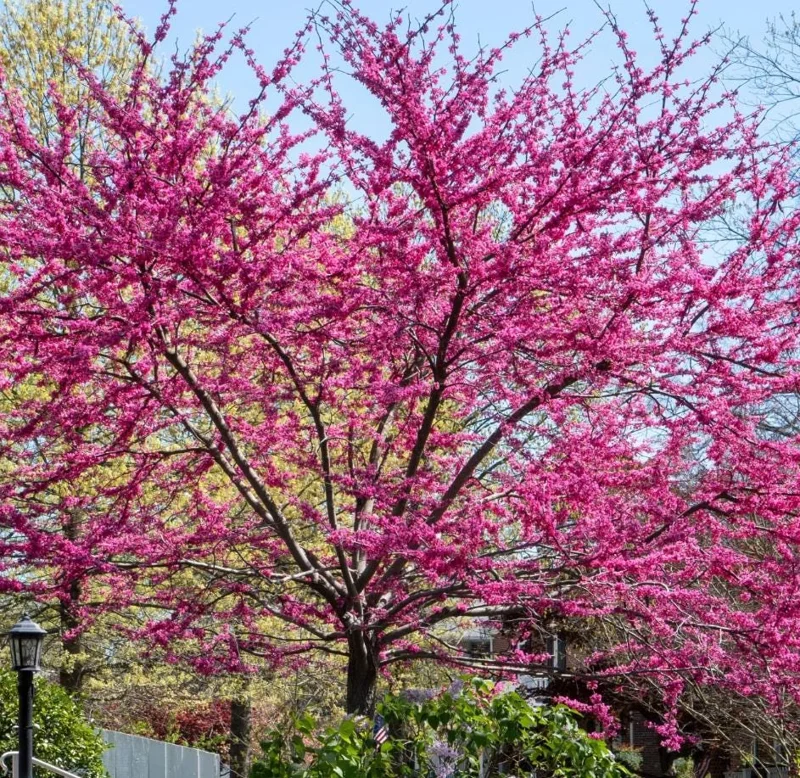
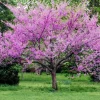
- Spectacular Early Spring Blooms: The most striking feature of the Eastern Redbud bare root tree is its profusion of delicate, pea-like flowers. These vibrant pink to purple blooms appear in early spring, often before other trees have leafed out, providing a much-needed splash of color after winter. They cover the branches and even the trunk, creating a breathtaking visual spectacle.
- Attractive Foliage: Following the stunning floral display, the Eastern Redbud develops beautiful heart-shaped leaves that emerge with a reddish tint, maturing to a fresh green throughout the summer. This distinctive foliage adds ornamental value even when the tree is not in bloom.
- Wildlife Attraction: The early spring flowers are a vital nectar source for early emerging pollinators, including bees. Birds are also attracted to the tree for nesting and for the small seed pods that develop in late summer and fall.
- Cold Hardy and Adaptable: These cold hardy Redbud trees are well-suited for a wide range of climates, thriving in USDA Zones 5 to 9. They are known for their resilience and ability to adapt to various soil conditions, making them a versatile choice for many regions.
- Low Maintenance: Once established, the Cercis canadensis plant requires minimal care. It is generally resistant to most pests and diseases and tolerates a variety of environmental conditions, making it an excellent choice for a hassle-free garden.
- Moderate Size and Growth: Growing to a medium size, the Eastern Redbud fits well into diverse garden settings, from small urban yards to larger landscapes. Its moderate growth rate allows for gradual development and easy integration into existing designs.
- Year-Round Interest: From its unique branch structure in winter, to its spectacular spring bloom, lush summer foliage, and occasional yellow fall color, the Eastern Redbud bare root tree provides visual interest throughout all four seasons.
Plant Care & Growing Tips
Proper care is essential for ensuring your Eastern Redbud bare root tree thrives and establishes successfully in your garden. As a bare root specimen, immediate planting is crucial upon arrival. Choose a location that receives full sun to partial shade; while it tolerates partial shade, full sun exposure (at least 6 hours of direct sunlight daily) will encourage the most prolific flowering. Ensure the planting site has well-draining soil, as Redbuds do not tolerate standing water. Dig a hole that is wider than the spread of the roots and deep enough so that the crown (where the roots meet the stem) is at soil level. Spread the roots out carefully before backfilling with soil, gently tamping down to remove air pockets. Water thoroughly after planting.
After planting your Eastern Redbud planting, consistent watering is vital during the first year to help the tree establish its root system. Water deeply two to three times a week, especially during dry periods, ensuring the soil remains consistently moist but not waterlogged. Once established, the Eastern Redbud is moderately drought-tolerant, but supplemental watering during extended dry spells will benefit its health and vigor. Fertilization is generally not necessary in the first year if the soil is rich. In subsequent years, a balanced, slow-release granular fertilizer can be applied in early spring before new growth appears. Pruning should be done in late winter or early spring while the tree is dormant. Focus on removing any dead, diseased, or crossing branches to maintain a strong structure and open canopy. Avoid heavy pruning, as the tree tends to bleed sap.
The cold hardy Redbud is adaptable to various soil types, but it prefers moist, well-drained loamy soils with a neutral to slightly alkaline pH. Good drainage is paramount to prevent root rot. While generally robust, keep an eye out for common issues like Verticillium wilt, canker, and leaf spot, especially in stressed trees. Ensuring proper site selection, adequate drainage, and consistent care will significantly reduce the risk of these problems. The tree’s hardiness in USDA Zones 5 to 9 means it can withstand cold winters, but young trees may benefit from some winter protection in the colder parts of its range, such as a layer of mulch around the base to insulate the roots.
Size & Details
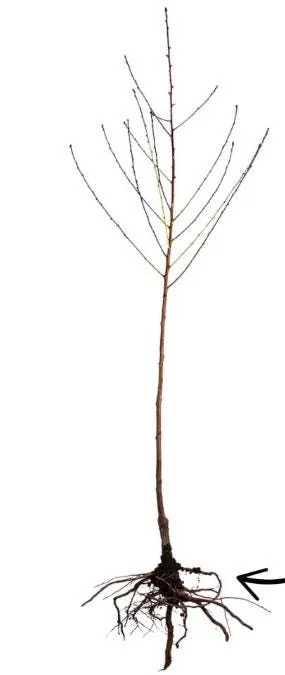
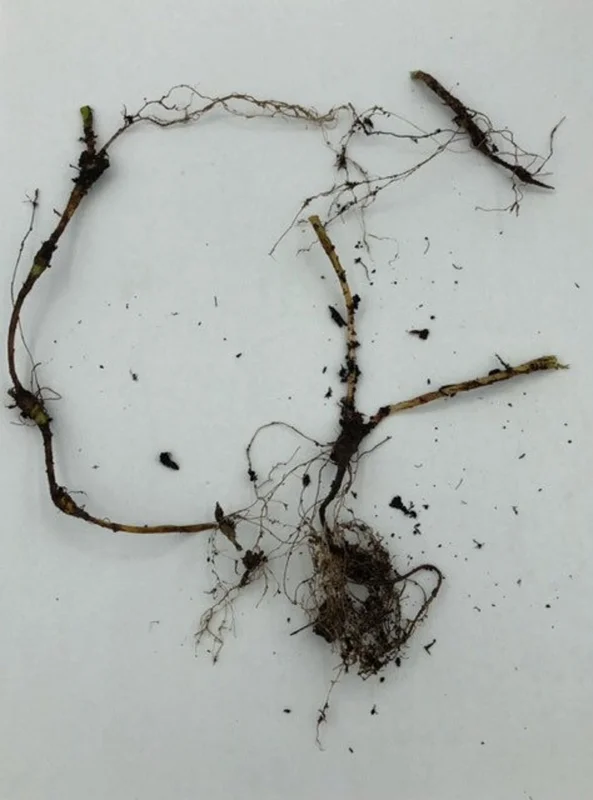
This offering includes two Eastern Redbud bare root tree seedlings, each approximately 6-12 inches in height. These are young, dormant plants, roughly 9 months old, and will arrive without leaves, exhibiting their bare root form. When mature, the Cercis canadensis plant typically reaches a height of 20-30 feet with a similar spread, forming an attractive, rounded canopy. Its growth rate is considered medium, often reaching 7 to 10 feet in height within the first 5 to 6 years under optimal growing conditions. The mature trunk can develop an interesting, often twisting form, adding character to the landscape.
These bare root plants are well-rooted and ready for immediate planting upon arrival. The dormant state is ideal for transplanting, minimizing shock and encouraging robust growth once the spring growing season begins. Expect the first flush of pink to purple blooms in early spring, followed by the emergence of distinctive heart-shaped leaves. The trees are suitable for USDA Hardiness Zones 5 to 9, indicating their ability to withstand cold temperatures in various regions across the United States. They are a low-maintenance choice, providing significant visual impact for many years with minimal effort.
Frequently Asked Questions
- Q: How big will my Eastern Redbud bare root tree get? A: Your Eastern Redbud bare root tree seedlings are currently 6-12 inches tall. When mature, an Eastern Redbud typically grows to a height of 20-30 feet with a similar spread, though it can take several years to reach its full size.
- Q: Is this an indoor or outdoor plant? A: The Eastern Redbud bare root tree is an outdoor plant, best suited for planting in your garden or landscape. It is not designed to be grown indoors.
- Q: How much sunlight does the Eastern Redbud need? A: For best flowering and overall health, the Eastern Redbud prefers full sun, meaning at least 6 hours of direct sunlight per day. It can tolerate partial shade, but flowering may be less abundant.
- Q: What condition will the bare root trees arrive in? A: Your Eastern Redbud planting will arrive as dormant, bare root seedlings, approximately 6-12 inches tall, without leaves. This is a normal and healthy state for bare root plants, ready for immediate planting.
- Q: Is this plant easy to care for? A: Yes, once established, the Eastern Redbud is considered a low-maintenance tree. It requires consistent watering during its first year but is relatively drought-tolerant and disease-resistant afterward, making it a good choice for most gardeners.
- Q: When is the best time to plant an Eastern Redbud bare root tree? A: The best time for Eastern Redbud planting bare root trees is in early spring, after the danger of hard frost has passed, or in late fall after the leaves have dropped and before the ground freezes.
- Q: Will this cold hardy Redbud survive winter in my zone? A: Yes, the Eastern Redbud is a cold hardy Redbud suitable for USDA Zones 5 to 9. This means it is well-adapted to survive the winter temperatures in these regions.
- Q: What kind of soil does the Cercis canadensis plant prefer? A: The Cercis canadensis plant thrives in moist, well-drained loamy soils. It is adaptable to various soil types but absolutely requires good drainage to prevent root issues.
- Q: How long until it blooms? A: While your bare root trees are young, they typically begin to produce their characteristic pink-purple blooms within 2-3 years after planting, with more abundant flowering as the tree matures.
- Q: What is the expected mature size of the tree? A: A mature Eastern Redbud bare root tree can reach an average height of 20-30 feet and a spread of 25-35 feet, creating a beautiful, rounded silhouette in your landscape.



Reviews
There are no reviews yet.