Overview
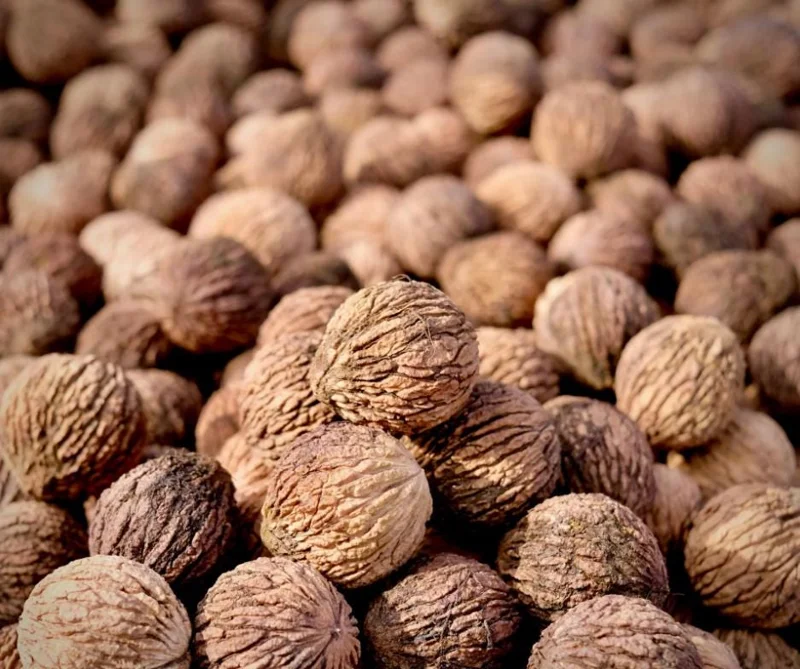
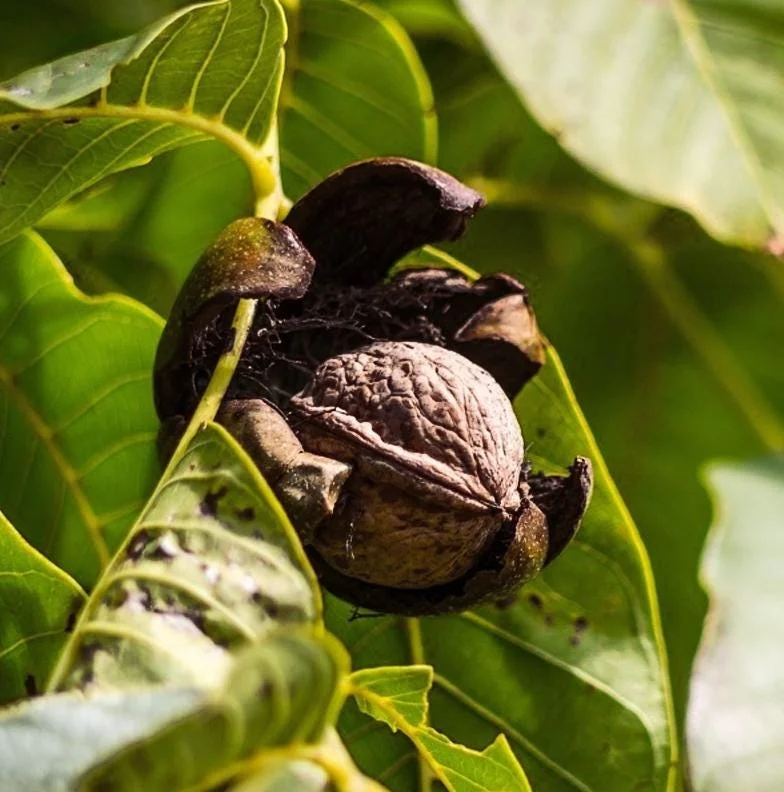
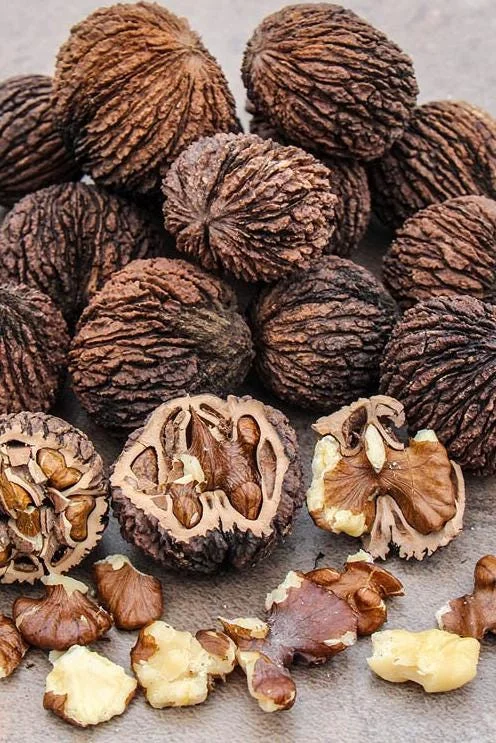
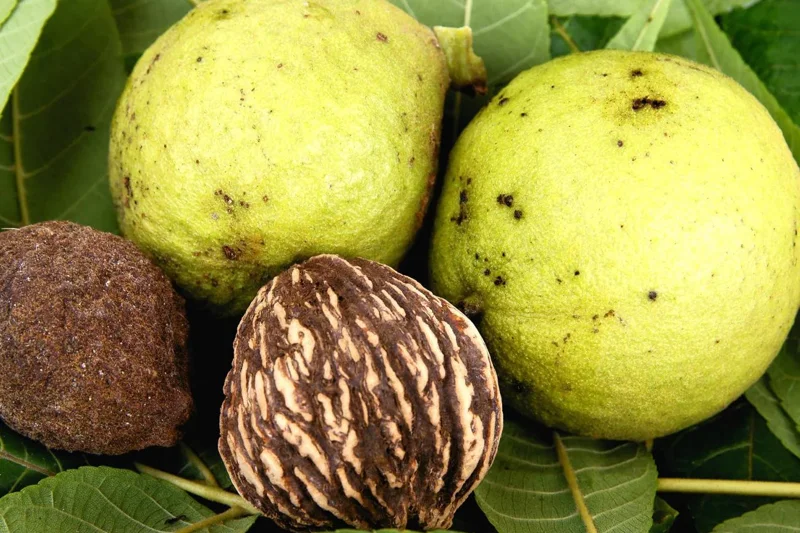
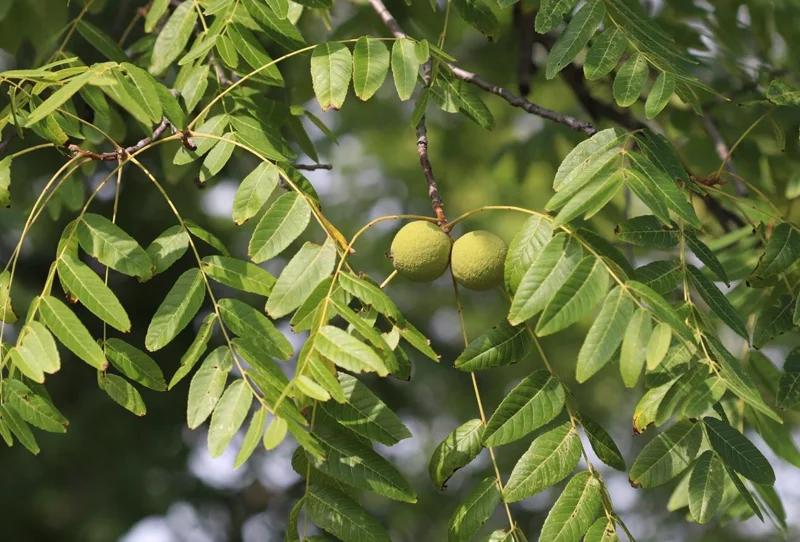
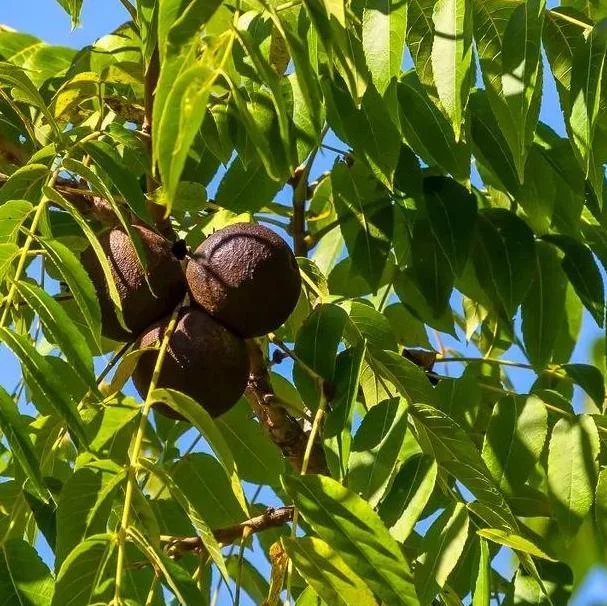
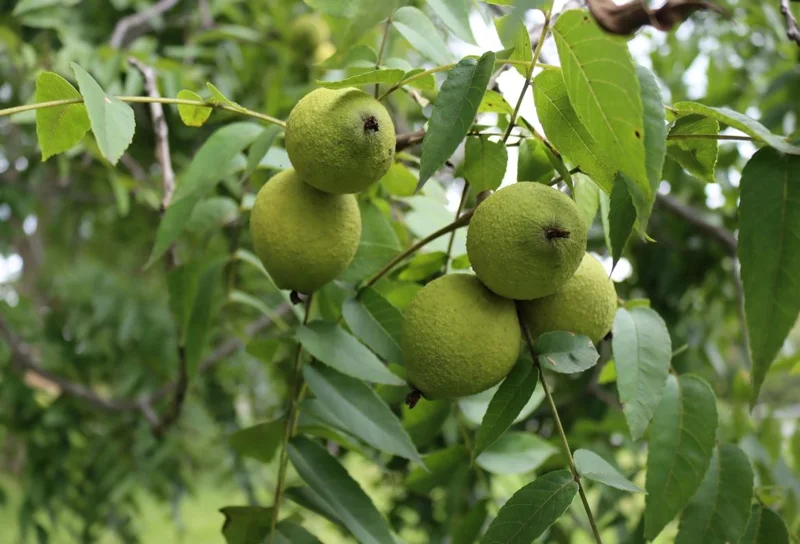
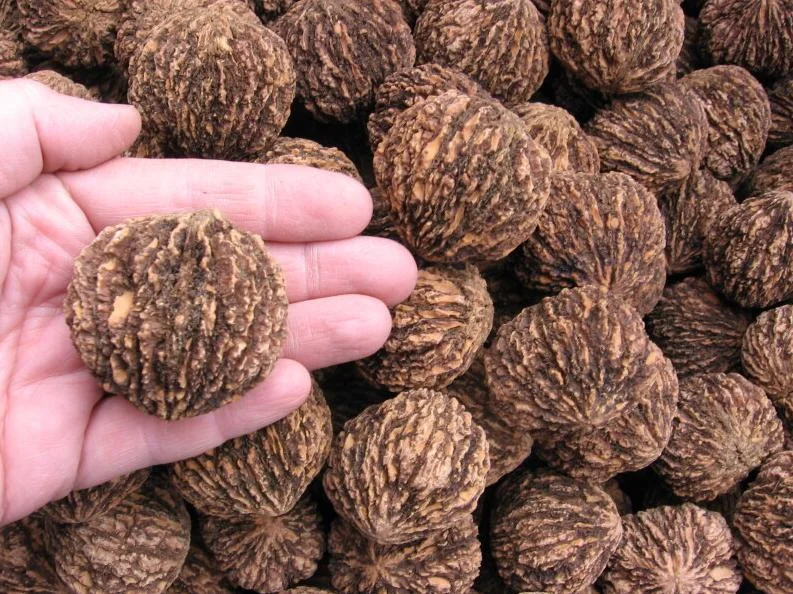
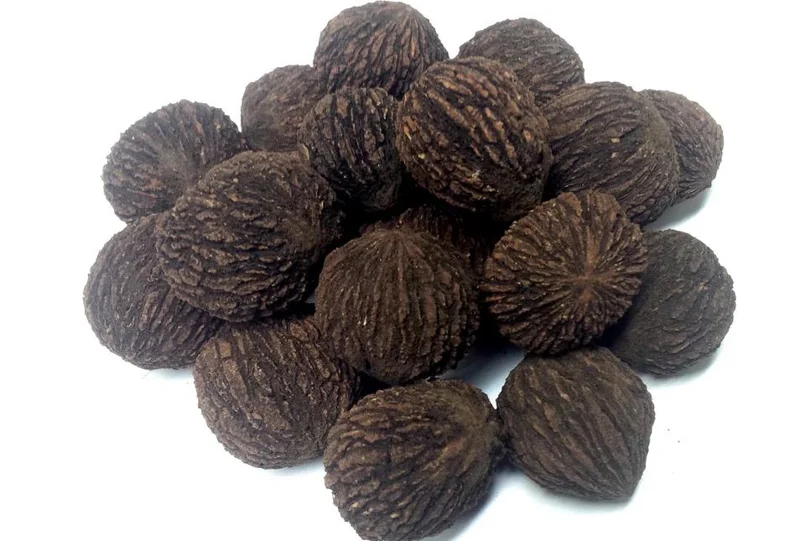
Embark on a rewarding gardening journey with our premium black walnut tree seeds. Each pack contains 20 Black Walnut Tree Seeds (Juglans nigra), offering you the opportunity to cultivate a majestic and beneficial tree. These heirloom seeds are natural and suitable for long-term growth, producing a large shade tree that can thrive in many climates across the US. Whether you’re planting for future food sources, seeking substantial shade, or contributing to reforestation efforts, the black walnut tree seeds are a fantastic choice. Known for their resilience and valuable timber, these trees are a long-term investment in your landscape and provide a sustainable source of delicious, healthy nuts for generations to come. Growing your own edible nut tree from seed is a fulfilling experience, connecting you directly with nature’s bounty.
The Black Walnut is a highly prized species, celebrated for its robust growth and the rich, earthy flavor of its nuts. These seeds are carefully selected to ensure viability and genetic purity, allowing you to establish strong, healthy trees. They are an excellent option for those interested in sustainable gardening, permaculture, or simply adding a significant, beneficial tree to their property. With proper care and patience, these seeds will mature into magnificent trees, enriching your environment and providing a yearly harvest of nutritious nuts.
Key Benefits
Cultivating black walnut tree seeds offers a multitude of advantages for both your landscape and your lifestyle:
- Produces Delicious Edible Nuts: Enjoy a bountiful harvest of high-quality, flavorful black walnuts, perfect for baking, snacking, or culinary creations. Growing your own edible nut tree provides a sustainable and healthy food source.
- Provides Substantial Shade: As they mature, Black Walnut trees develop a large, dense canopy, offering excellent shade during hot summer months, reducing energy costs, and creating comfortable outdoor spaces.
- Enhances Wildlife Habitat: These trees attract and support various wildlife, including squirrels and birds, contributing to local biodiversity and creating a vibrant ecosystem in your garden.
- Long-Lived and Low-Maintenance: Once established, Black Walnut trees are incredibly resilient and require minimal care, making them a sustainable choice for long-term landscape planning. They are a true heirloom investment.
- Valued for High-Quality Lumber: Beyond their nuts, Black Walnut trees are renowned for their dark, durable, and beautiful timber, making them a valuable asset for future generations.
- Cold Hardy and Adaptable: These seeds are suitable for many regions, able to withstand various climates, ensuring successful growth in diverse environments.
- Excellent for Reforestation: Contribute to environmental health and sustainability by planting Black Walnut trees for restoration projects, helping to rebuild forests and improve soil quality.
Plant Care & Growing Tips
Successful cultivation of black walnut tree seeds requires understanding their specific needs, particularly regarding germination and long-term care. Black Walnut seeds benefit significantly from stratification, a process that mimics natural winter conditions to break dormancy. You can achieve this by placing the seeds in a moist medium (like sand or peat moss) in a sealed bag and refrigerating them for 90-120 days. Plant the stratified seeds in early spring, about 1-2 inches deep in well-drained soil. They prefer a location with full sun exposure, meaning at least 6-8 hours of direct sunlight daily. While adaptable, consistent moisture is crucial during the initial growth phase, so water regularly, especially during dry spells, ensuring the soil remains moist but not waterlogged.
For optimal growth, black walnut tree seeds thrive in rich, deep, and well-drained soil. Avoid heavy clay or overly sandy soils. The trees are cold hardy and can tolerate a wide range of temperatures, typically performing well in USDA Hardiness Zones 4-9. Fertilize young trees sparingly with a balanced, slow-release fertilizer in their first few years to encourage strong root development. Mature trees generally do not require heavy fertilization. Protect young seedlings from pests and browsing animals. Pruning should be minimal and focused on removing dead or diseased branches to maintain a strong central leader. Patience is key when growing these heirloom tree seeds, as they are a long-term investment that will provide immense rewards for decades to come.
Size & Details
This product includes 20 fresh Black Walnut seeds (Juglans nigra) for planting. These seeds are ready for stratification and planting to begin their journey towards becoming mature trees. Black Walnut trees are known for their impressive size, typically reaching heights of 50-75 feet, with some specimens growing over 100 feet tall. They develop a broad, spreading canopy, often 50-60 feet wide, providing extensive shade. The growth rate is moderate, with young trees growing about 1-2 feet per year under ideal conditions. The first nut production usually begins when the trees are 10-15 years old, with peak production occurring after 30 years. These juglans nigra seeds will ship securely packaged to ensure safe delivery and viability.
Frequently Asked Questions
- Q: How big do Black Walnut trees get from these black walnut tree seeds? A: Black Walnut trees can grow quite large, typically reaching heights of 50-75 feet (15-23 meters) with a spread of 50-60 feet (15-18 meters) at maturity. Some exceptionally old trees can exceed 100 feet.
- Q: Is this an indoor or outdoor plant? A: Black Walnut trees are large deciduous trees meant for outdoor cultivation. They require significant space to grow and are not suitable for indoor planting.
- Q: How much sunlight do black walnut tree seeds need to grow? A: For best results, Black Walnut trees need full sun exposure, meaning at least 6-8 hours of direct sunlight per day. They can tolerate partial shade, but nut production and overall vigor may be reduced.
- Q: Is this plant easy to care for? Is it good for beginners? A: While germinating heirloom tree seeds requires stratification and patience, once established, Black Walnut trees are relatively low-maintenance. They are a good choice for beginners willing to commit to a long-term project.
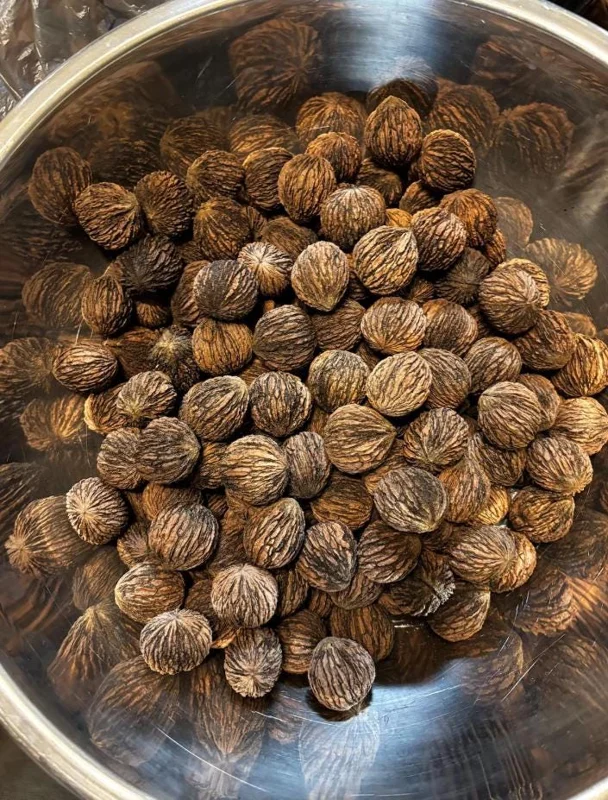
- Q: What condition will the juglans nigra seeds arrive in? A: Your 20 Black Walnut Tree Seeds will arrive fresh and securely packaged to maintain their viability, ready for stratification and planting.
- Q: How long until Black Walnut trees produce nuts? A: Black Walnut trees typically begin producing nuts around 10-15 years of age, with significant harvests usually starting after 20-30 years. It’s a long-term investment for future yields.
- Q: What USDA Hardiness Zones are suitable for growing these edible nut tree seeds? A: Black Walnut trees are quite cold hardy and thrive in USDA Hardiness Zones 4 through 9, making them suitable for a wide range of climates across the United States.
- Q: What kind of soil do Black Walnut trees prefer? A: Black Walnuts prefer deep, rich, moist, and well-drained soils. They do not perform well in shallow, dry, or excessively wet soils.
- Q: Do these black walnut tree seeds need stratification? A: Yes, stratification is highly recommended for these seeds to ensure successful germination. This process mimics natural winter conditions and breaks dormancy.
- Q: Can I grow these for lumber as well as nuts? A: Absolutely! Black Walnut is highly prized for its dark, strong, and beautiful timber, making it a dual-purpose tree for both edible nuts and valuable lumber.





Reviews
There are no reviews yet.