Overview
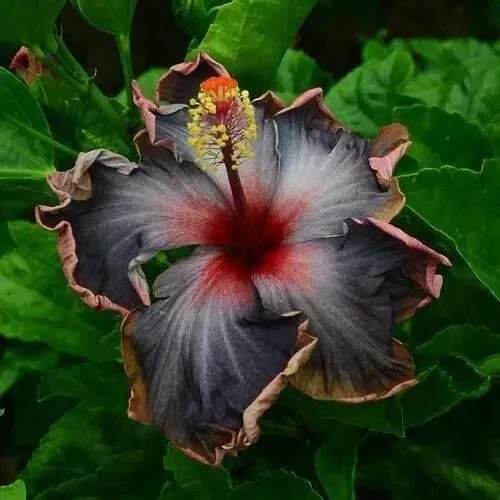
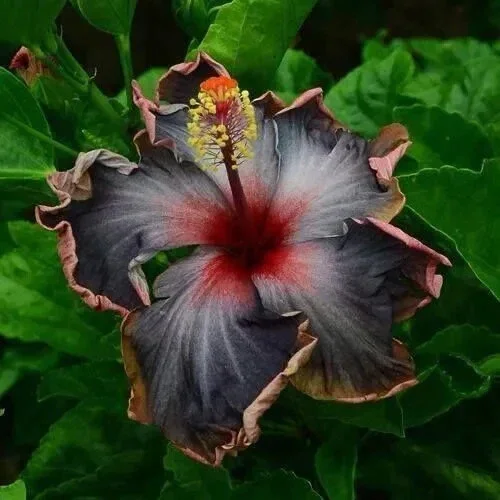
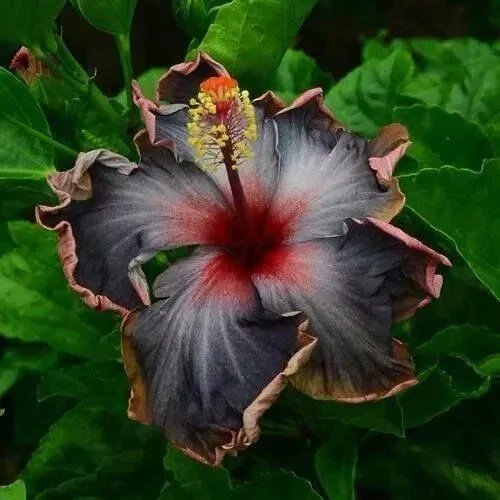
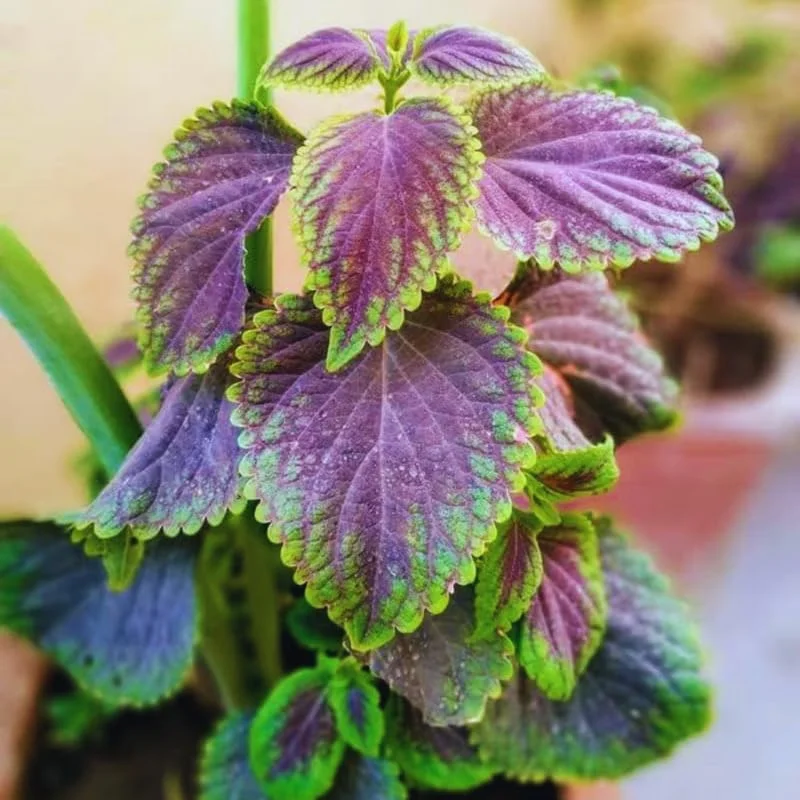
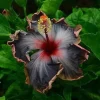
Embark on a rewarding gardening journey with our premium pack of 20 hibiscus seeds. These high-quality perennial flower seeds are carefully selected to bring a cascade of vibrant black, pink, and purple blooms to your garden or indoor spaces. Hibiscus, known for its large, showy flowers, adds an exotic touch and tropical elegance wherever it grows. Growing hibiscus seeds is a fulfilling experience, allowing you to witness the plant’s entire life cycle from a tiny seed to a magnificent flowering perennial. These seeds are suitable for a wide range of climates and can thrive in various settings, making them a popular choice for both novice and experienced gardeners looking to enhance their landscape with striking colors and lush foliage.
Our hibiscus seeds are a fantastic way to introduce long-lasting beauty to your home. The resulting plants are perennials, meaning they will return year after year, providing continuous enjoyment with minimal effort once established. Whether you’re aiming to create a colorful border, a stunning focal point, or simply enjoy fresh blooms, these seeds offer an accessible path to achieving your gardening dreams. Prepare to be captivated by the dramatic beauty of these multi-hued hibiscus flowers, transforming your environment into a vibrant oasis.
Key Benefits
Discover the numerous advantages of cultivating these exquisite hibiscus seeds. Beyond their undeniable aesthetic appeal, these perennial flowers offer several benefits that enrich your gardening experience and outdoor living spaces. Planting hibiscus flower seeds allows for greater genetic diversity and often results in more robust plants adapted to your specific growing conditions.
- Stunning Visual Appeal: Enjoy large, captivating blooms in shades of black, pink, and purple, providing a dramatic focal point in any garden or patio. These vibrant colors attract pollinators like hummingbirds and butterflies, enhancing your garden’s biodiversity.
- Perennial Growth: As a perennial hibiscus, these plants return year after year, offering consistent beauty without the need for annual replanting. This makes them a sustainable and low-maintenance choice for long-term garden planning.
- Versatile Planting: Suitable for both indoor and outdoor cultivation, these hibiscus plants can adorn garden beds, containers, or even bright indoor spaces, adapting to various design preferences. They can be grown in pots on balconies or patios.
- Easy to Grow from Seed: With proper care, these hibiscus seeds are straightforward to germinate and cultivate, making them accessible even for beginner gardeners who want to try to grow hibiscus from seed.
- Long Blooming Season: Hibiscus typically boasts a prolonged blooming period from summer into fall, ensuring a continuous display of breathtaking flowers throughout warmer months.
- Attracts Pollinators: The large, nectar-rich flowers are a magnet for beneficial pollinators, contributing to a healthier and more active garden ecosystem.
- Drought Tolerance: Once established, many hibiscus varieties show good drought tolerance, reducing the need for constant watering in certain climates.
Plant Care & Growing Tips
Successfully cultivating your hibiscus seeds into flourishing plants requires attention to a few key care guidelines. Hibiscus thrives in locations receiving full sun to medium sun, ideally at least 6 hours of direct sunlight per day. For indoor plants, a south-facing window is often best. Adequate sunlight is crucial for abundant blooming. When it comes to watering, hibiscus prefers consistently moist but not waterlogged soil. Water deeply when the top inch of soil feels dry, especially during hot weather and the blooming season. Reduce watering in cooler months or for dormant outdoor plants. Overwatering can lead to root rot, so ensuring good drainage is paramount.
The ideal soil for perennial hibiscus is a well-draining, fertile mix rich in organic matter. A blend of loam, peat, and sand provides excellent drainage while retaining necessary moisture and nutrients. The soil pH should ideally be acidic to slightly acidic for optimal growth. Fertilize your hibiscus every 2-4 weeks during the growing season (spring through fall) with a balanced, slow-release fertilizer or a liquid feed formulated for flowering plants. Avoid over-fertilizing, which can burn roots. Common problems include aphids, whiteflies, and spider mites, which can be managed with insecticidal soap or neem oil. Yellowing leaves may indicate overwatering or nutrient deficiency, while a lack of blooms often points to insufficient sunlight.
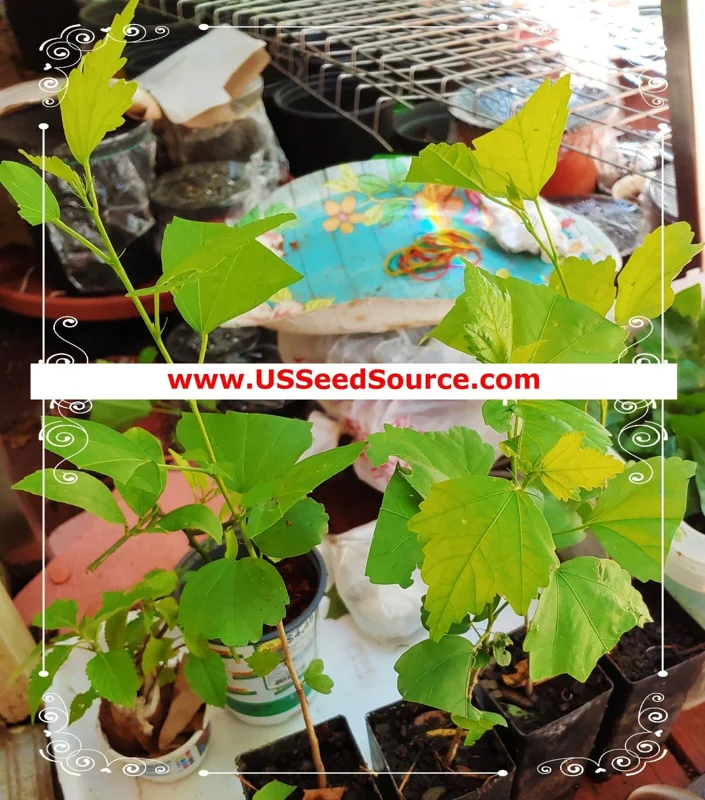
These hibiscus flower seeds are known to be very easy to cultivate, making them a great choice for gardeners of all experience levels. You can grow hibiscus from seed indoors about 4-6 weeks before the last frost date, or sow them directly outdoors after all danger of frost has passed. Maintain consistent moisture and warmth during germination. Once seedlings are established, thin them to appropriate spacing or transplant them to their final locations. Regular pruning of spent blooms (deadheading) encourages more flowers and maintains a tidy appearance. With these tips, your hibiscus plants will flourish and provide stunning blooms for years to come.
Size & Details
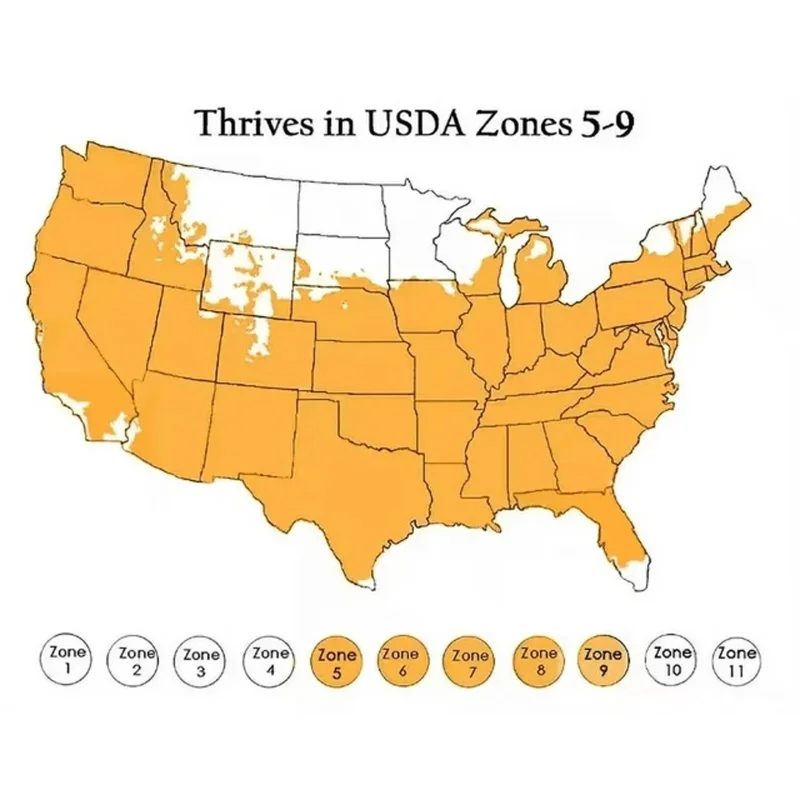
This offering includes 20 hibiscus seeds, providing ample opportunity to cultivate multiple vibrant plants. Each seed has the potential to grow into a robust perennial hibiscus plant, typically reaching a height of 3-7 feet and a spread of 2-5 feet, depending on the specific variety and growing conditions. The growth habit is generally clumping, forming a bushy and attractive structure. These seeds are harvested fresh for the current season, ensuring high germination rates and vigorous growth. They are suitable for planting in USDA zones where hibiscus thrives, typically zones 5-9 for hardy varieties, or as annuals/container plants in colder regions, brought indoors during winter.
The plants grown from these hibiscus flower seeds will produce large, trumpet-shaped blooms that can measure 4-8 inches across. While the exact timing to maturity can vary, you can typically expect your plants to begin flowering in their first or second year, with blooms appearing from summer through fall. The seeds are shipped in a protective packet to ensure their integrity upon arrival, ready for immediate planting. With proper care and optimal growing conditions, these hibiscus seeds will transform into a magnificent display of color, adding significant beauty and value to your garden space.
Frequently Asked Questions
- Q: How big does this plant get? A: A: When fully grown, these perennial hibiscus plants typically reach a height of 3 to 7 feet with a spread of 2 to 5 feet, depending on the specific variety and growing conditions. They form an attractive, clumping bushy habit.
- Q: Is this an indoor or outdoor plant? A: This hibiscus variety is versatile and can be grown both indoors and outdoors. Outdoors, it thrives in garden beds and containers. Indoors, it needs a bright location with plenty of sunlight.
- Q: How much sunlight does it need? A: For optimal growth and blooming, your hibiscus plant requires full sun to medium sun, meaning at least 6 hours of direct sunlight per day. Insufficient light can lead to fewer blooms.
- Q: Is this plant easy to care for? A: Yes, these hibiscus seeds are considered very easy to cultivate. With proper watering, sunlight, and well-draining soil, even beginner gardeners can successfully grow hibiscus from seed and enjoy beautiful blooms.
- Q: What condition will it arrive in? A: Your hibiscus seeds will arrive in a protective packet, ensuring they are fresh and ready for planting. We prioritize careful packaging to maintain seed viability during transit.
- Q: How long until it blooms? A: Hibiscus plants grown from seed typically begin to bloom in their first or second year. The blooming season usually extends from summer through fall, providing a long period of vibrant color.
- Q: When is the best time to plant these hibiscus seeds? A: You can sow these hibiscus flower seeds indoors 4-6 weeks before the last expected frost date, or directly outdoors after all danger of frost has passed in your region.
- Q: What type of soil is best for planting hibiscus seeds? A: Hibiscus prefers well-draining, fertile soil rich in organic matter. A good mix would include loam, peat, and sand to ensure adequate drainage and nutrient retention.
- Q: Will it survive winter in my zone? A: These are perennial hibiscus seeds, meaning the plants are designed to return annually. Their winter hardiness depends on your specific USDA zone. In colder zones, they may die back to the ground and re-emerge in spring, or they can be brought indoors as potted plants.
- Q: How often should I water my hibiscus plant? A: Water your hibiscus deeply when the top inch of soil feels dry to the touch. Ensure the soil remains consistently moist but never waterlogged, especially during active growth and blooming periods.




Reviews
There are no reviews yet.