Overview
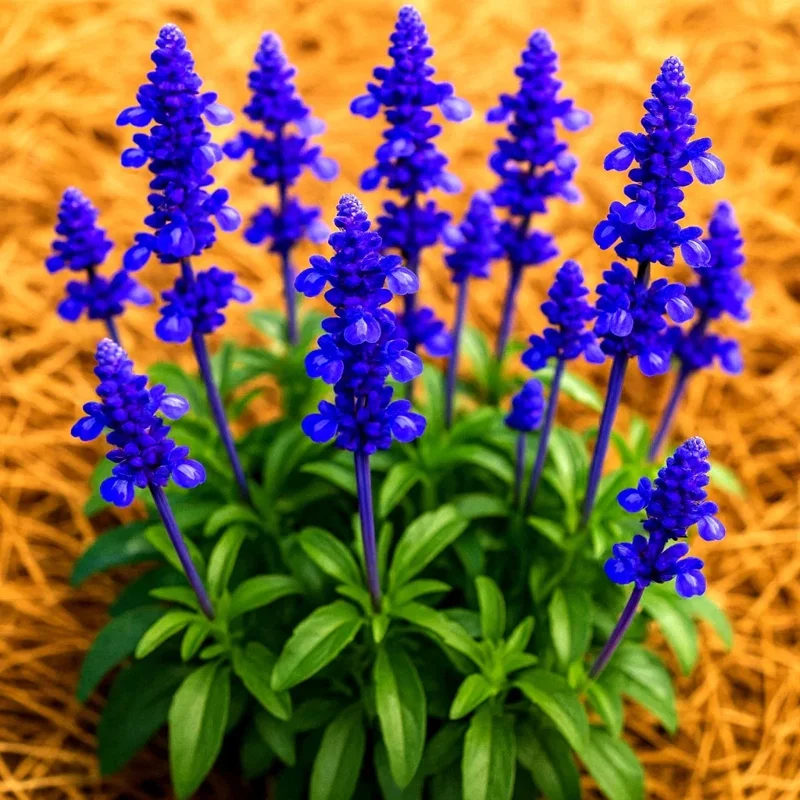
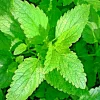
Cultivate a vibrant and functional garden with over 200 high-quality blue sage seeds. This heirloom perennial herb, scientifically known as Salvia Officinalis, is a cherished plant for its striking blue and green foliage, delicate flowers, and numerous practical benefits. Originating from the United States, these seeds promise a robust and easy-to-grow plant that thrives outdoors. Whether you’re looking to enhance your garden’s aesthetic appeal or seeking a natural solution for pests, growing blue sage offers a delightful experience. These seeds are open-pollinating and non-GMO, ensuring you can save seeds for future plantings and maintain the purity of this wonderful variety. Embrace the joy of gardening with these versatile and rewarding perennial herb seeds.
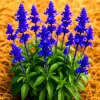
Blue sage is not just a beautiful ornamental; it’s also a powerful ally in the garden. Its aromatic leaves are well-known for their natural insect-repelling qualities, making it an excellent choice for planting near patios or outdoor living spaces. The clumping growth habit of this sage variety adds texture and interest to garden beds and containers, while its vibrant blue flowers attract beneficial pollinators like bees and butterflies, contributing to a healthier ecosystem. Experience the satisfaction of nurturing a plant that offers both visual charm and practical advantages for your outdoor space. These salvia officinalis seeds are a fantastic starting point for any gardener.
Key Benefits
Adding blue sage to your garden brings a multitude of advantages, from its aesthetic appeal to its functional properties. Here are some of the key benefits you can expect:
- Natural Insect Repellent: Blue sage is highly effective as a mosquito repellent plant, helping to keep your outdoor areas more enjoyable without harsh chemicals.
- Attracts Pollinators: The beautiful blue flowers are a magnet for bees, butterflies, and other beneficial pollinators, supporting local biodiversity and improving garden health.
- Heirloom & Non-GMO: These heirloom perennial herb seeds ensure genetic purity, allowing you to save seeds for future generations and grow plants free from genetic modification.
- Easy to Grow: With an ‘Easy’ cultivating difficulty, these seeds are perfect for both novice and experienced gardeners, requiring minimal effort for successful growth.
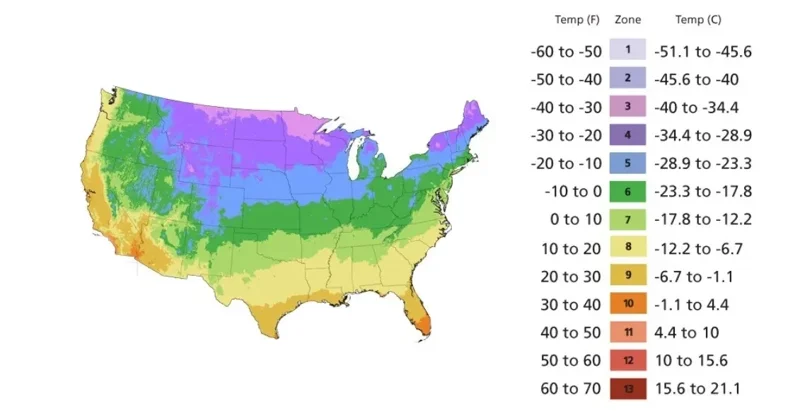
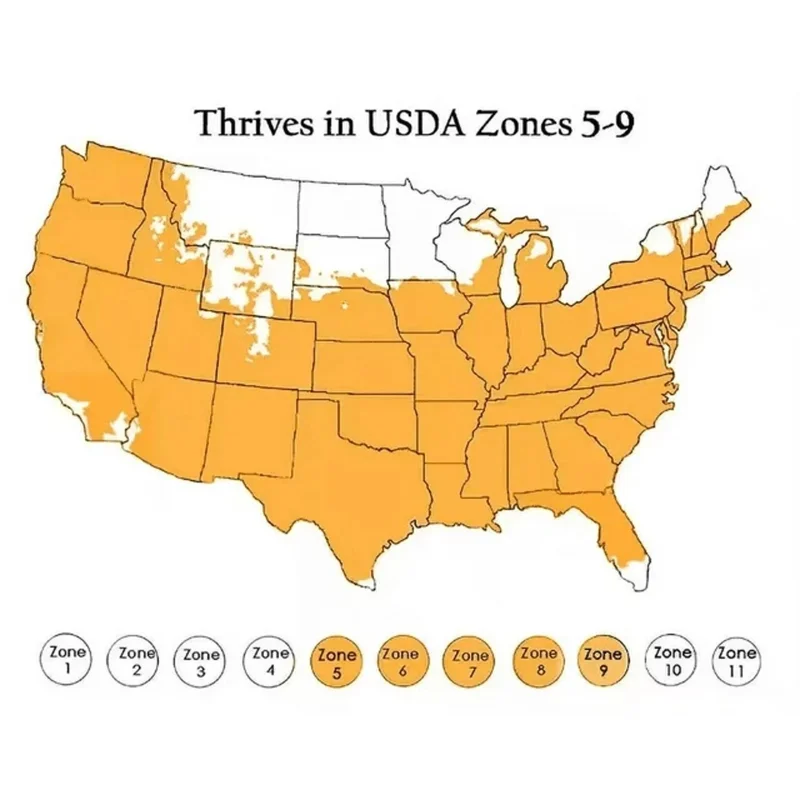
- Drought Tolerant & Cold Resistant: Once established, blue sage is resilient to varied climates, including dry conditions and cold temperatures down to USDA Zone 5.
- Edible & Aromatic: The leaves of blue sage can be used in culinary applications, adding a unique flavor to dishes, and emit a pleasant aroma that enhances your garden environment.
- Deer Resistant: Its strong scent and flavor typically deter deer, protecting your garden from common browsing damage.
Plant Care & Growing Tips
Cultivating blue sage seeds is a rewarding experience, especially when you follow these essential care guidelines to ensure healthy and vigorous growth. This perennial herb thrives outdoors and is quite forgiving, making it a great choice for many gardeners. For optimal growth, start your salvia officinalis seeds indoors about 6-8 weeks before the last frost, or direct sow them outdoors after all danger of frost has passed. Plant seeds about 1/4 inch deep in well-draining soil and keep consistently moist until germination, which typically occurs within 2 weeks.
Once established, blue sage prefers full sun exposure, meaning at least 6 hours of direct sunlight per day. It can tolerate partial shade, but flowering and overall vigor may be reduced. The ideal soil type is a neutral pH loam, though it can adapt to clay, peat, sand, and silt soils as long as drainage is good. Avoid overly wet conditions, as this can lead to root rot. Watering should be medium; allow the top inch or two of soil to dry out between waterings. Blue sage is cold resistant and hardy in USDA zones 5 to 10, meaning it can withstand winter temperatures down to -20°F.
Fertilization is generally not heavily required for this robust herb. A balanced, slow-release granular fertilizer applied once in spring can support healthy growth. Pruning spent flower stalks will encourage more blooms and maintain a tidy appearance. Common problems are few, but watch out for powdery mildew in humid conditions or spider mites in very dry, hot weather. Ensuring good air circulation and proper watering can prevent most issues. By following these tips, you’ll successfully grow blue sage that provides beauty and natural pest control throughout the seasons.
Size & Details
This offering includes over 200 blue sage seeds, providing an ample supply for establishing a thriving patch of this beneficial herb. Each seed is heirloom, non-GMO, and open-pollinating, ensuring high quality and the ability to save future seeds. When mature, blue sage typically forms a clumping growth habit, reaching an average height of 18-36 inches and a similar spread. The plants are robust and fast-growing, quickly filling out garden spaces. They are ideal for container gardening, herb gardens, or as a border plant in perennial beds. Expect vibrant blue flowers to appear from spring through summer, continuing into the fall, providing continuous interest and a source of nectar for pollinators. These perennial herb seeds are ready to be planted and begin their journey in your garden.
Frequently Asked Questions
- Q: How many blue sage seeds are included in this pack? A: This pack contains over 200 blue sage seeds, providing a generous quantity for planting a significant area or for multiple seasons of gardening.
- Q: Is blue sage considered an indoor or outdoor plant? A: Blue sage seeds are best suited for outdoor cultivation. While young seedlings can be started indoors, the mature plants thrive in garden beds, containers, and other outdoor environments.
- Q: How much sunlight does blue sage need to grow well? A: Blue sage prefers full sun, requiring at least 6 hours of direct sunlight daily for optimal growth and flowering. Partial shade is tolerated but may result in fewer blooms.
- Q: Is this plant easy to care for, especially for beginners? A: Yes, blue sage is known for its ‘Easy’ cultivating difficulty, making it an excellent choice for gardeners of all experience levels. It’s a relatively low-maintenance perennial herb seeds option.
- Q: Can I use blue sage in cooking? A: Yes, the leaves of salvia officinalis seeds can be used in various culinary applications, similar to common garden sage, adding an aromatic and slightly peppery flavor to dishes.
- Q: When is the best time to plant blue sage seeds? A: The best time to plant blue sage seeds is in early spring after the last frost date for your region, or you can start them indoors 6-8 weeks prior to transplanting.
- Q: Will blue sage help repel mosquitoes? A: Absolutely. Blue sage is well-regarded as a natural mosquito repellent plant. Its aromatic foliage releases compounds that deter mosquitoes and other common garden pests.
- Q: What USDA Hardiness Zone is blue sage suitable for? A: Blue sage is hardy in USDA Hardiness Zones 5 to 10, meaning it can tolerate a wide range of winter temperatures.
- Q: What type of soil does blue sage prefer? A: This herb prefers well-draining soil with a neutral pH. It can adapt to various soil types, including loam, clay, peat, sand, and silt, as long as drainage is adequate.





Reviews
There are no reviews yet.