Overview
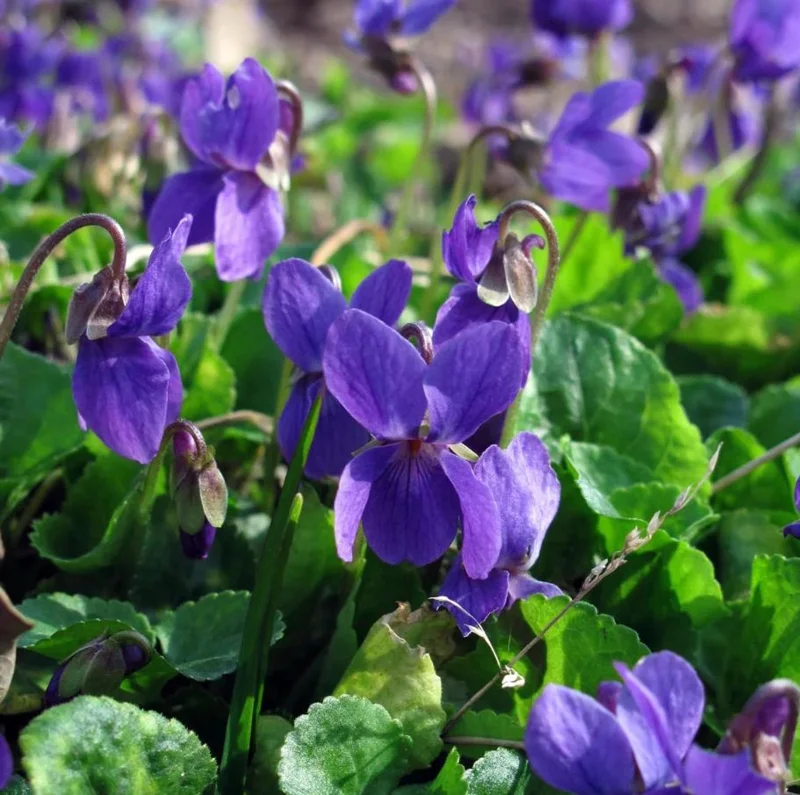
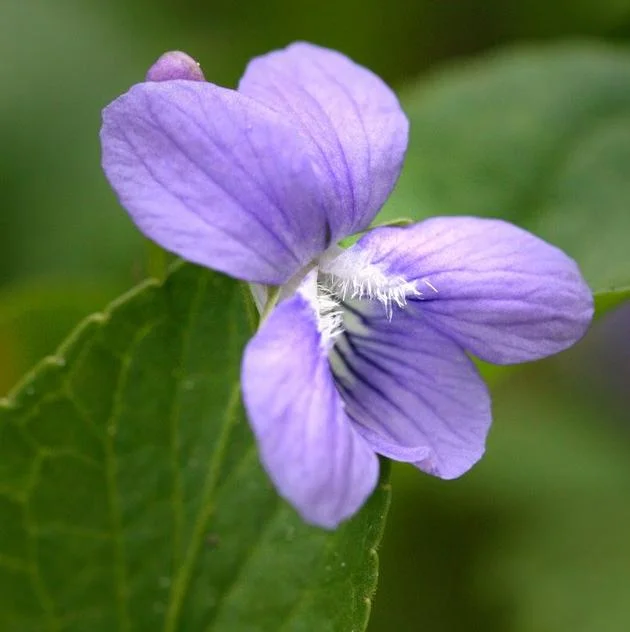
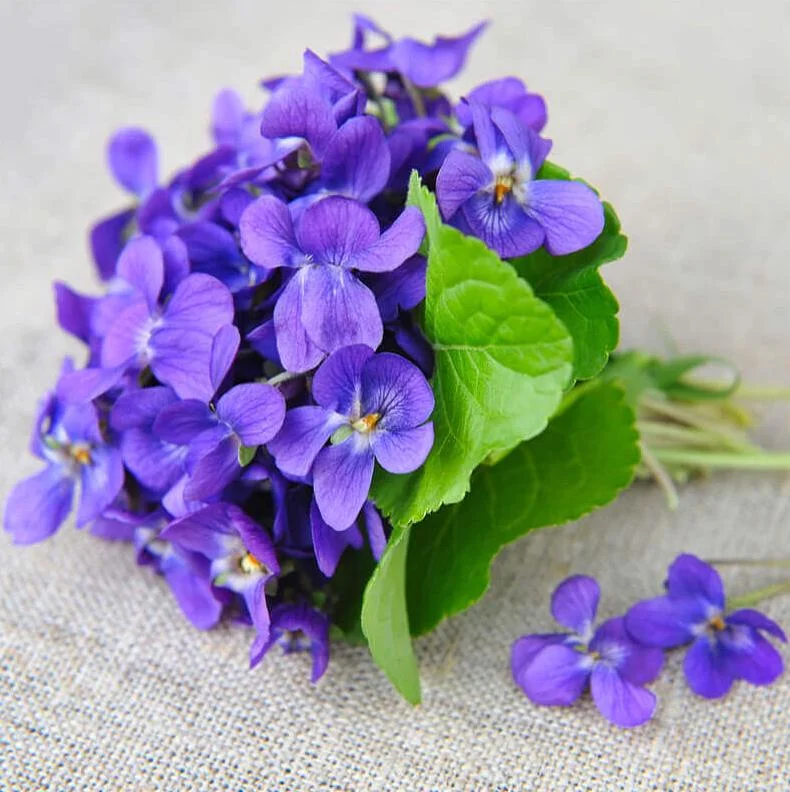
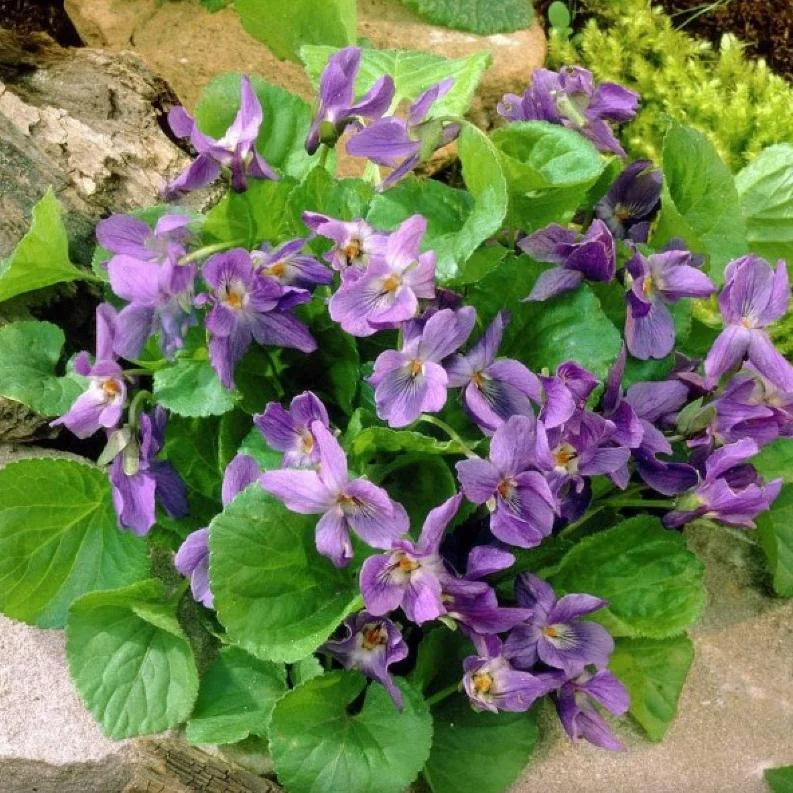
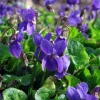
Transform your garden with these beautiful Common Blue Violet seeds. Known botanically as Viola sororia (and sometimes referred to as Viola papilionacea), these resilient perennial flowers are cherished for their vibrant blue-purple blooms and heart-shaped foliage. Perfect for naturalizing, woodland gardens, or as an attractive ground cover, Viola sororia seeds offer an easy way to establish a charming, low-maintenance display. These native wildflowers bring a touch of serene beauty to any landscape, thriving particularly well in dappled light and moist soil conditions.
Growing Common Blue Violet seeds from scratch allows you to experience the full life cycle of this delightful plant. With a little patience, you’ll be rewarded with a carpet of lush green leaves and cheerful flowers that emerge in spring. They are incredibly versatile, adapting to various garden styles from formal beds to wild, naturalized areas. The delicate blossoms not only add visual appeal but also attract pollinators, contributing to a healthy garden ecosystem.
Key Benefits
Introducing Common Blue Violet seeds into your garden offers numerous advantages, contributing to both its aesthetic and ecological health. These adaptable plants are a fantastic choice for many gardeners.
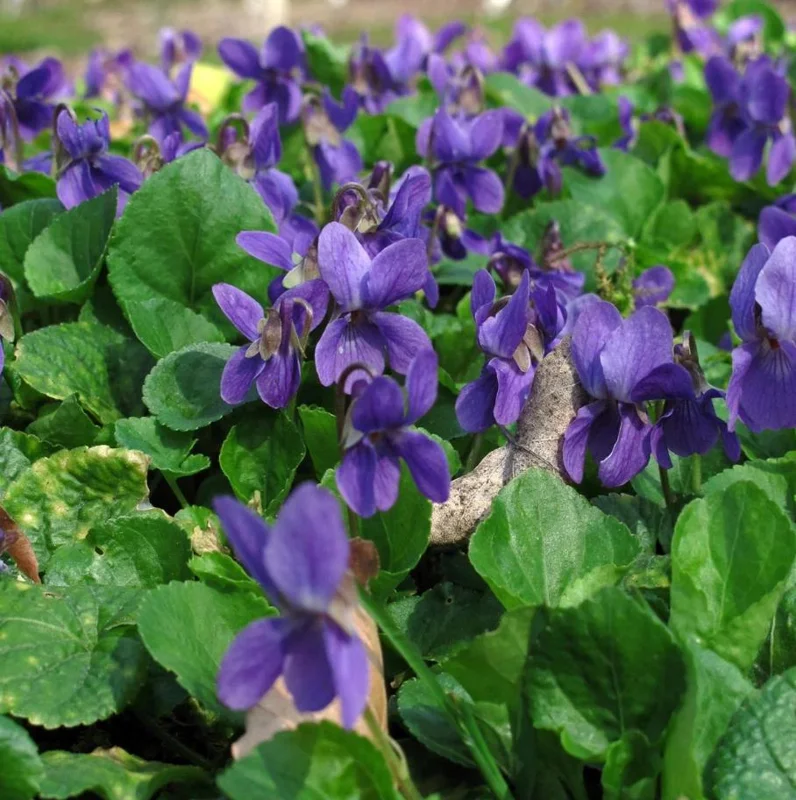
- Beautiful Ground Cover: These violets spread readily, forming an attractive, dense carpet of foliage and flowers, effectively suppressing weeds and reducing maintenance in shaded areas. They are an excellent choice for naturalizing forgotten corners or under trees.
- Early Spring Blooms: Enjoy a burst of color early in the growing season. The charming blue-purple flowers are among the first to appear, signaling the arrival of spring and providing a vital nectar source for early pollinators.
- Low Maintenance & Resilient: Once established, Viola sororia seeds produce plants that are incredibly hardy and require minimal care. They are tolerant of various soil conditions and are known for their ability to self-seed, ensuring a continuous presence in your garden year after year.
- Attracts Pollinators: The flowers are a valuable food source for early bees and other beneficial insects, supporting local biodiversity and enhancing the health of your garden ecosystem. They are a welcome addition to any pollinator-friendly landscape.
- Shade Loving: Unlike many flowering plants, Common Blue Violet seeds thrive in partial to full shade, making them perfect for those challenging spots in your garden where other plants struggle. They bring life and color to dimly lit areas.
Plant Care & Growing Tips
Cultivating Common Blue Violet seeds requires understanding their natural dormancy and preferred growing conditions to ensure successful germination and robust growth. The key to success lies in mimicking their natural environment. Start by cold stratifying your Viola sororia seeds for 30-60 days in a refrigerator with moist sand or peat moss. This process helps to break their dormancy, preparing them for germination once planted.
When it comes to sowing, the best time is either in fall or early spring. Choose a location that offers partial to full shade, as these plants prefer dappled light conditions rather than intense direct sun. The ideal soil should be well-draining, consistently moist, and rich in humus. Sow the Common Blue Violet seeds on the surface or lightly press them into the soil, as they require some light for germination. Keep the soil consistently moist but never waterlogged. Germination can take 1-2 months, or sometimes longer, so patience is essential. Once seedlings emerge, thin them to 6-12 inches apart to allow for proper air circulation and prevent overcrowding. Regular watering, especially during dry periods, will help your violets thrive. Remember that grow blue violets self-seed prolifically, so be mindful of their spread if you wish to contain them.
Size & Details
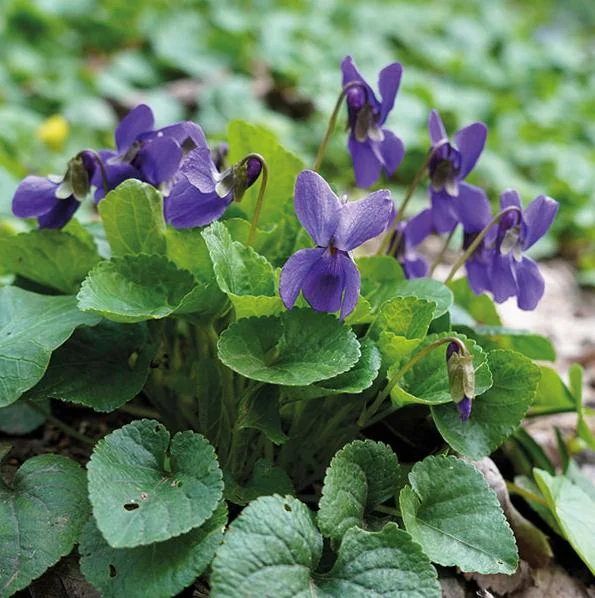
This packet contains 25 Common Blue Violet seeds (Viola sororia), ready for planting in your garden. Once established, these perennial plants typically grow to a height of 4-8 inches and spread outwards to form dense clumps, making them an excellent choice for ground cover. The growth rate is moderate, and plants will begin to establish well within their first season, often blooming in the spring of their second year from seed. Each seed is carefully selected to ensure viability and robust growth, helping you successfully grow blue violets in your chosen location.
The seeds are shipped in a protective packet, ensuring they arrive in optimal condition for stratification and planting. These violets are known for their ability to naturalize and spread through self-seeding, creating a beautiful, low-maintenance landscape over time. They are particularly effective in woodland settings or under deciduous trees where they can receive spring sunlight before the canopy fills in.
Frequently Asked Questions
- Q: How big does this plant get? A: Common Blue Violet plants typically grow 4-8 inches tall and spread to form a dense ground cover, making them perfect for naturalized areas and borders.
- Q: Is this an indoor or outdoor plant? A: These are primarily outdoor plants, ideal for gardens, woodlands, and naturalized areas. They thrive in partially to fully shaded outdoor environments.
- Q: How much sunlight does it need? A: Viola sororia seeds will produce plants that prefer partial shade to full shade. Too much direct sun can scorch their leaves, especially in warmer climates.
- Q: Is this plant easy to care for? Is it good for beginners? A: Yes, once established, Common Blue Violets are very easy to care for and are an excellent choice for beginners, especially if you’re looking for a low-maintenance ground cover.
- Q: What condition will the seeds arrive in? A: Your Common Blue Violet seeds will arrive in a protective packet, ready for cold stratification and planting.
- Q: How long until it blooms? A: From seed, Viola sororia typically blooms in the spring of its second year. The first year focuses on establishing a strong root system and foliage.
- Q: When is the best time to plant these seeds? A: It’s best to sow these shade garden seeds in the fall or early spring after they have undergone a period of cold stratification.
- Q: Will it survive winter in my zone? A: Common Blue Violets are hardy perennials and are generally resilient in a wide range of climates, typically thriving in USDA zones 3-9.
- Q: What is cold stratification and why is it needed? A: Cold stratification mimics winter conditions, breaking the natural dormancy of perennial flower seeds like Viola sororia and preparing them for germination.
- Q: Can I use these for a native plant garden? A: Absolutely! Common Blue Violets are native to much of North America and are an excellent addition to native plant gardens, supporting local wildlife.





Reviews
There are no reviews yet.