Overview
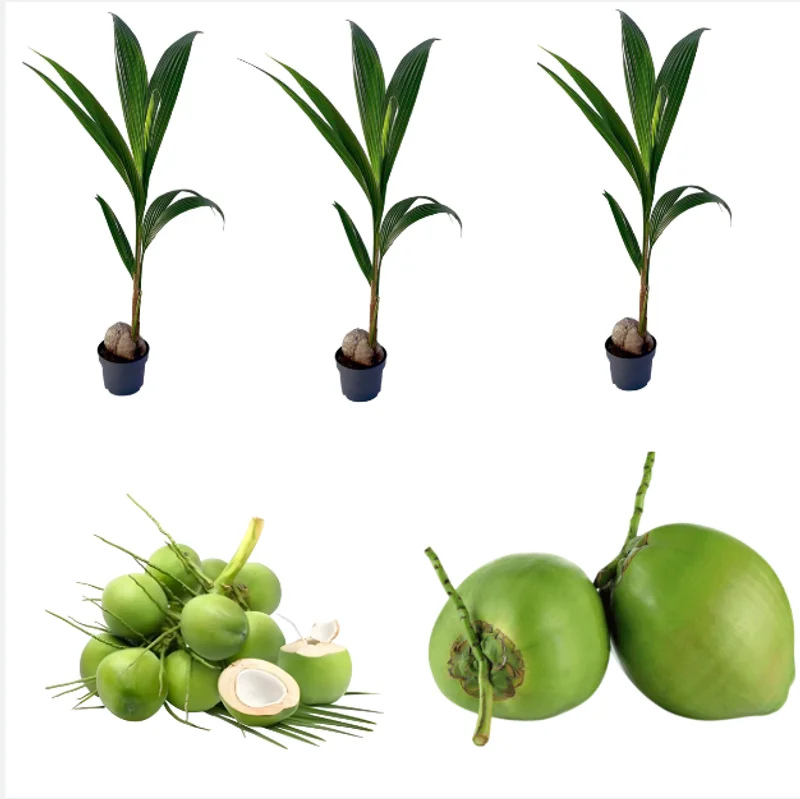
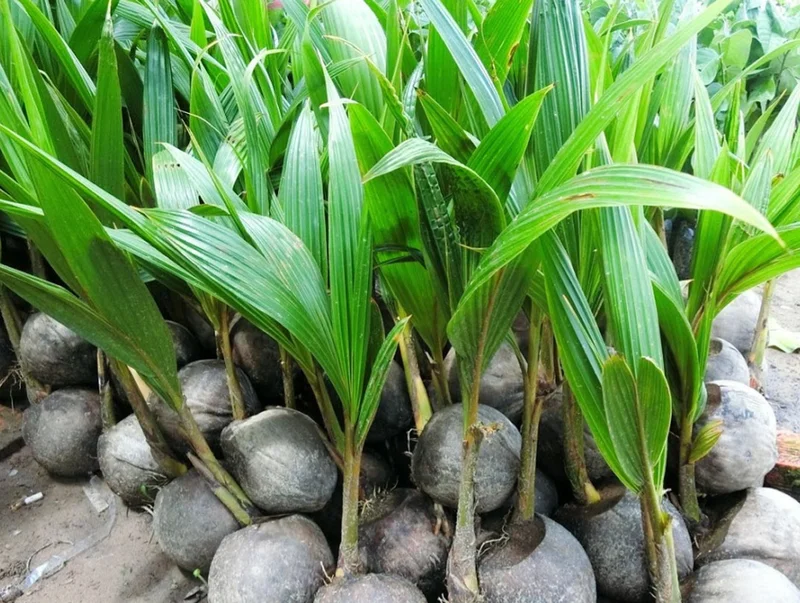
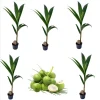
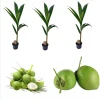
Transform your landscape with this exceptional offering of a dwarf malayan coconut live plant. This package includes three robust, live coconut plants, each standing approximately 6-8 inches tall and featuring well-established root systems, preparing them for immediate transplanting into your garden or a larger container. The Dwarf Malayan variety, known for its resilience and prolific fruiting, is a popular choice for those looking to cultivate their own tropical fruits. These trees are not only productive, yielding large green coconuts, but also add significant aesthetic value to any outdoor space with their graceful fronds and sturdy trunks. Ideal for warmer climates, these plants are a fantastic addition for both seasoned gardeners and enthusiastic beginners, eager to experience the joy of growing dwarf coconut trees.
The dwarf malayan coconut live plant is celebrated for its manageable size, making it suitable for a variety of garden designs without overwhelming the space. Unlike taller varieties, the Dwarf Malayan begins producing fruit at a younger age and at a height that is easier to harvest. Its vibrant green foliage provides a lush, tropical feel, evoking images of exotic beaches and serene getaways. These plants are grown with care to ensure they arrive healthy and ready to thrive in their new home, promising years of enjoyment and delicious harvests from your very own green coconut plant.
Key Benefits
Investing in a dwarf malayan coconut live plant brings a multitude of advantages to your home and garden. These trees offer both practical benefits and aesthetic appeal, enhancing your outdoor living experience.
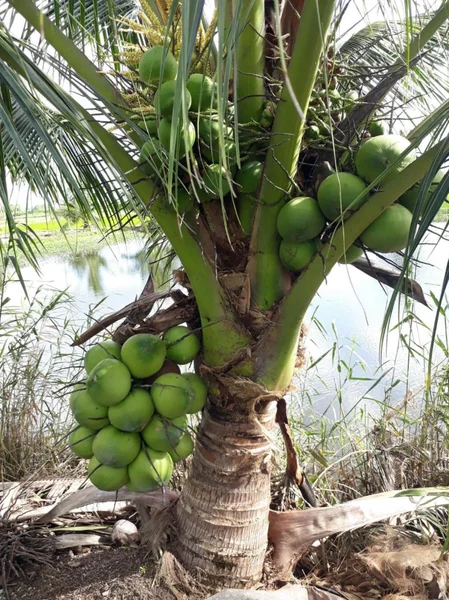
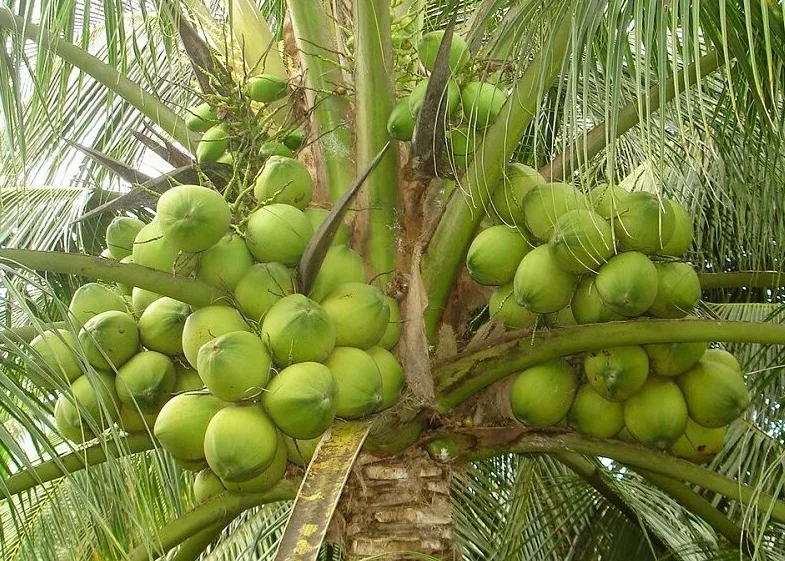
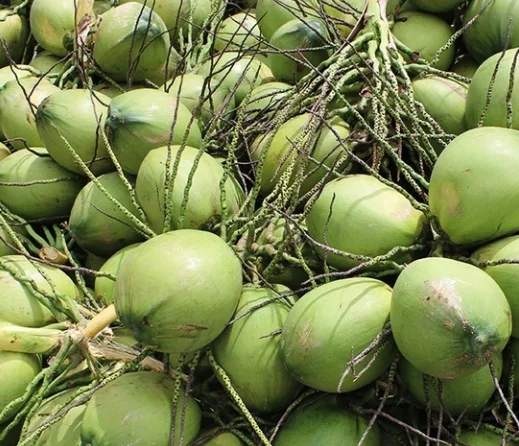
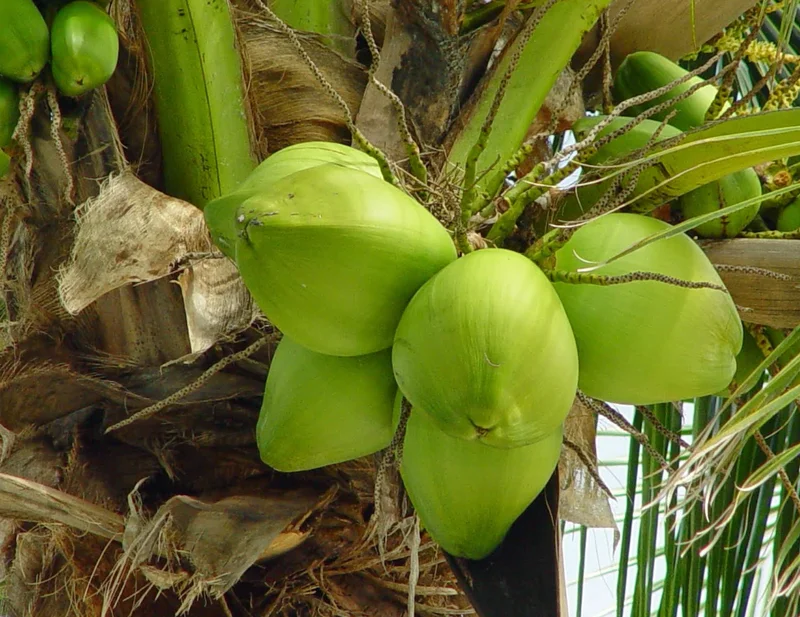
- Delicious, Large Coconuts: Enjoy a steady supply of fresh, large green coconuts directly from your own garden. The Dwarf Malayan variety is known for its sweet water and tender meat, perfect for culinary uses or refreshing drinks. Cultivating your own dwarf malayan coconut live plant ensures a fresh, organic supply.
- Tropical Aesthetic Appeal: Enhance your landscape with the iconic, swaying fronds of a coconut tree. These plants instantly create a resort-like atmosphere, adding beauty and a sense of tranquility to any outdoor area.
- Cold Hardy Nature: The cold hardy coconut tree is more tolerant of cooler temperatures than many other coconut varieties, extending its growing range and making it a viable option for a broader range of climates within USDA zones 9-11.
- Manageable Growth Habit: As a dwarf variety, these trees remain at a more accessible height, simplifying harvesting and general care compared to their towering counterparts. This also makes them suitable for smaller garden spaces, making growing dwarf coconut trees a practical choice.
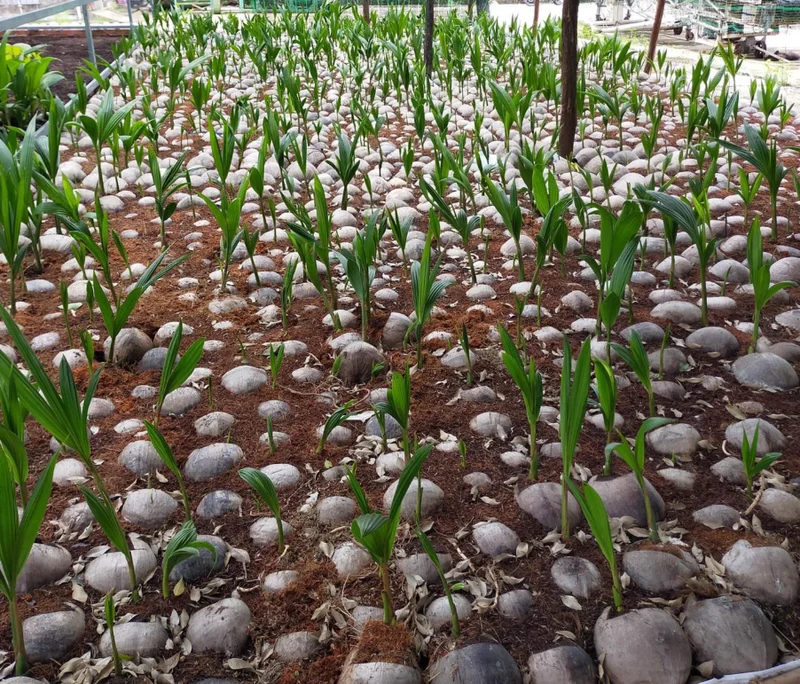
- Well-Rooted for Easy Transplant: Each plant arrives with a strong, healthy root system, ensuring a high success rate when transplanting. This robust foundation helps the plant quickly establish itself in its new environment.
- Sustainable & Rewarding Hobby: Growing your own fruit is a deeply satisfying experience. These plants offer a sustainable source of fresh produce and a rewarding gardening endeavor.
- Air Purification Benefits: Like many plants, coconut trees contribute to air purification, helping to improve the air quality around your home, adding to the benefits of having a green coconut plant.
Plant Care & Growing Tips
Caring for your dwarf malayan coconut live plant is straightforward, especially when provided with the right conditions. These tropical trees thrive in environments that mimic their native habitats. For optimal growth, ensure your plants receive full sunlight, ideally 6-8 hours of direct sun per day. They are best suited for outdoor planting in USDA Zones 9-11, where temperatures rarely drop below freezing. If you’re in a cooler zone, consider growing them in large containers that can be moved indoors during winter months, though their potential for large fruit production may be limited.
When it comes to soil, the malayan coconut tree care regimen emphasizes well-drained soil. A sandy loam mixture is ideal, allowing water to pass through freely while retaining essential nutrients. Avoid heavy, clay soils that can become waterlogged, as this can lead to root rot. Regular watering is crucial, especially during the early growth stages to help establish a strong root system. Once mature, growing dwarf coconut trees are relatively drought-tolerant but will benefit from consistent moisture during dry periods. Fertilize every 3-4 months with a balanced, slow-release fertilizer formulated for tropical fruit trees, ensuring it contains micronutrients like magnesium and boron.
Protect your young dwarf malayan coconut live plant from strong winds, which can damage their tender fronds. While they are a cold hardy coconut tree, prolonged exposure to temperatures below 40°F (4°C) can cause damage. If a cold snap is expected, cover young trees or provide temporary heating. Pruning is generally minimal, focusing on removing old, yellowing fronds. Keep the area around the base of the tree clear of weeds and grass to reduce competition for nutrients and moisture. With proper care, your green coconut plant will flourish and provide you with a bountiful harvest.
Size & Details
This offering includes three individual dwarf malayan coconut live plant specimens, each approximately 6-8 inches in height from the base of the plant to the tip of the tallest frond. These plants are shipped well-rooted, typically in a small nursery pot or with their root ball carefully wrapped, ready for immediate transplanting. The Dwarf Malayan variety is known for its relatively fast growth rate in ideal conditions, often beginning to fruit within 5-7 years. Mature trees can reach heights of 20-30 feet, making them a manageable size for residential landscapes, especially when compared to standard coconut varieties that can exceed 80 feet. Each plant is cultivated to ensure a healthy start, promising robust development once established in your garden and contributing to successful growing dwarf coconut.
Frequently Asked Questions
- Q: How big does this plant get? A: The dwarf malayan coconut live plant typically grows to a mature height of 20-30 feet, which is considerably smaller than traditional coconut trees, making it ideal for home gardens.
- Q: Is this an indoor or outdoor plant? A: These are primarily outdoor plants, thriving in full sun in USDA Hardiness Zones 9-11. While young plants can be kept indoors temporarily, they require significant light and space to flourish and produce fruit.
- Q: How much sunlight does it need? A: For optimal growth and fruit production, your malayan coconut tree care requires at least 6-8 hours of direct sunlight per day.
- Q: Is this plant easy to care for? A: Once established, the cold hardy coconut tree is relatively low-maintenance. The most critical factors are ensuring proper sunlight, well-draining soil, and consistent watering, especially when young.
- Q: What condition will it arrive in? A: You will receive three live, well-rooted plants, approximately 6-8 inches tall, shipped carefully to ensure they arrive healthy and ready for transplanting.
- Q: When is the best time to plant? A: The best time for growing dwarf coconut plants is during the warmer months of spring or early summer, allowing them ample time to establish before cooler temperatures.
- Q: Will it survive winter in my zone? A: These are a cold hardy coconut tree, but they are only reliably hardy in USDA Zones 9-11. In cooler zones, they must be protected from frost or grown in containers and moved indoors during winter.
- Q: What type of soil is best for these plants? A: A well-draining, sandy loam soil is ideal. Avoid heavy clay soils that retain too much moisture, as this can lead to root issues.
- Q: How long until it produces fruit? A: With proper care and optimal conditions, a dwarf malayan coconut live plant can begin producing fruit within 5-7 years of planting.
- Q: Can I grow this plant in a pot? A: Yes, you can grow a green coconut plant in a large container, especially in cooler climates, but it will require a very large pot and may have limited fruit production compared to being planted in the ground.




Reviews
There are no reviews yet.