Overview
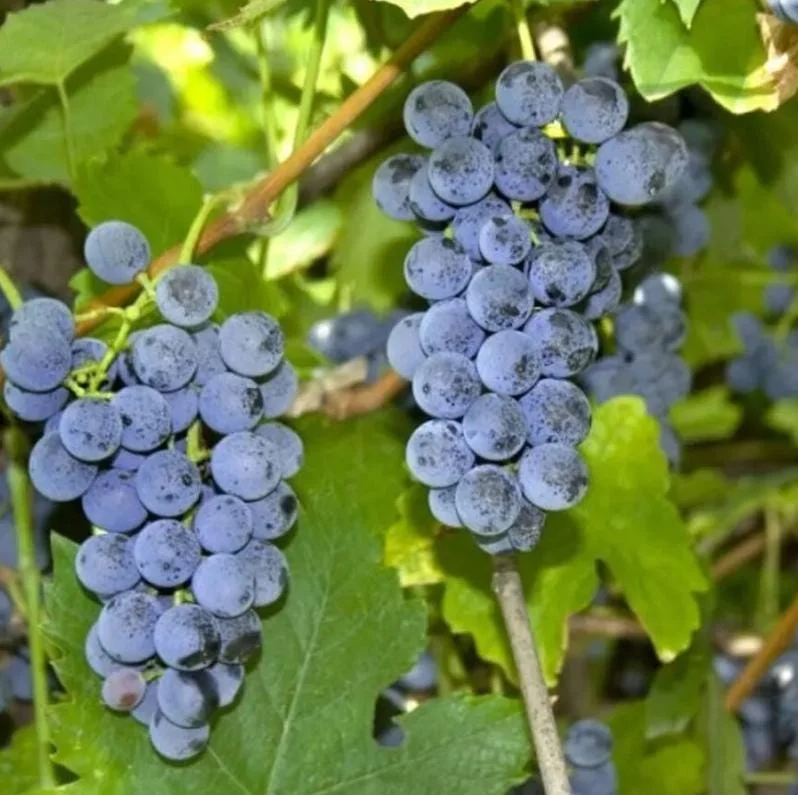
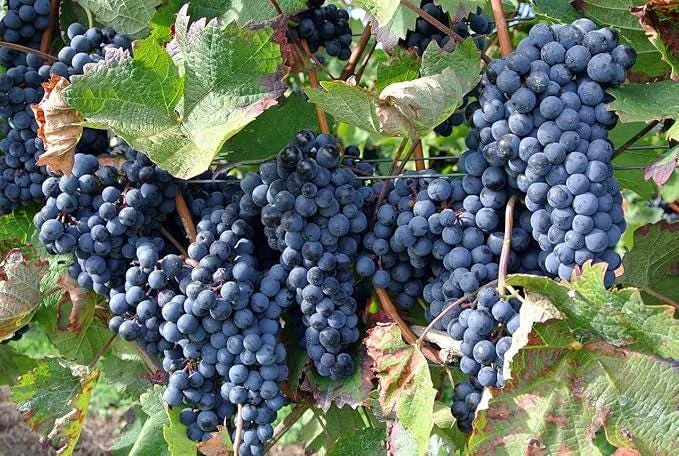
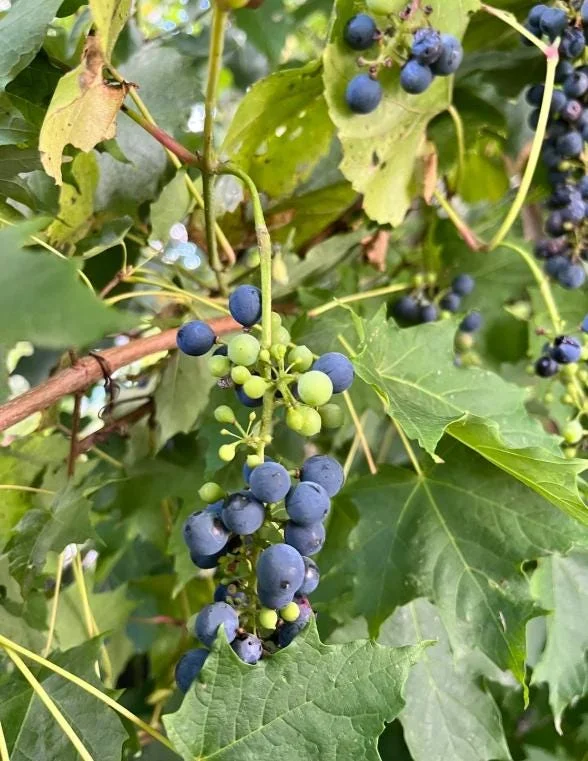
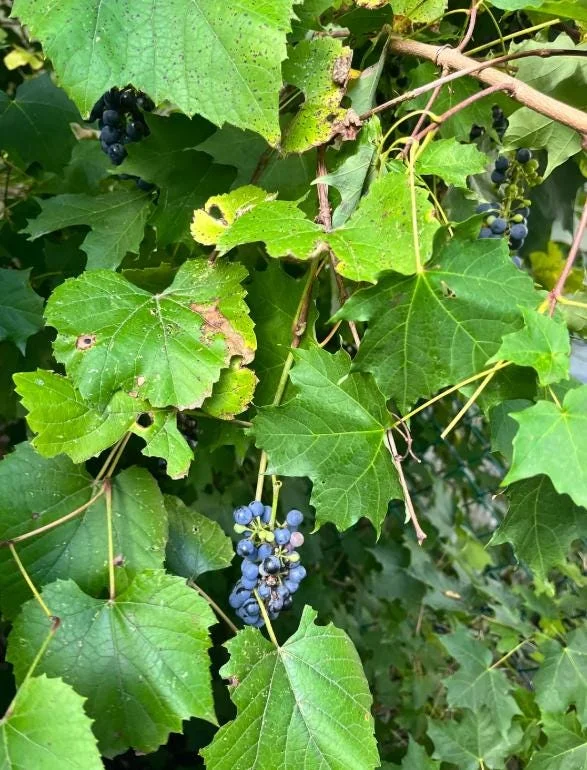
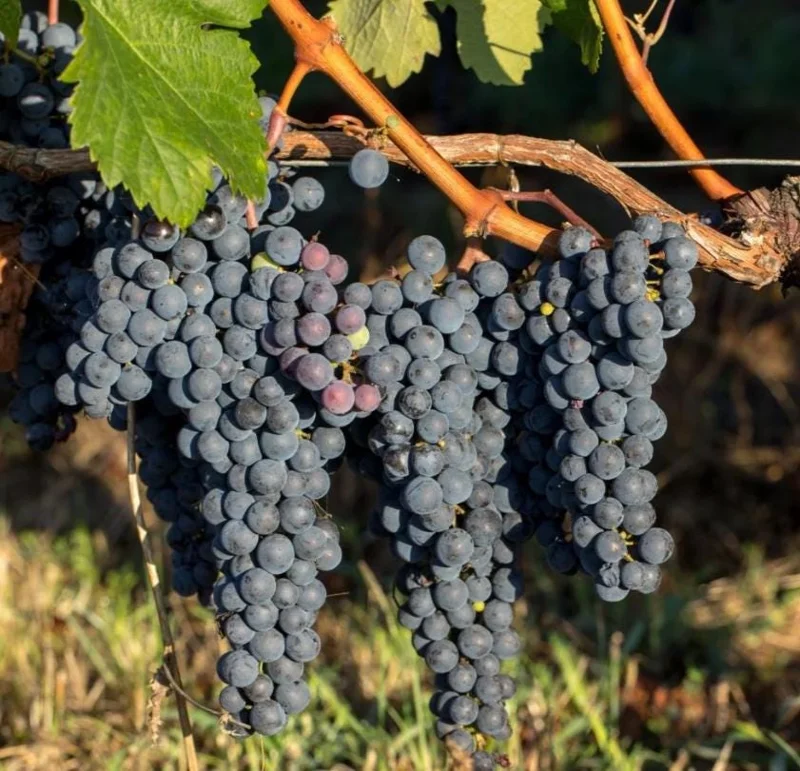
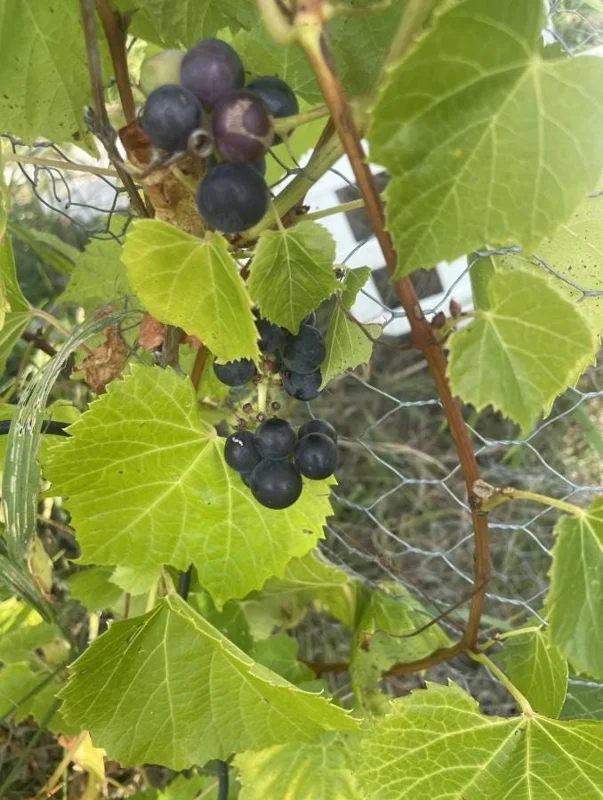
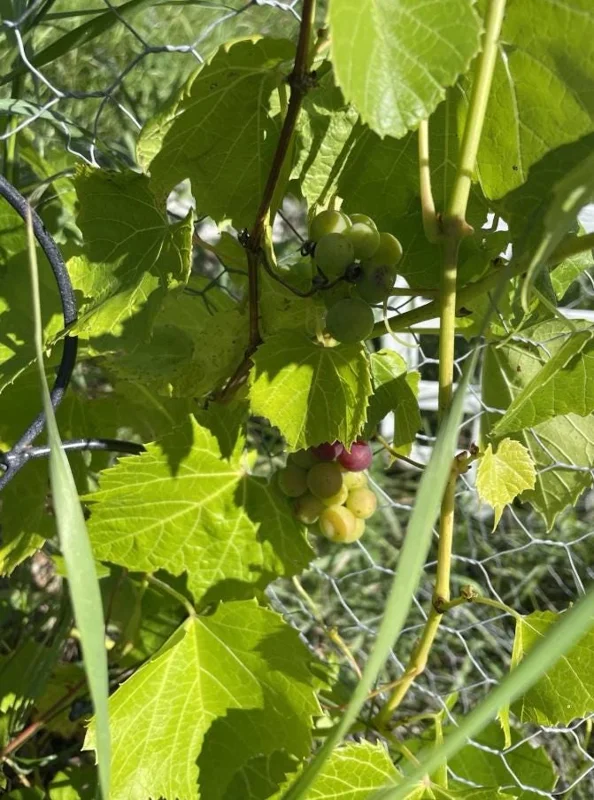
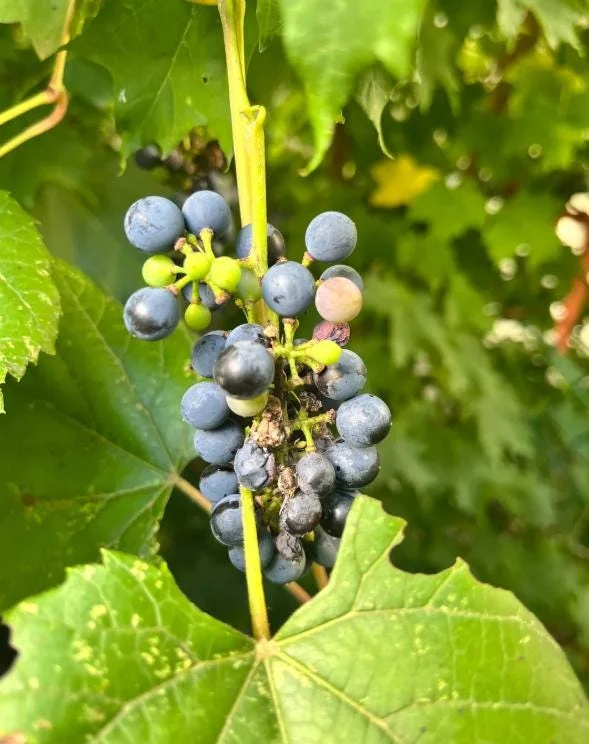
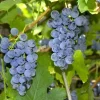
Transform your garden into a productive and beautiful landscape with these three wild grape vine plants. This offering includes three live grapevines, each measuring 1-2 feet tall, shipped in a dormant state to ensure optimal health and successful transplanting. Wild grape vine plants, known scientifically as Vitis aestivalis or similar hardy species, are vigorous climbing woody vines celebrated for their resilience and attractive foliage. As they mature, these vines produce abundant clusters of small, flavorful blue to black grapes, ideal for fresh eating, making juice, jams, or attracting local wildlife. Whether you’re an experienced gardener or just starting, growing grape vines can be a rewarding experience, providing both aesthetic appeal and a bountiful harvest.
These grapevines are highly adaptable, thriving across a wide range of climates and soil conditions. They are an excellent choice for creating natural shade, covering unsightly fences, or adding a vertical element to your edible garden. The dormant state ensures they establish quickly upon planting, ready to burst into vigorous growth during the spring and summer seasons. Embrace the joy of cultivating your own fruit with these robust and easy-to-grow vines, enhancing your outdoor space with natural beauty and sustenance.
Key Benefits
Adding wild grape vine plants to your garden offers a multitude of advantages, enhancing both its beauty and productivity. These versatile vines are not only attractive but also provide a sustainable source of fruit and support local ecosystems, making them a fantastic choice for any gardener interested in growing grape vines.
- Edible Fruit Production: Enjoy abundant clusters of small, flavorful blue to black grapes that can be eaten fresh, or used to make homemade juice, jams, and jellies. This provides a sustainable and delicious harvest right from your backyard, offering a unique opportunity for fresh, homegrown produce.
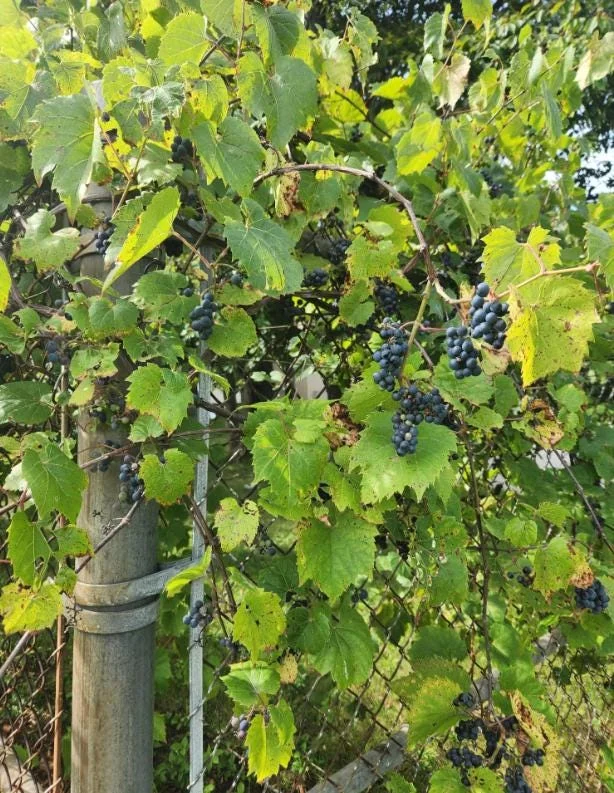
- Attractive Landscape Feature: These climbing woody vines create lush vertical greenery, perfect for covering pergolas, arbors, fences, and trellises. They add a touch of natural elegance and provide seasonal interest with their foliage and fruit, making them a focal point in any garden design.
- Wildlife Attraction: The grapes serve as a food source for various bird species and other small wildlife, helping to create a biodiverse and vibrant garden ecosystem. This supports local fauna and adds life to your outdoor space, fostering a thriving natural environment.
- Hardy and Resilient: Known for their robust nature, these grapevines are remarkably hardy, thriving in USDA Zones 4–9. They are tolerant of a range of conditions, making wild grape care relatively straightforward compared to other fruit-bearing plants, ideal for gardeners seeking low-maintenance options.
- Fast Growth Rate: Once established, these vines exhibit a fast growth rate, quickly covering structures and providing shade or privacy. This makes them an excellent choice for gardeners looking for quick results and lush coverage, bringing immediate impact to your landscape.
- Low Maintenance: After initial planting and support, dormant grapevines require minimal ongoing care. Regular pruning helps maintain their shape and encourages better fruit production, but they are generally self-sufficient, allowing you more time to enjoy your garden.
- Versatile Use: Ideal for various garden applications, including edible gardens, wildlife habitats, privacy screens, and ornamental displays. Their adaptability makes them suitable for many garden styles and purposes, providing flexibility in design.
Plant Care & Growing Tips
Proper care is essential for ensuring your wild grape vine plants thrive and produce a bountiful harvest. These hardy vines are relatively forgiving, but understanding their basic needs will lead to the best results. Upon arrival, your dormant grapevines should be planted as soon as possible. Dig a hole twice as wide as the root ball and just as deep. Ensure the planting site is well-drained, as grapevines do not tolerate soggy soil. Amend heavy clay soils with organic matter to improve drainage and aeration. Plant the vines about 8-10 feet apart if you are planting multiple, allowing ample space for growth and air circulation.
Sunlight requirements: Wild grape vine plants thrive in full sun, meaning they need at least 6-8 hours of direct sunlight per day to produce the best fruit. A south-facing location is often ideal for maximizing sun exposure. Watering schedule: While establishing, water regularly to keep the soil consistently moist but not waterlogged. Once established, they are quite drought-tolerant but will benefit from deep watering during dry spells, especially when fruit is developing. Soil type: They prefer well-drained, loamy soil with a pH between 5.5 and 7.0. Good drainage is paramount to prevent root rot, which can be detrimental to vine health. Temperature range and USDA hardiness zone: These vines are hardy in USDA Zones 4–9, capable of withstanding cold winters and hot summers, making them suitable for a wide range of climates. Fertilization schedule: Fertilize in early spring with a balanced slow-release fertilizer or compost, avoiding high nitrogen fertilizers after the first year, as this can promote excessive foliage growth at the expense of fruit. Common problems and solutions: Watch for powdery mildew and black rot, especially in humid conditions. Ensure good air circulation through pruning and consider organic fungicides if necessary. Proper wild grape care also involves providing a sturdy support structure like a trellis or arbor for the climbing woody vines, ensuring they have adequate support for healthy growth and fruit production.
Size & Details
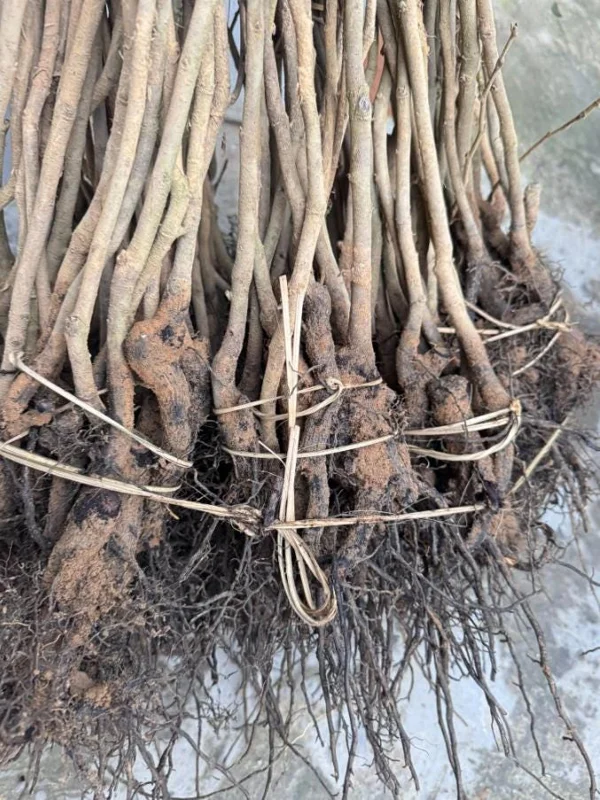
This offering includes three live wild grape vine plants, each standing approximately 1–2 feet tall at the time of shipment. These are shipped as dormant grapevines, typically bare root or with wrapped roots, which is the ideal condition for successful transplanting and minimizes shock, ensuring a smooth transition to your garden. The plants are ready to establish quickly in your garden upon arrival. Wild grapevines are known for their vigorous growth habit, often reaching lengths of 10–30 feet or more with proper support and pruning, creating expansive vertical greenery. The fruit produced will be small, delicious blue to black grapes, typically ripening in late summer to early fall. Expect the vines to begin producing a significant harvest within 2-3 years after planting, with increasing yields as they mature. These resilient vines will transform your outdoor space into a productive and visually appealing area, offering an abundance of blue grape plants for your enjoyment and a sustainable source of fruit for years to come.
Frequently Asked Questions
- Q: How big do these grape vine plants get? A: These wild grape vine plants are shipped as 1-2 ft tall dormant starter plants. With proper support and care, they can grow to be 10-30 feet long, providing extensive coverage and fruit production over time, making them a significant addition to your garden.
- Q: Are these an indoor or outdoor plant? A: These are outdoor plants, ideally suited for garden trellises, fences, arbors, and natural landscapes. They require full sun and thrive in well-drained soil once established, making them perfect for an exterior setting.
- Q: Is this plant easy to care for? A: Yes, these grapevines are quite hardy and considered relatively easy to care for, especially for those interested in growing grape vines. They are drought-tolerant once established and primarily require a sturdy support structure and occasional pruning, simplifying their maintenance.
- Q: What condition will the plants arrive in? A: Your dormant grapevines will arrive as live, dormant starter plants, typically bare root or with wrapped roots. This is the optimal state for shipping and ensures they are ready for successful transplanting into your garden with minimal stress.
- Q: Can I use the grapes for juice or jam? A: Absolutely! The blue to black grapes produced by these wild grape vine plants are excellent for making homemade juice, delicious jams, and jellies. They also make a tasty fresh snack or can attract local wildlife, offering versatile uses.
- Q: When is the best time to plant these wild grape vines? A: The best time to plant dormant grapevines is in early spring, after the last frost, or in the fall before the ground freezes. This allows them to establish their root system before the stress of summer heat or winter cold, promoting strong growth.
- Q: What USDA zones are suitable for these grapevines? A: These hardy wild grapevines thrive in USDA Zones 4–9, making them suitable for a wide range of climates across the United States. They are resilient to both colder winters and warmer summers within these zones.
- Q: What kind of support do these vines need? A: As climbing woody vines, these blue grape plants require a strong support structure. Trellises, arbors, pergolas, fences, or sturdy posts are ideal for guiding their growth and maximizing fruit production, ensuring they have the necessary framework.
- Q: How much sunlight do these wild grape plants need? A: To ensure healthy growth and abundant fruit, these wild grape plants need full sun, which means at least 6-8 hours of direct sunlight per day. Adequate sunlight is crucial for the development of sweet grapes and vigorous vine growth.
- Q: How long until these grapevines produce fruit? A: While they will grow foliage in their first year, you can typically expect your wild grape vine plants to begin producing a noticeable harvest of grapes within 2 to 3 years after planting. Production will increase as the vines mature, offering a growing yield over time.




Reviews
There are no reviews yet.