Overview
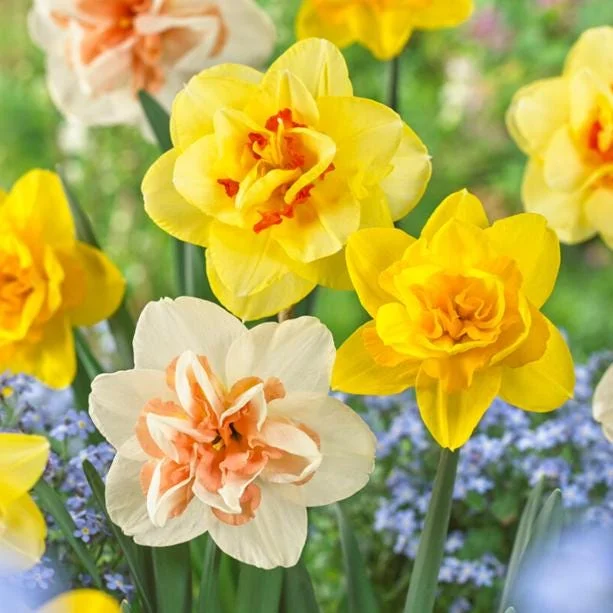
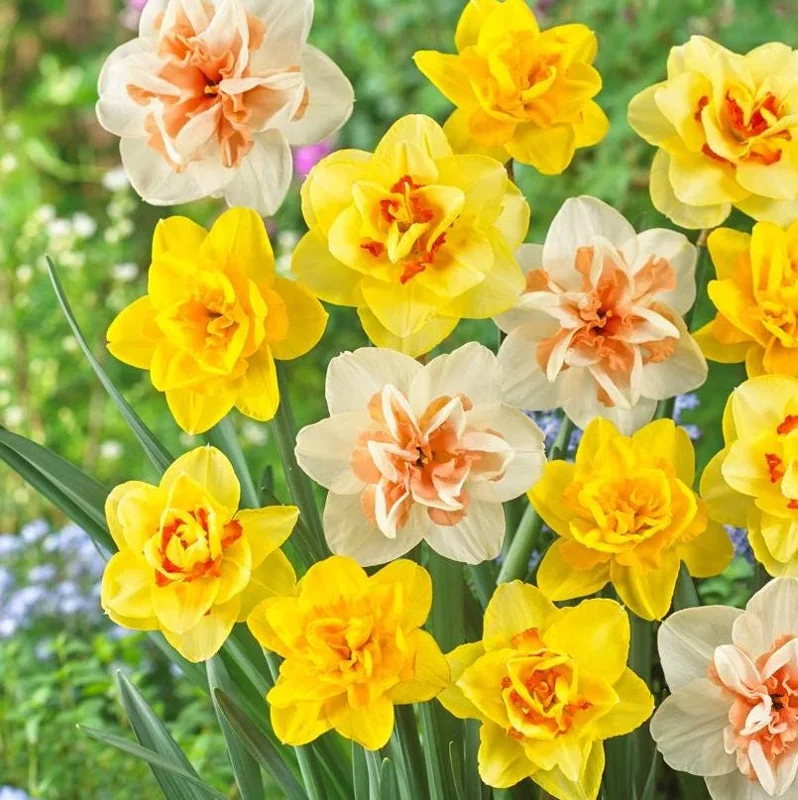
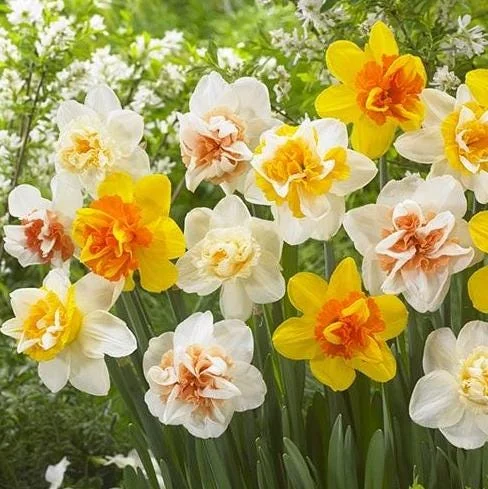
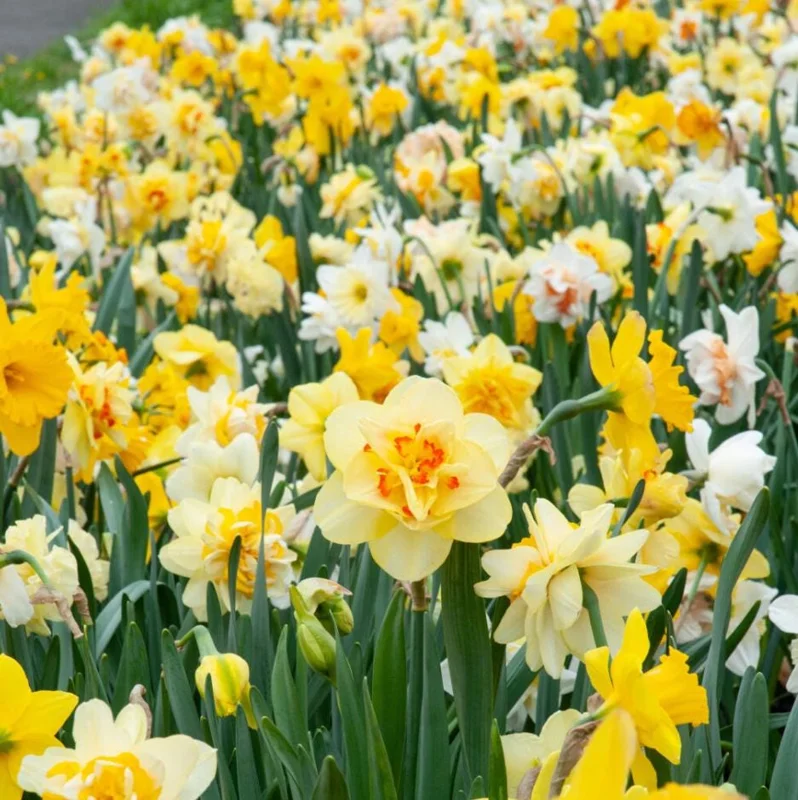
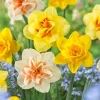
Bring unparalleled beauty and elegance to your garden with our exquisite double daffodil mix bulbs. This collection features 30 premium bulbs, ready to transform your outdoor space into a vibrant tapestry of color each spring. Unlike traditional daffodils, these double varieties boast layered, ruffled petals that create a lush, full appearance, often compared to peonies or roses. The Double Narcissus bulbs offer a breathtaking display, with flowers appearing in a delightful array of shades including yellow, white, cream, orange, and charming bi-colored combinations. Perfect for gardeners seeking a sophisticated and long-lasting floral addition, these perennial narcissus bulbs are a reliable choice for stunning seasonal blooms. Whether you’re an experienced horticulturist or a beginner, planting these bulbs promises a rewarding and visually spectacular experience, enhancing any garden design with their unique charm.
Key Benefits
Our double daffodil mix bulbs offer numerous advantages, making them a superb choice for any garden. They combine ease of care with spectacular visual appeal, ensuring a rewarding gardening experience and a beautiful spring display. These bulbs are designed to thrive and return year after year, providing continuous joy.
- Stunning Visual Impact: The layered and ruffled petals of these double daffodils create a dramatic and luxurious look, making them a standout feature in any garden. Their peony-like appearance adds a touch of elegance that traditional daffodils can’t quite match.
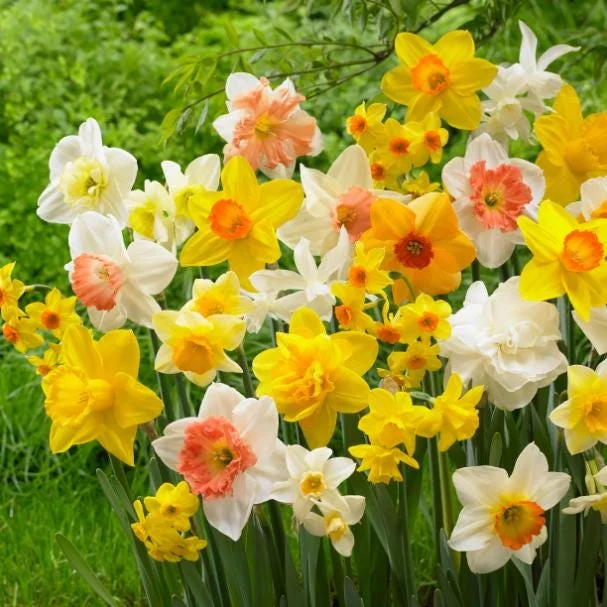
- Vibrant Color Palette: Enjoy a diverse range of colors, including bright yellows, pristine whites, soft creams, fiery oranges, and captivating bi-color blends, ensuring a dynamic and lively spring garden. This variety allows for creative and colorful planting schemes.
- Perennial Reliability: As perennial narcissus bulbs, they return year after year with minimal effort, providing a consistent and beautiful display without the need for annual replanting. This makes them a cost-effective and low-maintenance option for long-term beauty.
- Versatile Garden Use: These bulbs are ideal for a multitude of landscaping applications, including creating eye-catching borders, filling large mass plantings for a grand effect, or providing exquisite cut flowers for indoor arrangements. Their adaptability makes them a valuable asset to any garden.
- Deer and Rodent Resistant: Daffodils contain alkaloids that are unappetizing to deer and most rodents, making them a natural choice for gardens where these pests are a concern. You can plant with confidence, knowing your investment is likely safe.
- Easy to Grow: Requiring well-drained soil and moderate watering, these bulbs are relatively low maintenance and suitable for gardeners of all skill levels. They are forgiving and robust, offering beautiful blooms with straightforward care.
- Early Spring Blooms: Be among the first to welcome spring with these early-blooming beauties, providing much-needed color and cheer after the long winter months. Their timely appearance is a highlight of the gardening year.
Plant Care & Growing Tips
Successful planting daffodil bulbs requires attention to a few key environmental factors to ensure healthy growth and abundant blooms. These double daffodil mix bulbs thrive in conditions that mimic their natural habitat, ensuring they return reliably each spring. Proper site selection and consistent care are crucial for fostering vigorous plants. For the best results, consider the specific needs of these beautiful flowering bulbs.
When it comes to sunlight, double daffodils prefer full sun to partial shade, meaning they need at least 4–6 hours of direct sunlight daily. In hotter climates, some afternoon shade can be beneficial to prevent scorching. Soil requirements are equally important; they flourish in well-drained, moderately fertile soil. Avoid heavy, waterlogged soils as this can lead to bulb rot. If your soil is clay-heavy, amend it with organic matter like compost or sand to improve drainage. During active growth and blooming, keep the soil consistently moist but never soggy. Once the foliage begins to yellow and die back after flowering, reduce watering significantly, allowing the bulbs to enter dormancy. This period is crucial for the bulbs to store energy for the next season’s blooms.
Temperature and humidity also play a role in the health of your perennial narcissus bulbs. They prefer temperatures between 45 degrees Fahrenheit to 65 degrees Fahrenheit during their active growth phase. They are hardy in USDA zones 3-9, indicating their ability to withstand a wide range of winter temperatures. Fertilization can be done in the fall at planting time with a slow-release bulb food or in early spring when shoots emerge. Avoid high-nitrogen fertilizers, which promote leafy growth at the expense of flowers. Common problems include daffodil blindness (bulbs not flowering), which can be due to overcrowding, too much shade, or insufficient nutrients. Dividing overcrowded clumps every few years can rejuvenate blooming. Following these daffodil care tips will ensure a spectacular display each spring.
Size & Details
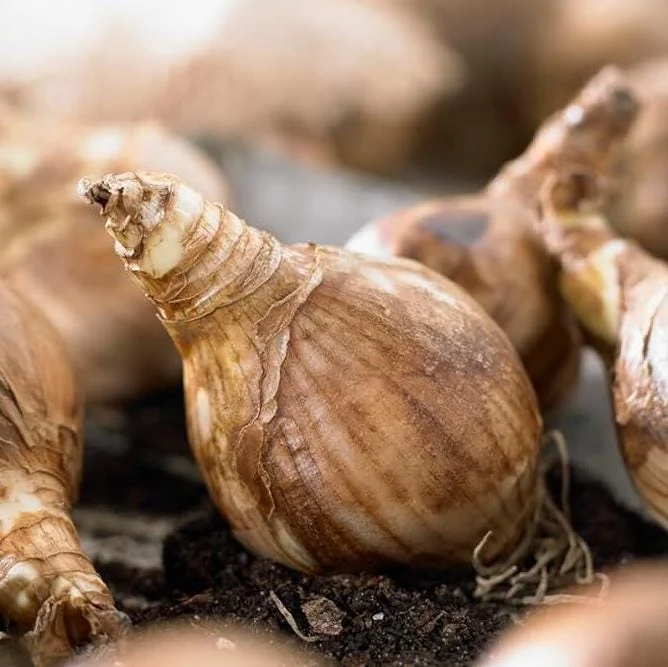
This offering includes 30 double daffodil mix bulbs, providing ample opportunity for a significant garden impact. Each bulb is carefully selected to ensure viability and robust growth. These bulbs will develop into mature plants that typically reach a height of 12-24 inches, depending on the specific variety within the mix and growing conditions. The spread of individual plants can be around 6-12 inches. They are shipped as dormant bulbs, ready for planting upon arrival. Expect a vibrant blooming season in the spring, typically from early to late spring, depending on your climate zone. These bulbs are designed for longevity, establishing themselves as reliable perennials that will multiply over the years, creating an even more impressive display with each passing season. The mix ensures a variety of flower forms and colors, adding dynamic interest to your landscape.
Frequently Asked Questions
- Q: How big do these double daffodil plants get? A: Each plant typically grows to a height of 12 to 24 inches, with a spread of about 6 to 12 inches. The exact size can vary slightly based on the specific varieties in the double daffodil mix bulbs and your growing conditions.
- Q: Are these bulbs suitable for indoor or outdoor planting? A: These are primarily outdoor bulbs, ideal for garden beds, borders, and mass plantings. While some daffodils can be forced indoors, this specific mix is best suited for planting directly in the ground for perennial blooms.
- Q: How much sunlight do these perennial narcissus bulbs need? A: They thrive in full sun to partial shade, requiring at least 4–6 hours of direct sunlight daily. In very hot climates, partial afternoon shade can help protect the blooms.
- Q: Is this plant easy to care for, especially for beginners? A: Yes, daffodils are generally considered very easy to grow and are an excellent choice for beginner gardeners. Following basic daffodil care tips regarding soil, light, and water will ensure success.
- Q: What condition will the bulbs arrive in? A: The bulbs will arrive in a dormant state, which is normal and ideal for planting. They will be healthy and ready to be planted in your garden.
- Q: How long until these planting daffodil bulbs bloom after planting? A: When planted in the fall, these bulbs will typically bloom the following spring. The exact timing can depend on your specific climate and planting zone.
- Q: Will these double daffodils survive winter in my zone? A: Yes, these double daffodil mix bulbs are hardy in USDA Zones 3-9, meaning they are well-suited to survive winter conditions in a wide range of climates.
- Q: What’s the minimum temperature these bulbs can tolerate? A: These bulbs are hardy down to USDA Zone 3, which can experience winter temperatures as low as -40°F (-40°C), provided they are planted at the correct depth and have adequate winter protection if needed.
- Q: What is the best time to plant these spring flowering bulbs? A: The ideal time to plant these bulbs is in the fall, typically a few weeks before the first hard frost, to allow them to establish roots before winter.
- Q: Do these bulbs need to be fertilized? A: While not strictly necessary in rich soil, a slow-release bulb fertilizer applied at planting time in the fall or in early spring when shoots emerge can promote stronger growth and more abundant blooms.




Reviews
There are no reviews yet.