Overview
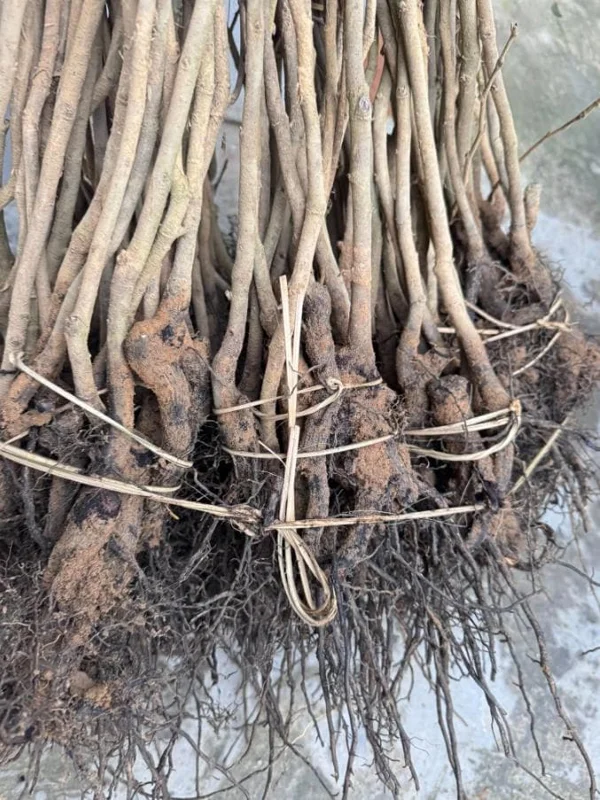
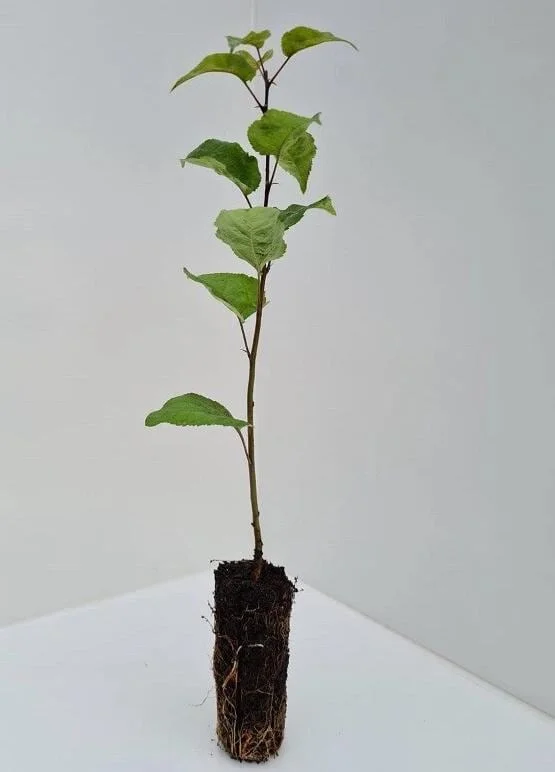
Transform your garden into a vibrant sanctuary with these exquisite Sargent Roselow Crabapple Trees. Each order includes four live, dormant starter plants of Malus sargentii, measuring 6-12 inches tall. Known for their abundant spring blossoms and decorative fruit, these compact flowering trees are a gardener’s delight. The ornamental crabapple tree is a fantastic choice for adding seasonal color, attracting pollinators like bees and butterflies, and providing year-round interest to any landscape. They are shipped without pots to ensure their roots are protected during transit, making them easier to transplant and establish quickly in their new environment. These trees are not only beautiful but also hardy, making them a superb addition to various garden styles.
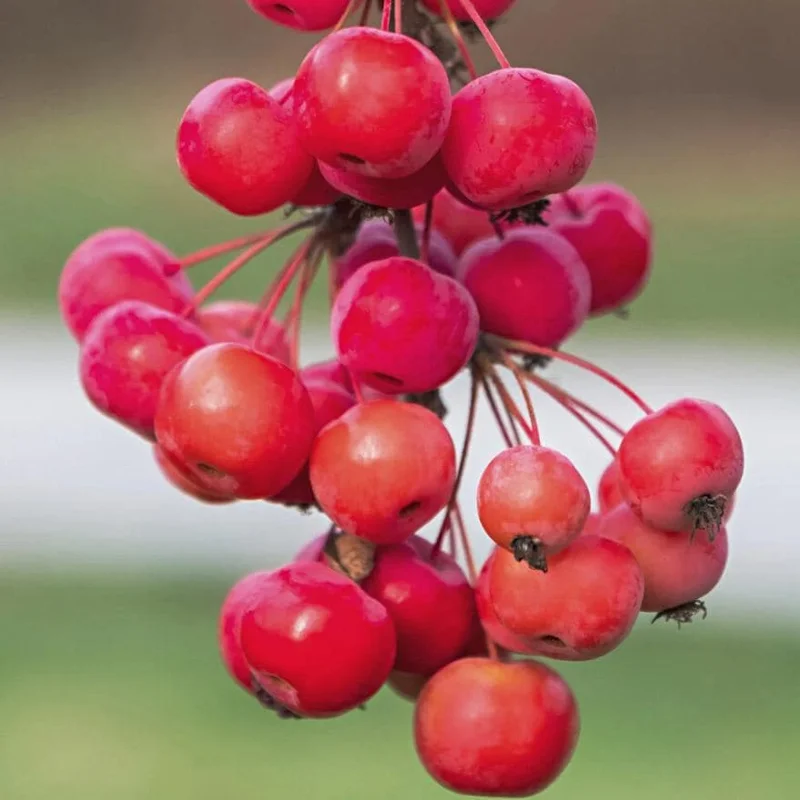
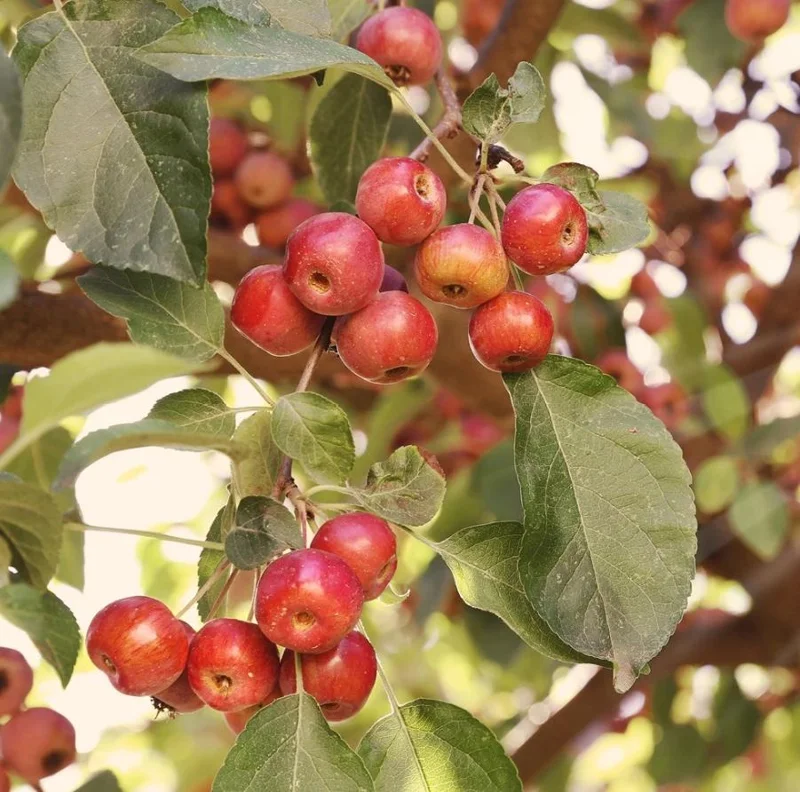
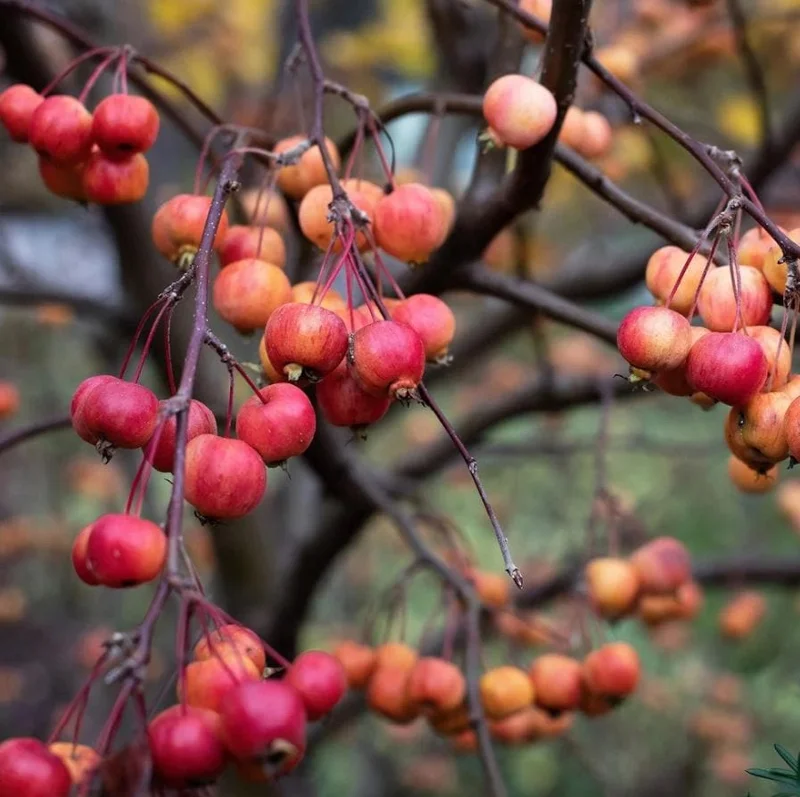
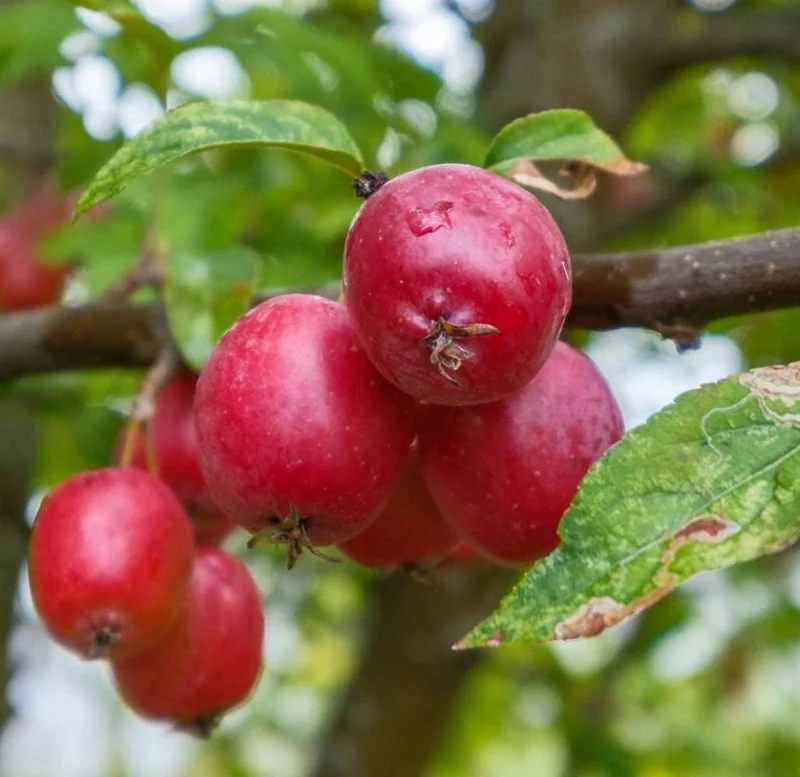
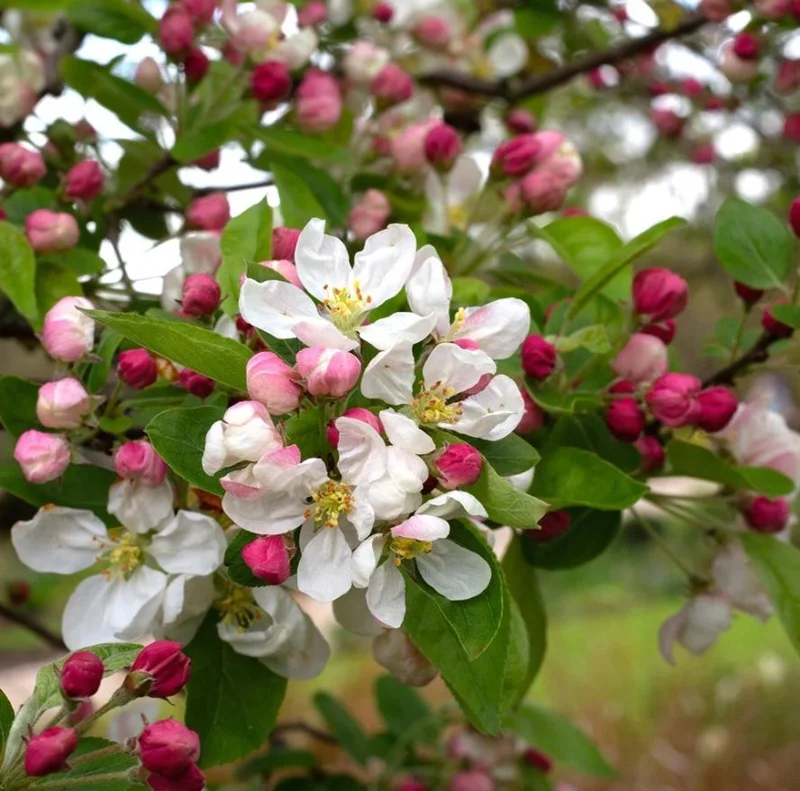
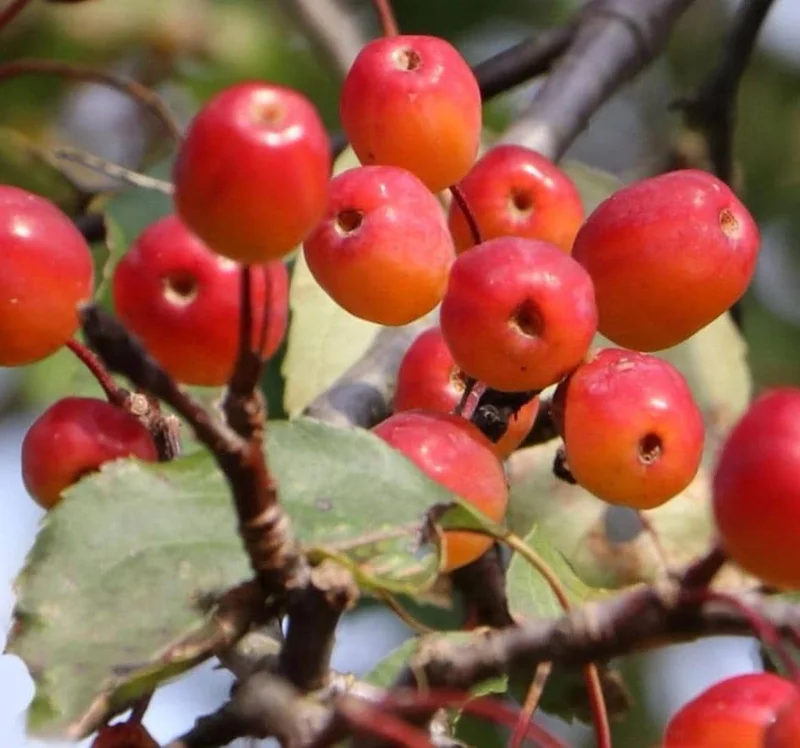
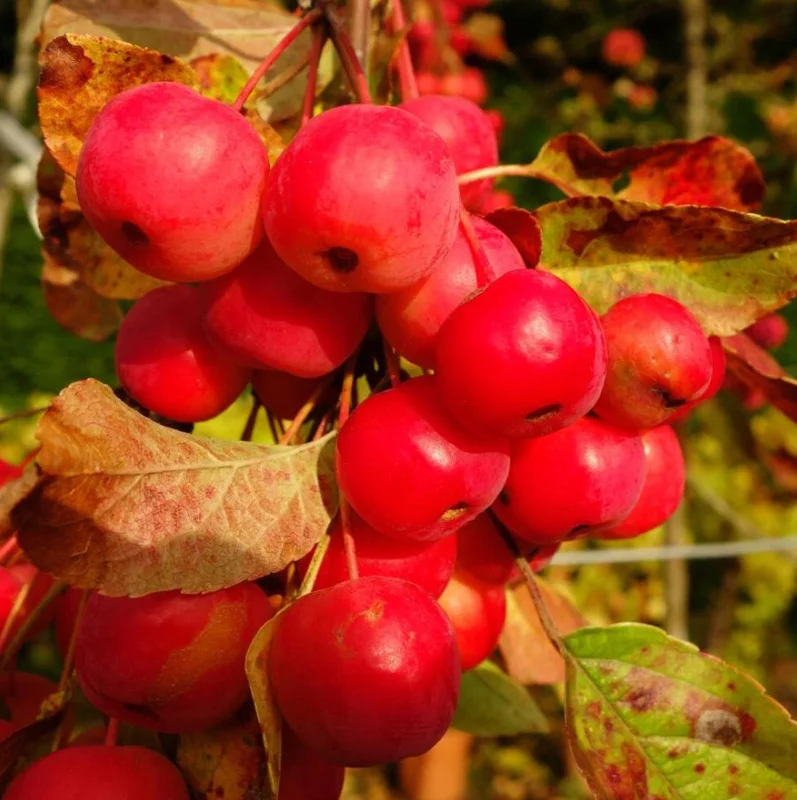
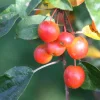
The Sargent Roselow Crabapple Trees are celebrated for their classic beauty and resilience. As they mature, they form an attractive, compact spreading shape, which makes them ideal for smaller gardens, landscape borders, or as decorative yard trees. The delicate white flowers that emerge in spring create a spectacular display, filling your outdoor space with life and fragrance. Following the bloom, small, bright red crabapples develop, offering both visual appeal and a valuable food source for birds throughout the fall and winter months. This makes the Malus Sargentii live plant a truly dynamic and beneficial element for any home garden, promoting biodiversity and enhancing aesthetic appeal.
Key Benefits
Investing in Sargent Roselow Crabapple Trees brings a multitude of benefits to your garden and local ecosystem. These beautiful trees are easy to care for and provide lasting enjoyment:
- Stunning Spring Blooms: Experience an explosion of delicate white flowers each spring. These abundant blossoms create a captivating visual display, signaling the arrival of warmer weather and filling your garden with a sweet, subtle fragrance. The sheer volume of flowers makes the Sargent Roselow Crabapple Trees a focal point in any landscape design.
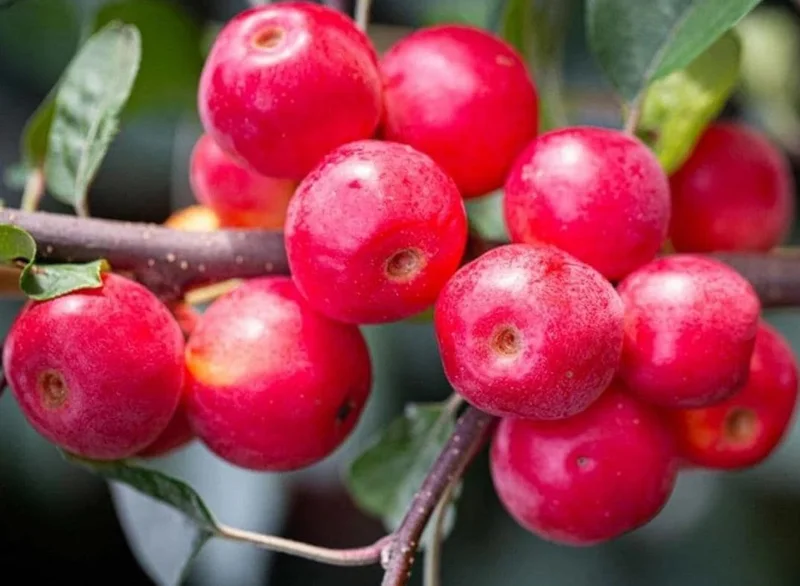
- Vibrant Ornamental Fruit: After the spring flowers fade, the trees produce small, bright red crabapples. These fruits are highly ornamental, adding a splash of color to your garden through fall and winter, long after most other plants have lost their vibrancy. They also serve an important ecological role.
- Attracts Pollinators and Wildlife: The profusion of spring blossoms is a magnet for bees, butterflies, and other essential pollinators, contributing to the health of your garden. The persistent crabapples provide a crucial food source for birds during the colder months, making your garden a haven for local wildlife.
- Compact and Versatile Growth: With their compact, spreading growth habit, these trees are perfect for a variety of landscaping applications. They are an excellent choice for small gardens, urban spaces, foundation plantings, or as an attractive addition to mixed borders, proving that a beautiful ornamental crabapple tree doesn’t require vast space.
- Hardy and Resilient: These crabapple trees are known for their hardiness, thriving in USDA Zones 4-8. They are relatively low-maintenance once established, tolerating a range of conditions and providing reliable beauty year after year. This makes them a smart choice for both novice and experienced gardeners.
- Year-Round Garden Interest: From spring blossoms to summer foliage, fall fruit, and winter structure, the Sargent Roselow Crabapple Trees offer continuous visual appeal throughout the seasons. They provide dynamic interest that evolves with the year, ensuring your garden always has something special to offer.
- Easy to Establish Dormant Plants: Shipped as dormant starter plants, they are easier to transplant and tend to establish more quickly than actively growing plants. This ensures a smoother transition and faster growth once planted in your garden, a great advantage when you are growing crabapple trees.
Plant Care & Growing Tips
Caring for your Sargent Roselow Crabapple Trees is straightforward, ensuring they thrive and provide years of beauty. These hardy plants prefer a location with full sun, meaning they should receive at least 6 hours of direct sunlight per day. Adequate sunlight is crucial for robust flowering and fruit production. When selecting a spot, consider its mature size to ensure it has ample room to spread. Good air circulation is also beneficial to prevent fungal diseases. The better the light, the more vibrant the blooms and fruit will be, making them an excellent choice for a prominent spot in your landscape.
The ideal soil for Malus Sargentii live plant is well-drained loam. While they are adaptable, consistently wet or heavy clay soils can lead to root issues. If your soil is particularly heavy, amending it with organic matter like compost or aged manure will improve drainage and fertility. Water newly planted trees regularly to keep the soil consistently moist but not waterlogged, especially during their first growing season. Once established, they are more drought-tolerant but will benefit from supplemental watering during prolonged dry spells. Fertilize in early spring with a balanced, slow-release granular fertilizer formulated for trees and shrubs, following the package instructions. Over-fertilization can harm the plant, so moderation is key.
Pruning should primarily be done in late winter or early spring while the tree is still dormant. Focus on removing any dead, diseased, or crossing branches to maintain a healthy structure and good air circulation. You can also lightly shape the tree to encourage a desired form. These trees are generally resilient to pests and diseases, but occasional issues like apple scab or aphids can occur. Regular inspection and prompt action with appropriate organic or chemical treatments can keep your ornamental crabapple tree healthy. Protecting young trees from deer browsing can also be beneficial in areas where deer are prevalent. Proper care will ensure you enjoy the full beauty of your growing crabapple trees for many seasons.
Size & Details
This offering includes four individual Sargent Roselow Crabapple Trees. Each live, dormant starter plant measures between 6 to 12 inches tall at the time of shipping. These young trees are sent without pots (bare root or with wrapped roots) to minimize stress during transit and facilitate easier transplanting upon arrival. The compact nature of this variety means mature plants typically form a compact, spreading shape, making them suitable for various garden sizes without overpowering the space. The growth rate is moderate, allowing you to enjoy their progression over several seasons. Expected mature height for the crabapple tree for garden is generally between 6 to 10 feet with a similar spread, though this can vary based on growing conditions and pruning. They are perfect for creating natural borders, adding focal points, or enhancing pollinator gardens. The transition from delicate white blooms to vibrant red crabapples provides continuous visual interest and ecological value. These plants are ready to be established in your garden, offering a foundation for a beautiful and thriving landscape that supports local wildlife.
Frequently Asked Questions
- Q: What size are the Sargent Roselow Crabapple Trees when shipped? A: Each order includes four live, dormant starter plants that measure between 6 to 12 inches tall upon shipment. They are young plants ready for establishment in your garden.
- Q: Is this an indoor or outdoor plant? A: The Sargent Roselow Crabapple Trees are outdoor plants, hardy in USDA Zones 4-8. They are designed to thrive in garden landscapes, not indoors.
- Q: How much sunlight does a sargent roselow crabapple tree need? A: These trees require full sun, meaning at least 6 hours of direct sunlight per day, for optimal flowering and fruit production.
- Q: What condition will the plants arrive in? A: The Malus Sargentii live plant will arrive as dormant starter plants, shipped without pots (bare root or with wrapped roots) to ensure safe and healthy transit. They are ready for immediate planting.
- Q: How big does this ornamental crabapple tree get? A: Mature Sargent Roselow Crabapple Trees typically grow 6 to 10 feet tall with a similar spread, forming a compact, spreading shape.
- Q: When is the best time to plant these crabapple trees? A: Dormant plants are best planted in early spring or fall. This allows them to establish their root systems before the stress of summer heat or winter cold.
- Q: Is this plant easy to care for? A: Yes, once established, these growing crabapple trees are relatively low-maintenance, requiring consistent watering in their first year and occasional pruning. They are a good choice for gardeners of varying experience levels.
- Q: What type of soil is best for these trees? A: They thrive in well-drained loamy soil. If your soil is heavy, amending it with organic matter will improve drainage and provide essential nutrients.
- Q: Will the crabapples attract birds? A: Absolutely! The small, bright red crabapples provide a valuable food source for birds, especially through the fall and winter months, making your garden more attractive to wildlife.
- Q: Can I prune my crabapple tree to keep it smaller? A: Yes, judicious pruning can help manage the size and shape of your crabapple tree for garden. Prune in late winter or early spring while the tree is dormant.






Reviews
There are no reviews yet.