Overview
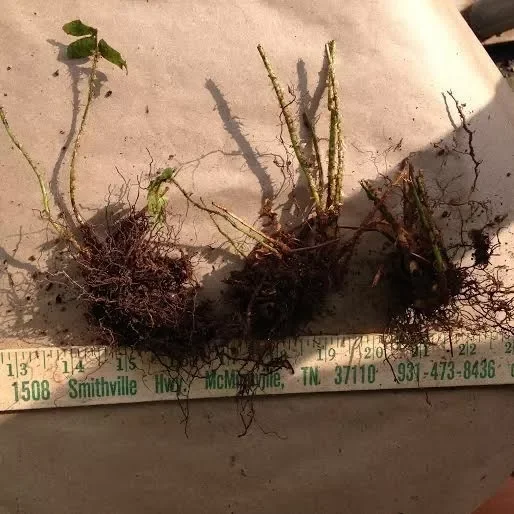
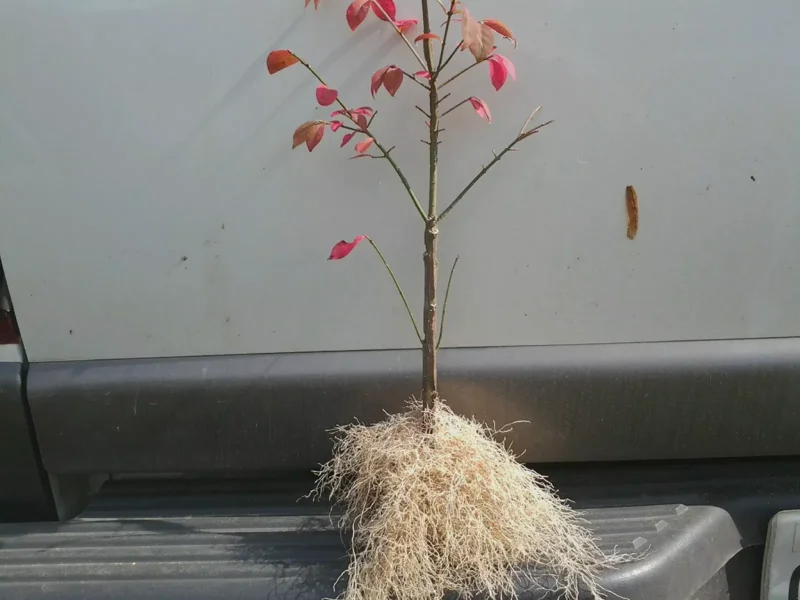
Transform your garden or property with the versatile and resilient Chinese Elm bare root seedlings. This offering includes five 1-2ft tall bare root seedlings, ready to establish themselves in your chosen outdoor space. The Chinese Elm tree seedling, scientifically known as Ulmus parvifolia, is celebrated for its rapid growth, graceful form, and distinctive exfoliating bark that adds year-round visual interest. These semi-deciduous to evergreen trees are highly adaptable to a wide range of climates and soil conditions, making them a popular choice for landscaping, bonsai, and shade trees. Arriving dormant, typically during winter months without leaves, they are primed for successful spring planting and growth. Whether you’re creating a new hedgerow, planning a shade canopy, or simply adding a touch of natural elegance, planting Chinese Elm trees provides lasting beauty and ecological benefits.
The Chinese Elm bare root is an economical and effective way to start your tree collection. Bare root plants are typically younger and establish quickly once planted, as their root systems are exposed and can immediately begin to absorb nutrients from the soil. This particular variety, Ulmus parvifolia, is renowned for its hardiness and ability to withstand urban conditions, making it an excellent choice for a variety of environments. Its fine branching structure and small, serrated leaves contribute to a delicate appearance that belies its robust nature, ensuring a beautiful and enduring addition to your outdoor living space.
Key Benefits
The Chinese Elm bare root offers numerous advantages for any gardener or landscaper looking to enhance their outdoor environment. These benefits extend from aesthetic appeal to ecological resilience, ensuring a valuable addition to your property.
- Exceptional Adaptability: The Chinese Elm tree seedling is incredibly versatile, thriving in a broad range of USDA Zones (5 to 10) and tolerating various soil types, from clay to sand, making it suitable for many different regions and garden conditions.
- Attractive Year-Round Interest: Known for its beautiful mottled, exfoliating bark in shades of gray, green, and orange, the tree provides visual appeal even in winter. Its fine branches and small, glossy leaves create a delicate canopy that is aesthetically pleasing throughout the growing season.
- Fast Growth Rate: These seedlings are known for their relatively fast growth, allowing you to establish a mature tree or hedge more quickly than many other species. This makes planting Chinese Elm an efficient way to achieve your landscaping goals.
- Drought Tolerance: Once established, the Ulmus parvifolia demonstrates good drought tolerance, reducing the need for frequent watering and making it a sustainable choice for water-conscious gardening.
- Disease Resistance: Compared to many other elm species, the Chinese Elm shows good resistance to Dutch Elm Disease, ensuring a healthier and longer-lived tree that requires less intervention. This makes it a more reliable choice for long-term landscaping.
- Versatile Landscaping Use: From large shade trees to attractive bonsai specimens or even informal hedges, the adaptable elm tree can be shaped and grown for various purposes, fitting diverse landscape designs.
- Environmental Benefits: As a mature tree, the Chinese Elm provides shade, helps improve air quality, and offers habitat for local wildlife, contributing positively to the ecosystem of your garden.
Plant Care & Growing Tips
Caring for your Chinese Elm bare root seedlings is straightforward, given their inherent hardiness and adaptability. When your bare root seedlings arrive, it’s crucial to plant them as soon as possible. If immediate planting isn’t feasible, keep the roots moist by wrapping them in damp newspaper or peat moss and storing them in a cool, dark place. Before planting Chinese Elm, soak the roots in water for a few hours to rehydrate them. Dig a hole wide enough to spread the roots out naturally and deep enough so that the root collar (where the roots meet the stem) is level with the ground surface. Backfill with soil, gently tamping down to remove air pockets, and water thoroughly.
The Chinese Elm tree seedling thrives in full sun to partial shade, requiring at least 4-6 hours of direct sunlight daily for optimal growth. While adaptable, it prefers well-draining soil, which can be loam, clay, or sandy. Avoid waterlogged conditions, as this can lead to root rot. Moderate watering is ideal; keep the soil consistently moist but not saturated, especially during the first year of establishment. Once mature, the Ulmus parvifolia exhibits excellent drought tolerance. These trees are hardy in USDA Zones 5 to 10, tolerating a wide temperature range from -20°F to 100°F. Pruning can be done in late winter or early spring to shape the tree, remove dead or crossing branches, and encourage a strong structure. Fertilize sparingly if the soil is poor, using a balanced, slow-release granular fertilizer in early spring. Watch out for common pests like leaf beetles or scale, which can typically be managed with organic insecticidal soaps or horticultural oils if infestations occur.
Size & Details
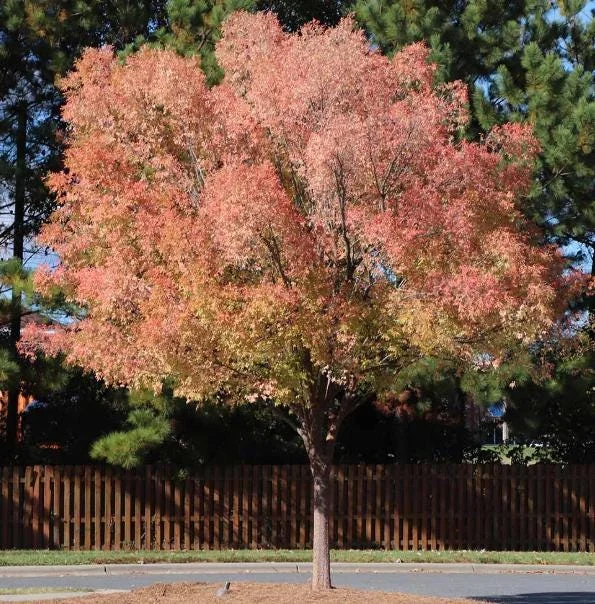
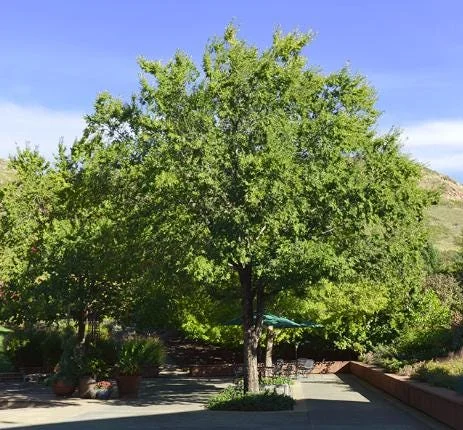
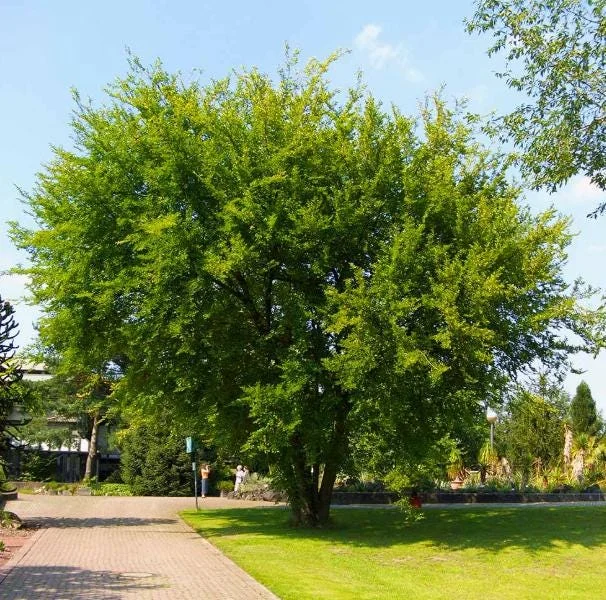
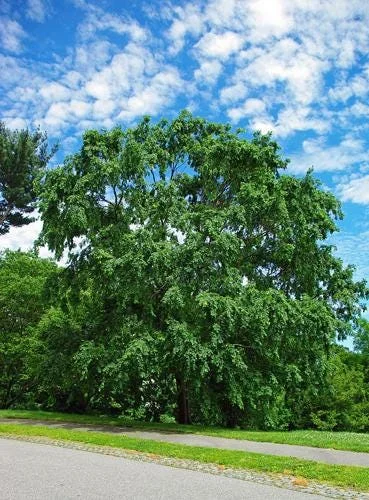
This product includes five Chinese Elm bare root seedlings, each measuring approximately 1-2 feet in height. These bare root plants are shipped dormant, meaning they will arrive without leaves, which is a normal and healthy state for winter and early spring planting. This allows the plant to focus its energy on root development once planted. The mature size of an adaptable elm tree can vary significantly based on growing conditions and pruning. Left unpruned, a Chinese Elm can reach heights of 40-60 feet with a similar spread, forming a beautiful, broad canopy. However, it can also be maintained as a much smaller tree, a shrub, or even a bonsai specimen through regular pruning.
The root system will expand rapidly once planted, establishing a strong foundation for future growth. Expect to see new leaf growth in the spring following planting. These 1-2ft seedlings represent young, healthy stock that will quickly grow into robust trees with proper care. The Ulmus parvifolia is a relatively fast-growing species, meaning you won’t have to wait many years to enjoy its full beauty and shade. Bare root trees are an environmentally friendly option, as they require less packaging and are lighter to ship, reducing their carbon footprint.
Frequently Asked Questions
- Q: How big do these Chinese Elm tree seedlings get? A: These seedlings are 1-2 feet tall when shipped. A mature Chinese Elm can reach 40-60 feet in height and spread, but its size can be managed with pruning, making it suitable for various landscape applications.
- Q: Are these plants suitable for beginners? A: Yes, the Chinese Elm bare root is known for its hardiness and adaptability, making it an excellent choice for both experienced gardeners and those new to tree planting. Its resilience makes planting Chinese Elm a rewarding experience.
- Q: What condition will the seedlings arrive in? A: The seedlings are shipped as bare roots, dormant and without leaves, especially during winter months. This is a normal and healthy state for bare root trees, ensuring they are ready for planting and successful establishment.
- Q: How much sunlight does the Ulmus parvifolia need? A: Chinese Elms prefer full sun to partial shade, ideally receiving at least 4-6 hours of direct sunlight per day to promote robust growth and health.
- Q: What is the best time for planting Chinese Elm bare roots? A: The best time to plant bare root trees is typically in late winter or early spring, before new leaf growth begins. This allows the roots to establish before the stress of summer heat.
- Q: What kind of soil is best for this adaptable elm tree? A: Chinese Elms are very adaptable and can thrive in a variety of well-draining soils, including loam, clay, or sandy types. Good drainage is key to preventing root issues.
- Q: Will these trees survive winter in my region? A: The Chinese Elm is hardy in USDA Zones 5 to 10, meaning it can tolerate winter temperatures as low as -20°F. Check your local USDA zone to ensure it’s suitable for your area.
- Q: How often should I water my newly planted Chinese Elm? A: During the first year, keep the soil consistently moist but not waterlogged. Once established, the Chinese Elm is quite drought-tolerant and will require less frequent watering.
- Q: Can I grow this tree in a container? A: While primarily an outdoor landscaping tree, young Chinese Elms can be grown in large containers, especially if intended for bonsai or if space is limited. Ensure adequate drainage and root pruning if keeping it in a pot long-term.
- Q: What are the main visual features of a Chinese Elm? A: The adaptable elm tree is recognized for its attractive mottled, exfoliating bark, fine branching structure, and small, glossy green leaves that may turn yellow in fall before dropping in colder climates.




Reviews
There are no reviews yet.