Overview
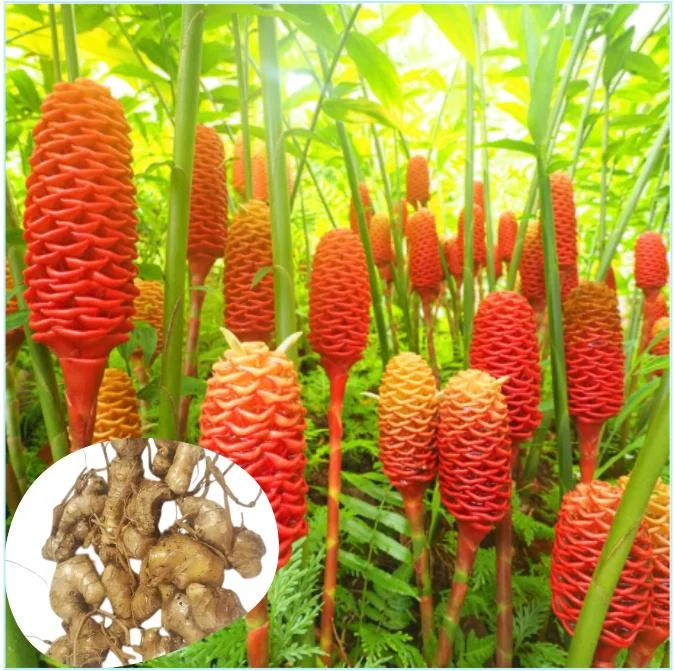
Embark on a rewarding gardening journey with our Hawaiian Awapuhi Shampoo Ginger rhizomes. This offering includes a convenient 5-pack of healthy Zingiber zerumbet tubers, ready to sprout into magnificent plants. Also known as Pinecone Ginger or Red Ginger Lily, this tropical beauty is cherished not only for its striking, fragrant flowers but also for the natural, saponin-rich sap found within its mature pinecone-shaped inflorescences. Historically, this sap has been utilized in traditional Hawaiian practices as a natural shampoo and conditioner, making it a truly unique and functional addition to any garden. Whether you’re an experienced horticulturist or a budding enthusiast, growing Hawaiian Awapuhi Shampoo Ginger from rhizomes is a fascinating experience that brings a touch of the tropics and a piece of ancient tradition to your home.
Our carefully selected rhizomes ensure a strong start for your plants, promising vibrant growth and the eventual production of its distinctive ‘shampoo’ cones. This particular variety, Zingiber zerumbet, is renowned for its vigorous growth and adaptability within its preferred climate zones. Discover the joy of cultivating your own source of natural hair care, or simply marvel at the exotic beauty of this remarkable plant.
Key Benefits
Growing Hawaiian Awapuhi Shampoo Ginger offers a multitude of benefits, from its aesthetic appeal to its practical uses. These rhizomes provide an opportunity to cultivate a plant with unique characteristics and a rich cultural history.
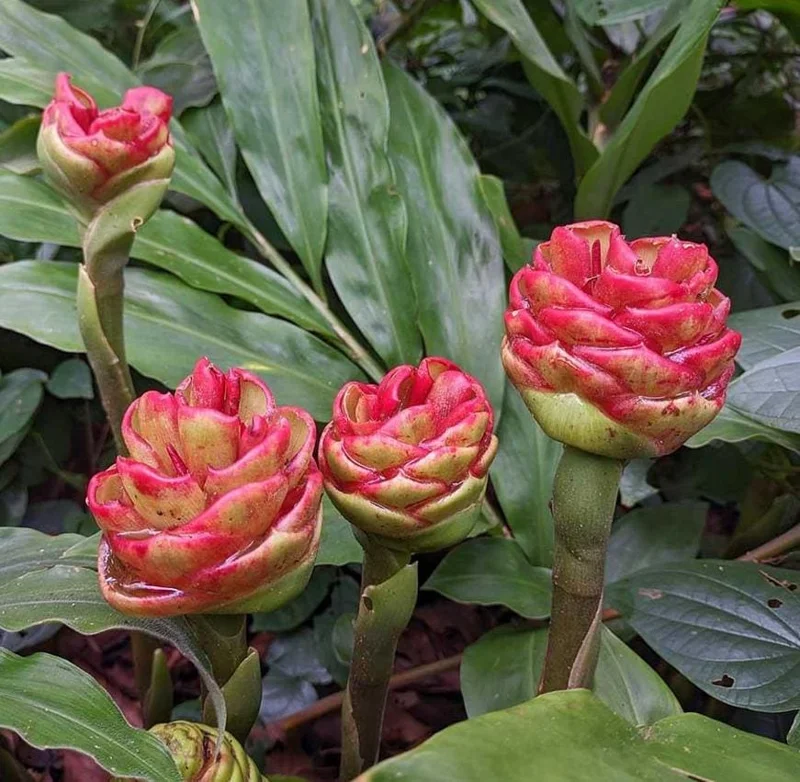
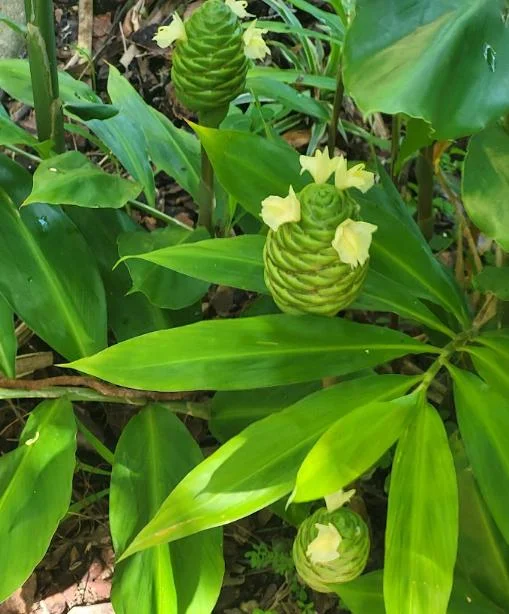
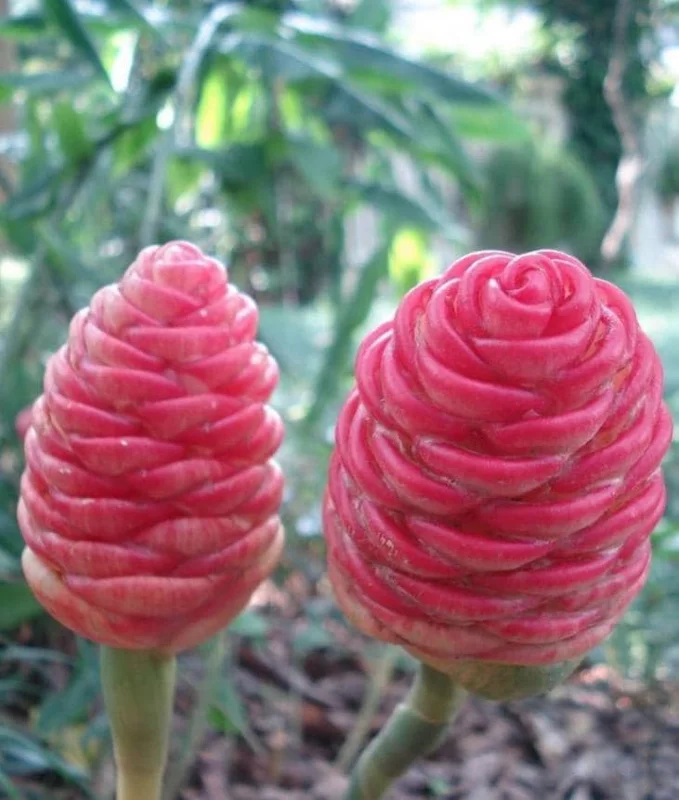
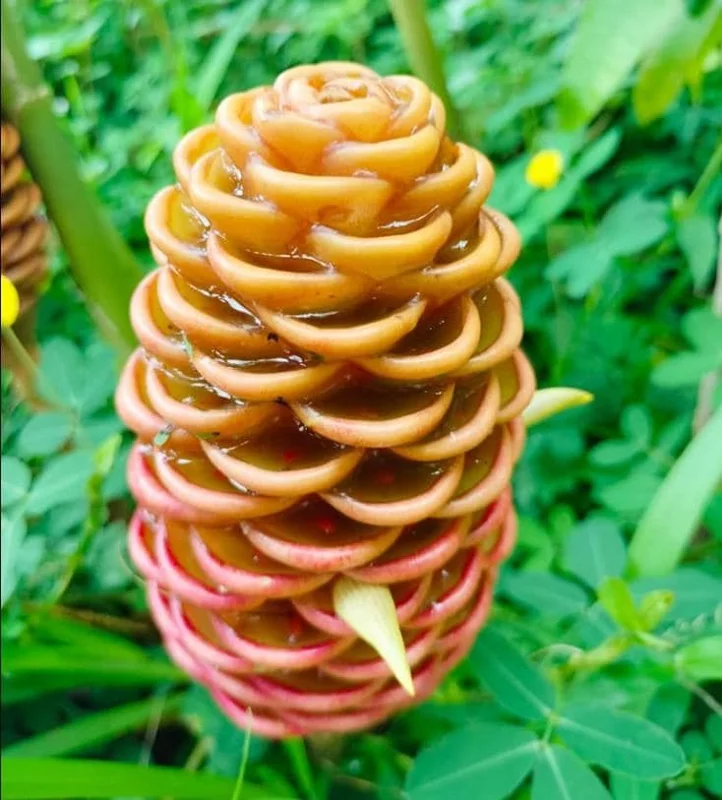
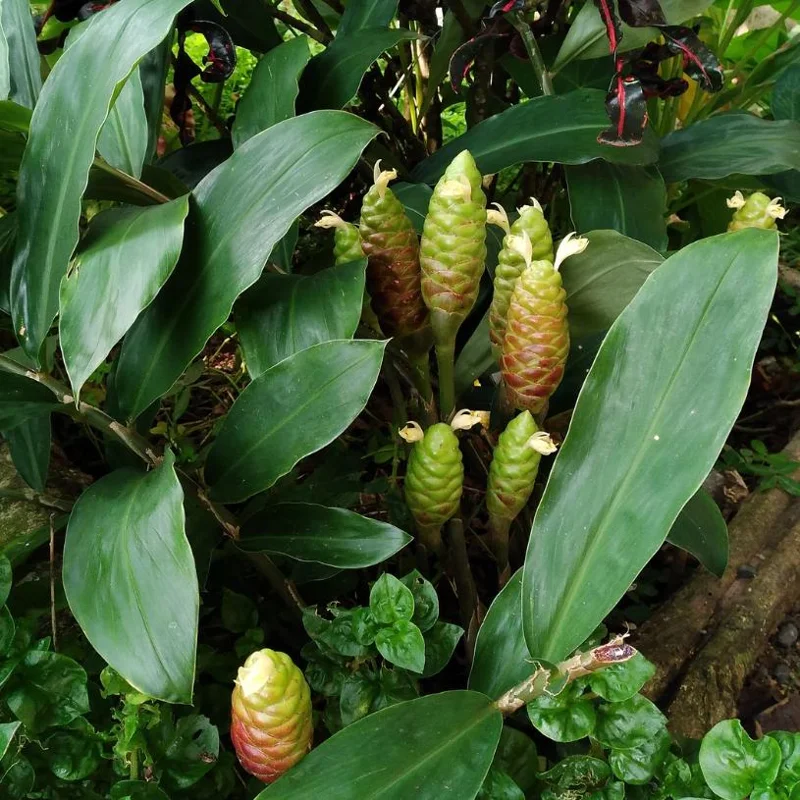
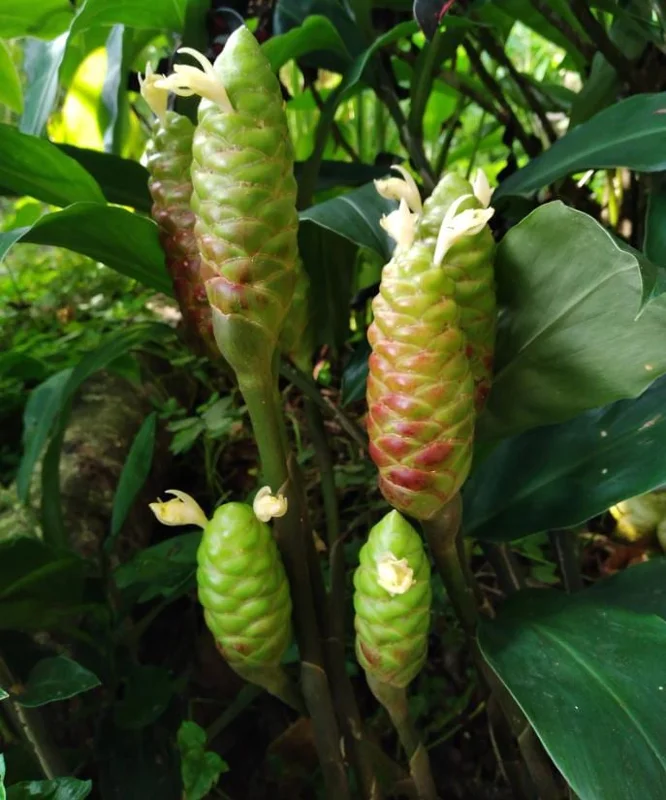
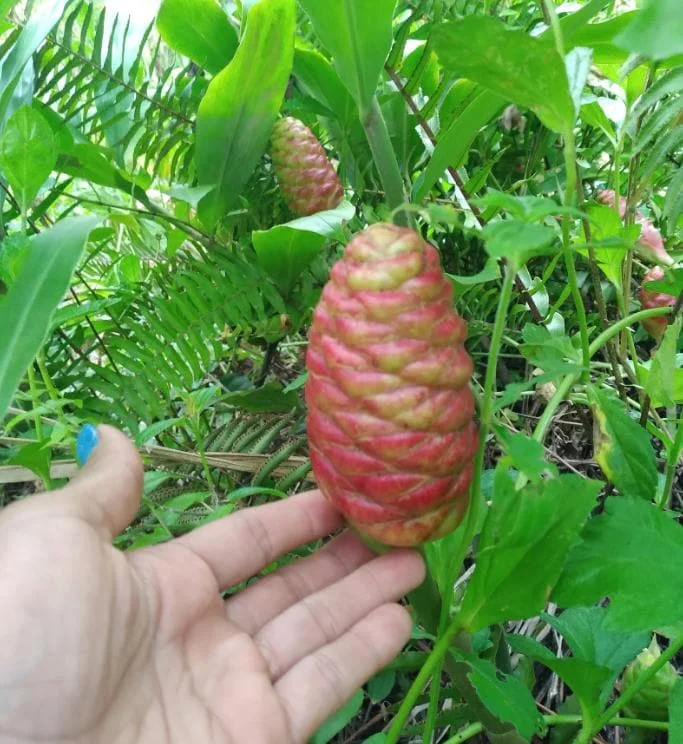
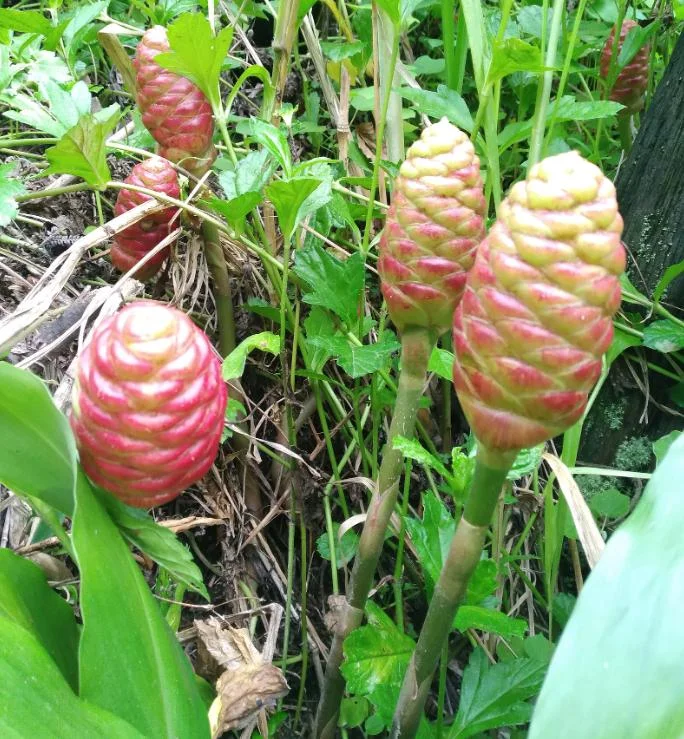
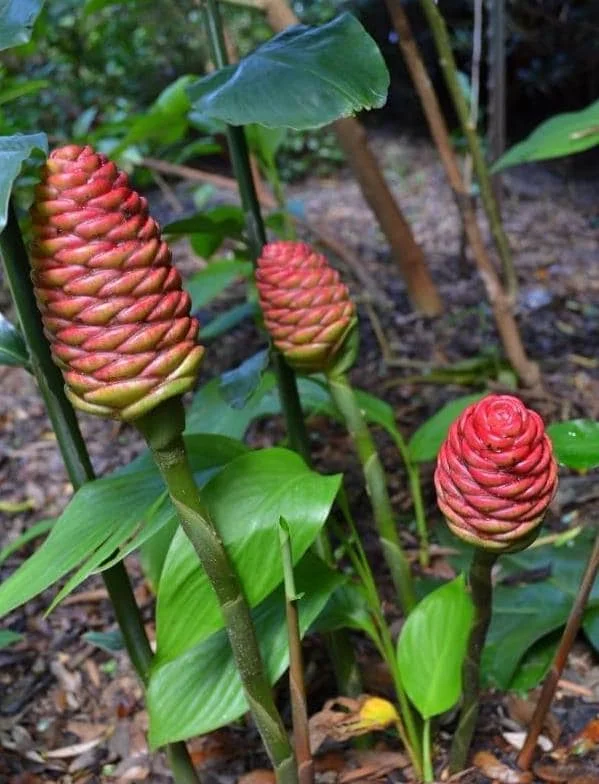
- Exotic Beauty: The distinctive pinecone-like inflorescences mature from green to a vibrant red, releasing a fragrant, milky sap. These unique structures add an unparalleled tropical flair to your garden or indoor space, making it a conversation starter.
- Natural Hair Care: The primary allure of Hawaiian Awapuhi Shampoo Ginger is the natural sap found within its mature cones. This sap has been traditionally used as a gentle, conditioning shampoo, offering a natural and chemical-free alternative for hair cleansing and softening.
- Fragrant Blooms: Beyond their visual appeal, the inflorescences emit a pleasant, subtle fragrance, enhancing the sensory experience of your garden. The aroma adds to the overall tropical ambiance.
- Rewarding Cultivation: Watching these Zingiber zerumbet rhizomes transform into lush plants and eventually produce their signature cones is incredibly satisfying. It’s an engaging project for gardeners of all levels.
- Versatile Growth: While ideally suited for warm climates, Pinecone Ginger can also be grown in containers, allowing those in cooler regions to enjoy its beauty by bringing it indoors during winter. This versatility makes it accessible to a wider range of gardeners.
- Medicinal Properties: Beyond its use as a shampoo, traditional medicine has also recognized various parts of the shampoo ginger roots for their potential anti-inflammatory and pain-relieving properties, adding another layer of traditional significance.
- Low Maintenance (Once Established): After proper planting and initial care, grow awapuhi ginger plants are relatively low-maintenance, requiring consistent moisture and protection from extreme cold.
Plant Care & Growing Tips
Cultivating Hawaiian Awapuhi Shampoo Ginger successfully involves understanding its tropical preferences. With the right conditions, your Zingiber zerumbet rhizomes will flourish. Begin by choosing a location that mimics its native habitat.
Sunlight: Awapuhi ginger prefers partial to full shade. While it can tolerate some morning sun, too much direct afternoon sun, especially in hotter climates, can scorch its leaves. If growing indoors, place it near a window that receives bright, indirect light. In very warm zones, dappled shade under taller plants or trees is ideal.
Watering: Consistent moisture is crucial for this plant, particularly during its active growing season. The soil should be kept consistently damp but never waterlogged, as this can lead to rhizome rot. Allow the top inch of soil to dry out slightly between waterings. Container-grown plants may need more frequent watering than those in the ground due to faster soil drying. Ensure excellent drainage for all plantings. When you grow awapuhi ginger, proper watering is key to healthy development.
Soil: Plant your pinecone ginger in rich, well-draining, and slightly acidic soil with a pH between 5.5 and 6.5. Amending the soil with ample organic matter such as compost, peat moss, or well-rotted manure will significantly improve fertility and drainage, providing an optimal environment for the shampoo ginger roots to spread. If planting in containers, use a high-quality potting mix formulated for tropical plants.
Temperature & Hardiness: As a tropical plant, Hawaiian Awapuhi Shampoo Ginger thrives in warm, humid climates. It is best suited for USDA hardiness zones 8-11. In cooler regions (zones 7 and below), it can be grown as an annual or overwintered indoors in a container. Protect it from frost, as cold temperatures can severely damage or kill the rhizomes. Maintain temperatures above 50°F (10°C) for optimal growth.
Fertilization: During the active growing season (spring through fall), feed your Awapuhi Ginger every 4-6 weeks with a balanced liquid fertilizer (e.g., 10-10-10) or a slow-release organic fertilizer like fish emulsion or compost tea. Reduce or cease fertilization during the dormant winter months.
Mulching & Pruning: Apply a layer of organic mulch around the base of the plant to help retain soil moisture, suppress weeds, and keep the rhizomes cool. While not heavy pruners, remove any yellowing, dead, or damaged leaves to encourage new growth and maintain plant health. This also improves air circulation around the plant.
Size & Details
This offering includes 5 high-quality rhizomes of Hawaiian Awapuhi Shampoo Ginger (Zingiber zerumbet), ready for planting. Each rhizome is selected for its health and viability, featuring visible ‘eyes’ or buds from which new shoots will emerge. When mature, these plants typically grow to a height of 3 to 6 feet (90-180 cm) with a similar spread, forming dense clumps of lush foliage. The distinctive pinecone-shaped inflorescences appear in late summer to early fall, initially green and gradually turning a rich red as they mature and fill with the beneficial sap. The growth rate is moderate to fast under ideal tropical conditions. These rhizomes ship dormant, ensuring they are ready to burst into growth once planted in warm spring conditions. Expect initial growth within a few weeks of planting, with mature cones developing in the second year of growth or later, depending on conditions. This 5-pack provides an excellent foundation for establishing a thriving patch of shampoo ginger roots.
Frequently Asked Questions
- Q: How big does this plant get? A: Hawaiian Awapuhi Shampoo Ginger typically grows to a height of 3 to 6 feet (90-180 cm) with a similar spread, forming a lush, upright clump. Its size can vary based on growing conditions and climate.
- Q: Is this an indoor or outdoor plant? A: It is primarily an outdoor tropical plant, best suited for USDA zones 8-11. However, it can be grown indoors in a container in cooler climates, provided it receives bright, indirect light and consistent warmth.
- Q: How much sunlight does it need? A: Awapuhi ginger prefers partial to full shade. It can tolerate some morning sun but should be protected from harsh afternoon sun to prevent leaf scorch.
- Q: Is this plant easy to care for? A: Yes, once established and provided with its preferred warm, humid conditions and consistent moisture, Hawaiian Awapuhi Shampoo Ginger is relatively easy to care for. It’s a great choice for gardeners looking to grow awapuhi ginger.
- Q: What condition will the rhizomes arrive in? A: Your Zingiber zerumbet rhizomes will arrive healthy and dormant, ready for planting. They will have visible ‘eyes’ or buds, indicating their readiness to sprout when planted in appropriate conditions.
- Q: When is the best time to plant these rhizomes? A: The best time to plant the pinecone ginger rhizomes is in the spring, after all danger of frost has passed and soil temperatures have warmed consistently.
- Q: Will it survive winter in my zone? A: If you are in USDA zones 8-11, it can typically survive winter outdoors with some protection. In colder zones, the plant must be brought indoors or the rhizomes dug up and stored for winter to protect the shampoo ginger roots from freezing temperatures.
- Q: How long until it produces the ‘shampoo’ cones? A: While foliage will appear in the first growing season, the characteristic ‘shampoo’ cones typically develop in the second year of growth or later, once the plant is well-established and mature.






Reviews
There are no reviews yet.