Overview
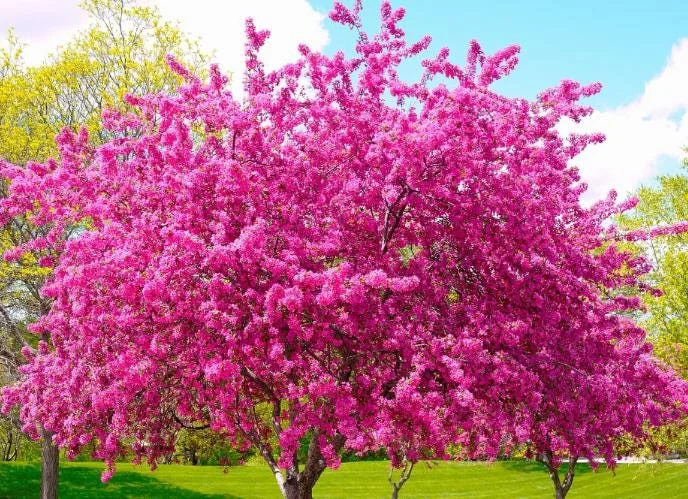
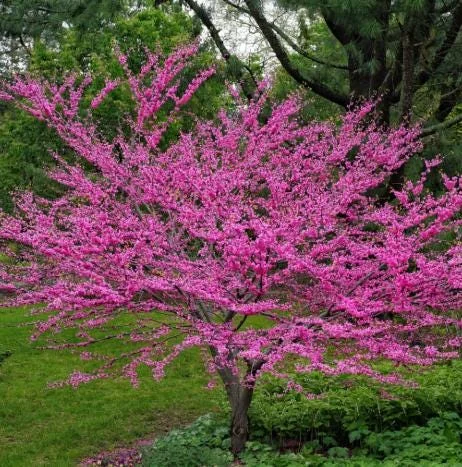
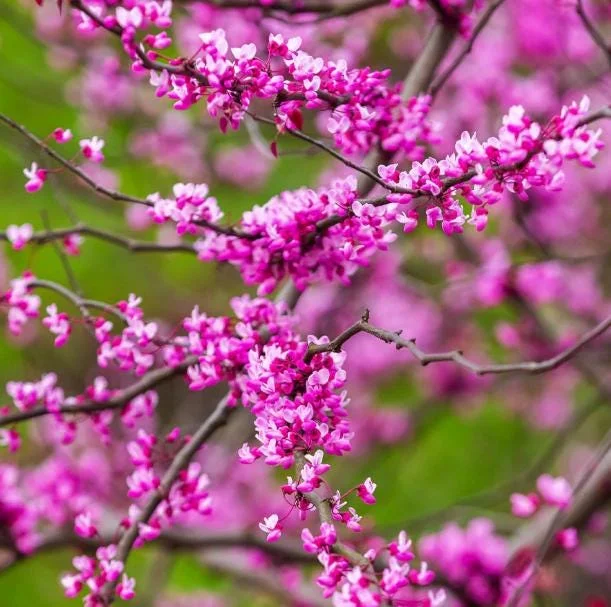
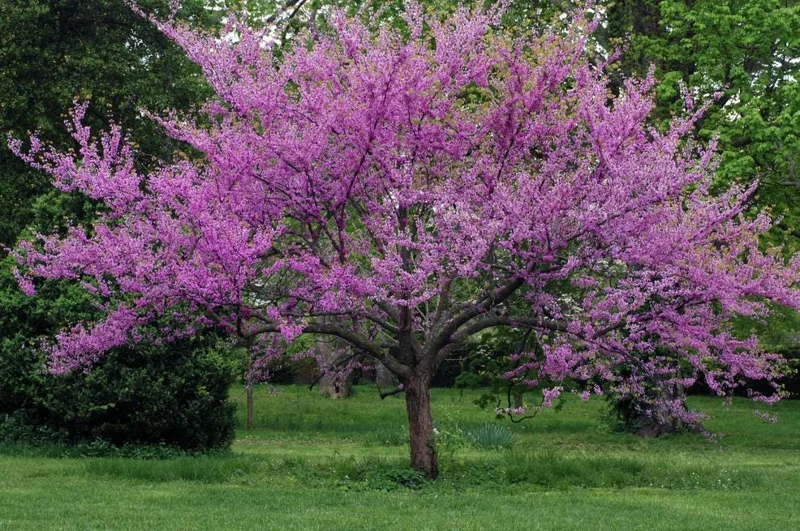
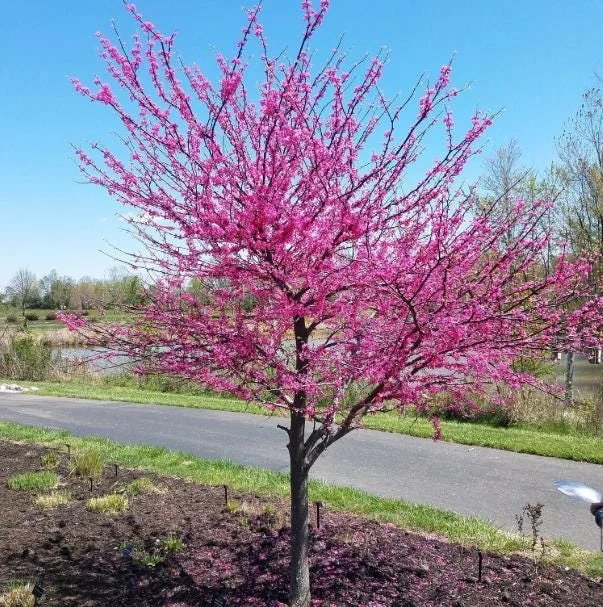
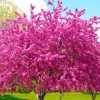
Transform your garden with our RedBud native tree bare roots, an excellent choice for adding natural beauty and ecological value to your landscape. This pack includes five dormant RedBud seedlings, each measuring 1-2 feet tall, ready to establish in your yard. The RedBud, scientifically known as Cercis canadensis, is a small to medium-sized deciduous tree celebrated for its breathtaking early spring display of pink to magenta flowers. These striking blooms emerge directly on bare branches, creating a spectacular visual before the heart-shaped leaves unfurl. As the seasons progress, the attractive foliage turns a lovely yellow in the fall, offering continuous interest. Widely cherished as an ornamental tree, the RedBud is prized for its manageable compact size, showy floral display, and appealing leaf structure, making it a favorite for gardeners across various regions. Choosing a bare root RedBud is an economical and effective way to plant, allowing the tree to root deeply and establish strongly in its new environment.
These RedBud native tree bare roots are a perfect addition for those looking to enhance their outdoor spaces with a resilient and beautiful specimen. They are shipped dormant, without leaves, which is the ideal state for bare root planting, ensuring minimal transplant shock and maximum success. The RedBud thrives in a variety of settings, from woodland gardens to urban landscapes, adapting well to different soil conditions. Its early spring blossoms provide a crucial nectar source for pollinators, contributing to local biodiversity. Whether you’re a seasoned gardener or just starting, planting these Eastern Redbud tree bare roots offers a rewarding experience, culminating in years of stunning natural beauty right in your own backyard.
Key Benefits
Planting a RedBud native tree offers a multitude of benefits, enhancing both the aesthetic and ecological value of your property. These bare root seedlings provide a strong start for a tree that will become a focal point in your garden:
- Spectacular Spring Blooms: Enjoy an explosion of vibrant pink to magenta flowers directly on bare branches in early spring, providing one of the earliest and most dramatic floral displays of the season. This show-stopping feature makes the RedBud native tree a highly sought-after ornamental.
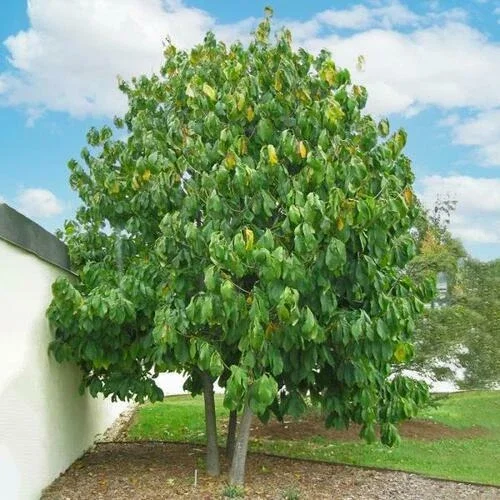
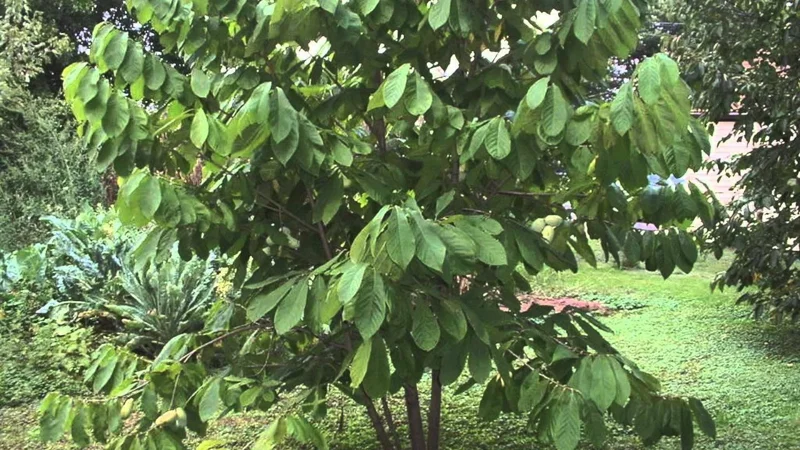
- Attractive Foliage: Beyond its flowers, the RedBud boasts distinctive heart-shaped leaves that emerge after the blooms. These leaves provide lush green color throughout the summer and transition to a beautiful yellow in the fall, offering multi-season interest.
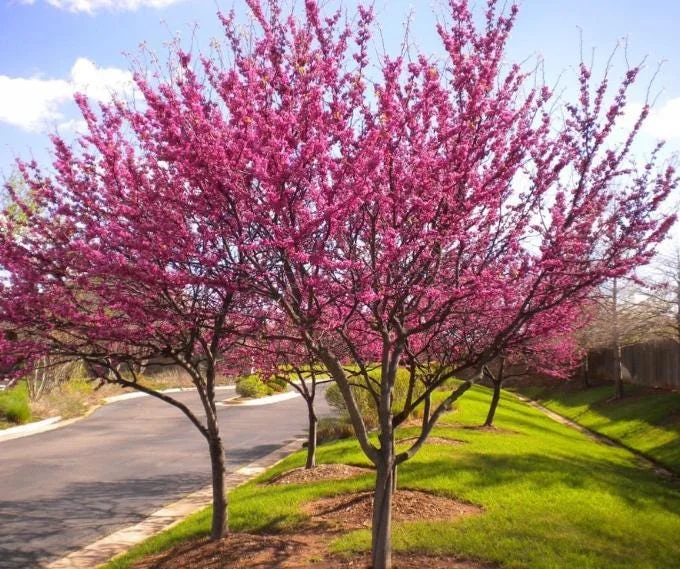
- Compact Size: As a small to medium-sized deciduous tree, the RedBud is an excellent choice for smaller gardens, urban landscapes, or as an understory tree. Its manageable size makes it versatile for various planting schemes.
- Native & Hardy: Being a native species, the RedBud is well-adapted to local climates and ecosystems, requiring less care once established. It is remarkably hardy, thriving in USDA Zones 4 to 9, making it suitable for a wide range of climates.
- Ecological Value: The early spring flowers are a vital food source for early emerging pollinators like bees, supporting local wildlife. The tree also provides shelter and nesting sites for birds.
- Low Maintenance: Once established, the RedBud native tree is relatively low-maintenance, tolerating various soil types and requiring moderate watering. Its resilience makes it a great choice for busy gardeners.
- Versatile Landscape Use: Perfect as a specimen tree, in groups, or along borders, the RedBud’s charming appearance and adaptability allow it to fit seamlessly into diverse garden designs. Consider it for a naturalized look or a more formal planting.
Plant Care & Growing Tips
Proper RedBud tree care is crucial for establishing healthy, thriving trees from bare roots. Upon arrival, if you’re not planting immediately, keep the bare roots cool and moist, ideally in a bucket of water or moist sawdust/peat moss in a cool, dark place for no more than a few days. Plant in early spring before the tree breaks dormancy. Dig a hole wide enough to accommodate the roots without bending them, and deep enough so that the root collar (where the roots meet the stem) is at ground level. Spread the roots out evenly in the hole, backfill with soil, and water thoroughly to settle the soil around the roots. Avoid planting too deeply, which can suffocate the roots.
The RedBud native tree prefers a location that receives full sun to partial shade. Full sun (at least 6 hours of direct sunlight daily) will encourage the most prolific flowering, while partial shade (2-4 hours of direct sun, especially in the afternoon) can help protect the leaves from scorching in hotter climates. It thrives in well-draining, fertile soils but is quite tolerant of a range of soil types, including clay, loam, or sandy soils. Ensure the soil is not waterlogged, as this can lead to root rot. During the first year after planting, consistent and moderate watering is essential, especially during dry spells, to help the tree establish its root system. Once established, RedBuds are moderately drought-tolerant.
The ideal temperature range for the Eastern Redbud tree is between -30°F and 100°F, making it suitable for USDA Zones 4 to 9. Fertilization is generally not needed in the first year after planting, as the focus is on root establishment. In subsequent years, a balanced, slow-release fertilizer can be applied in early spring before new growth begins, following package instructions. Pruning should be done in late winter or early spring while the tree is dormant. Remove any dead, damaged, or crossing branches. Minimal pruning is usually required, mainly to maintain shape and remove suckers. Common problems include canker disease or verticillium wilt, which can often be mitigated by ensuring good air circulation and avoiding injury to the bark. Monitor for pests like leafhoppers or borers, and address promptly if observed.
Size & Details
This offering includes 5 RedBud native tree bare roots, each seedling measuring approximately 1-2 feet tall at the time of shipment. These are dormant, unpotted plants with no leaves, which is the optimal condition for bare root planting to ensure successful establishment. The RedBud is a deciduous tree, meaning it will naturally be without leaves during the winter months, and this is how they will arrive for planting. Upon maturity, the Eastern Redbud tree typically grows to a height of 20-30 feet with a similar spread, forming an attractive, rounded canopy. Its growth rate is considered medium, generally adding 13-24 inches per year once established. Expect the first significant blooms within 3-5 years after planting, with more prolific flowering as the tree matures. These bare roots provide a cost-effective and robust way to grow a beautiful, long-lived specimen for your garden.
Frequently Asked Questions
- Q: How big does this RedBud native tree get? A: The RedBud native tree typically grows to a mature height of 20-30 feet and can have a similar spread, forming a beautiful, rounded canopy. Its size makes it suitable for various garden settings.
- Q: What condition will the bare root RedBud arrive in? A: Your bare root RedBud seedlings will arrive dormant, without leaves, and with their roots protected. This is the ideal state for planting to ensure successful establishment and minimize transplant shock.
- Q: Is this an indoor or outdoor plant? A: The RedBud is an outdoor deciduous tree. It requires exposure to seasonal changes and is not suitable for indoor cultivation. It thrives in USDA Zones 4 to 9.
- Q: How much sunlight does the Eastern Redbud tree need? A: The Eastern Redbud tree performs best in full sun to partial shade. For the most abundant blooms, aim for at least 6 hours of direct sunlight per day. Partial shade in the afternoon can be beneficial in hotter climates.
- Q: Is this tree easy to care for, especially for beginners? A: Yes, once established, RedBud tree care is relatively easy. They are adaptable to various soil types and climates, making them a good choice for both experienced and novice gardeners. Consistent watering during the first year is key.
- Q: When is the best time to plant these bare roots? A: The best time to plant bare root RedBud seedlings is in early spring, as soon as the ground can be worked and before the tree begins to break dormancy and leaf out.
- Q: Will the RedBud native tree survive winter in my zone? A: The RedBud native tree is hardy in USDA Zones 4 to 9. If you are within these zones, your tree should survive winter and re-emerge in spring. It is naturally dormant during the colder months.
- Q: What kind of soil does the RedBud prefer? A: RedBuds prefer well-draining, fertile soils. They are tolerant of clay, loam, or sandy soils, but good drainage is essential to prevent root rot.
- Q: How long until my RedBud tree blooms? A: You can typically expect your RedBud native tree to start producing significant blooms within 3-5 years after planting, with flowering becoming more prolific as the tree matures.
- Q: What is the expected growth rate for an Eastern Redbud tree? A: The Eastern Redbud tree has a medium growth rate, typically adding 13-24 inches of height per year once it has established its root system.




Reviews
There are no reviews yet.