Overview
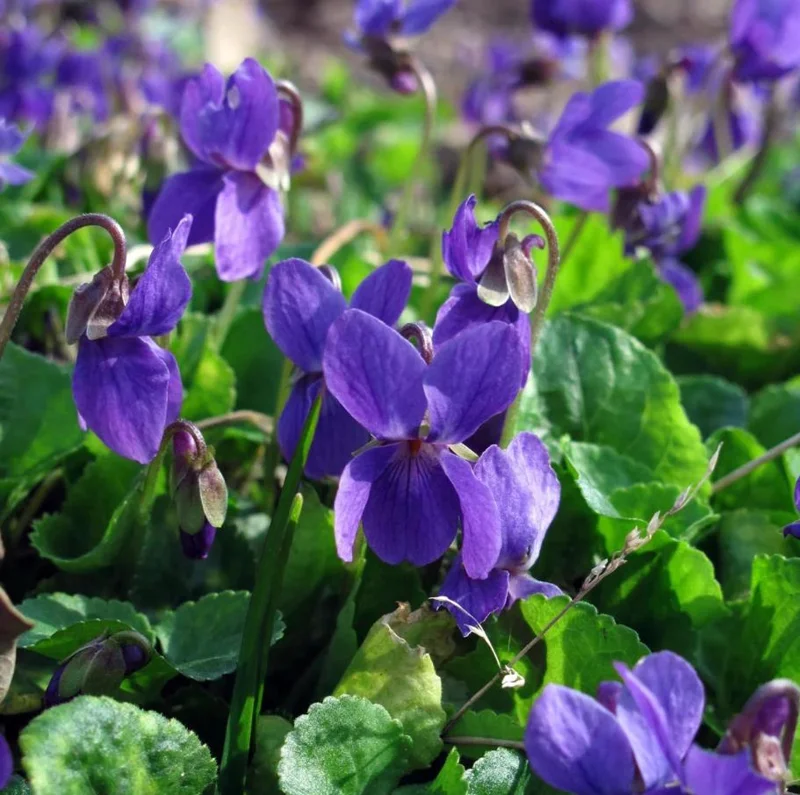
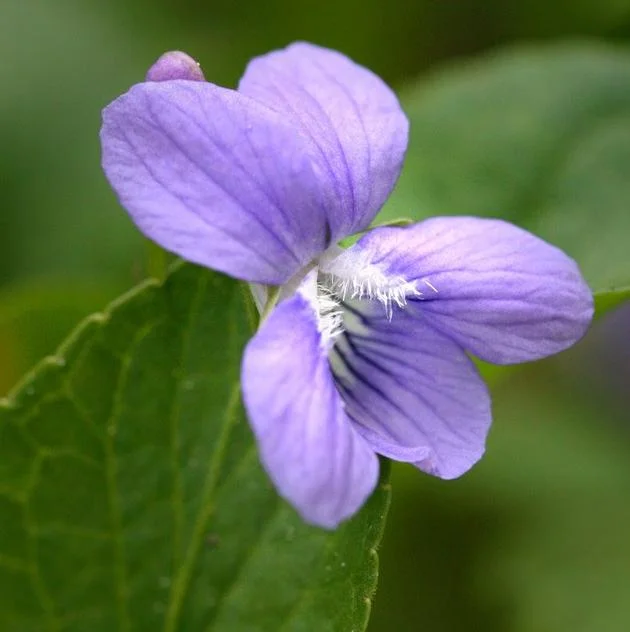
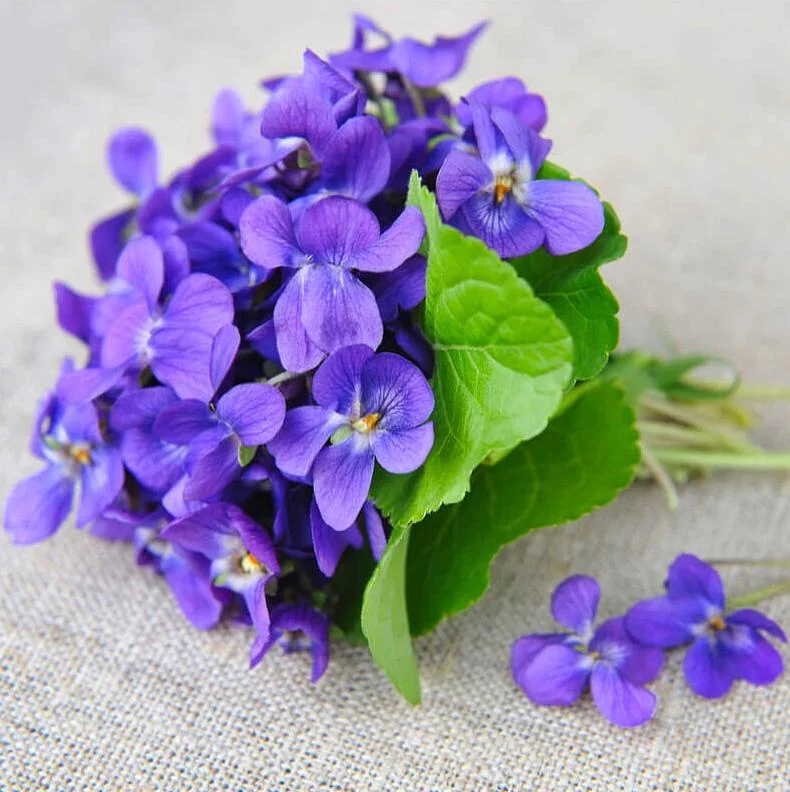
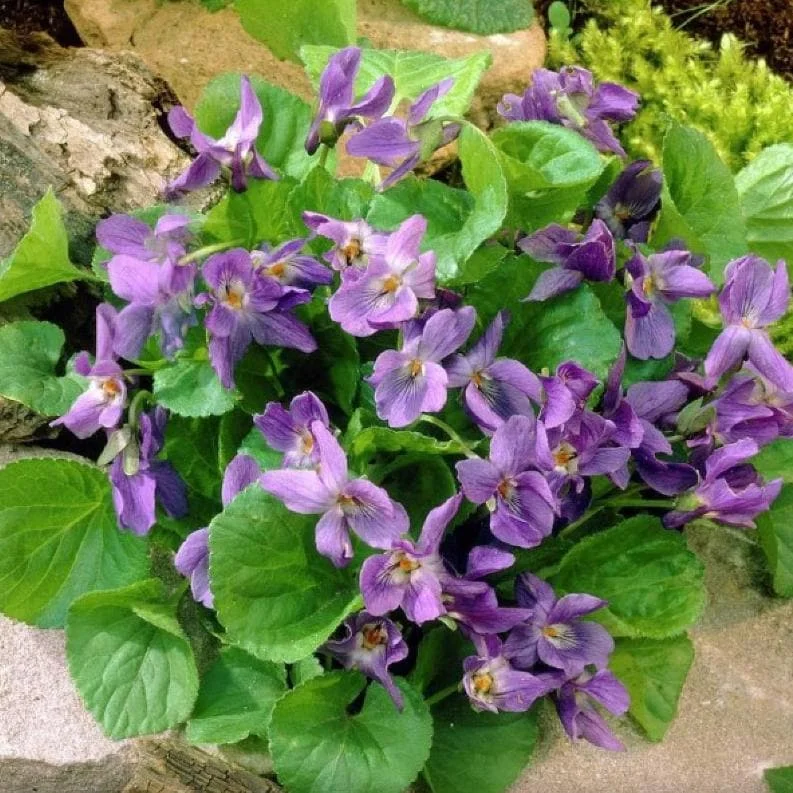
Embark on a rewarding gardening journey with our premium packet of common blue violet seeds. These exquisite seeds, scientifically known as Viola sororia (also referred to as Viola papilionacea), offer an opportunity to cultivate a beloved native wildflower known for its delicate beauty and resilience. The common blue violet is a charming perennial that produces an abundance of heart-shaped leaves and vibrant blue-purple flowers, bringing a touch of natural elegance to any landscape. Ideal for ground cover, naturalized areas, or woodland gardens, these viola sororia seeds are a fantastic choice for gardeners seeking to enhance biodiversity and enjoy early spring blooms. Growing these flowers from seed allows you to witness their complete life cycle, providing a deeper connection to nature and a sense of accomplishment.
Each packet contains 50 common blue violet seeds, providing ample opportunity to establish a thriving patch of these lovely plants. Native to North America, Viola sororia is highly adaptable and thrives in various conditions, making it a popular choice for both novice and experienced gardeners. Its ability to self-seed ensures a continuous display of color year after year, transforming your garden into a haven for pollinators and wildlife. These flower seeds are a wonderful addition to cottage gardens, shade gardens, or even container plantings, offering versatility and enduring charm. Prepare to be enchanted by the simple yet profound beauty of these delightful violets as they emerge from the soil.
Key Benefits
Growing viola sororia seeds offers numerous advantages for your garden and local ecosystem. These native wildflowers are not only beautiful but also contribute significantly to environmental health.
- Charming Early Spring Blooms: The common blue violet seeds will germinate into plants that produce an abundance of lovely blue-purple flowers in early spring, providing much-needed color after winter and serving as an early food source for pollinators.
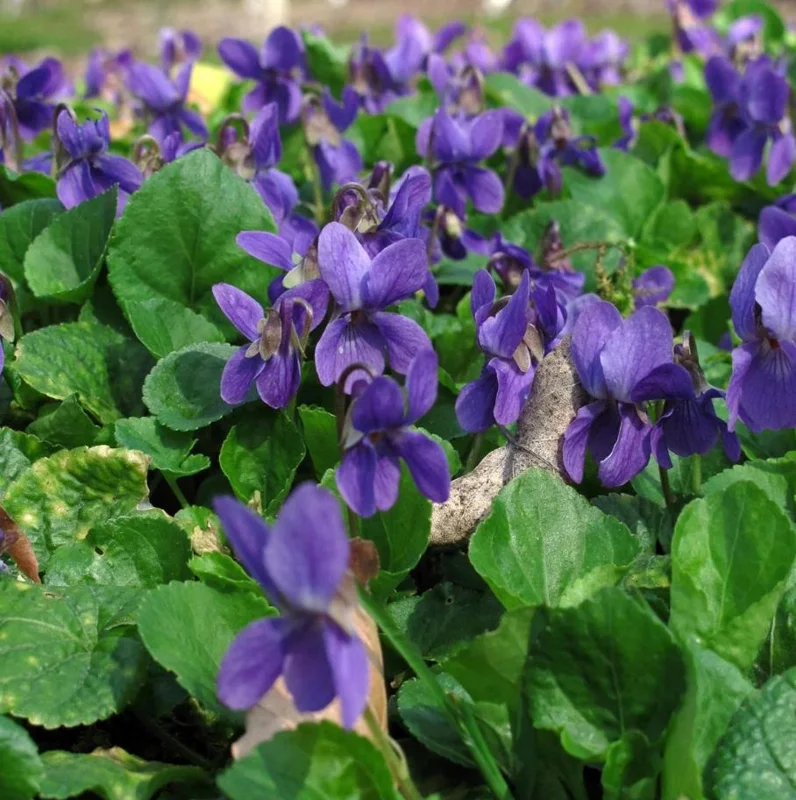
- Excellent Ground Cover: Viola sororia forms dense mats of foliage, making it an ideal choice for naturalizing areas, preventing erosion, and suppressing weeds in shaded garden beds.
- Attracts Pollinators: These violet flower seeds will grow into plants that are a vital food source for early-season bees and butterflies, supporting local biodiversity and contributing to a healthy garden ecosystem.
- Low Maintenance & Resilient: Once established, common blue violets are incredibly hardy and require minimal care, tolerating a range of soil conditions and light exposures. They are a perfect choice for gardeners looking to grow blue violets with ease.
- Edible Flowers & Leaves: Both the flowers and young leaves of Viola sororia are edible, offering a delicate flavor that can be added to salads, desserts, or used as a garnish.
- Naturalizes Easily: These plants readily self-seed, ensuring a continuous and expanding display of vibrant blooms year after year without extensive effort from the gardener. This makes them perfect for creating a natural, woodland feel.
- Adaptable to Shade: Unlike many flowering plants, Viola sororia thrives in partial to full shade, making it an excellent option for challenging areas of the garden where other flowers struggle.
Plant Care & Growing Tips
Successfully growing common blue violet seeds, or viola papilionacea, requires understanding their natural dormancy and stratification needs. The journey begins with preparing the seeds for germination. Since Viola sororia seeds have a natural dormancy, they benefit greatly from a process called cold stratification. This mimics the natural winter conditions they would experience in the wild. To stratify, mix your 50 common blue violet seeds with a small amount of moist sand or peat moss in a plastic bag. Place this mixture in your refrigerator (at temperatures between 35–40°F or 1–4°C) for a period of 30 to 60 days. This cold, moist treatment helps to break dormancy and signals to the seeds that spring is approaching, preparing them for germination.
Once stratification is complete, or if you are sowing in fall for natural stratification, choose a suitable location for your viola sororia seeds. Common blue violets prefer a partially shaded to fully shaded area of your garden. The soil should be well-draining, moist, and rich in organic matter. Sow the seeds on the surface of the soil or lightly press them in, as they require some light for successful germination. Keep the soil consistently moist but never waterlogged. Germination can be a patient process, often taking 1 to 2 months, and sometimes even longer. During this time, ensure the seedbed remains undisturbed and adequately moist. Once seedlings appear, thin them if necessary to prevent overcrowding and ensure good air circulation, which helps prevent fungal issues.
After your violet flower seeds have successfully germinated and the seedlings have grown a few inches tall, they can be transplanted if needed, with a spacing of 6 to 12 inches apart. Continue to water regularly, especially during dry periods, to maintain consistent soil moisture. Common blue violets are known for their prolific self-seeding, which means they will spread naturally over time, creating dense patches of beautiful flowers. While this is a desirable trait for naturalizing areas, be mindful of their spread if you prefer a more contained garden. These plants are generally hardy and disease-resistant, making them a low-maintenance addition to almost any garden setting. Enjoy watching your efforts to grow blue violets transform your outdoor space.
Size & Details
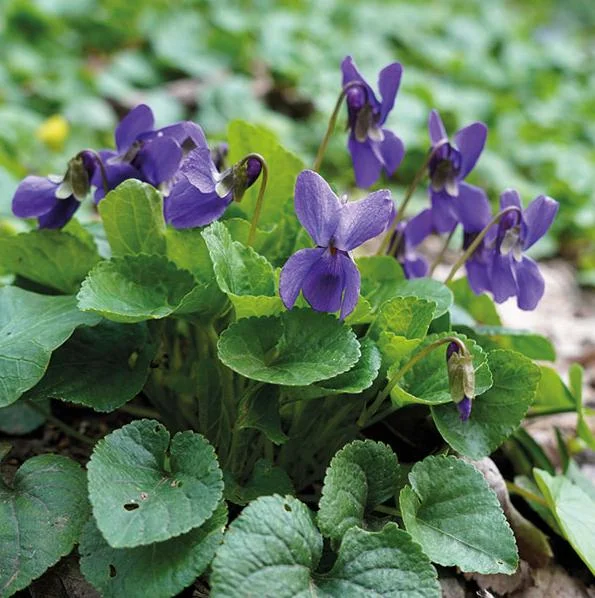
This product includes a packet containing 50 common blue violet seeds (Viola sororia/Viola papilionacea), ready for planting. These seeds will grow into perennial plants that typically reach a height of 4 to 8 inches (10-20 cm) and spread to form clumps about 6 to 12 inches (15-30 cm) wide, making them an excellent choice for ground cover. The growth rate is moderate, with plants establishing well in their first year and blooming in their second year from seed. The seeds are suitable for direct sowing in fall or early spring after cold stratification. Once established, these plants are known for their vigorous growth and self-seeding capabilities, ensuring a lasting presence in your garden. The delicate, heart-shaped leaves provide attractive foliage even when the plants are not in bloom.
Expect vibrant blue-purple flowers in early spring, usually appearing from March to May depending on your climate zone. The flowers are small but numerous, creating a carpet of color. The plant’s compact size makes it suitable for various garden applications, from woodland edges to rock gardens. Each seed is carefully selected to ensure viability, providing you with the best possible start for your common blue violet seeds. With proper care and the right conditions, these viola sororia seeds will flourish, bringing continuous beauty and ecological benefits to your outdoor space for many years to come.
Frequently Asked Questions
- Q: How many seeds are included in this packet? A: This packet contains 50 common blue violet seeds, providing a generous quantity for planting and establishing a beautiful patch of violets in your garden.
- Q: What is the best time to plant these viola sororia seeds? A: The best time to sow viola sororia seeds is in the fall for natural cold stratification, or in early spring after you have artificially cold stratified them for 30-60 days in your refrigerator.
- Q: Do these seeds need any special treatment before planting? A: Yes, these violet flower seeds require a period of cold stratification (30-60 days in a refrigerator) to break dormancy and encourage germination. This mimics natural winter conditions.
- Q: How much sunlight do common blue violets need? A: Common blue violets thrive in partial to full shade. They prefer areas that receive dappled sunlight or shade throughout the day, making them ideal for woodland gardens or under deciduous trees.
- Q: Is this plant easy to care for once established? A: Yes, once established, the plants from these common blue violet seeds are very low maintenance. They are quite hardy and tolerant of various conditions, requiring minimal attention beyond occasional watering during dry spells.
- Q: How long does it take for the seeds to germinate? A: Germination can take a bit of patience, typically ranging from 1 to 2 months after planting, and sometimes longer. Consistent moisture is key during this period.
- Q: What type of soil is best for growing blue violets? A: These plants prefer well-draining, moist, and humus-rich soil. Amending your soil with compost can greatly benefit their growth.
- Q: Can I grow blue violets in containers? A: Yes, you can grow blue violets in containers, especially if you provide them with adequate drainage, moist soil, and a partially shaded location.
- Q: Are the flowers and leaves of Viola sororia edible? A: Yes, both the flowers and young leaves of Viola sororia are edible and can be used in salads, as garnishes, or to make violet jelly.
- Q: Will these plants spread significantly in my garden? A: Yes, Viola sororia is known for its prolific self-seeding and can spread to form dense ground cover. Be mindful of its spreading nature if you prefer a more contained garden.





Reviews
There are no reviews yet.