Plant Care Expert Guides
Grow Your Own Red Currants: The Ultimate Guide to Big Harvests
Apr
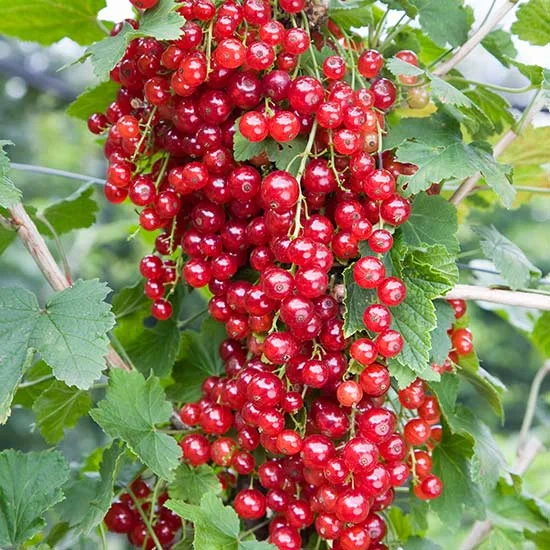
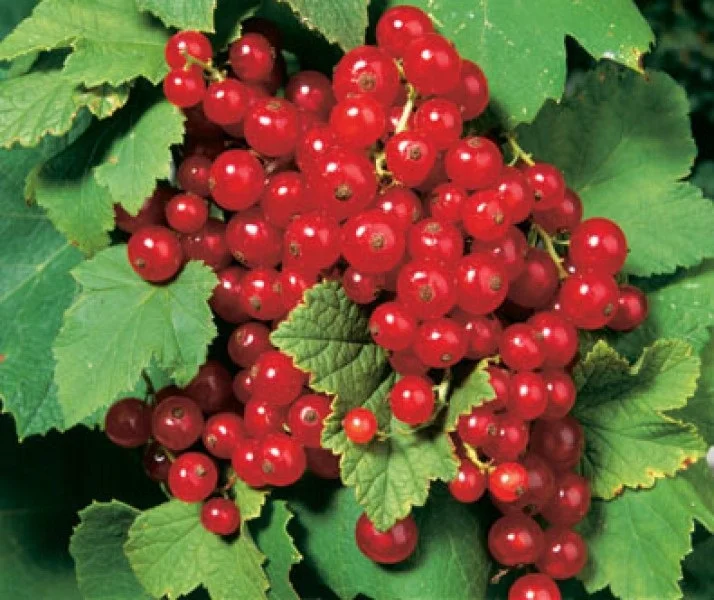
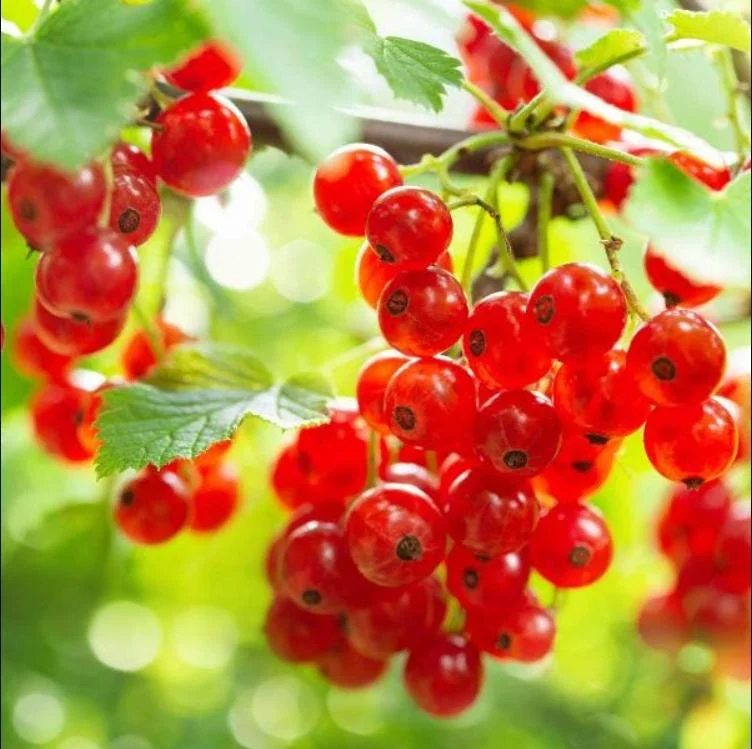
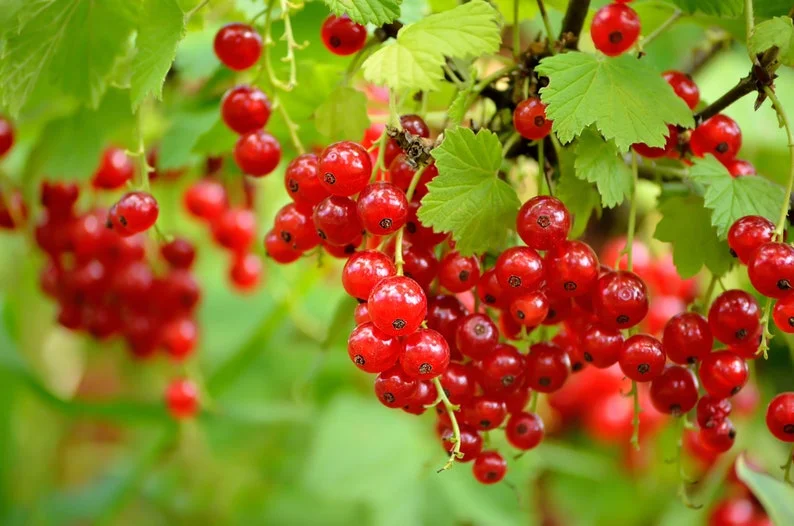
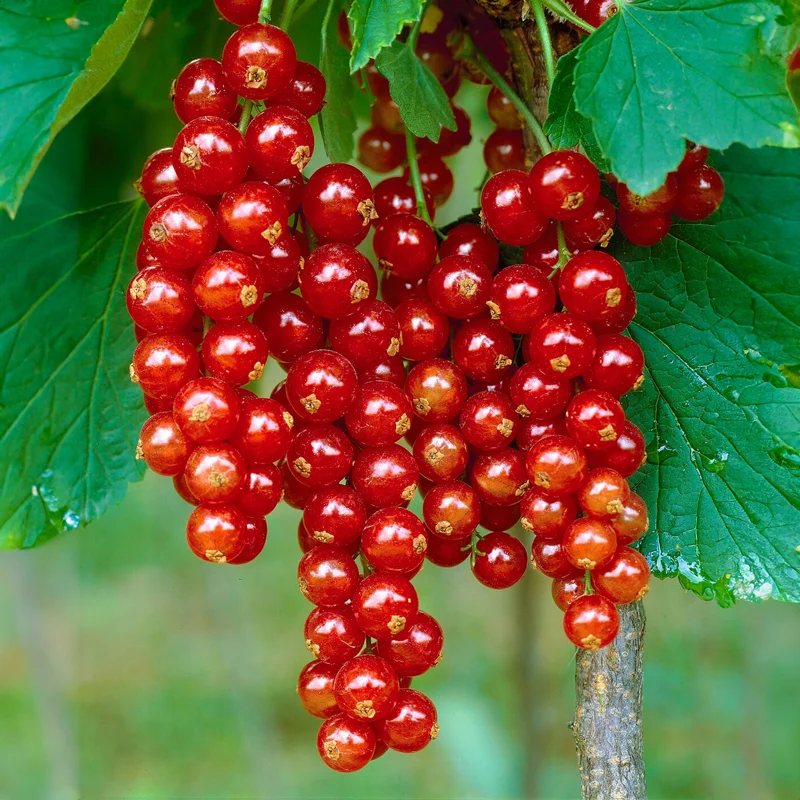
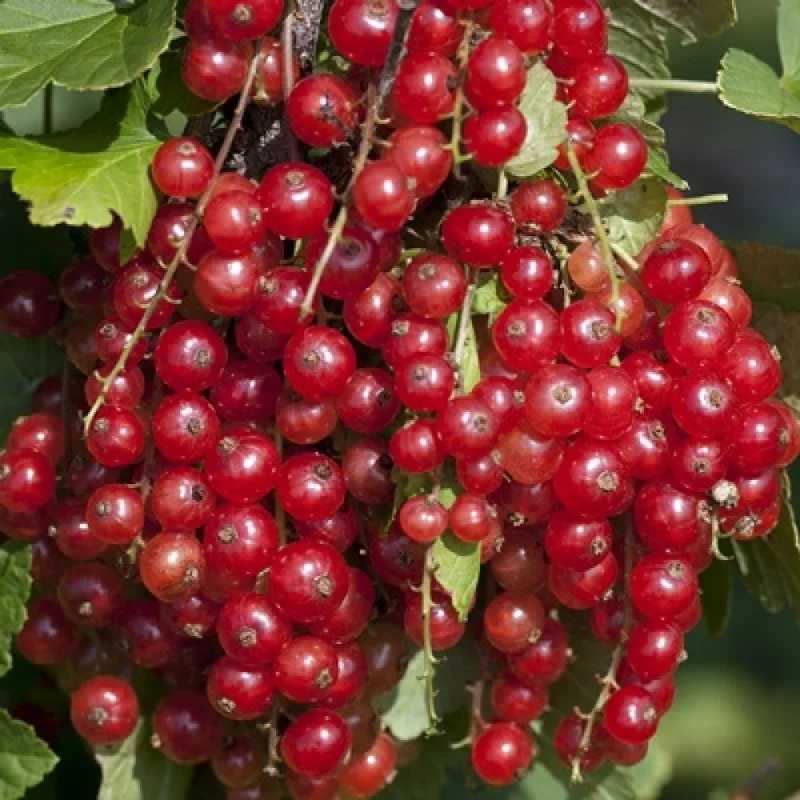
Red currant bushes (Ribes rubrum) are actually some of the most resilient, low-maintenance deciduous shrubs you can own. Once they settle in, they reward you with clusters of “summer berries” that look like translucent jewels hanging in the sunlight from late June through mid-July.
Beyond the fruit, their upright growth habit and attractive, maple-like leaves make them a stunning structural addition to any landscape or edible garden. Best of all, these plants are self-fertile, which means even if you only have space for one bush, you’ll still enjoy a full harvest of summer berries right at your fingertips.
In this guide, I’ll walk you through everything, from choosing the best varieties for our climate to the organic fertilizers that actually deliver results. Let’s get your garden productive and your pantry full.
What are Red Currants (Ribes rubrum)
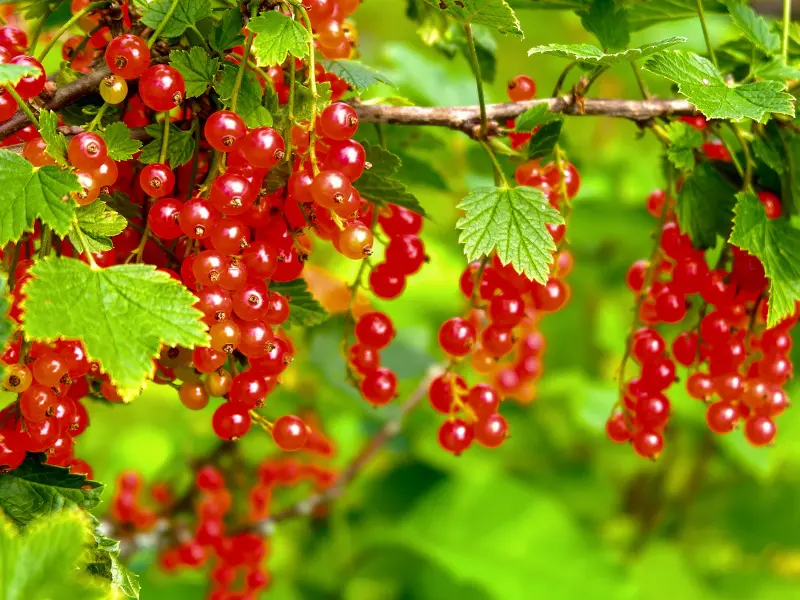
Red currants have been a staple in European cottage gardens for centuries, but they are currently making a massive comeback right here in the United States. Why? Because they are tough, cold-hardy, and incredibly prolific.
Unlike blueberries, which can be a bit “diva-ish” about needing super-acidic soil, red currants are much more easygoing. They offer a unique tart flavor profile that you just can’t find in grocery store strawberries or raspberries.
Beyond the taste, they are nutritional powerhouses packed with high vitamin C content and antioxidants. Whether you want to make a shimmering Red Currant Jelly, a sophisticated tart sauce for roasted meats, or simply freeze them for your winter smoothies, having a bush in your yard is like having a gourmet grocery aisle right outside your door.
Best Varieties for Home Gardens
Choosing the right cultivar is half the battle. If you want a harvest that actually fills a bucket, look for these:
Jonkheer Van Tets: This is my top pick for US gardeners because it ripens early and yields heavy, delicious fruit.
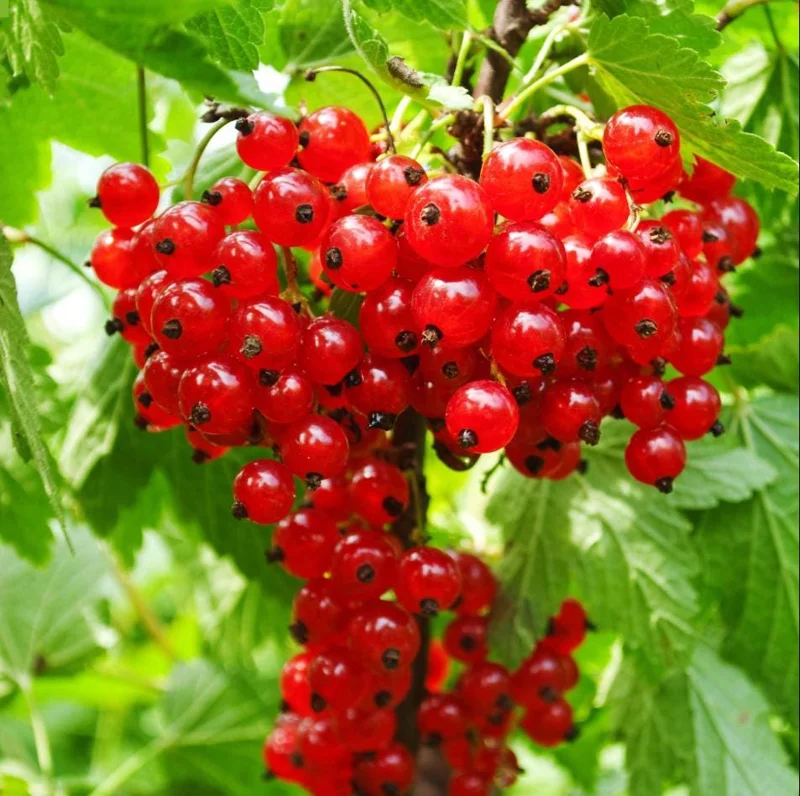
Rovada: If you hate tedious picking, this is for you. It grows very long clusters (called “strigs”), which makes harvesting a breeze.
Red Lake: A reliable, old-school variety that handles the fluctuating temperatures of the Midwest and Northeast beautifully.
Planting Red Currants
Before you rush to buy red currant bushes online, you need to pick the right “apartment” for them in your yard. Getting the foundation right now saves you a lot of headaches next season.
Choosing the Right Location
While most berries crave 12 hours of blistering sun, red currants are a bit more refined. In cooler Northern regions, full sun is great. However, if you live in USDA Hardiness Zones 6 or 7, where summers get scorching, these plants actually appreciate some afternoon shade. Think of them as “forest edge” plants—they like the light, but they don’t want to be baked alive.
Soil Requirements
Red currants love “loamy soil”—that perfect, crumbly mix of sand, silt, and a little clay. They prefer a soil pH between 6.0 and 7.0. If your backyard soil feels like heavy, sticky clay, don’t panic. Just mix in some aged compost or leaf mold to improve the drainage. The one thing they truly hate is “wet feet”—they won’t survive in a spot where water stands for hours after a rainstorm.
How to Plant Red Currant Bushes Step-by-Step
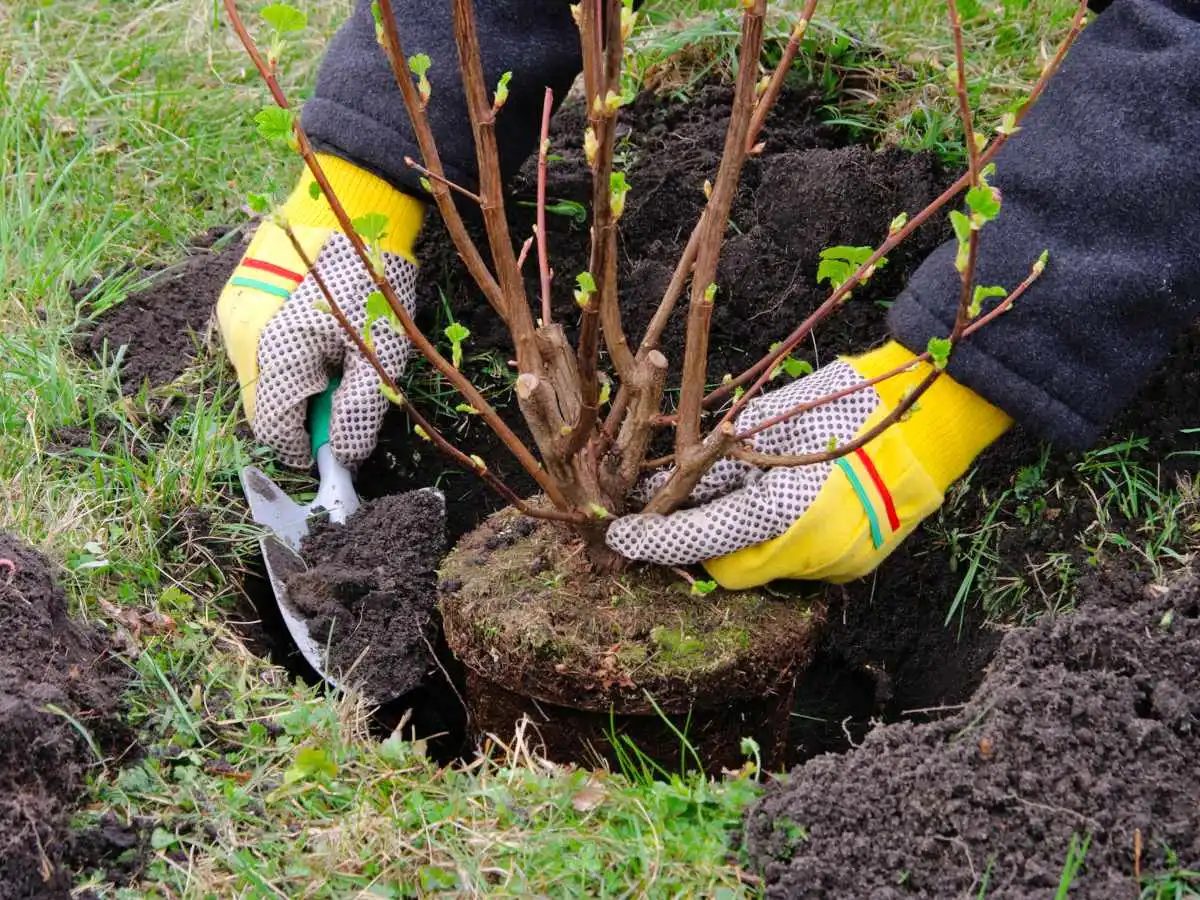
I remember helping a friend plant her first nursery stock last spring. She was terrified of burying the stem too deep. With currants, the rules are actually a bit different than with fruit trees!
Late fall or early spring is your golden window. Planting during the dormant season allows the roots to get comfortable before the stress of summer heat hits.
Plant your bush about an inch deeper than it was in its nursery pot. This sounds counterintuitive, but it encourages the plant to send up multiple stems from the base, giving you a fuller, more productive bush.
Give them elbow room! Space your bushes about 3 to 5 feet apart to ensure good airflow.
Once it’s in the ground, give it a long, slow drink and top the soil with wood chips or straw. Red currants have shallow roots, and mulch acts like a cooling blanket that keeps moisture from evaporating.
Growing Red Currant
Watering for Juicy Berries
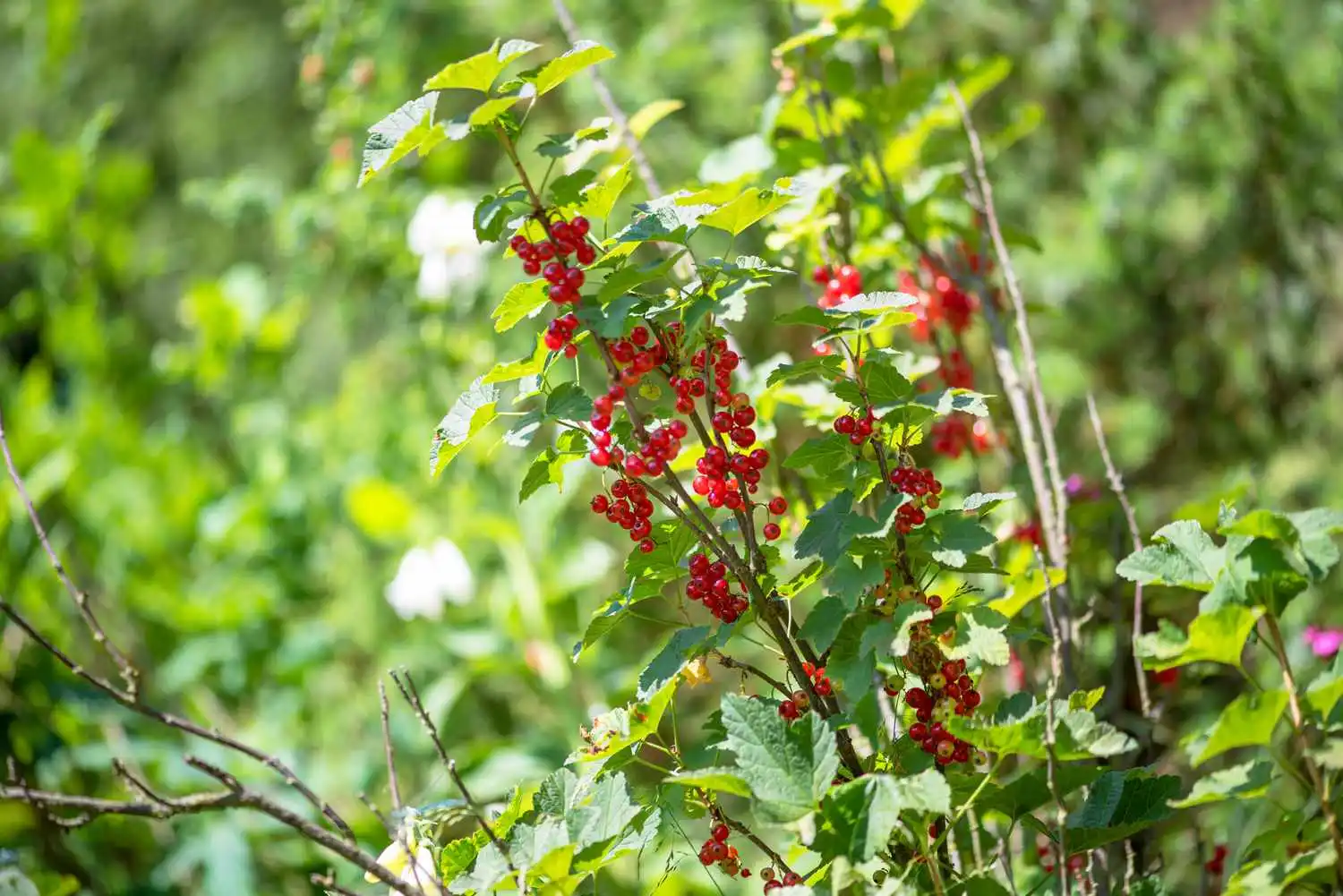
If you want berries that pop with juice, you can’t let the soil go bone-dry during the fruiting season (usually June and July). Aim for about an inch of water per week. My rule of thumb? Stick your finger two inches into the soil—if it feels dry, it’s time to turn on the hose.
Feeding
Keep it simple. You don’t need fancy chemicals. Every spring, I spread a fresh layer of compost or a well-balanced organic fertilizer around the base. Avoid high-nitrogen fertilizers late in the summer; you don’t want the plant growing soft, green leaves right before the first frost hits.
Pruning
Don’t be afraid of the shears! Red currants fruit best on wood that is two or three years old. Each winter, follow the “Rule of Three”:
Keep some 1-year-old stems (for future growth).
Keep the 2 and 3-year-old stems (these are your heavy hitters).
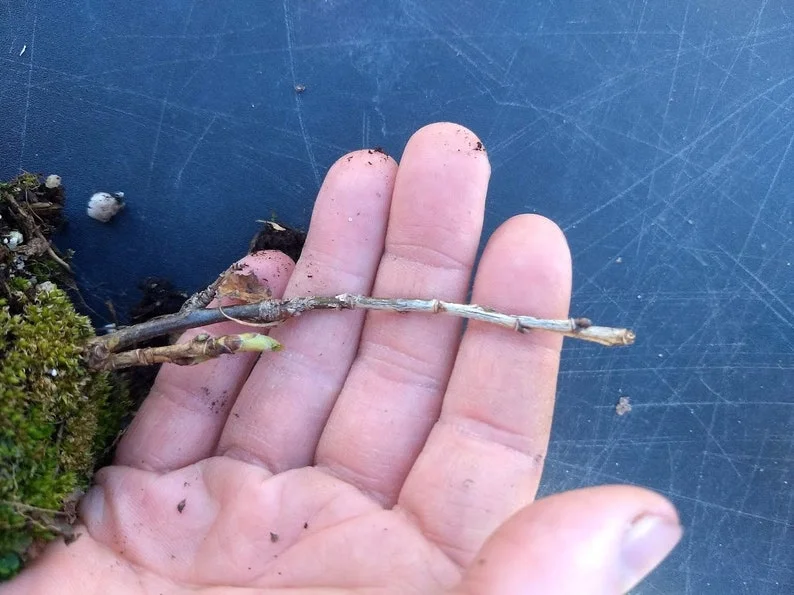
Cut out anything older than 3 years (it usually looks dark, gnarled, and peeling).
Potting and Repotting
Red currant bushes are surprisingly happy living in containers on a sunny patio or deck. However, because their “home” is limited by the size of the pot, they do need a little extra TLC to stay productive.
The Three-Year Rule: Currants are vigorous growers. To prevent your plant from becoming rootbound (where the roots start circling the pot and choking the plant), plan to repot every three years. The best time to do this is right after your summer harvest is finished.
When repotting, always move up just one pot size. If you go too big, the soil can stay too wet and lead to root rot.
When you pull the bush out, gently trim the very outer tips of the roots and shake off the old, tired dirt. Fill the new pot with fresh, high-quality potting mix and organic compost. This “spa treatment” for the roots ensures your bush has the energy to bounce back even stronger next spring.
Overwintering
One of the best things about Ribes rubrum is how incredibly winter-hardy they are. They can handle deep freezes that would kill off most other berry varieties. That said, they have one “Achilles’ heel” you need to watch out for: late spring frosts.
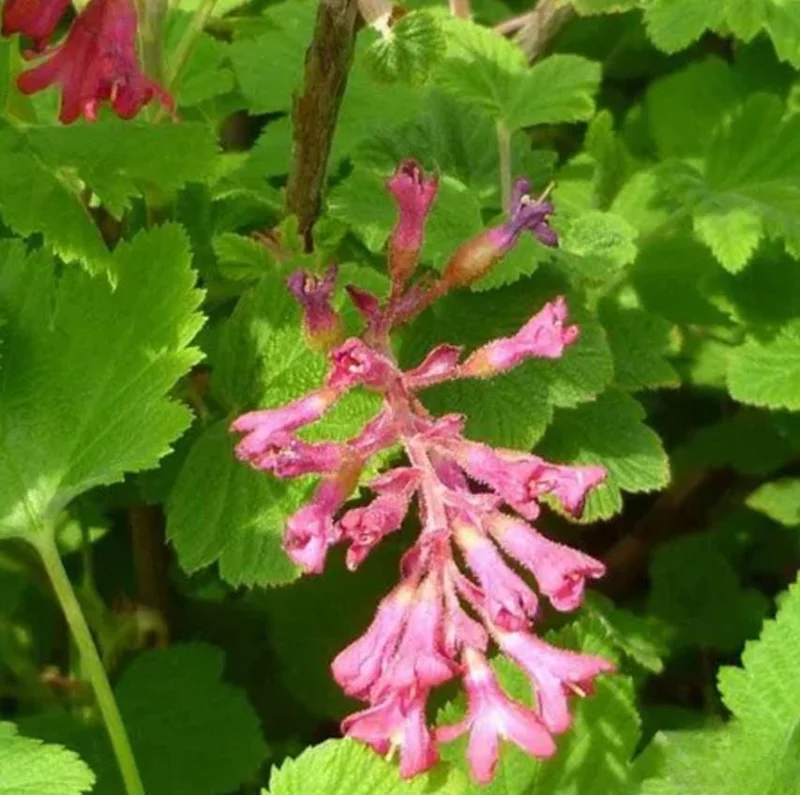
While the bush itself can survive a blizzard, the early-season buds and flowers are much more delicate. A sudden cold snap in April or May can cause bloom dieback, meaning those beautiful flowers drop off before they can ever become berries.
In the early spring, keep a close eye on your local forecast. If you see a “freeze warning” after your bush has started leafing out, it’s time to act.
Troubleshooting Common Problems
Pests and Diseases
Aphids: If you see leaves curling, you probably have aphids. Usually, a sharp blast from the garden hose is enough to knock them off.
Currant Worms: These little guys can strip a bush in days. Keep an eye out in early spring and hand-pick them or use an organic neem oil spray.
Powdery Mildew: If your leaves look like they were dusted with flour, you need better airflow. Pruning helps immensely here!
The Bird Battle
Birds love these tart red fruits as much as we do. Once the berries start turning pink, it’s time for the “bird netting.” I’ve learned the hard way that if you wait until they are bright red, the birds will have already invited their entire extended family for a feast.
Harvesting and Storage
When to Pick
Red currants are tricky; they turn bright red long before they are actually ripe. If you pick them too early, they’ll be mouth-puckeringly sour. Wait until the entire cluster (the “strig”) is a deep, translucent crimson. They are surprisingly sturdy and can hang on the bush for a week or two once ripe, so there’s no need to rush.
Freshness Tips
To keep them fresh, don’t wash them until the last minute. They’ll stay firm in the fridge for about 5 days. If you have a bumper crop, freeze them on a flat baking sheet first before bagging them—this stops them from turning into one giant “berry brick” in your freezer.
Frequently Asked Questions (FAQs)
1. Do I need two red currant bushes to get fruit? Most red currants are self-fertile, meaning one bush will produce fruit on its own. However, many gardeners find that having two or more bushes improves cross-pollination, leading to even bigger harvests.
2. How long does it take for a red currant bush to fruit? You will likely see a few berries in the first year, but a significant harvest usually comes in the second or third year. By year four, your bush will be in full production mode.
3. Can I grow red currants in pots? Yes! They do surprisingly well in containers. Just make sure the pot is at least 15 to 20 gallons and has great drainage. You’ll need to water container plants more frequently than those in the ground.
4. Why are my red currants dropping their fruit before they ripen? This is often caused by late spring frosts or inconsistent watering. If the plant gets stressed by a sudden dry spell while the fruit is setting, it might drop the berries to save itself. Mulching helps prevent this.
Conclusion
Growing red currant bushes is an incredibly rewarding way to add “edible landscaping” to your home. They are beautiful, functional, and provide a harvest you simply can’t find at the local corner store. By picking a cool spot in your yard and keeping up with your winter pruning, you’ll have enough berries to keep your family in jellies and tarts all winter long.
You may like:
- 7 Best Berry Bushes to Plant This Early Spring for Big Yields
- How to Grow Wild Huckleberries: A Guide to Purple Gold