Overview
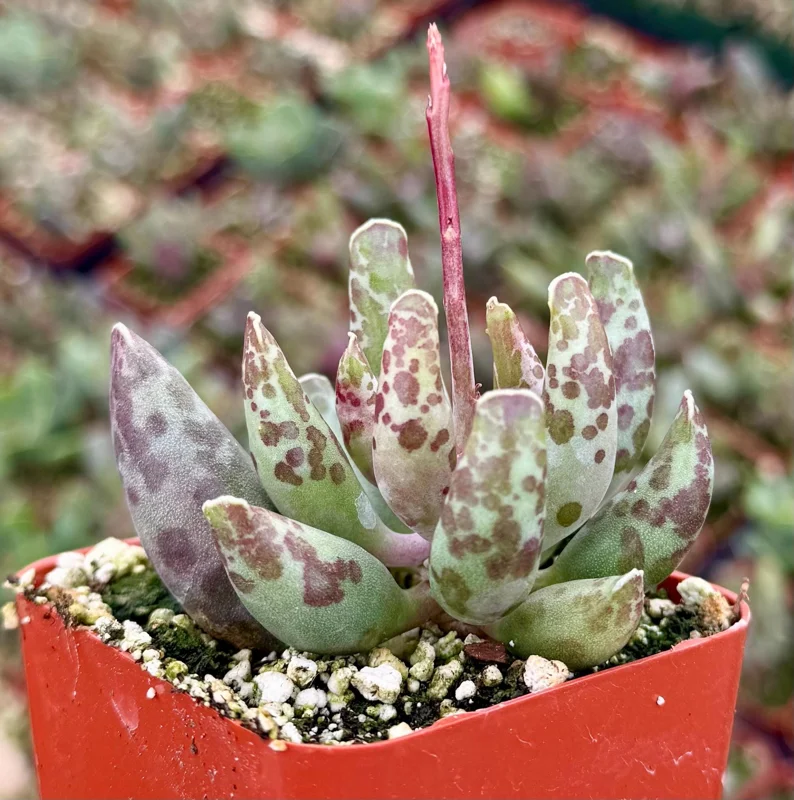
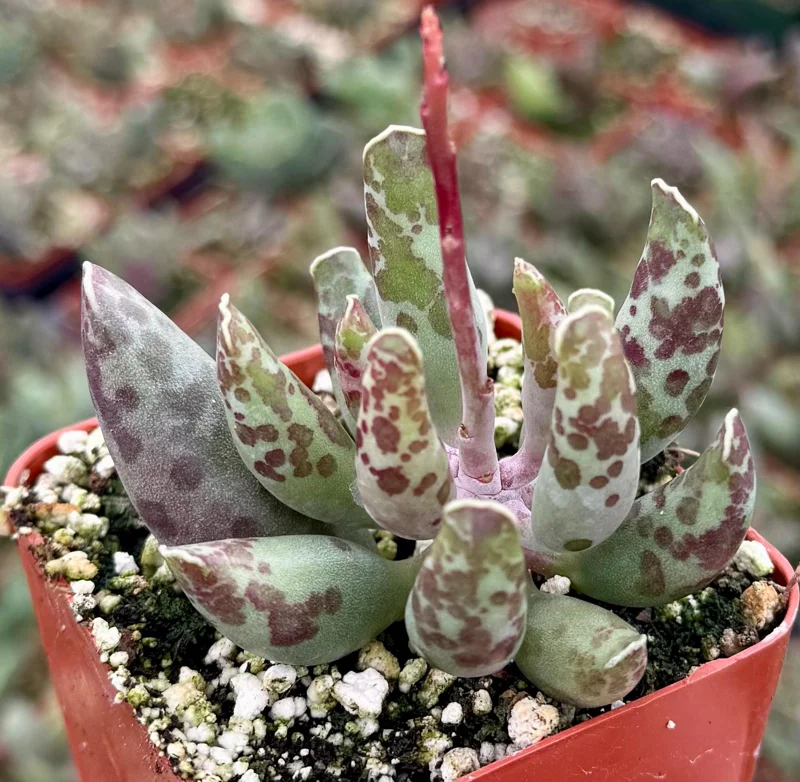
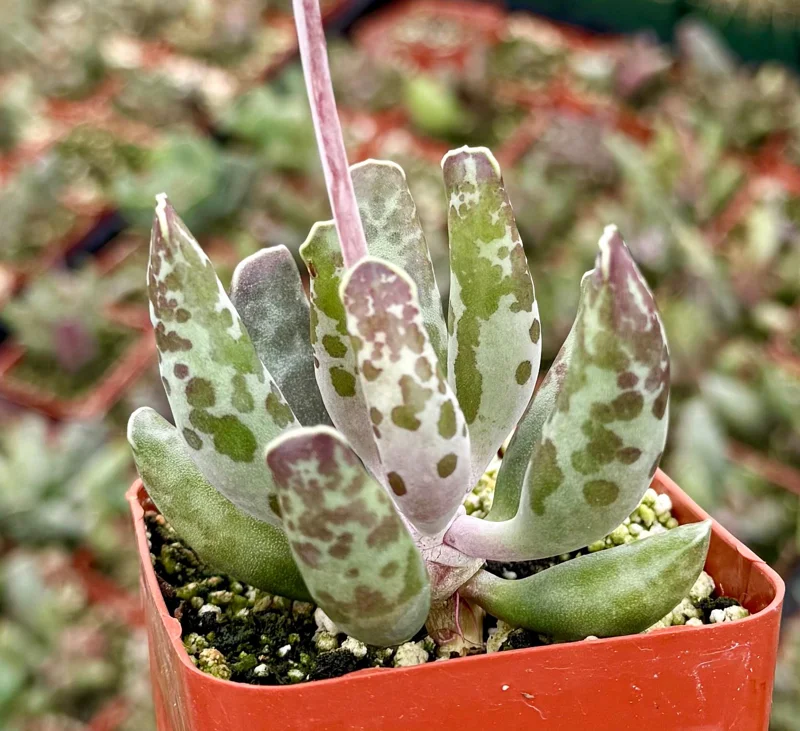
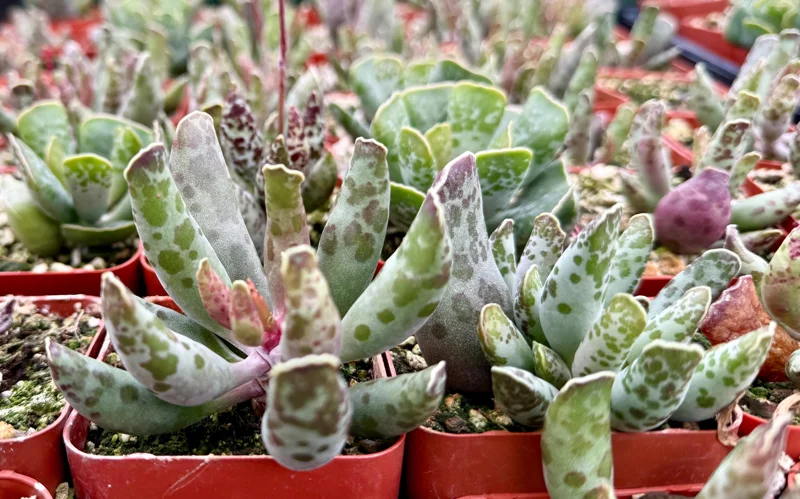
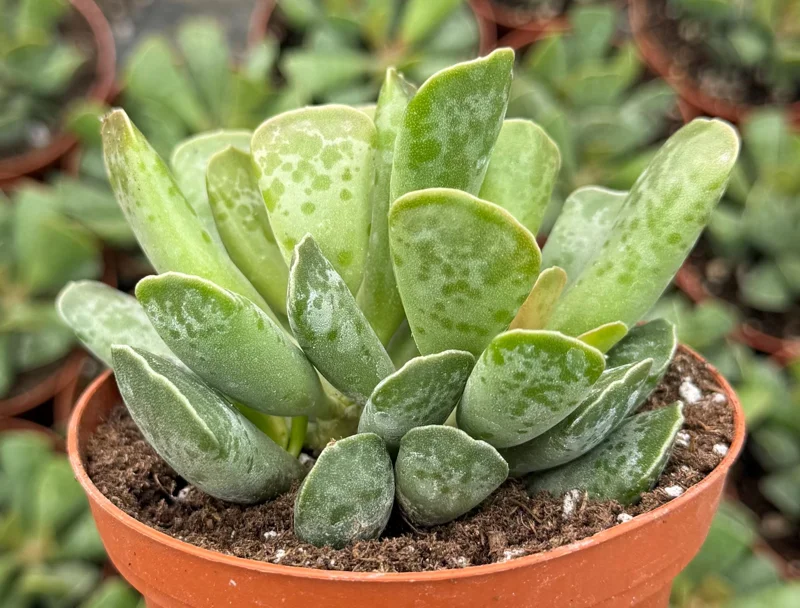
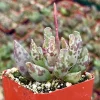
Introduce a touch of unique beauty to your home or office with the exquisite Adromischus Cooperi live plant. Commonly known as the Plover Eggs succulent, this fascinating plant is celebrated for its distinctive appearance and manageable size. Originating from South Africa, Adromischus cooperi is a small, slow-growing succulent that captivates with its thick, fleshy, club-shaped leaves. These leaves are often adorned with striking purple spots, resembling the speckled eggs of a plover, which gives the plant its charming common name. Its compact nature makes it an excellent choice for enthusiasts seeking small succulent plants that don’t demand much space but offer significant visual interest. This easy-to-care-for succulent is perfect for adding a natural, artistic element to windowsills, desks, or terrariums.
The Adromischus Cooperi live plant is not just a pretty face; it’s also remarkably resilient and low-maintenance, making it suitable for both seasoned succulent collectors and beginners alike. Its unique foliage provides year-round appeal, and with proper care, it can occasionally produce delicate, tubular flowers on slender stalks during its growing season. If you’re searching for a truly unique indoor succulents to enhance your plant collection, the Plover Eggs Plant is an exceptional choice that promises to be a conversation starter.
Key Benefits
The Adromischus Cooperi live plant offers a multitude of benefits, making it an excellent choice for any plant lover. Its distinctive characteristics contribute to its appeal and ease of care, ensuring a rewarding experience.
- Unique Aesthetic Appeal: The most striking feature of the Plover Eggs succulent is its thick, club-shaped leaves marked with beautiful purple spots. This unique coloration and texture make it a visually captivating plant that stands out in any collection, adding a touch of exotic elegance to your decor.
- Compact Size: This succulent remains small and compact, typically fitting well into 3-inch or 4-inch pots. Its modest size makes it perfect for small apartments, office desks, windowsills, or as part of a succulent arrangement without overwhelming the space. It’s truly one of the best small succulent plants for limited spaces.
- Low Maintenance: Known for being incredibly hardy and forgiving, the Plover Eggs succulent care requirements are minimal. It thrives on neglect, making it an ideal plant for busy individuals or those new to gardening. It requires infrequent watering and can tolerate a range of indoor conditions.
- Drought Tolerant: As a succulent, it has evolved to store water in its leaves, allowing it to withstand periods of drought. This characteristic means you don’t have to worry about daily watering, simplifying its care routine significantly. This makes it a truly drought tolerant succulent, perfect for busy lifestyles.
- Container Gardening Friendly: Its small stature and preference for well-draining soil make it perfectly suited for container gardening. You can easily move it to optimize light exposure or integrate it into various decorative planters.
- Air Purification: Like many houseplants, the Adromischus Cooperi live plant contributes to a healthier indoor environment by helping to filter toxins from the air, promoting better air quality in your living space.
- Long Lifespan: With proper care, this resilient succulent can live for many years, becoming a long-term, cherished member of your plant family. Its slow growth rate means it won’t outgrow its spot quickly.
Plant Care & Growing Tips
Providing the right environment is key to ensuring your Adromischus Cooperi live plant thrives. Understanding its specific needs will help you maintain its vibrant colors and unique form. For optimal Plover Eggs succulent care, focus on light, water, and soil conditions.
Sunlight Requirements: The Plover Eggs succulent prefers bright, indirect light. Place it near a south-facing window where it receives plenty of sunlight but is shielded from harsh, direct afternoon sun, which can scorch its leaves. If kept outdoors, choose a spot with morning sun and afternoon shade. Insufficient light can lead to etiolation (stretching), causing the plant to lose its compact shape and vibrant leaf coloration. If you notice your plant stretching, gradually move it to a brighter location.
Watering Schedule and Soil Moisture: Watering is perhaps the most crucial aspect of succulent care. Adromischus Cooperi live plant is drought-tolerant and highly susceptible to root rot if overwatered. Water thoroughly only when the soil has completely dried out. This might mean watering every 2-4 weeks, depending on humidity, temperature, and pot size. During its dormant winter months, reduce watering significantly. Always ensure the pot has drainage holes to prevent water from pooling at the bottom. When in doubt, it’s always better to underwater than to overwater for this drought tolerant succulent.
Soil Type and Drainage: A well-draining soil mix is essential for this succulent. A standard cactus or succulent potting mix is ideal. You can also create your own by mixing regular potting soil with perlite, pumice, or coarse sand in a 1:1 ratio. This ensures excellent drainage and aeration, preventing waterlogged roots. The pot material also plays a role; terracotta pots are often preferred as they wick away excess moisture, further reducing the risk of root rot for your Plover Eggs succulent.
Temperature Range and USDA Hardiness Zone: This succulent thrives in warm temperatures, ideally between 65°F and 80°F (18°C-27°C). It is not frost-hardy, so if you live in a region with cold winters, it’s best to grow it indoors or bring it inside before temperatures drop below 50°F (10°C). It is generally suitable for USDA zones 9-11 if grown outdoors year-round. Protect it from extreme temperature fluctuations.
Fertilization: Small succulent plants like Adromischus cooperi do not require heavy fertilization. During the active growing season (spring and summer), you can feed it with a diluted succulent or cactus fertilizer once every 2-3 months. Avoid fertilizing during fall and winter when the plant is dormant. Over-fertilization can harm the roots.
Common Problems: The most common issue is overwatering leading to root rot. Watch for soft, mushy stems or leaves. Pests like mealybugs can occasionally be a problem; inspect your plant regularly and treat with neem oil or insecticidal soap if necessary. Ensure good air circulation to prevent fungal issues.
Size & Details
The Adromischus Cooperi live plant is renowned for its compact and charming stature, making it an excellent choice for a variety of indoor settings. Typically, this succulent is shipped as a healthy, rooted plant in either a 3-inch or 4-inch nursery pot, depending on availability and growth stage. At maturity, it generally reaches a height of about 4 to 6 inches and a similar width, forming a neat, clumping rosette. Its slow growth rate means it maintains its desirable size for an extended period, requiring infrequent repotting. This makes it one of the most manageable small succulent plants.
This Plover Eggs succulent is provided in its natural, vibrant state, ready to be placed in your preferred decorative planter or integrated into a succulent garden. The distinctive club-shaped leaves with their unique purple speckles are already well-developed, showcasing the plant’s characteristic beauty upon arrival. While it may occasionally produce small, tubular flowers on slender stalks, the primary ornamental value of this plant lies in its striking foliage. Expect a robust and healthy specimen, carefully packaged to ensure safe transit to your home, ready to thrive with minimal Plover Eggs succulent care.
Frequently Asked Questions
- Q: How big does this plant get? A: The Adromischus Cooperi live plant typically grows to a compact size of about 4 to 6 inches in both height and width, making it ideal for small spaces and container gardening. Its slow growth rate ensures it maintains this desirable size for a long time.
- Q: What size pot does it come in? A: This Plover Eggs succulent is usually shipped in either a 3-inch or 4-inch nursery pot, providing it with ample space to establish itself before needing a larger home.
- Q: Is this an indoor or outdoor plant? A: While it can be grown outdoors in warm climates (USDA zones 9-11), the Adromischus Cooperi live plant is primarily considered an indoor plant due to its sensitivity to frost. It thrives in bright, indirect light indoors. It’s a fantastic choice among unique indoor succulents.
- Q: How much sunlight does it need? A: It requires bright, indirect light. A spot near a south-facing window is often ideal. Avoid prolonged exposure to intense, direct afternoon sun, which can damage its leaves.
- Q: Is this plant easy to care for? A: Yes, Plover Eggs succulent care is considered easy. It’s a low-maintenance succulent that tolerates neglect better than over-attention, especially regarding watering. It’s an excellent choice for beginner plant enthusiasts looking for small succulent plants.
- Q: How often should I water my Plover Eggs succulent? A: Water sparingly. Only water when the soil has completely dried out, typically every 2-4 weeks depending on environmental conditions. Ensure the pot has good drainage to prevent root rot, as it is a drought tolerant succulent.
- Q: Is this plant pet-safe? A: While generally considered non-toxic, it’s always best to keep plants out of reach of pets to prevent any potential digestive upset if ingested.
- Q: What kind of soil is best for Adromischus Cooperi? A: A well-draining soil mix is crucial. Use a specialized cactus or succulent potting mix, or create your own by adding perlite or pumice to regular potting soil.
- Q: Will it produce flowers? A: Yes, during its growing season, the Adromischus Cooperi live plant may produce small, tubular flowers on slender stalks. However, its primary appeal lies in its unique foliage.
- Q: What makes this a unique indoor succulent? A: Its distinctive club-shaped leaves with their unique purple speckles, resembling plover eggs, make it a truly unique indoor succulents that stands out from more common varieties.





Reviews
There are no reviews yet.