Overview
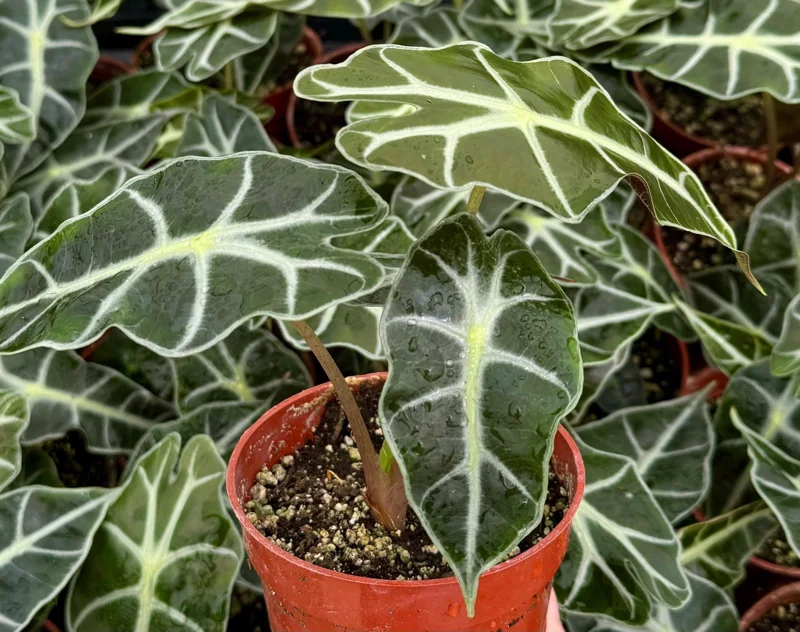
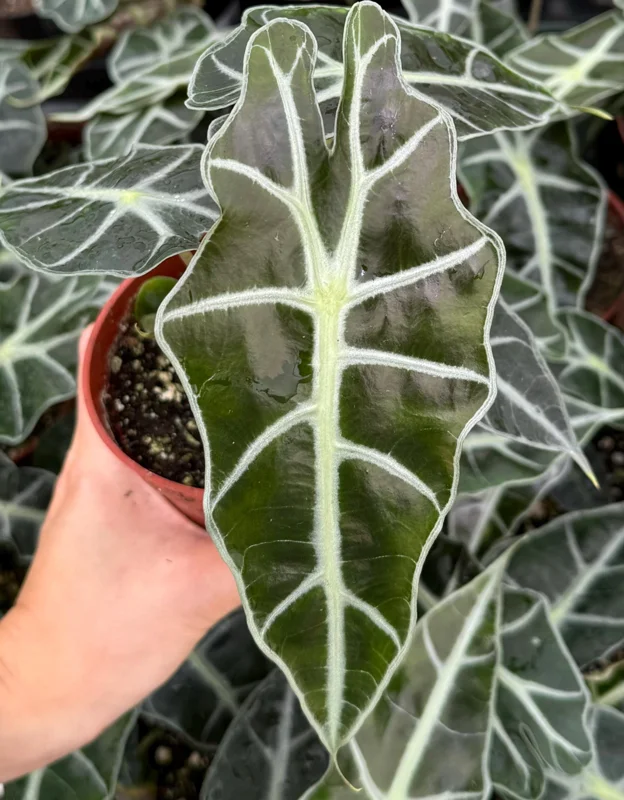
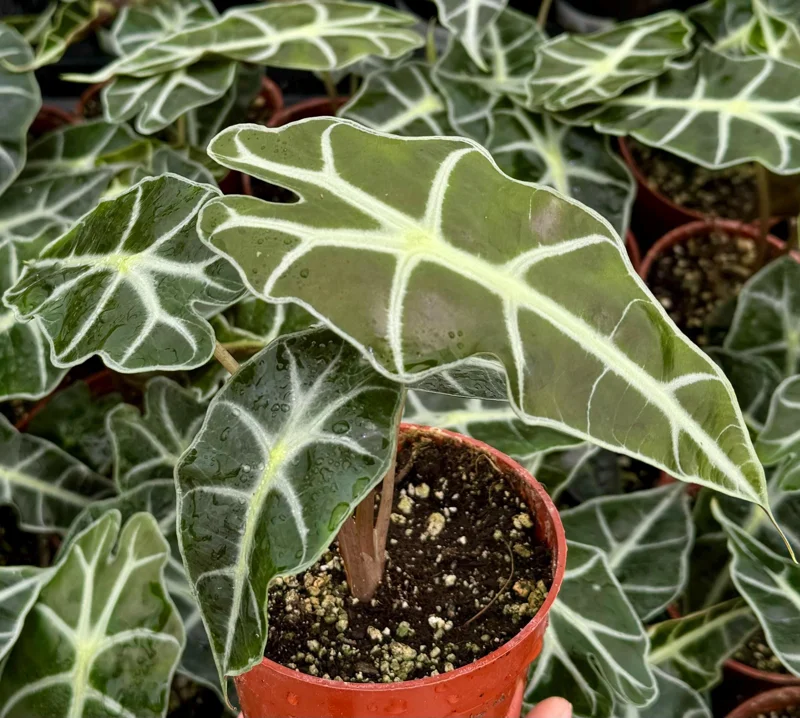
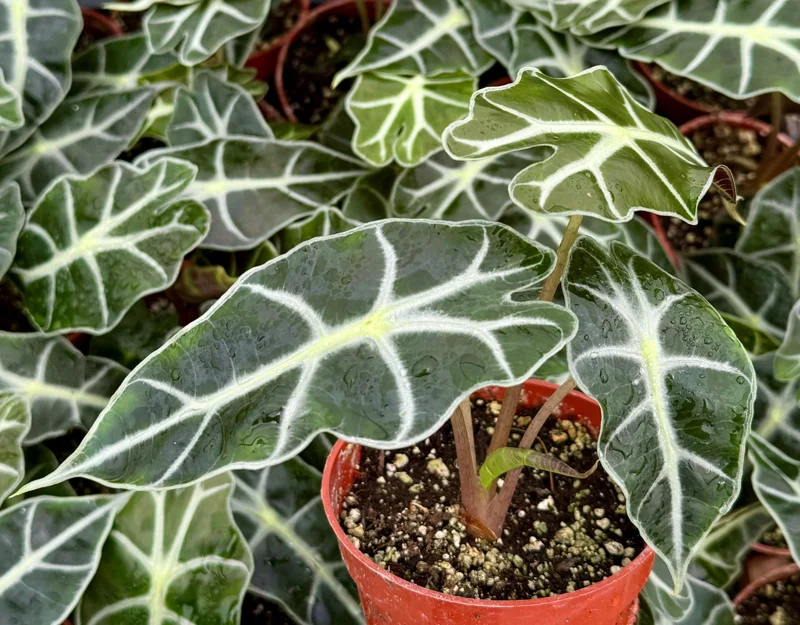
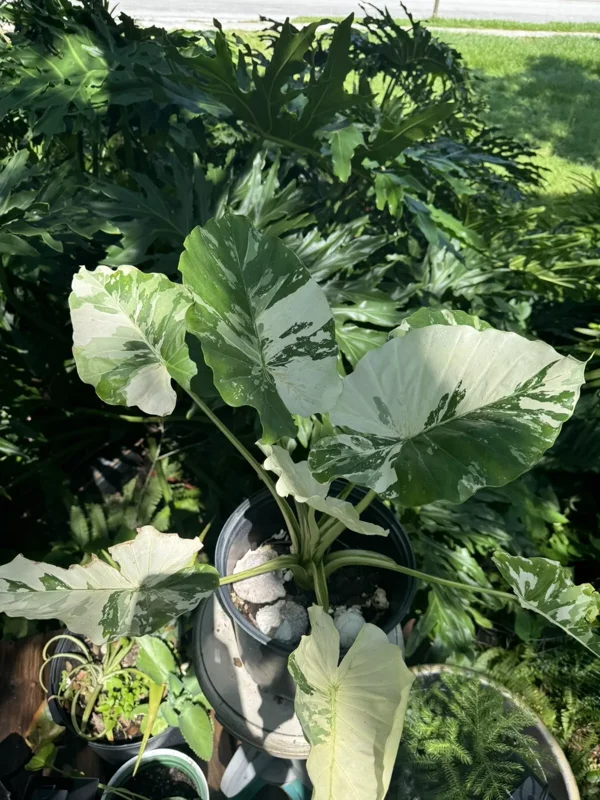
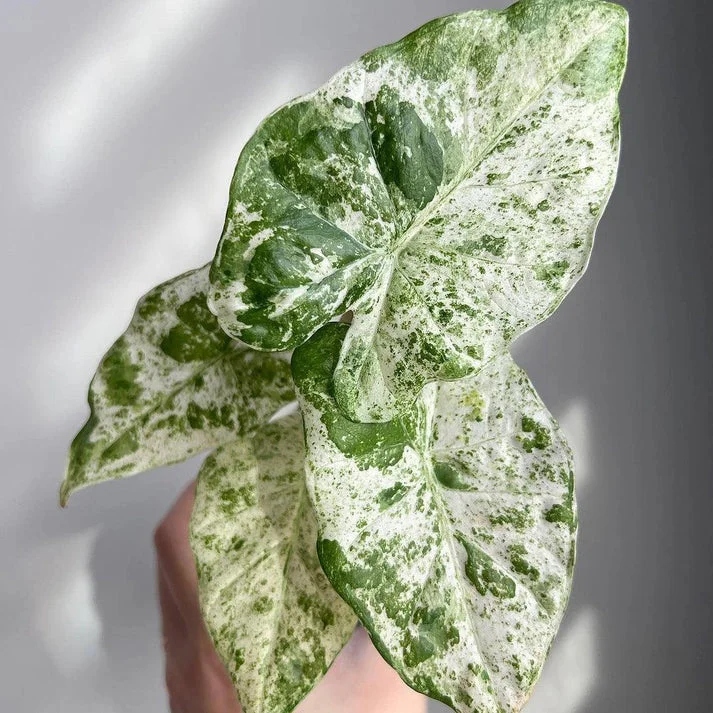
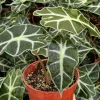
The Alocasia Amazonica live plant, commonly known as the African Mask Plant care or Amazonian Elephant Ear, is a truly captivating houseplant cherished for its dramatic and unique foliage. Despite its common name, this striking plant is not native to the Amazon rainforest but is rather a hybrid cultivar. Its large, arrowhead or shield-shaped leaves are a deep, glossy green, dramatically contrasted by prominent white or light green veins and wavy edges. This stunning visual appeal makes the Alocasia houseplant a popular choice for plant enthusiasts looking to add a touch of the exotic to their indoor spaces. Typically growing 1-2 feet tall indoors, it forms an impressive display of architectural beauty that can transform any room.
Each leaf is a work of art, supported by sturdy, upright stems that ensure the plant maintains its elegant posture. The Alocasia Amazonica is a conversation starter, drawing attention with its intricate patterns and rich coloration. It thrives as an indoor specimen, bringing a lush, tropical feel to various decor styles, from modern minimalist to bohemian. For those interested in growing Alocasia Amazonica, understanding its specific needs is key to unlocking its full potential and enjoying its magnificent display year-round.
This particular offering is a healthy Alocasia Amazonica live plant, ready to be introduced into your home. It comes established in a 4-inch pot, providing a perfect starting size for new plant parents or seasoned collectors. Its compact nature at this stage allows for easy placement on shelves, desks, or as part of a larger plant arrangement, promising to grow into a spectacular specimen with proper care.
Key Benefits
The Alocasia Amazonica live plant offers numerous benefits beyond its undeniable beauty, making it a valuable addition to any indoor plant collection. Its unique characteristics contribute to an enhanced living environment and provide a rewarding experience for growers.
- Stunning Ornamental Foliage: The primary appeal of the Alocasia Amazonica lies in its highly decorative leaves. The dark green, glossy surface with pronounced white veins creates an unparalleled visual impact, making it a focal point in any room. This dramatic foliage elevates interior aesthetics and adds a sophisticated touch.
- Tropical Ambiance Creator: With its exotic appearance, this African Mask Plant care instantly transports you to a lush, tropical paradise. It helps create a serene and vibrant atmosphere, perfect for relaxation and unwinding.
- Compact Indoor Growth: Reaching an indoor height of 1-2 feet, the Alocasia Amazonica is an ideal size for various indoor settings, from small apartments to spacious living rooms. Its upright growth habit ensures it doesn’t take up excessive horizontal space.
- Unique Plant Collector’s Item: For those passionate about rare and unusual plants, the Alocasia Amazonica is a must-have. Its distinctive look sets it apart from more common houseplants, appealing to collectors looking for something truly special.
- Air Purifying Qualities: Like many houseplants, the Alocasia houseplant contributes to improved indoor air quality by absorbing common airborne toxins and releasing oxygen. This makes your living space not only more beautiful but also healthier.
- Engaging Growing Experience: Growing Alocasia Amazonica can be a deeply rewarding hobby. Observing its new leaves unfurl and its vibrant patterns develop provides a continuous source of joy and connection to nature.
- Versatile Decor Element: Its bold lines and striking colors allow the Alocasia Amazonica to complement a wide range of interior design styles, from contemporary to eclectic. It acts as a living piece of art that can be styled in countless ways.
Plant Care & Growing Tips
Caring for your Alocasia Amazonica live plant involves understanding its specific environmental needs to ensure its vibrant growth and health. While it requires consistent attention, the rewards of its stunning foliage are well worth the effort. The ideal light condition for this plant is bright, indirect light. Direct sunlight, especially harsh afternoon sun, can scorch its delicate leaves, leading to discoloration and damage. An east- or north-facing window is often perfect, or a few feet away from a south- or west-facing window where light is diffused. Rotating the plant every few weeks will encourage even growth and prevent it from leaning towards the light source.
Watering is crucial for the African Mask Plant care. The soil should be kept consistently moist but never waterlogged. Allow the top inch of soil to dry out slightly before watering again. Overwatering can lead to root rot, a common issue for Alocasias. Conversely, allowing the soil to dry out completely can stress the plant. Using a moisture meter can help maintain the perfect balance. High humidity is essential for the Alocasia Amazonica, mimicking its native tropical environment. Aim for humidity levels above 60%. This can be achieved by using a humidifier, placing the pot on a pebble tray filled with water (ensuring the pot doesn’t sit directly in the water), or grouping it with other humidity-loving plants. Misting can offer temporary relief but is less effective than a consistent humidity source.
For optimal growth, the Alocasia houseplant prefers a well-draining, rich potting mix. A mix designed for aroids or general houseplants, often containing perlite, orchid bark, and peat moss, works wonderfully. The ideal temperature range is between 60-80°F (15-27°C). Protect your plant from drafts and sudden temperature fluctuations, as these can cause stress and leaf drop. During the active growing season (spring and summer), feed your Alocasia with a balanced, water-soluble fertilizer every 4-6 weeks. Reduce or stop fertilization during fall and winter when the plant’s growth naturally slows down. Repotting should occur every 1-2 years, or when the plant has outgrown its current pot. Choose a new pot that is only 1-2 inches larger in diameter to avoid overwatering issues. During winter, it’s common for the Alocasia Amazonica live plant to enter a dormant phase, where some leaves may yellow and die back. Reduce watering during this period and resume regular care when new growth emerges in spring. Understanding these nuances will ensure you are successfully growing Alocasia Amazonica.
Size & Details
This offering is for one healthy Alocasia Amazonica live plant, carefully cultivated and ready for its new home. It is provided in a standard 4-inch nursery pot, a perfect size for transplanting into a decorative container or allowing it to acclimate to its new environment before repotting. At this stage, the plant typically features several established leaves, showcasing its characteristic dark green hue and striking white veining. While exact height can vary slightly due to natural growth, you can expect an initial height of approximately 6-10 inches from the base of the pot, with a spread similar to its height.
When mature, the Alocasia houseplant can reach an indoor height of 1-2 feet and a similar spread, creating a substantial and impactful presence. The growth rate is moderate, allowing you to enjoy its development over time. It is shipped as a fully rooted plant in its nursery pot, ensuring minimal transplant shock and providing a robust foundation for continued growth. This particular variety is cherished for its consistent leaf patterns and its ability to maintain its dramatic appearance throughout its life cycle, making it a long-lasting and rewarding addition to your indoor plant collection. The vibrant appearance of this Alocasia Amazonica live plant makes it a fantastic choice.
Frequently Asked Questions
- Q: How big does this plant get? A: The Alocasia Amazonica live plant typically grows to an indoor height of 1-2 feet, with a similar spread. Its size makes it suitable for various indoor spaces, from tabletops to floor stands as it matures.
- Q: What size pot does it come in? A: This Alocasia Amazonica live plant is shipped in a 4-inch nursery pot, providing a good starting point for its growth journey in your home. You can repot it into a slightly larger decorative pot upon arrival.
- Q: Is this an indoor or outdoor plant? A: The Alocasia Amazonica is primarily cultivated as an indoor houseplant due to its specific temperature and humidity requirements. It can be moved outdoors in warm, humid climates during summer but should be brought inside before temperatures drop.
- Q: How much sunlight does it need? A: The African Mask Plant care thrives in bright, indirect light. Avoid direct sunlight, which can scorch its leaves. A spot near an east or north-facing window, or a few feet from a south or west-facing window, is ideal.
- Q: Is this plant easy to care for? A: While not considered a beginner plant, the Alocasia Amazonica is manageable for those willing to provide consistent care, especially regarding humidity and watering. Understanding its needs for bright, indirect light and moist soil is key to successfully growing Alocasia Amazonica.
- Q: What condition will it arrive in? A: Your Alocasia Amazonica live plant will arrive carefully packaged, fully rooted in its 4-inch nursery pot, and ready to thrive. We take great care to ensure the plant reaches you in excellent condition.
- Q: How often should I water my Alocasia Amazonica? A: Water when the top inch of soil feels dry to the touch. Keep the soil consistently moist but never waterlogged. This typically means watering every 5-7 days, but adjust based on your home’s humidity and temperature.
- Q: Is the Alocasia Amazonica pet-safe? A: No, Alocasia plants are toxic if ingested by pets or humans. It’s best to keep this plant out of reach of curious pets and children.
- Q: Does this plant require high humidity? A: Yes, high humidity is crucial for the Alocasia houseplant. Aim for 60% or higher. Use a humidifier, pebble tray, or group with other plants to increase ambient humidity.
- Q: What is the ideal temperature range for this plant? A: The Alocasia Amazonica prefers temperatures between 60-80°F (15-27°C). Protect it from cold drafts and sudden temperature changes.



Reviews
There are no reviews yet.