Overview
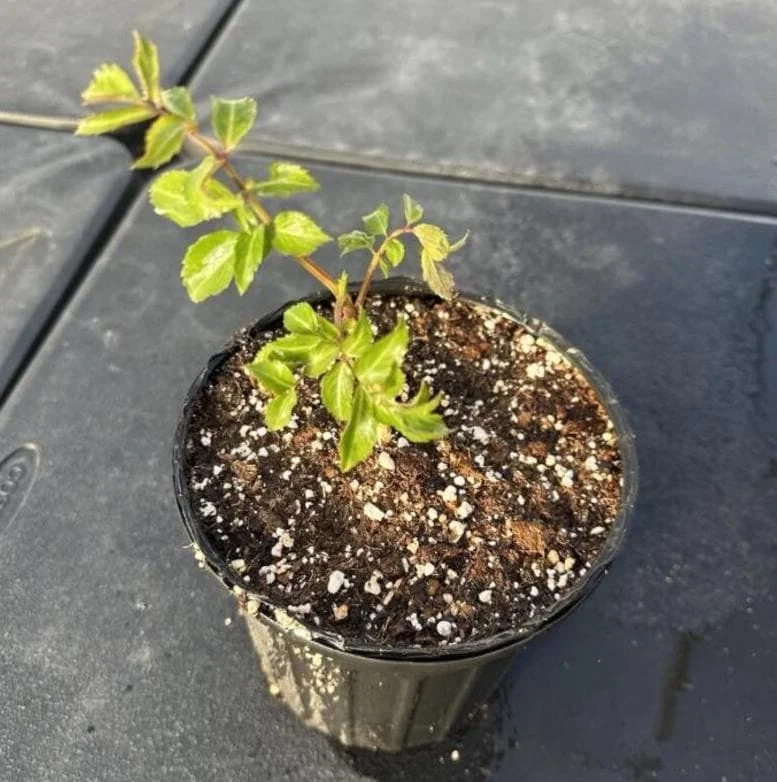
Bring the beauty and bounty of nature to your garden with this vibrant American Elderberry live plant. This young, well-rooted starter shrub, typically growing approximately 5 to 10 inches tall, comes established in a 4-inch nursery pot, making it perfectly suited for easy transplanting into your garden beds, landscape borders, or larger containers. The American Elderberry (Sambucus canadensis) is a classic fruiting shrub, cherished for its ornamental value and its abundant, health-benefiting berries. It’s an excellent choice for gardeners looking to add a native, low-maintenance, and productive plant to their outdoor space. Whether you’re creating an edible landscape, a wildlife-friendly habitat, or simply enhancing your garden’s aesthetic, this American Elderberry shrub offers a wealth of benefits.
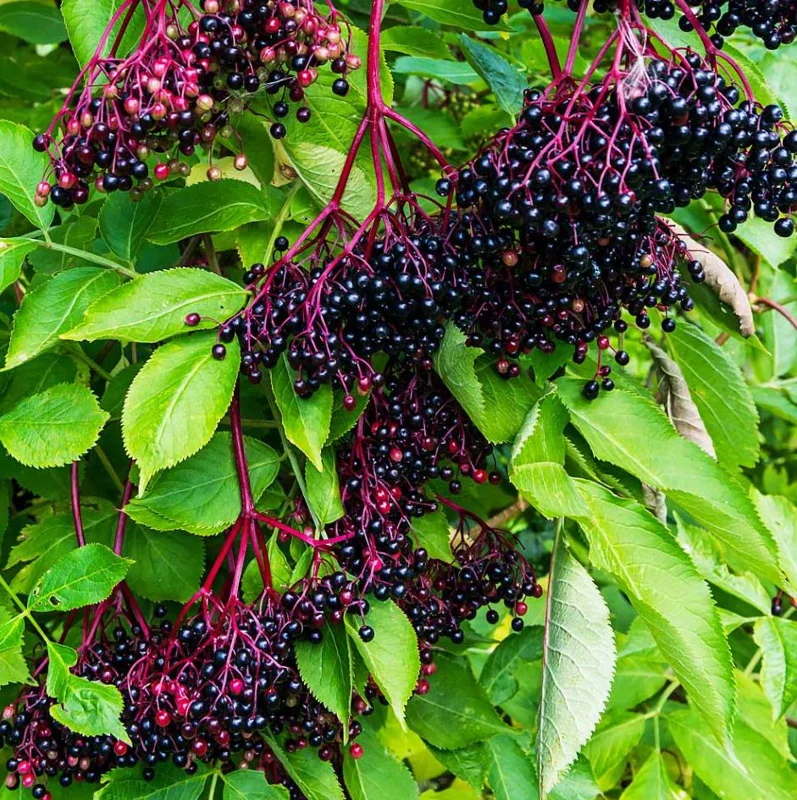
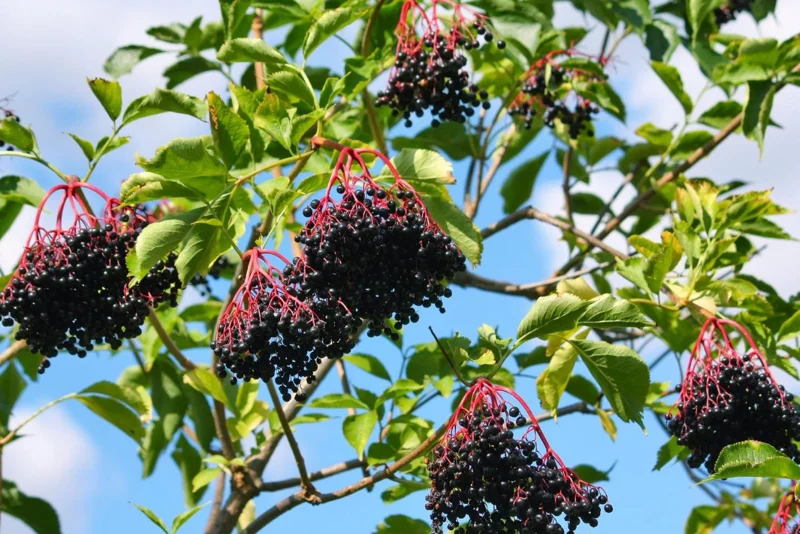
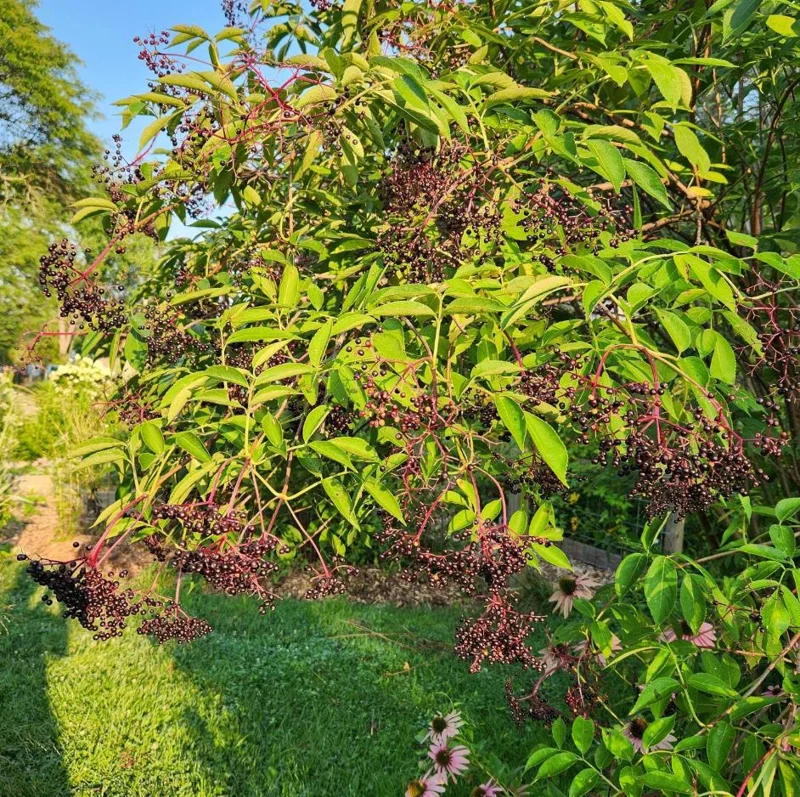
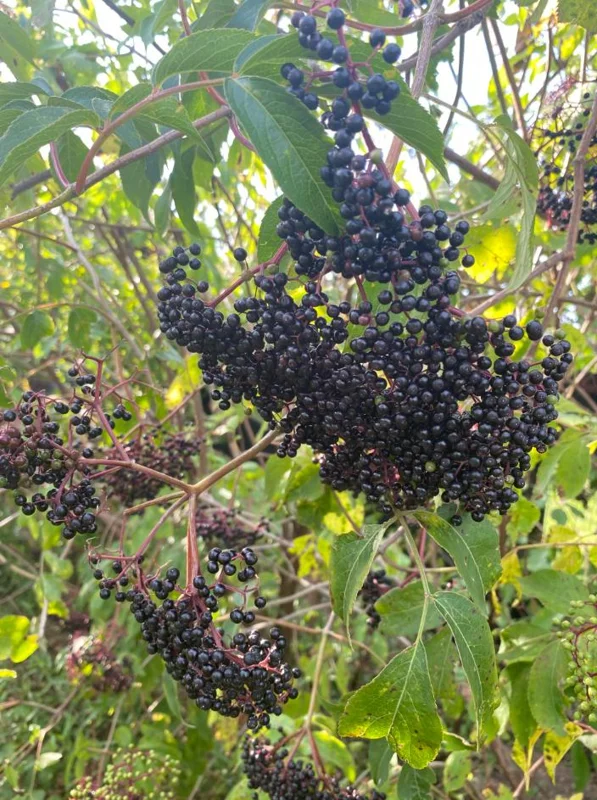
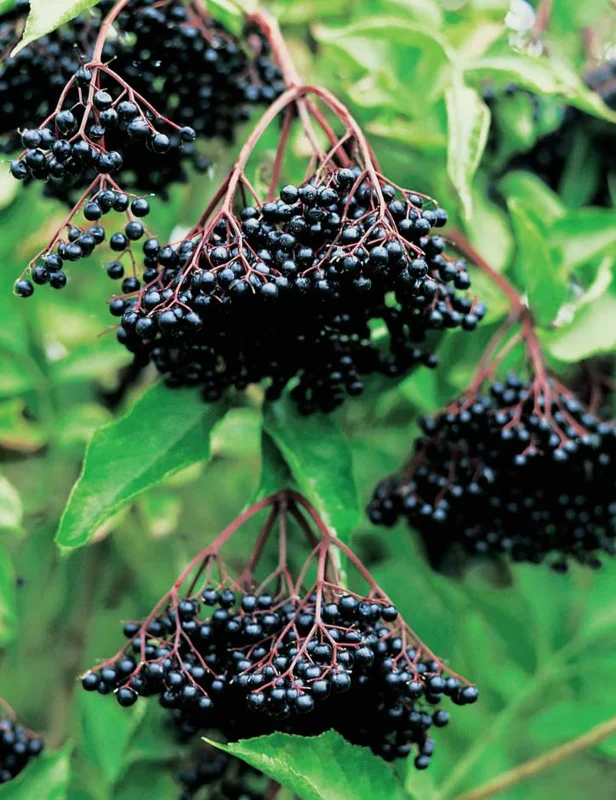
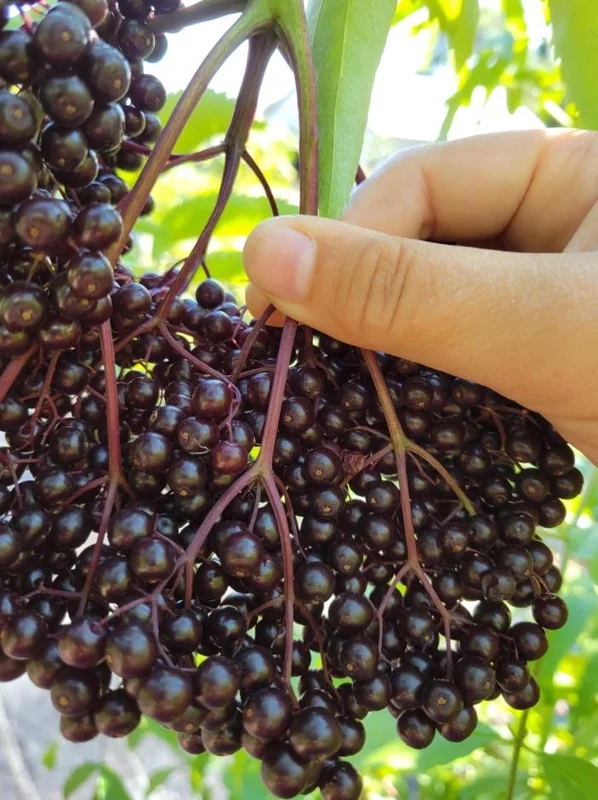
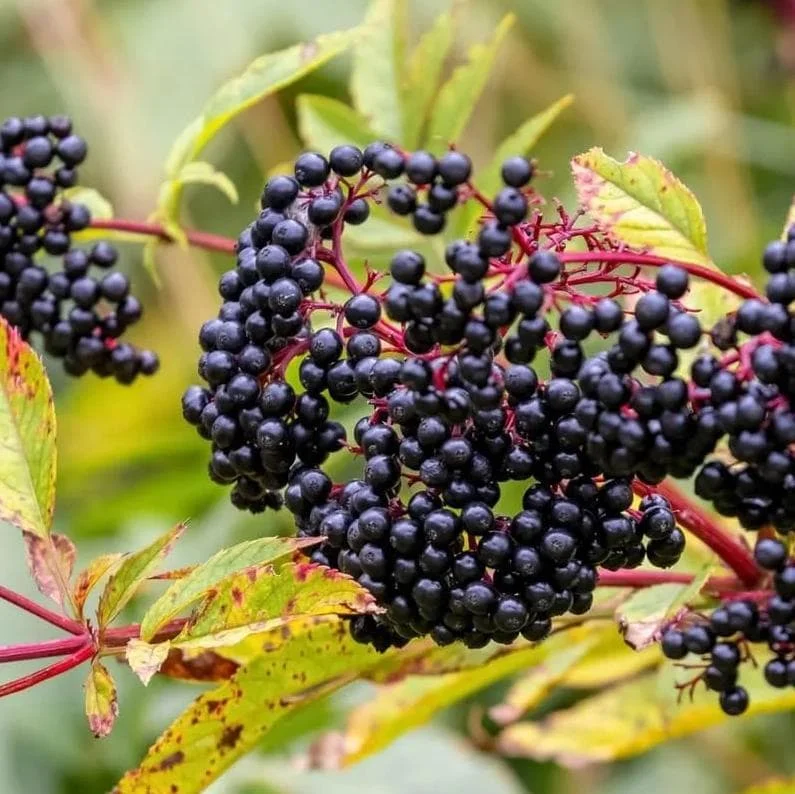
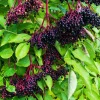
Known for its rapid growth and adaptability, the American Elderberry live plant is a deciduous shrub that will provide seasonal interest with its lush green foliage, clusters of creamy white flowers in late spring to early summer, and dark purple-black berries in late summer. These berries are not only attractive to local wildlife but are also highly prized for making jams, jellies, pies, and elderberry syrup. This robust plant is a fantastic addition to any outdoor garden, offering both visual appeal and a harvest of delicious fruit.
Key Benefits
The American Elderberry live plant offers numerous advantages, making it a highly desirable addition to various garden settings. Its combination of aesthetic appeal and practical uses truly sets it apart from many other ornamental shrubs.
- Edible Fruit Production: Enjoy a bountiful harvest of dark purple-black elderberries, perfect for making delicious and nutritious jams, jellies, pies, and syrups. This elderberry fruit plant is a fantastic source for home-grown produce.
- Ornamental Value: Features attractive green foliage, large flat-topped clusters of fragrant white flowers in late spring, and decorative berries that add seasonal interest to your landscape.
- Wildlife Attraction: The flowers attract pollinators like bees and butterflies, while the berries are a favorite food source for birds, enhancing biodiversity in your garden.
- Cold Hardy Nature: As a cold hardy elderberry, this plant is resilient and can withstand colder temperatures, making it suitable for a wide range of USDA hardiness zones and ensuring reliable growth year after year.
- Easy to Grow: A relatively low-maintenance shrub, it’s known for its vigorous growth and adaptability to various soil conditions, making growing elderberry a rewarding experience for gardeners of all skill levels.
- Versatile Landscaping: Ideal for hedges, naturalized areas, edible landscapes, backyard orchards, or as a standalone specimen plant, fitting seamlessly into diverse garden designs.
- Supports Pollinators: Its abundant flowers provide valuable nectar and pollen for local bee and butterfly populations, contributing to a healthy ecosystem.
Plant Care & Growing Tips
Caring for your American Elderberry live plant is straightforward, and with proper attention, it will thrive and produce abundant fruit. Elderberries prefer a location with full sun to partial sun, meaning at least 6 hours of direct sunlight per day for optimal flowering and fruiting. While they can tolerate some shade, berry production may be reduced. When it comes to soil, this American Elderberry shrub grows best in moist, well-drained soil. It’s adaptable to a range of soil types, including clay, loam, and sand, but rich, organic soil will yield the best results. Ensure good drainage to prevent root rot, especially in heavier soils.
Watering is crucial, especially during the active growing season. Keep the soil evenly moist, particularly during dry spells or when the plant is young and establishing itself. Once established, elderberries are relatively drought-tolerant but will perform better with consistent moisture. Fertilize in early spring with a balanced, all-purpose fertilizer or compost to encourage vigorous growth and fruit production. Pruning can be done in late winter or early spring to remove dead or weak canes and to encourage new growth. Elderberries produce fruit on one-year-old wood, so a regular pruning schedule will help maintain productivity and plant health. This elderberry fruit plant is generally pest and disease resistant, making it a robust choice for your garden.
To ensure successful growing elderberry, consider its cold hardiness. It is well-suited for USDA Zones 3-9. Protect young plants from extreme winter winds in colder zones. Planting in a location that provides some shelter can be beneficial. Proper spacing is also important; allow enough room for the shrub to reach its mature size, typically 6-12 feet tall and wide, depending on the variety and growing conditions. With these simple care guidelines, your American Elderberry live plant will flourish and provide years of enjoyment.
Size & Details
This offering is for one American Elderberry live plant, which arrives as a well-rooted starter shrub. Each plant measures approximately 5 to 10 inches tall from the top of the soil, providing a strong foundation for future growth. It is carefully grown and shipped in a 4-inch nursery pot, ensuring the root system is intact and ready for transplanting upon arrival. The plant stage is young, allowing it to adapt easily to its new environment and establish quickly in your garden. As a deciduous fruiting shrub, it will shed its leaves in winter and regrow them in spring, offering seasonal changes.
Upon planting, you can expect this American Elderberry shrub to grow vigorously, eventually reaching a mature height and spread of 6 to 12 feet, depending on conditions and pruning. The first flowers and berries may appear within 1-2 years of planting, with full production typically achieved in 3-5 years. The plant is carefully packaged to minimize stress during transit, ensuring it arrives in optimal condition, ready for your garden. Please note that as a natural product, individual plants may exhibit slight variations in size, shape, and foliage density.
Frequently Asked Questions
- Q: How big does this American Elderberry plant get? A: This American Elderberry live plant is a starter shrub, typically 5-10 inches tall upon arrival. With proper care, it can grow to a mature height and spread of 6 to 12 feet.
- Q: What size pot does it come in? A: The plant comes established in a 4-inch nursery pot, providing a healthy root system ready for transplanting.
- Q: Is this an indoor or outdoor plant? A: The American Elderberry live plant is a cold-hardy outdoor shrub, best suited for planting in garden beds, landscape borders, or large outdoor containers.
- Q: How much sunlight does it need? A: This elderberry fruit plant prefers full sun to partial sun, meaning at least 6 hours of direct sunlight per day for optimal fruiting.
- Q: Is this plant easy to care for? A: Yes, elderberries are known for being relatively low-maintenance and vigorous growers, making growing elderberry an enjoyable experience for gardeners of all levels.
- Q: What condition will it arrive in? A: Each plant is carefully packaged to help protect it during shipping, arriving as a well-rooted starter plant with healthy foliage.
- Q: When is the best time to plant? A: The best time to plant elderberry is in spring or early fall, allowing the plant sufficient time to establish its root system before extreme temperatures.
- Q: Will it survive winter in my zone? A: As a cold hardy elderberry, it is suitable for USDA Zones 3-9 and can readily survive winter in these regions.
- Q: Can I use the berries from this plant for cooking? A: Yes, the berries from the American Elderberry live plant are edible after cooking and are commonly used for jams, jellies, pies, and elderberry syrup. They should not be eaten raw.
- Q: How long until it produces fruit? A: You can typically expect the first flowers and berries within 1-2 years of planting, with full fruit production usually achieved in 3-5 years.



Reviews
There are no reviews yet.