Overview
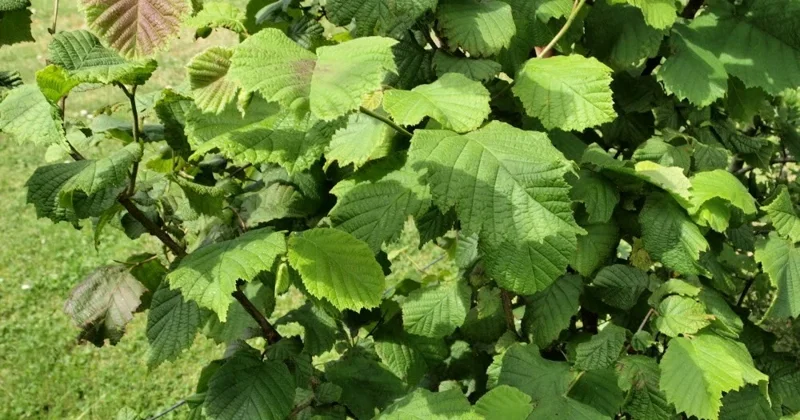
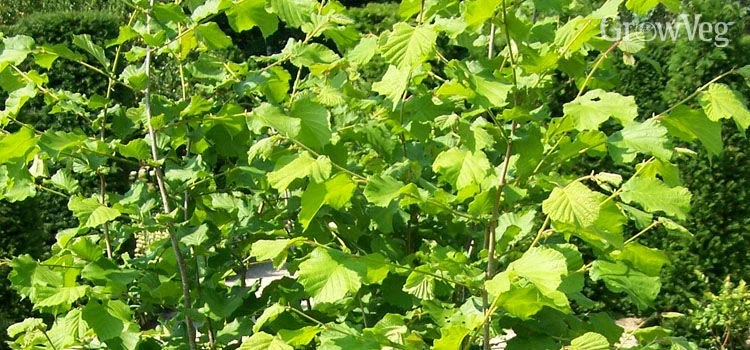
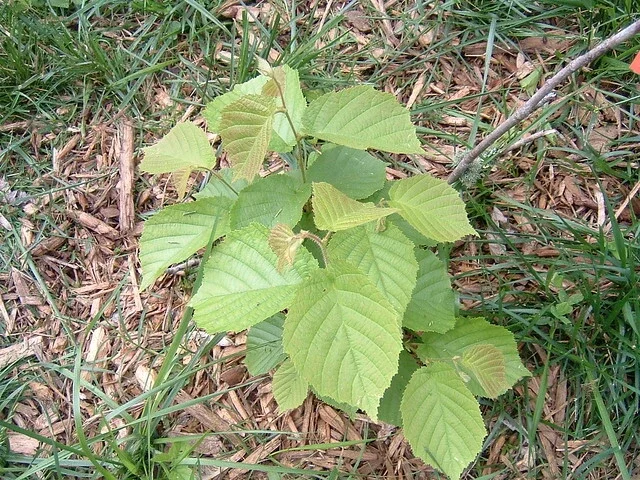
Introduce a rewarding and ecologically beneficial plant to your garden with this american hazelnut tree. Also known as Corylus americana, this particular offering is a 12 to 16-inch tall, 1 to 2-year-old live bare root plant, perfect for establishing a new addition to your edible landscape or attracting local wildlife. The american hazelnut tree is a native deciduous shrub or small tree, highly valued for its delicious, easy-to-crack nuts that mature in late summer to early fall. Beyond its culinary appeal, it provides excellent habitat and food for various birds and mammals, contributing significantly to biodiversity. Its adaptability to a range of soil types and climates makes it a versatile choice for many gardeners looking for a low-maintenance, productive plant. This bare root specimen ensures a strong start, allowing the plant to quickly establish itself in its new environment and begin its journey toward maturity and nut production.
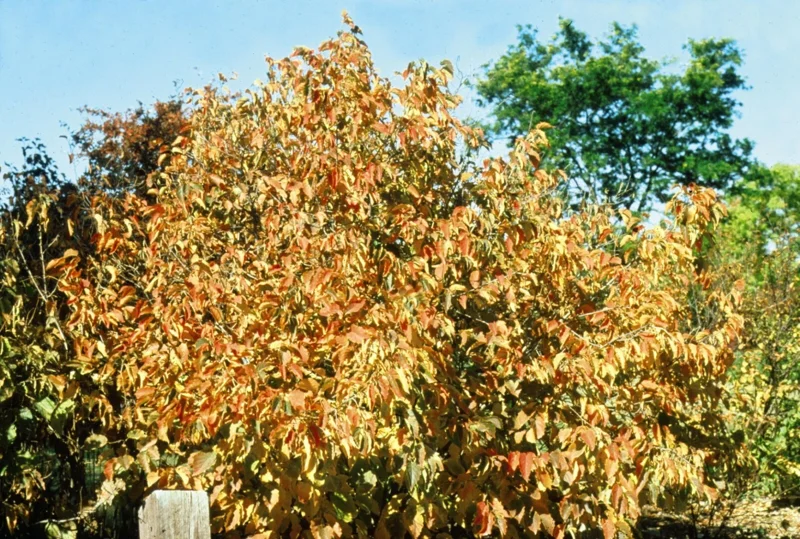
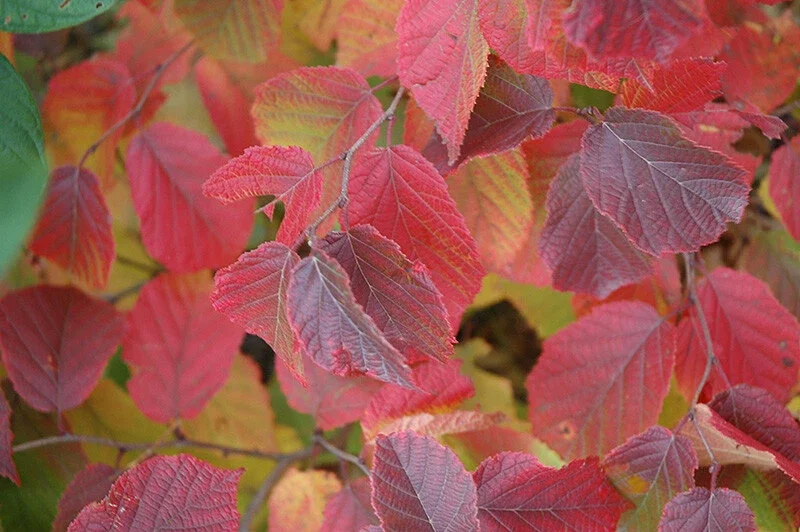
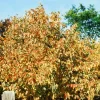
The american hazelnut plant offers more than just edible nuts; its green foliage turns a vibrant yellow, orange, or red in the autumn, providing stunning seasonal interest. It’s a robust and hardy plant, making it a great choice for both experienced gardeners and those new to growing nut trees. With proper care, this young plant will grow into a resilient and bountiful producer.
Key Benefits
The american hazelnut tree offers a multitude of advantages for your home and local ecosystem. Beyond its aesthetic appeal, it serves practical and environmental purposes that make it a standout choice for any garden. Here are some of the key benefits:
- Edible Nut Production: Enjoy a harvest of delicious, nutritious hazelnuts (filberts) directly from your garden. These nuts are versatile for baking, snacking, or culinary use.
- Wildlife Attraction: The nuts are a favorite food source for squirrels, deer, and various bird species, making your garden a haven for local wildlife.
- Attractive Fall Foliage: Witness a spectacular display of yellow, orange, and red leaves in autumn, adding vibrant color to your landscape.
- Erosion Control: The fibrous root system of the american hazelnut plant helps stabilize soil, making it valuable for erosion control, especially on slopes.
- Low Maintenance: Once established, these trees are relatively low-maintenance, requiring minimal care compared to many other fruit or nut trees.
- Native Species: As a native plant, Corylus americana is well-adapted to local conditions, promoting ecological balance and requiring less intervention.
- Hardy and Resilient: Known for its hardiness, this tree can withstand a variety of environmental conditions, ensuring a long and productive life in your garden.
Plant Care & Growing Tips
Successful establishment and prolific nut production from your american hazelnut tree hinges on understanding its specific care requirements. These hardy plants are relatively forgiving, but optimal conditions will yield the best results. The american hazelnut plant thrives in full sun, meaning it needs at least 6 hours of direct sunlight per day. While it can tolerate partial shade, nut production will be significantly reduced in less light. Ensure your chosen planting site receives ample sunshine throughout the day.
Regarding watering, these trees prefer medium moisture levels. Water regularly, especially during dry spells and in the first few years after planting, to help establish a strong root system. However, avoid waterlogging, as hazelnut trees do not like consistently wet feet. Well-draining soil is crucial. Hazelnuts are adaptable to a range of soil types, including sandy, loamy, and clay soils, as long as they are well-drained. A slightly acidic to neutral pH (6.0-7.0) is ideal. For fertilization, a balanced slow-release fertilizer in early spring can promote healthy growth, but often, established trees in good soil require little additional feeding. Pruning can be done in late winter or early spring to remove dead or weak branches and to maintain an open structure, which improves air circulation and nut production. The growing hazelnut trees process is straightforward, making them a great choice for various gardeners. They are generally resistant to most pests and diseases, but monitor for common issues like Japanese beetles or Eastern Filbert Blight, though American Hazelnuts typically show good resistance to the latter.
Size & Details
This offering is for one american hazelnut tree, a live bare root plant that measures approximately 12 to 16 inches in height. It is a young specimen, typically 1 to 2 years old, providing a strong foundation for future growth. Bare root plants are shipped without soil around their roots, which makes them lighter and easier to transport, and they often establish quickly when planted correctly. The expected growth rate for an american hazelnut plant is moderate, reaching a mature height of 10-18 feet and a similar spread, often forming a multi-stemmed shrub. These trees are deciduous, meaning they will lose their green foliage in the fall and enter dormancy for winter, only to bud out again in spring. You can anticipate your first nut production typically within 3-5 years after planting, with full production achieved as the tree matures. This single plant is an excellent choice for starting your own hazelnut grove or adding a valuable native species to your landscape.
Frequently Asked Questions
- Q: How big does this american hazelnut tree get? A: The american hazelnut tree typically grows to a mature height of 10 to 18 feet and can have a spread of similar dimensions, often forming a multi-stemmed shrub. Its size can vary based on growing conditions and pruning.
- Q: What condition will the american hazelnut plant arrive in? A: Your american hazelnut plant will arrive as a live bare root specimen, meaning it will be shipped dormant and without soil around its roots. This is a common and effective method for shipping young trees.
- Q: Is this an indoor or outdoor plant? A: The american hazelnut tree is an outdoor plant, best suited for planting directly in the ground in your garden or a large container where it can grow to its full potential. It requires outdoor conditions to thrive and produce nuts.
- Q: How much sunlight does the american hazelnut tree need? A: For optimal growth and nut production, the american hazelnut tree requires full sun, meaning at least 6 hours of direct sunlight per day. It can tolerate partial shade, but nut yields may be reduced.
- Q: When is the best time for growing hazelnut trees? A: The best time for planting bare root american hazelnut tree specimens is generally in early spring, after the last hard frost but before the plant breaks dormancy. This allows the roots to establish before summer heat.
- Q: Is the american hazelnut plant self-pollinating? A: While corylus americana trees produce both male and female flowers on the same plant, they are not reliably self-pollinating for good nut production. It is highly recommended to plant at least two different hazelnut varieties for cross-pollination and a better harvest.
- Q: What USDA hardiness zones are suitable for these hazelnut trees? A: The american hazelnut tree is very hardy and typically thrives in USDA Hardiness Zones 4 through 9, making it suitable for a wide range of climates across the United States.
- Q: How long until this american hazelnut tree produces nuts? A: You can typically expect your american hazelnut tree to begin producing nuts within 3 to 5 years after planting, with full production achieved as the tree matures, usually around 7-10 years.
- Q: What kind of soil does this american hazelnut tree prefer? A: This american hazelnut plant prefers well-draining soil and is adaptable to various soil types, including sandy, loamy, and clay, as long as they don’t retain too much moisture. A slightly acidic to neutral pH is ideal.
- Q: Are the nuts from the american hazelnut tree edible? A: Yes, the nuts produced by the american hazelnut tree are indeed edible and delicious. They are similar to commercial hazelnuts and can be enjoyed fresh, roasted, or used in various recipes.





Reviews
There are no reviews yet.