Overview
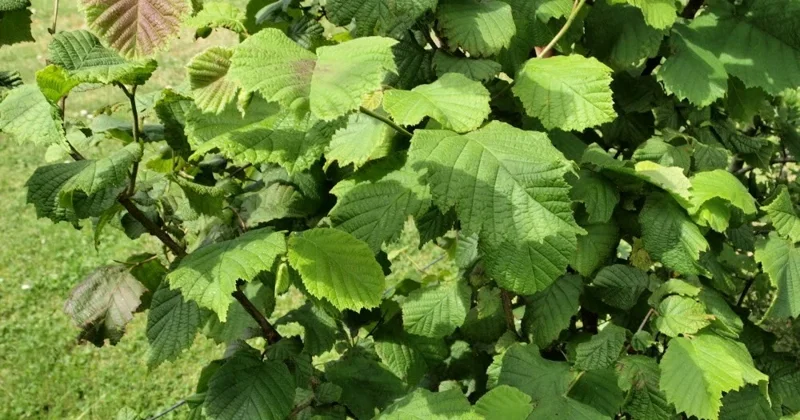
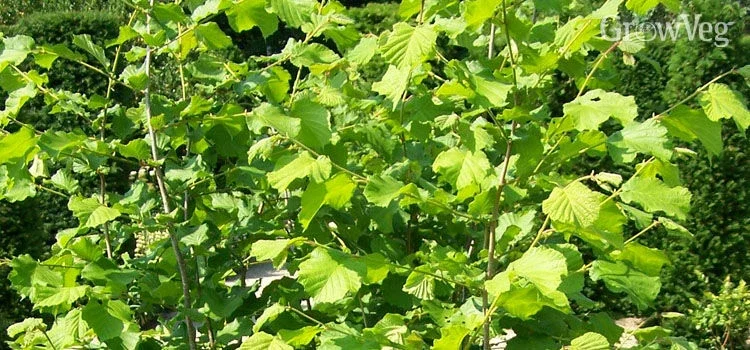
Bring the beauty and bounty of nature to your garden with this set of two american hazelnut tree plants. These robust live plants, measuring 12-16 inches tall and 1-2 years old, are ready to be established in your outdoor space. Known scientifically as Corylus americana, the American Hazelnut is a versatile and attractive deciduous tree native to North America, prized for its edible nuts and ecological benefits. Whether you’re an experienced gardener or just starting out, these american hazelnut tree plants offer a rewarding addition to any landscape, providing both visual appeal and a harvest of delicious hazelnuts. They are also known as hazelnut bush, offering a dense growth habit that can be used for hedges or as an understory plant.
Key Benefits
Investing in american hazelnut tree plants for your garden offers a multitude of benefits, from delicious harvests to ecological contributions:
Edible Nut Production: Enjoy a homegrown supply of sweet and nutritious hazelnuts. These nuts are a healthy snack and can be used in various culinary applications, from baking to savory dishes. The quality and flavor of nuts from a well-established native nut tree are often superior to store-bought varieties.
Wildlife Attraction: The nuts produced by the hazelnut bush are a favorite food source for squirrels, deer, and various bird species, making your garden a haven for local wildlife. This contributes to a healthier, more vibrant ecosystem right in your backyard.
Ecological Value: As a native species, Corylus americana supports local biodiversity and helps restore natural habitats. These deciduous trees play an important role in soil stabilization and offer shelter for many small creatures.
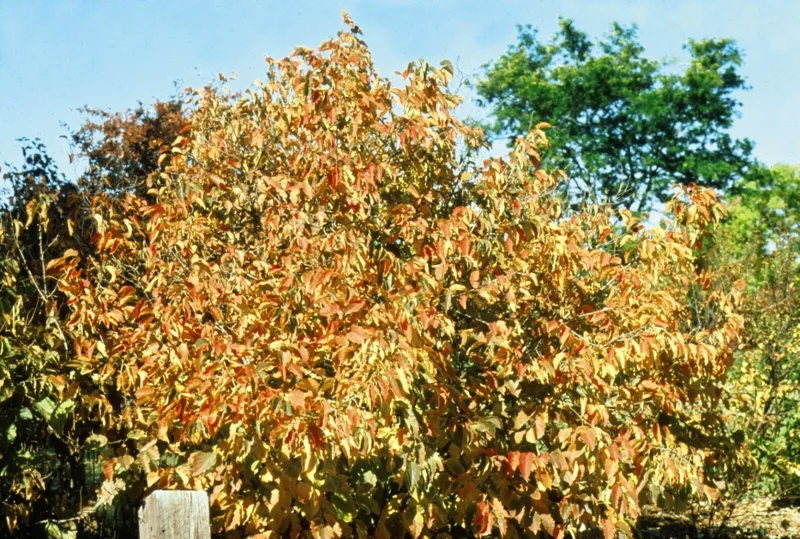
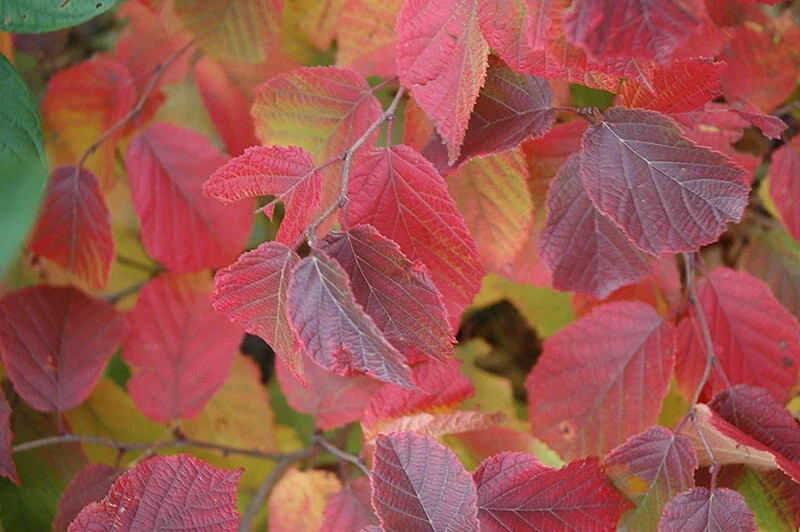
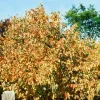
Landscape Versatility: American Hazelnut trees are adaptable and can be grown as attractive shrubs, part of a hedgerow, or as understory plants in a woodland garden. Their vibrant fall foliage adds seasonal interest with hues of yellow, orange, and red.
Low Maintenance: Once established, these american hazelnut tree plants are relatively low-maintenance, making them an excellent choice for gardeners seeking resilient and self-sufficient plants.
Hardiness: Known for their hardiness, American Hazelnut trees are well-suited to a range of climates, tolerating cold winters and hot summers, making them a reliable choice for many regions.
Plant Care & Growing Tips
To ensure your american hazelnut tree plants thrive and produce abundant nuts, proper care is essential. These deciduous trees prefer a location with full sun to partial shade, ideally receiving at least 6 hours of direct sunlight per day for optimal growth and nut production. While they can tolerate some shade, more sun generally leads to a better harvest. Good air circulation is also beneficial to prevent fungal diseases.
When it comes to watering, American Hazelnut trees prefer consistently moist but not waterlogged soil, especially during their establishment period. Once mature, they are moderately drought-tolerant but will benefit from supplemental watering during prolonged dry spells. The best soil type for these native nut tree specimens is a well-draining, loamy soil with a pH between 6.0 and 7.0. Avoid heavy clay soils that retain too much water. Fertilization is generally not heavily required for established plants, but a balanced slow-release fertilizer can be applied in early spring, especially if growth seems slow or leaves appear pale. Be cautious not to over-fertilize, as this can lead to excessive foliage growth at the expense of nut production.
American Hazelnuts are quite resilient, typically hardy in USDA zones 4-9. They are tolerant of a wide range of temperatures, making them a robust choice for many regions. Pruning should be done in late winter or early spring while the plant is dormant. Remove any dead, damaged, or crossing branches to maintain good plant health and shape. You can also prune to encourage a more shrub-like form (hazelnut bush) or to open up the canopy for better light penetration. Watch out for common pests like Japanese beetles and various fungal diseases; good cultural practices and occasional organic treatments can help manage these issues effectively.
Size & Details
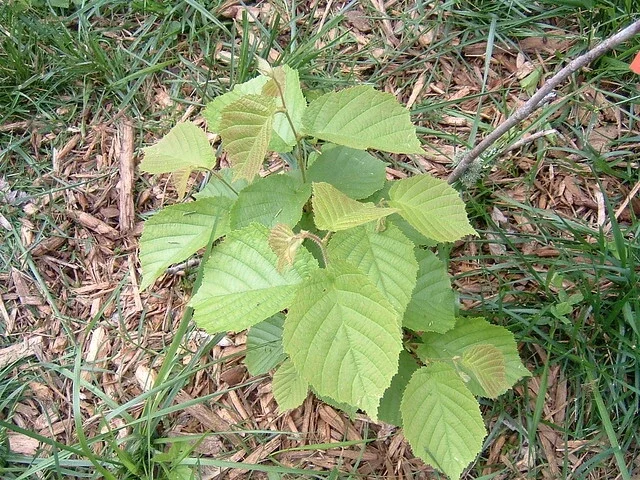
This offering includes a set of two american hazelnut tree plants, each standing approximately 12 to 16 inches tall. These young trees are 1 to 2 years old, providing a strong foundation for future growth and nut production. They are shipped as bare-root plants, carefully packaged to ensure their health upon arrival. The American Hazelnut, or corylus americana, is known for its moderate growth rate, typically adding 1-2 feet per year once established. Expect these plants to begin producing nuts within 3-5 years, with full production achieved in 5-8 years. When mature, these plants can reach heights of 10-18 feet and spread 8-15 feet wide, forming a dense, multi-stemmed bush or small tree.
Frequently Asked Questions
Q: How big do these American Hazelnut tree plants get? A: These american hazelnut tree plants are currently 12-16 inches tall and 1-2 years old. When mature, they can reach heights of 10-18 feet and spread 8-15 feet wide, depending on growing conditions and pruning.
Q: Are these plants suitable for indoor or outdoor growing? A: These american hazelnut tree plants are specifically outdoor plants. They are deciduous trees that require a period of dormancy and are best suited for planting in gardens, yards, or larger containers outdoors.
Q: How much sunlight does an American Hazelnut tree need? A: For optimal growth and nut production, American Hazelnut trees thrive in full sun, meaning they should receive at least 6 hours of direct sunlight per day. They can tolerate partial shade, but nut yield may be reduced.
Q: Is this plant easy to care for, especially for beginners? A: Yes, the American Hazelnut is considered relatively easy to care for, making it a good choice for beginners. Once established, this native nut tree is quite resilient and requires minimal intervention beyond basic watering and occasional pruning.
Q: What condition will the plants arrive in? A: Your american hazelnut tree plants will arrive as bare-root specimens, carefully packaged to protect them during transit. They will be dormant and ready for planting upon arrival.
Q: When is the best time to plant these hazelnut trees? A: The best time to plant bare-root american hazelnut tree plants is in early spring, after the last frost, or in late fall after the leaves have dropped and before the ground freezes.
Q: Will these trees survive winter in my region? A: American Hazelnut trees are very hardy and are typically suitable for USDA Zones 4 through 9. They are well-adapted to cold winters and hot summers within these zones, making them a reliable choice for many North American climates.
Q: Do I need more than one American Hazelnut tree for nut production? A: While American Hazelnuts are monoecious (having both male and female flowers on the same plant), they are not self-pollinating. For successful nut production, it is highly recommended to plant at least two different genetic varieties of corylus americana to ensure cross-pollination. This set provides two plants, which is a great start for your garden.
Q: What are the primary uses of the nuts from these trees? A: The nuts from a hazelnut bush are delicious and versatile. They can be eaten fresh, roasted, added to baked goods, used in salads, or processed into hazelnut butter. They are a nutritious source of healthy fats, protein, and vitamins.
Q: Are these American Hazelnut trees considered deer resistant? A: While deer may browse on young hazelnut plants, particularly during harsh winters, mature american hazelnut tree plants are generally considered to have moderate deer resistance. Protecting young plants during their establishment phase is advisable.





Reviews
There are no reviews yet.