Overview
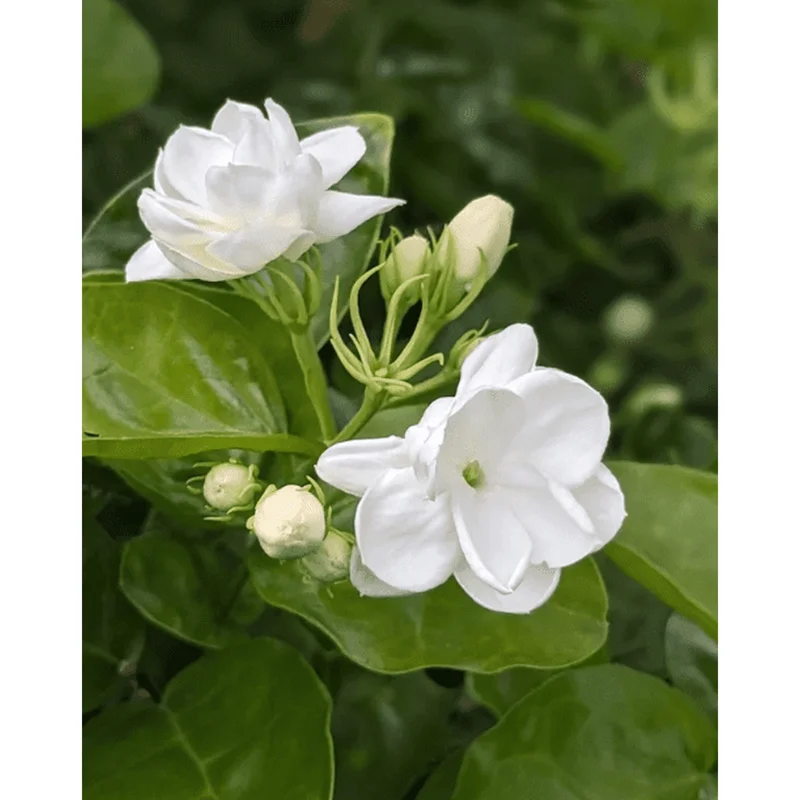
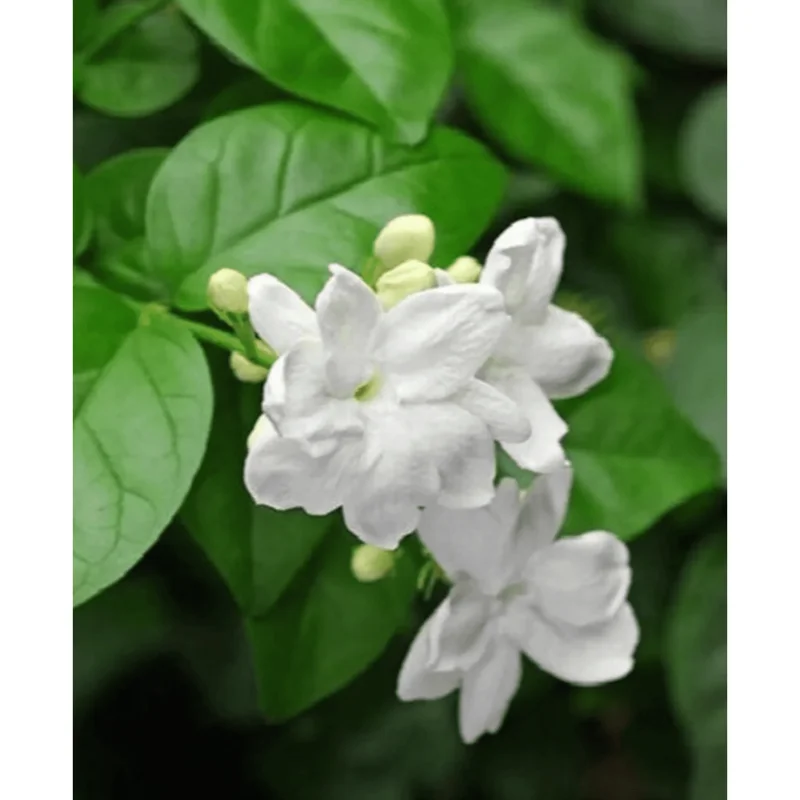
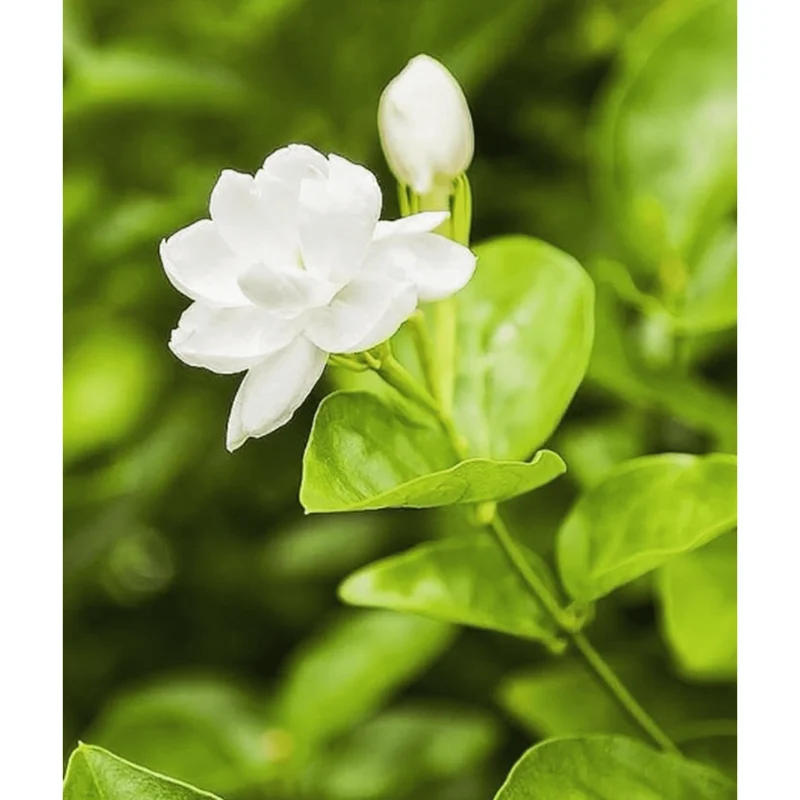
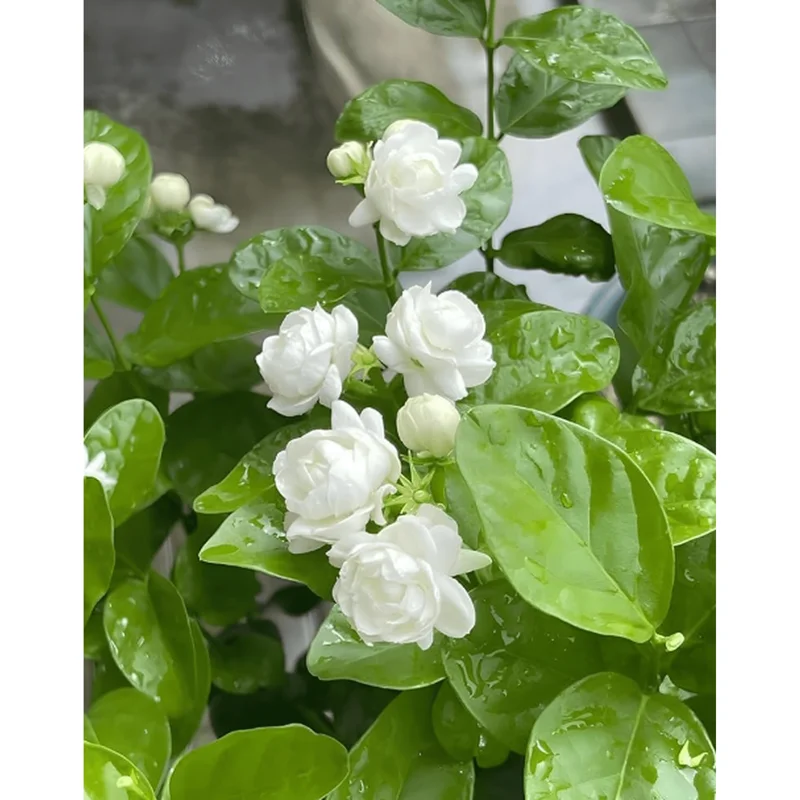
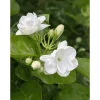
Transform your garden into a fragrant paradise with the exquisite arabic jasmine live plant. This captivating evergreen shrub or vine is cherished for its intensely aromatic, pristine white flowers that bloom repeatedly, particularly during warmer months and often at night, releasing their intoxicating perfume. Originating from the tropical and subtropical regions of Asia, the Arabic Jasmine, scientifically known as Jasminum sambac, is a beloved choice for plant enthusiasts and gardeners across the United States. Its glossy, dark green foliage provides a lush backdrop to the delicate blossoms, making it a stunning addition to any outdoor space. Whether you’re looking to create a serene garden retreat or add a touch of exotic elegance to your patio, this fragrant jasmine plant is an exceptional choice. It’s often used in garlands, perfumes, and teas, highlighting its versatility beyond just ornamental display.
Key Benefits
The arabic jasmine live plant offers numerous advantages for any gardener, from its captivating beauty to its practical uses. Its delightful fragrance alone makes it a worthwhile addition, but it also boasts several other compelling benefits:
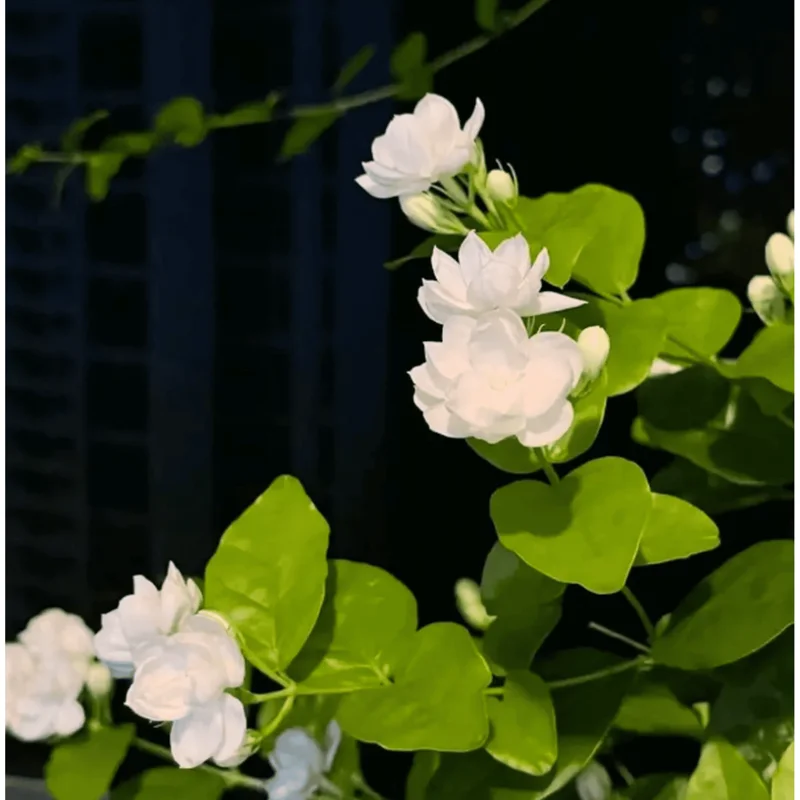
- Exquisite Fragrance: The primary allure of the Arabic Jasmine is its incredibly sweet and strong fragrance, which is particularly potent in the evenings. This makes it ideal for planting near windows, patios, or outdoor seating areas where its aroma can be fully appreciated, creating a romantic and peaceful ambiance.
- Continuous Blooms: In warm climates, this plant produces a continuous display of beautiful white flowers from spring through fall, ensuring a long season of enjoyment and visual appeal. The repeated blooming cycles keep your garden vibrant and fragrant for months.
- Versatile Use: Beyond its ornamental value, the flowers of Jasminum sambac are traditionally used for making fragrant garlands, essential oils for perfumes, and even as a delightful addition to teas. This versatility adds an extra layer of appreciation for this remarkable plant.
- Attractive Foliage: Even when not in bloom, the arabic jasmine live plant features attractive, glossy green leaves that maintain a lush appearance. This evergreen foliage provides year-round visual interest and a vibrant green backdrop in your garden.
- Ease of Care: While it thrives with proper attention, the Arabic Jasmine is relatively low-maintenance once established, making it suitable for gardeners of various experience levels. Following a simple jasmine care guide can lead to abundant blooms and healthy growth.
- Pollinator Friendly: The fragrant flowers attract various pollinators, including bees and butterflies, contributing to a healthy and biodiverse garden ecosystem.
- Container Growing Potential: This plant adapts well to container living, making it an excellent choice for patios, balconies, or smaller gardens where space is limited. Its compact size when grown in a pot allows for flexibility in placement.
Plant Care & Growing Tips
Caring for your arabic jasmine live plant is a rewarding experience, leading to abundant fragrant blooms. Understanding its specific needs will ensure a healthy and thriving plant. For optimal growth, these plants prefer full sun to partial shade. This means they should receive at least 6 hours of direct sunlight per day, especially in cooler climates. In hotter regions, some afternoon shade can protect the foliage from scorching. When it comes to watering, moderate watering is key. The soil should be kept evenly moist but never waterlogged. Allow the top inch or two of soil to dry out slightly between waterings, especially during the active growing season. Reduce watering frequency in cooler months or if the plant is dormant.
The ideal soil for Arabic Jasmine is a rich, well-draining loamy soil. Good drainage is crucial to prevent root rot, so ensure your pot or garden bed has adequate drainage holes. Amending heavy clay soils with organic matter can improve drainage and fertility. Fertilize your outdoor jasmine plant every 2-4 weeks during the blooming season with a balanced liquid fertilizer, or use a slow-release granular fertilizer formulated for flowering plants. Pruning after a flush of blooms can encourage new growth and more flowers. The ideal temperature range for Arabic Jasmine is between 65°F and 95°F. While it can tolerate brief dips, consistently cold temperatures below 50°F can cause stress or damage. In winter, these plants may shed some or all of their leaves, which is a natural response to cooler temperatures and reduced light. This deciduous behavior in winter is normal and new growth will emerge in spring. Protect your plant from frost if you live in a colder zone.
Size & Details
This offering is for one arabic jasmine live plant, which arrives in a convenient half gallon jasmine pot, ready for planting. The plant is typically well-established and has a robust root system, ensuring a smooth transition to your garden or a larger container. The exact height will vary depending on the growing stage, but it is typically a healthy young plant suitable for immediate outdoor placement. Arabic Jasmine can grow as a bushy shrub or be trained as a climbing vine, reaching heights of 6 to 10 feet with proper support. Its growth rate is moderate, allowing you to enjoy its beauty relatively quickly. Expect to see the first fragrant blooms shortly after planting, especially if planted during the spring or early summer, and continuous flowering throughout the warm seasons.
Frequently Asked Questions
- Q: How big does this plant get? A: The arabic jasmine live plant can grow as a shrub up to 3-5 feet tall and wide, or as a climbing vine reaching 6-10 feet with proper support. Its ultimate size depends on growing conditions and pruning.
- Q: What size pot does it come in? A: This plant is shipped in a half gallon jasmine pot, which is a good size for establishing roots before transplanting to a larger container or directly into your garden.
- Q: Is this an indoor or outdoor plant? A: Arabic Jasmine is primarily an outdoor plant in USDA zones where it can thrive. It can be grown indoors in colder climates, but it generally performs best outdoors with ample sunlight and good air circulation.
- Q: How much sunlight does it need? A: For abundant blooms, the fragrant jasmine plant requires full sun to partial shade, meaning at least 6 hours of direct sunlight daily. In very hot climates, some afternoon shade is beneficial.
- Q: Is this plant easy to care for? A: Yes, with a basic understanding of its needs, Arabic Jasmine is relatively easy to care for. Providing adequate sunlight, well-draining soil, and consistent moisture are key for a thriving plant. Refer to our jasmine care guide for more detailed instructions.
- Q: What condition will it arrive in? A: Your Arabic Jasmine plant will arrive healthy, live, and well-packaged in its half-gallon pot, with its root ball intact and protected, ready for planting.
- Q: When is the best time to plant? A: The best time to plant your outdoor jasmine plant is in the spring or early summer after the last frost, allowing it ample time to establish before cooler weather.
- Q: Will it survive winter in my zone? A: Arabic Jasmine is hardy in USDA zones 9-11. In colder zones, it can be grown in a container and brought indoors before the first frost, or treated as an annual.
- Q: What type of soil does it prefer? A: It thrives in rich, well-draining loamy soil. Ensuring good drainage is crucial to prevent root issues and promote healthy growth.
- Q: Can I use the flowers for tea? A: Yes, the flowers of Jasminum sambac are commonly used to make fragrant jasmine tea, adding a delicate aroma and flavor.





Reviews
There are no reviews yet.