Overview
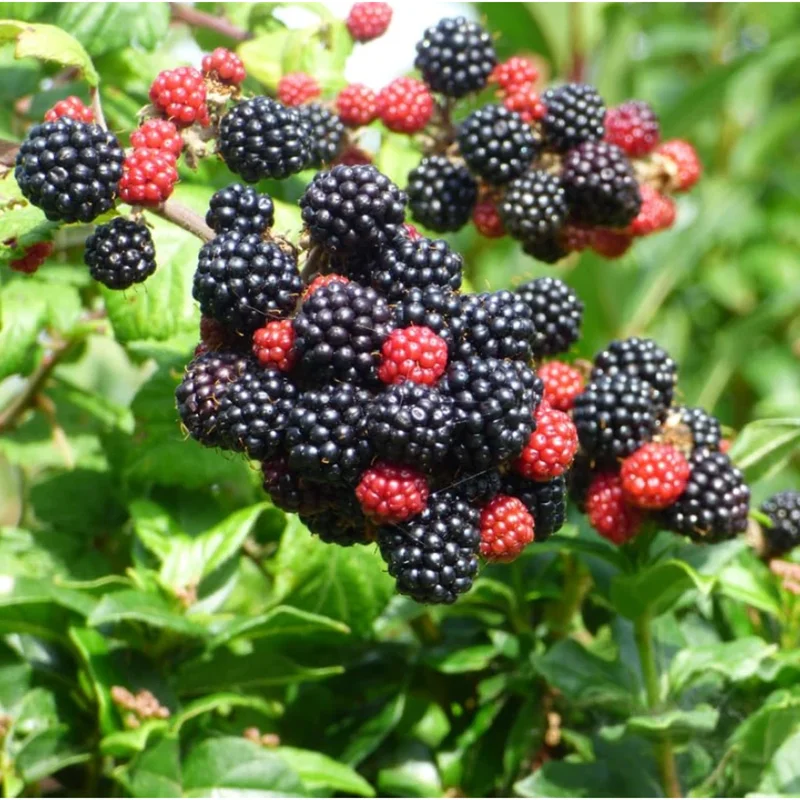
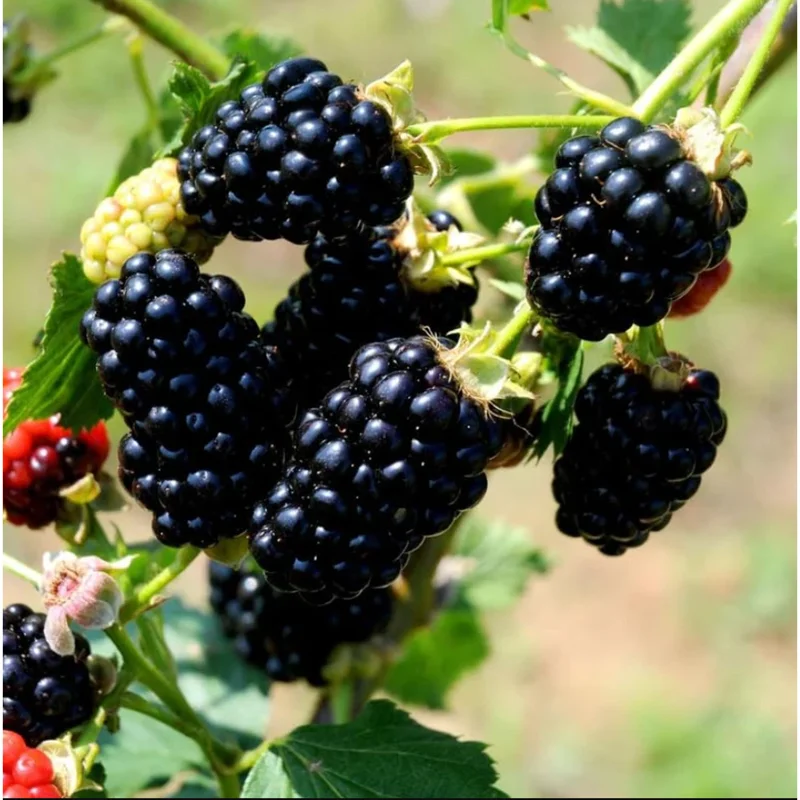
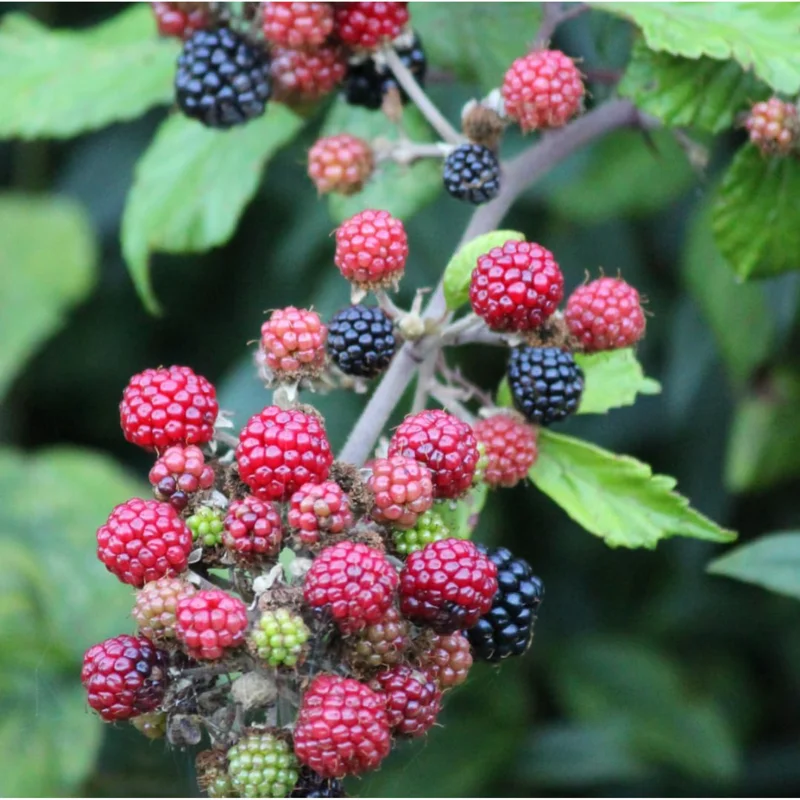
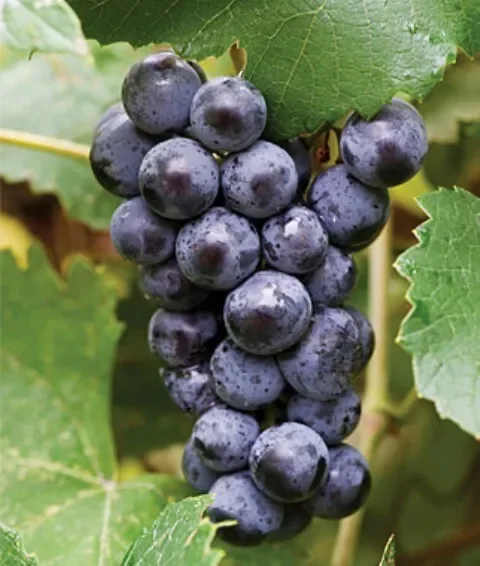
Introduce the joy of homegrown fruit to your garden with the Arapaho thornless blackberry live plant. This exceptional variety is celebrated for its ease of cultivation and abundant yields of delicious, medium-to-large berries. The Arapaho blackberry is an erect, self-pollinating shrub, meaning you only need one plant to produce fruit, making it ideal for gardens of all sizes. What truly sets this variety apart is its completely thornless canes, which transform harvesting from a thorny chore into a simple pleasure. Gardeners of all experience levels will appreciate the straightforward care and rewarding bounty these plants offer. These vigorous plants arrive ready to establish themselves in your outdoor space, promising years of fresh, sweet blackberries.
The Arapaho variety is known for being an early-ripening blackberry, often yielding fruit before many other cultivars, allowing you to enjoy fresh berries earlier in the season. Its self-supporting nature means less need for extensive trellising, simplifying garden maintenance. Whether you’re an experienced fruit grower or just starting your edible garden, adding a thornless blackberry bush like the Arapaho is a smart and satisfying choice. Prepare to be delighted by the firm, juicy berries perfect for a variety of culinary uses.
Key Benefits
Adding the Arapaho thornless blackberry to your garden provides numerous advantages beyond just fresh fruit. These plants are designed for both productivity and ease of care, making them a fantastic addition to any outdoor space.
- Effortless Harvesting: The primary benefit of the Arapaho variety is its completely thornless canes. This feature makes picking berries a pain-free experience, encouraging more frequent harvesting and making it safe for children and adults alike. Enjoy abundant fruit without the hassle of thorns.
- Early & Abundant Yields: As an early ripening blackberry, the Arapaho produces fruit earlier in the season compared to many other varieties. This means you can enjoy fresh berries sooner, and its self-pollinating nature ensures a generous harvest even with a single plant.
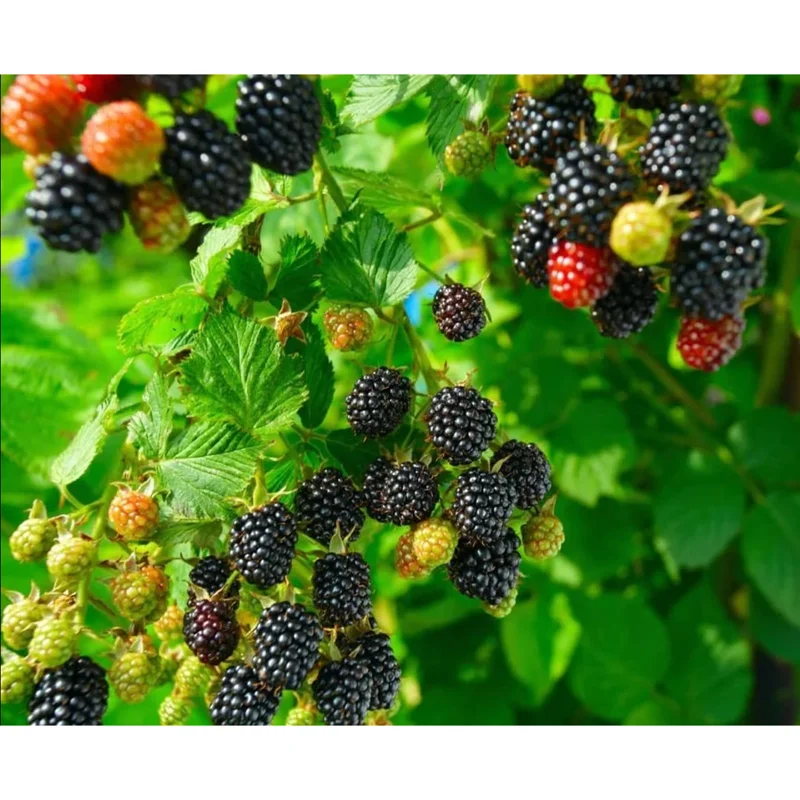
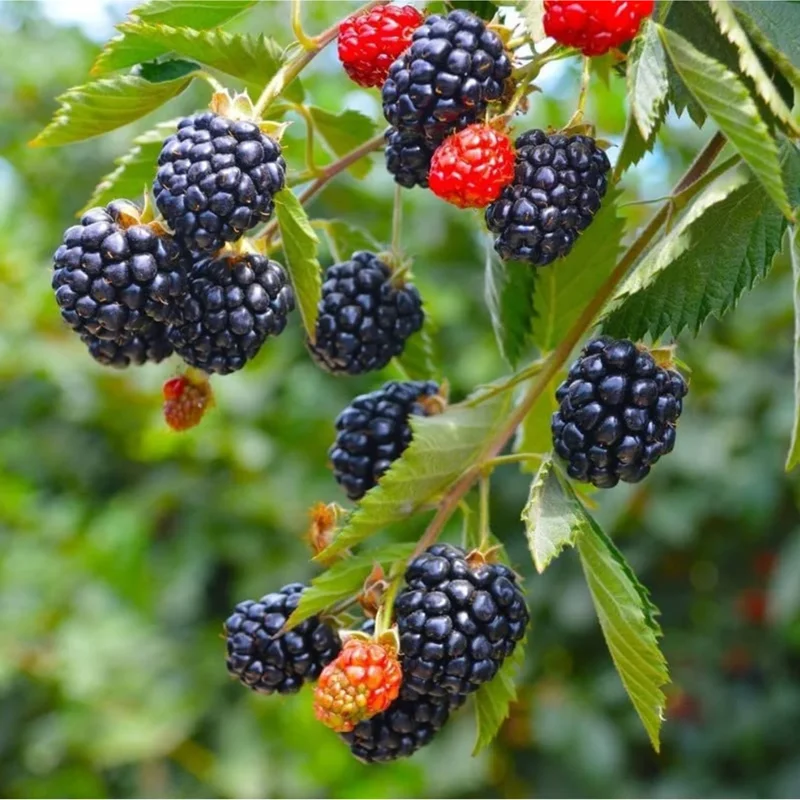
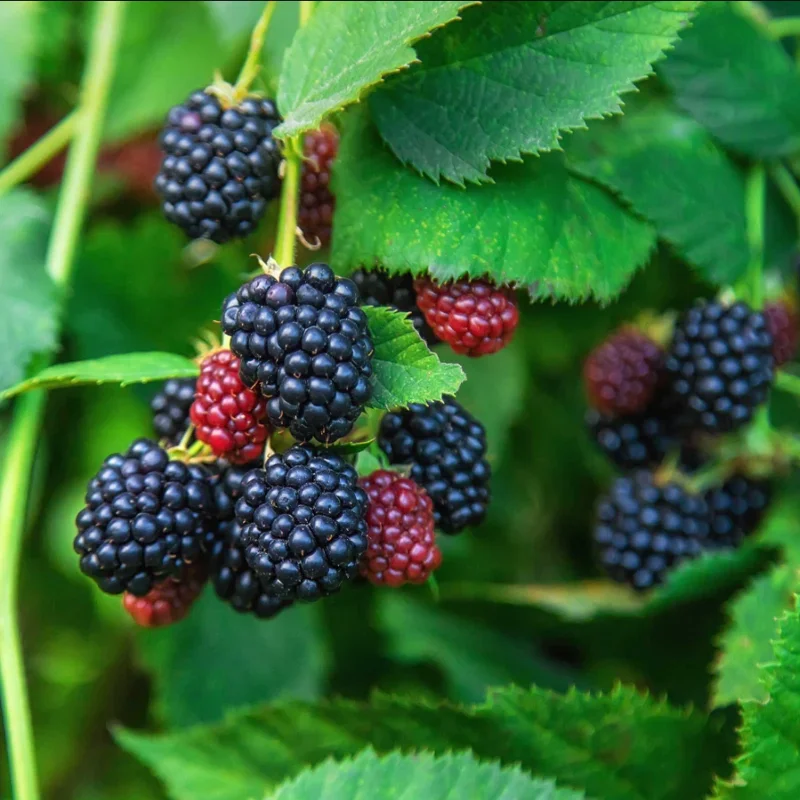
- Versatile Culinary Use: The sweet, firm, medium-to-large berries are incredibly versatile. They are perfect for fresh eating, adding to breakfast cereals, making delicious jams and jellies, or incorporating into pies, cobblers, and other baked goods.
- Self-Supporting Growth Habit: The erect growth habit of the Arapaho means its canes are self-supporting, reducing the need for extensive trellising or support structures. This simplifies maintenance and saves valuable garden space.
- Relatively Low Maintenance: Once established, these blackberry plants for sale require minimal care beyond regular watering, annual pruning, and appropriate sun exposure. Their robust nature makes them a resilient choice for home gardeners.
- Hardy & Adaptable: Suitable for USDA Zones 5-10, the Arapaho blackberry is a hardy plant that can thrive in a wide range of climates, provided it receives adequate sunlight and proper soil conditions. This adaptability makes it a reliable choice for many regions across the US.
Plant Care & Growing Tips
Successfully growing your Arapaho thornless blackberry live plant involves understanding its basic needs for sunlight, soil, water, and pruning. These plants thrive in full sun, meaning they require at least 6-8 hours of direct sunlight per day to produce the best fruit yields. Choose a site in your garden that receives ample morning sun, which helps dry dew from the leaves and reduces disease risk. Well-drained soil is crucial; blackberries do not tolerate wet feet. A slightly acidic soil with a pH between 6.0 and 6.8 is ideal. Amend heavy clay soils with organic matter like compost to improve drainage and aeration.
When planting, ensure good spacing between plants to allow for air circulation and growth. Dig a hole twice as wide as the root ball and just as deep. Place the plant in the hole, ensuring the crown is at soil level, then backfill with soil, gently tamping down to remove air pockets. Water thoroughly after planting. Regular watering is essential, especially during dry periods and when fruits are developing. Aim for consistently moist, but not waterlogged, soil. Fertilize in early spring with a balanced slow-release fertilizer designed for fruiting plants. Pruning is vital for maximizing fruit production and plant health. Blackberries fruit on second-year canes (floricanes). In late winter or early spring, remove all dead, damaged, or weak canes. After fruiting, cut back the floricanes that have produced berries to the ground. This encourages new growth (primocanes) that will bear fruit the following year. Protecting your growing blackberries without thorns from pests and diseases can often be managed through good cultural practices and regular inspection.
The Arapaho thornless blackberry is hardy in USDA Zones 5-10. In colder regions, providing winter protection, such as mulching around the base of the plant, can help ensure its survival. Monitor for common blackberry issues like cane blight or anthracnose, and address them promptly with appropriate organic or chemical treatments if necessary. With proper care, your Arapaho thornless blackberry live plant will provide you with bountiful harvests for many seasons.
Size & Details
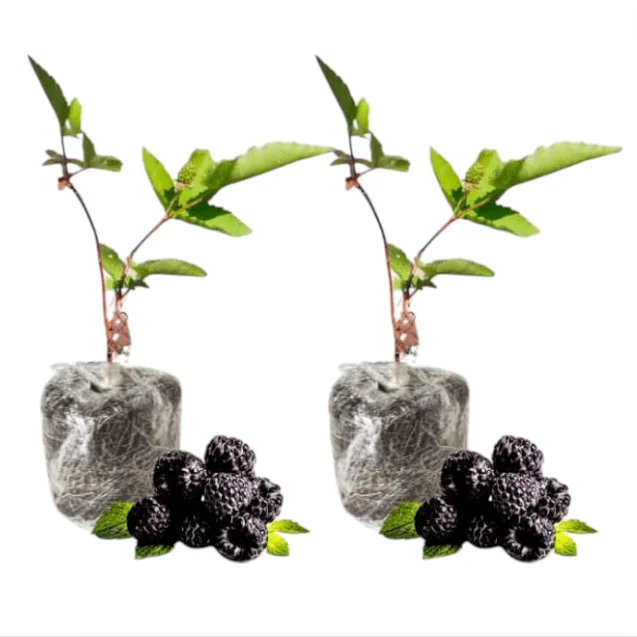
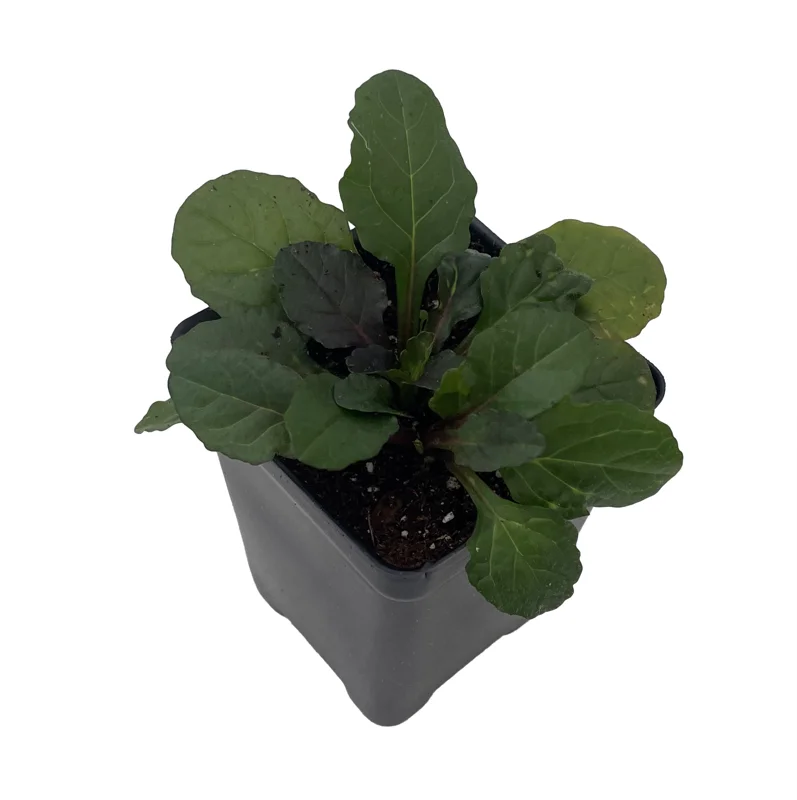
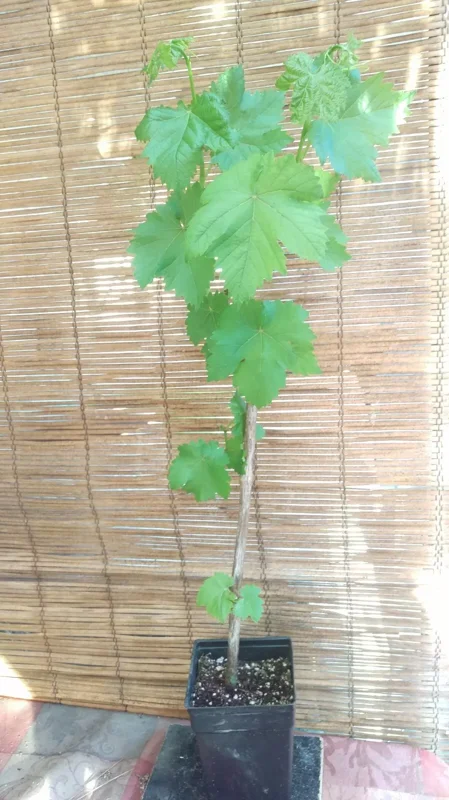
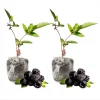
This offering includes a pack of 2 Arapaho thornless blackberry live plant specimens, each standing approximately 4-8 inches tall from the base of the plant to the tip of its tallest cane. These plants are shipped without a pot, as bare-root or with minimal soil around the root ball, enabling safer and more economical transit. Upon arrival, it is crucial to plant them promptly to ensure successful establishment. The Arapaho blackberry is known for its erect growth habit, typically reaching heights of 5-6 feet with a spread of 3-4 feet at maturity, making it a manageable size for most home gardens. It has a medium growth rate and typically begins producing fruit in its second year after planting.
The self-pollinating nature of these plants means you don’t need multiple varieties for fruit set, though planting more can increase overall yields. Expect an early harvest, with berries typically ripening in late spring to early summer, depending on your specific climate and growing conditions. The medium-to-large berries are firm with small seeds, ideal for both fresh consumption and processing. These robust plants are an excellent investment for anyone looking to cultivate their own healthy and delicious fruit.
Frequently Asked Questions
- Q: How big do these Arapaho thornless blackberry plants get? A: The Arapaho thornless blackberry live plant typically grows to a height of 5-6 feet and can spread about 3-4 feet wide. Its erect, self-supporting canes make it a manageable size for most garden spaces without extensive trellising.
- Q: Is this an indoor or outdoor plant? A: The Arapaho thornless blackberry is an outdoor fruit bush. It requires full sun exposure and is best suited for planting directly in the ground in USDA Hardiness Zones 5-10 to thrive and produce fruit.
- Q: How much sunlight does the Arapaho blackberry need? A: This blackberry variety needs full sun, which means at least 6-8 hours of direct sunlight per day. Adequate sun is crucial for optimal fruit production and plant health.
- Q: What condition will the plants arrive in? A: These blackberry plants for sale are typically shipped without a pot, either as bare-root or with a small amount of soil around the roots. It is important to plant them as soon as possible after arrival for the best results.
- Q: How long until these plants produce fruit? A: Arapaho thornless blackberry plants usually begin producing fruit in their second year after planting. They are an early ripening blackberry, so you can expect harvests in late spring to early summer once established.
- Q: What is the best time to plant Arapaho blackberries? A: The ideal time to plant these bare-root or young blackberry plants is in early spring, after the last frost, allowing them ample time to establish their root system before the heat of summer.
- Q: Will these blackberry plants survive winter in my zone? A: The Arapaho thornless blackberry is hardy in USDA Zones 5-10. If you are in a colder part of this range, providing a layer of mulch around the base in late fall can offer additional winter protection.
- Q: Is this a self-pollinating variety? A: Yes, the Arapaho is a self-pollinating blackberry cultivar. This means you do not need to plant multiple varieties to ensure fruit production, though having more plants can lead to a larger overall harvest.
- Q: What kind of soil is best for growing blackberries without thorns? A: Growing blackberries without thorns successfully requires well-drained soil that is rich in organic matter. A slightly acidic pH between 6.0 and 6.8 is ideal. Avoid heavy clay or constantly waterlogged conditions.
- Q: Can I use these berries for jams and baking? A: Absolutely! The sweet, firm berries of the Arapaho blackberry are perfect for fresh eating, and they hold up very well for making delicious jams, jellies, pies, cobblers, and other baked goods.



Reviews
There are no reviews yet.