Overview
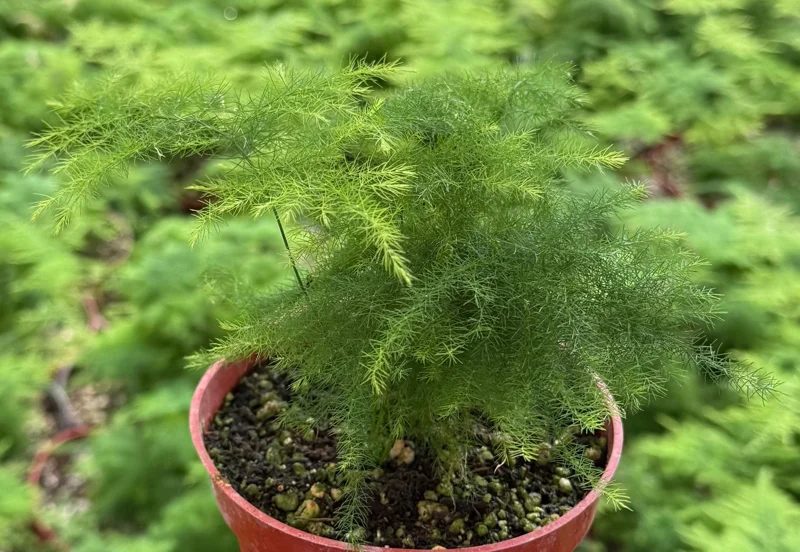
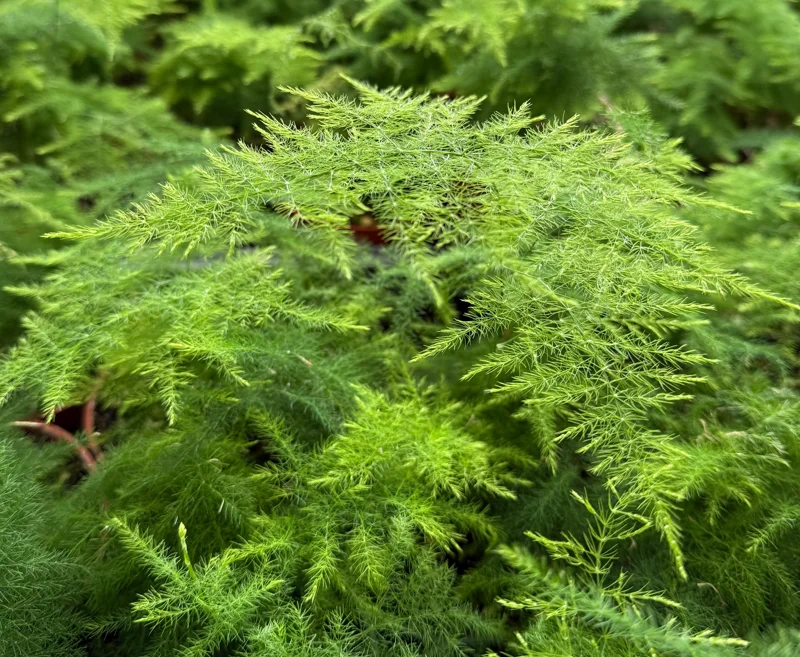
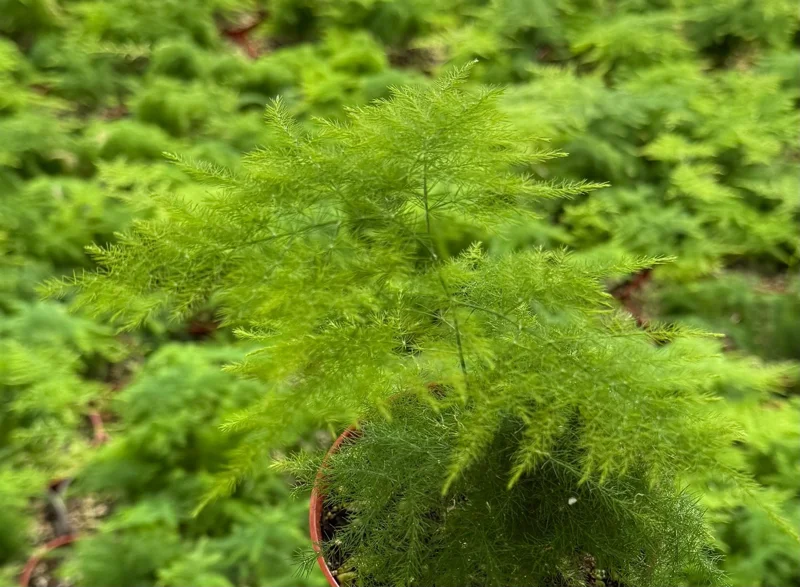
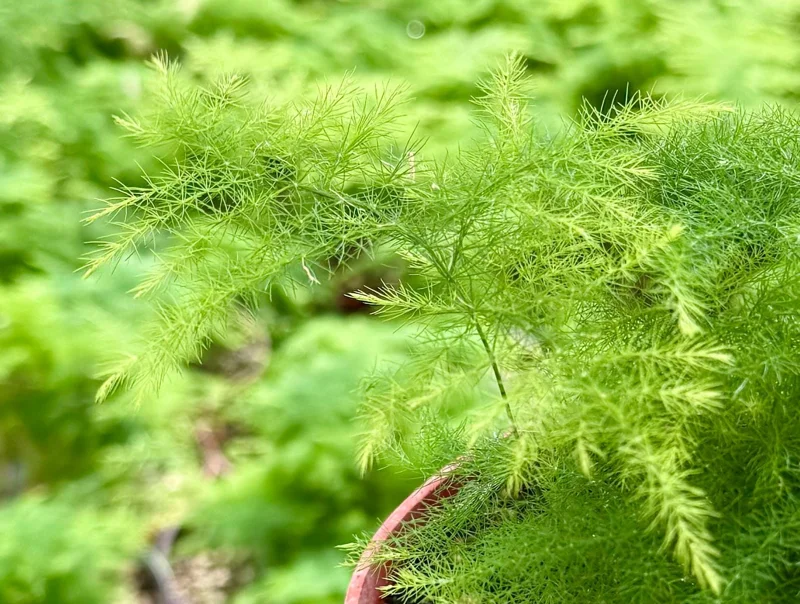
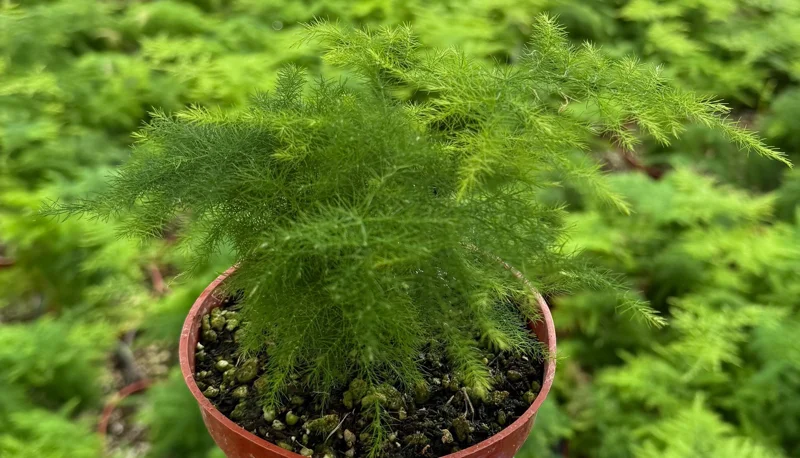
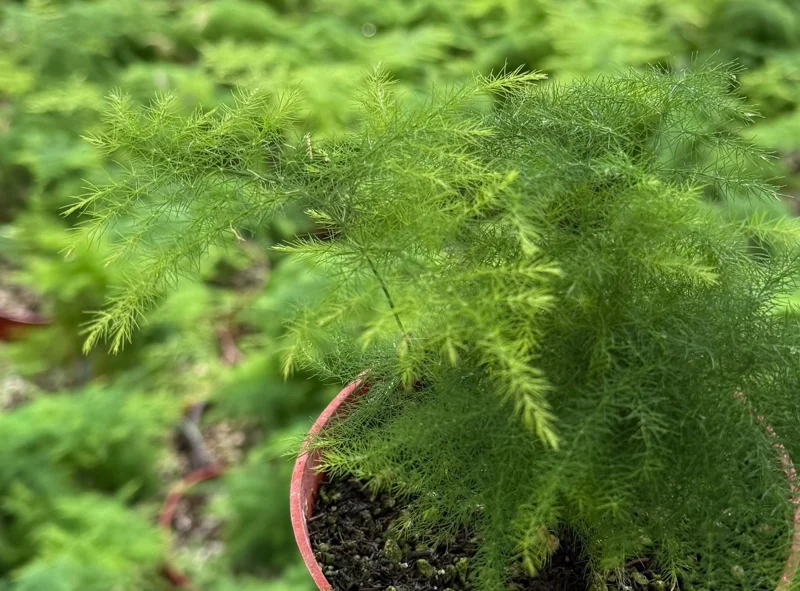
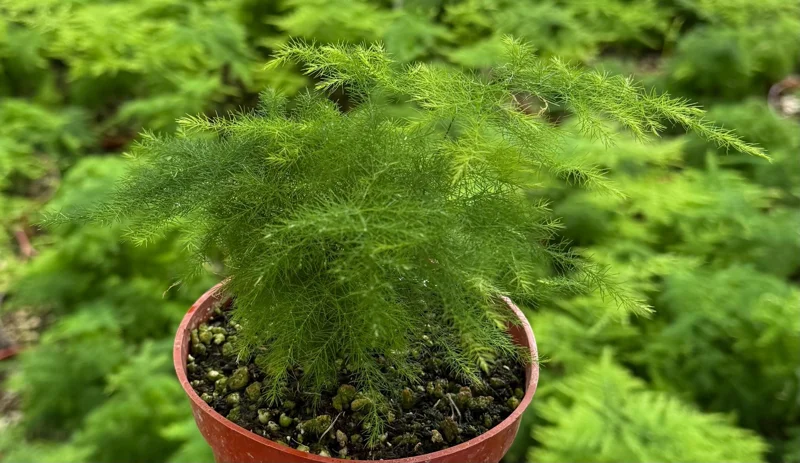
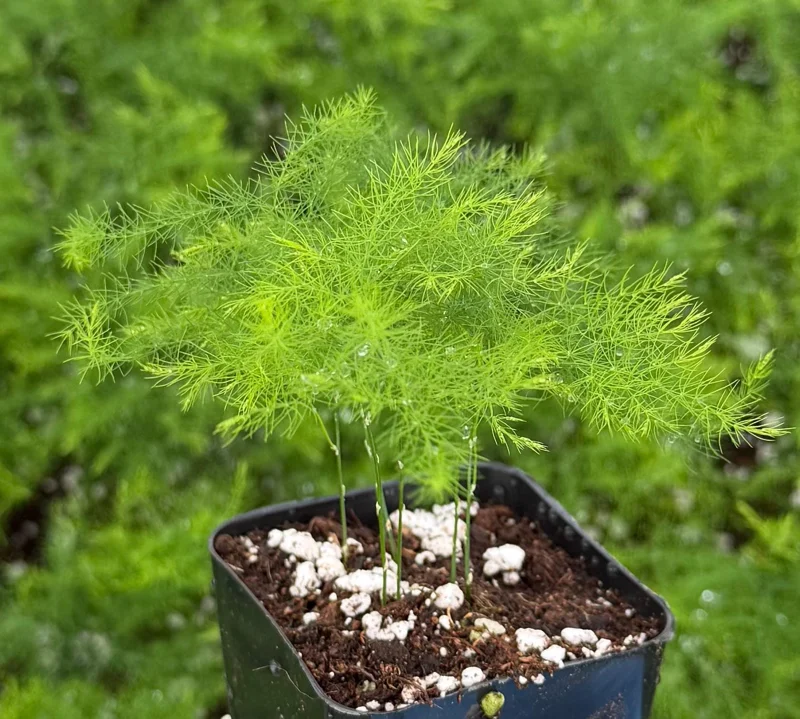
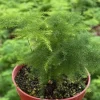
The Asparagus Fern live plant is a captivating addition to any indoor plant collection, celebrated for its unique, airy texture and vibrant green color. Despite its common name, the Asparagus Fern is not a true fern but a member of the Asparagaceae family, related to the edible asparagus. Its delicate, feathery appearance, reminiscent of soft fern fronds, is actually made up of modified stems called cladodes. This versatile plant can grow as a trailing specimen in hanging baskets, climb with support, or form upright clumps, depending on the specific variety like Asparagus setaceus (lace fern or climbing asparagus) or Asparagus densiflorus (foxtail or sprenger’s asparagus fern). It’s a relatively fast grower that brings a touch of natural elegance and lushness to homes and offices. Perfect for those seeking an easy-to-care-for yet visually striking houseplant, the Asparagus Fern live plant offers year-round beauty.
Originating from warmer climates, this plant is primarily cultivated as an indoor plant in most parts of the US, though it can thrive outdoors in USDA zones 9-11. Its resilience and adaptability make it a popular choice for both novice and experienced plant enthusiasts. Small white flowers may occasionally appear, sometimes followed by decorative red berries, adding to its charm. The unique foliage of the Asparagus Fern live plant creates a soft, ethereal atmosphere, making it a focal point in any decor scheme. Consider adding this feathery houseplant to your collection for a touch of natural elegance.
Key Benefits
The Asparagus Fern live plant offers numerous benefits, making it a highly desirable choice for plant lovers. Its aesthetic appeal and ease of care contribute to a more beautiful and serene living environment, making it an ideal indoor Asparagus Fern. This plant is a wonderful way to introduce natural beauty into your home.
- Elegant Decorative Appeal: The delicate, feathery foliage of the Asparagus Fern live plant provides a unique texture and bright green color that effortlessly enhances any interior space. It’s perfect for adding a soft, airy touch to shelves, desks, or hanging baskets, making it a truly captivating feathery houseplant.
- Adaptable Growth Habit: Whether you prefer a trailing plant for a hanging basket, a climbing accent, or a full, upright clump, the Asparagus Fern can adapt to various forms, making it incredibly versatile for different display options. This adaptability is a key aspect of Asparagus Fern care.
- Relatively Easy Care: This plant is known for being forgiving, making it an excellent choice for beginners or those with busy schedules. With consistent moisture and bright, indirect light, it thrives without excessive demands, simplifying your Asparagus Fern care routine.
- Air Purifying Qualities: Like many houseplants, the Asparagus Fern contributes to improved indoor air quality by absorbing common household toxins, promoting a healthier living environment.
- Fast Growing: Enjoy rapid growth and lush development, quickly transforming your space with vibrant greenery. This characteristic makes it rewarding to watch and care for, especially for an indoor Asparagus Fern.
- Unique Foliage: Its cladodes, often mistaken for true fern fronds, provide a distinctive look that sets it apart from other common houseplants, adding an interesting botanical element to your collection. The unique appearance of this lace fern plant is truly striking.
- Resilience: The Asparagus Fern live plant is quite robust and can recover well from minor neglect, ensuring it remains beautiful with proper attention, provided you follow basic Asparagus Fern care guidelines.
Plant Care & Growing Tips
Caring for your Asparagus Fern live plant is straightforward, ensuring it remains vibrant and healthy. This plant thrives with consistent attention to its basic needs. It prefers bright, indirect light; placing it near an east or north-facing window is ideal, or a few feet away from a south or west-facing window. Direct, harsh sunlight can scorch its delicate foliage, causing it to yellow or brown. If you notice yellowing, try moving it to a shadier spot. Conversely, too little light can lead to sparse growth, indicating a need for more brightness. Proper lighting is crucial for good Asparagus Fern care.
When it comes to watering, the Asparagus Fern prefers consistently moist, but not waterlogged, soil. Allow the top inch of soil to dry out slightly between waterings, then water thoroughly until water drains from the bottom of the pot. Avoid letting the plant sit in standing water, as this can lead to root rot. Higher humidity levels are also beneficial for this plant, especially in drier indoor environments. You can increase humidity by misting daily, placing the pot on a pebble tray with water, or using a humidifier. The ideal temperature range for the Asparagus Fern live plant is between 65-75°F (18-24°C). Fertilize every 2-4 weeks during the growing season (spring and summer) with a balanced liquid fertilizer diluted to half strength. During fall and winter, reduce fertilization to once a month or stop entirely. Common problems include dry, crispy foliage due to low humidity or underwatering, and yellowing leaves from overwatering or too much direct sun. Inspect regularly for pests like spider mites and treat promptly with insecticidal soap if found. For outdoor cultivation in warmer regions, remember that the lace fern plant can spread vigorously under ideal conditions. Consistent Asparagus Fern care ensures a thriving specimen.
Size & Details
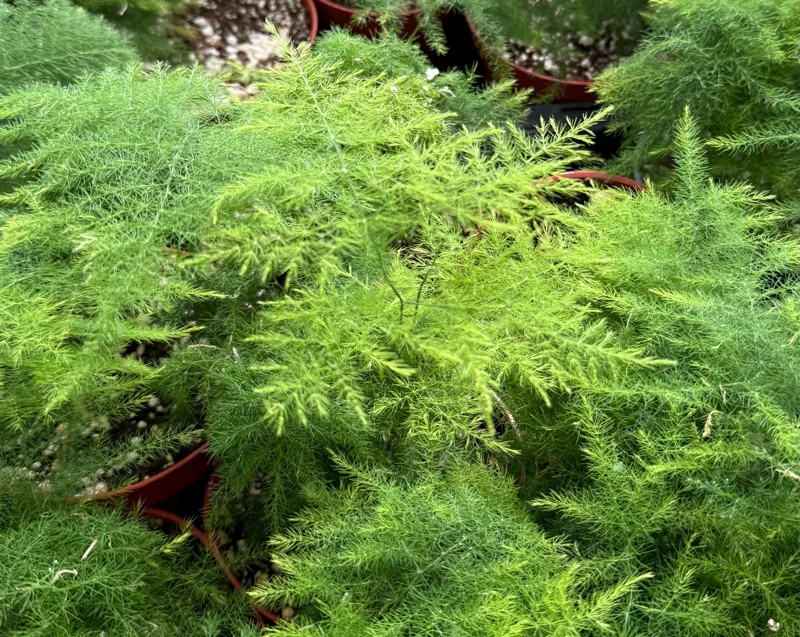
This offering is for a Asparagus Fern live plant, typically shipped in a nursery pot, ready for transplanting into your preferred decorative container. The plant’s mature size can vary depending on the variety and growing conditions, generally reaching a height and spread of 1 to 3 feet when grown indoors. Its fast growth rate means you’ll quickly see it establish and develop its lush foliage. When grown as a trailing plant, its delicate fronds can cascade gracefully, adding vertical interest to your space. If provided with support, varieties like Asparagus setaceus can climb, creating a dynamic display. Each plant is carefully selected to ensure health and vigor upon arrival, providing a robust foundation for your indoor garden. The specific pot size will be indicated at the time of purchase, providing a clear understanding of the plant’s current stage of development. Expect vibrant green foliage and a healthy root system, ensuring a smooth transition to its new home. This feathery houseplant will quickly become a focal point.
Frequently Asked Questions
- Q: How big does this plant get? A: An Asparagus Fern live plant typically grows to about 1 to 3 feet in height and spread indoors, depending on the variety and care. It can trail extensively in hanging baskets or be pruned to maintain a more compact size.
- Q: Is this an indoor or outdoor plant? A: While hardy outdoors in USDA zones 9 to 11, the Asparagus Fern live plant is most commonly grown as a beautiful and delicate indoor Asparagus Fern in most US climates. It thrives in controlled indoor environments.
- Q: How much sunlight does it need? A: The Asparagus Fern prefers bright, indirect light. Avoid direct harsh sunlight, which can burn its delicate fronds. A spot near an east or north-facing window is usually ideal for this feathery houseplant.
- Q: Is this plant easy to care for? A: Yes, the Asparagus Fern is considered relatively easy to care for, making it suitable for both beginners and experienced plant enthusiasts. Consistent watering and adequate light are key to its success, simplifying Asparagus Fern care.
- Q: What condition will it arrive in? A: Your Asparagus Fern live plant will arrive carefully packaged in a nursery pot, ready for you to transplant. We ensure that plants are healthy and vibrant before shipping to guarantee a good start in your home.
- Q: How often should I water my Asparagus Fern? A: Water your Asparagus Fern when the top inch of soil feels dry to the touch. It prefers consistently moist soil but dislikes sitting in water. Adjust watering based on humidity and temperature, following good Asparagus Fern care practices.
- Q: Is the Asparagus Fern pet-safe? A: It’s important to note that Asparagus Ferns are considered mildly toxic to pets if ingested. While generally safe to have around, it’s best to keep them out of reach of curious animals.
- Q: What kind of soil does it need? A: The lace fern plant thrives in a well-draining potting mix that retains some moisture. A standard houseplant potting mix with added perlite or coco coir works well to provide adequate drainage and aeration.
- Q: Does it need high humidity? A: Yes, Asparagus Ferns appreciate higher humidity levels, especially in dry indoor environments. Misting regularly, using a pebble tray, or placing it near a humidifier can help keep its foliage lush. This is a key aspect of Asparagus Fern care.
- Q: Will it produce flowers or berries? A: Under optimal conditions, mature Asparagus Ferns may produce small, inconspicuous white flowers, which can sometimes be followed by small, decorative red berries. These are not edible.






Reviews
There are no reviews yet.