Overview
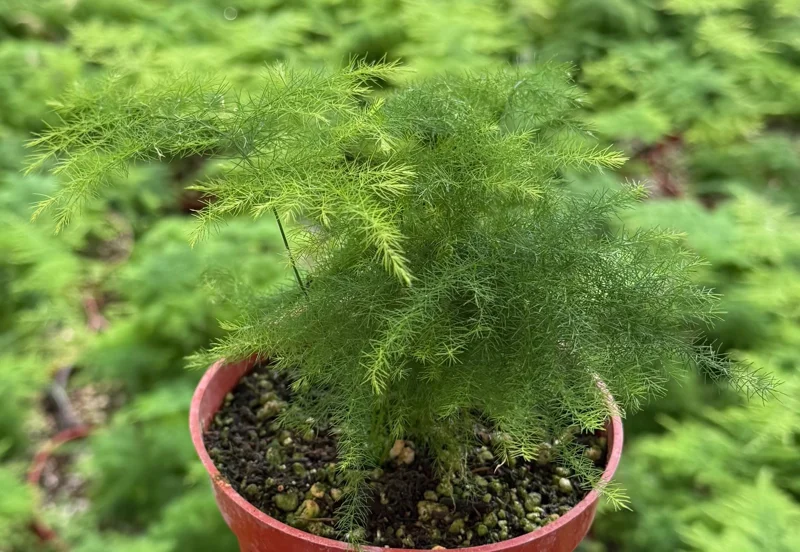
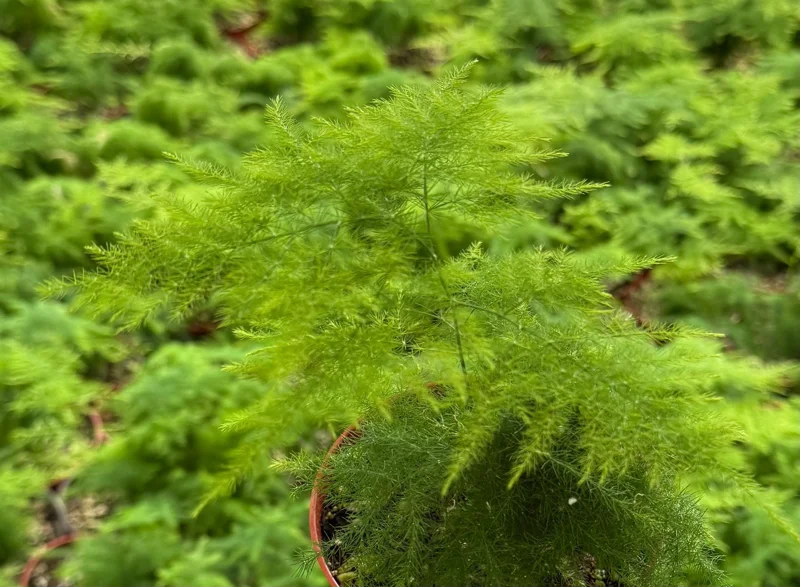
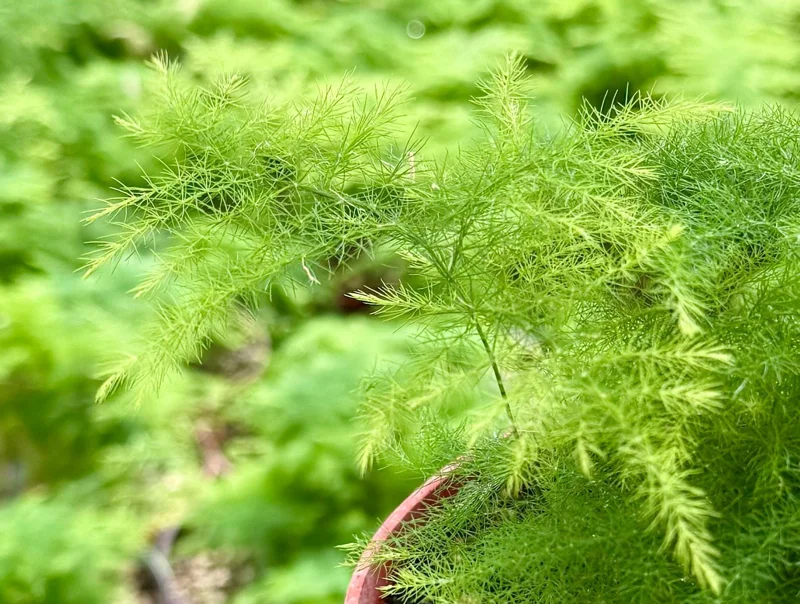
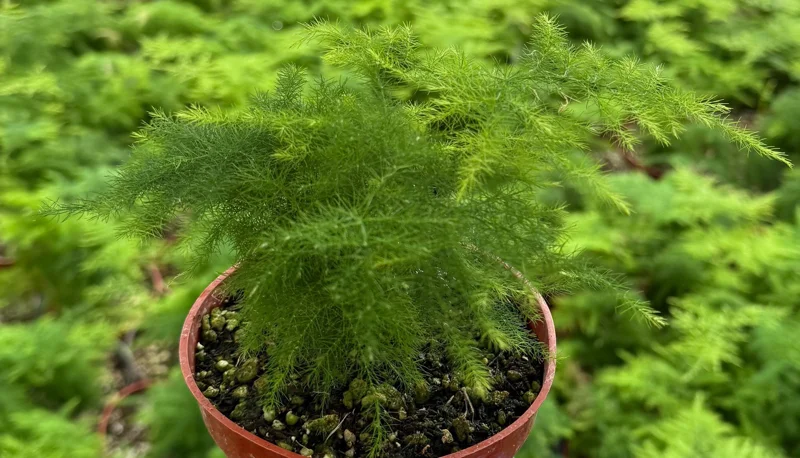
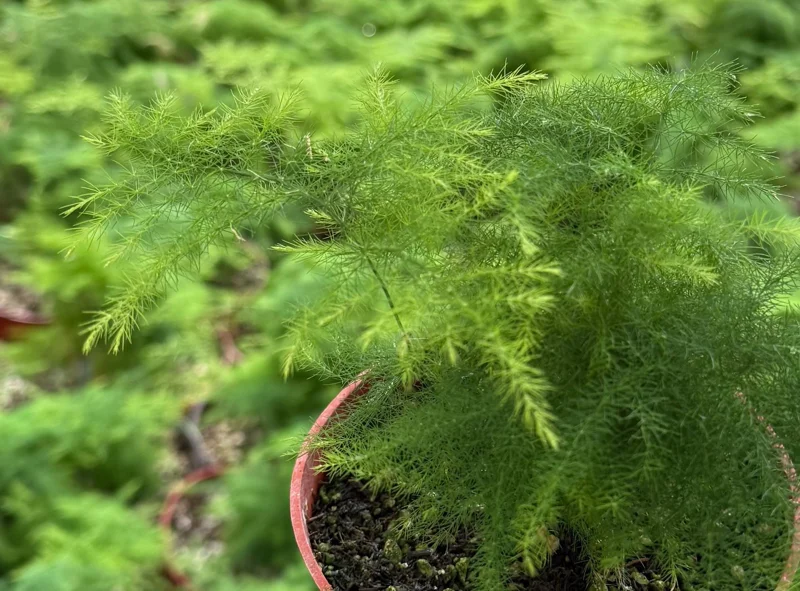
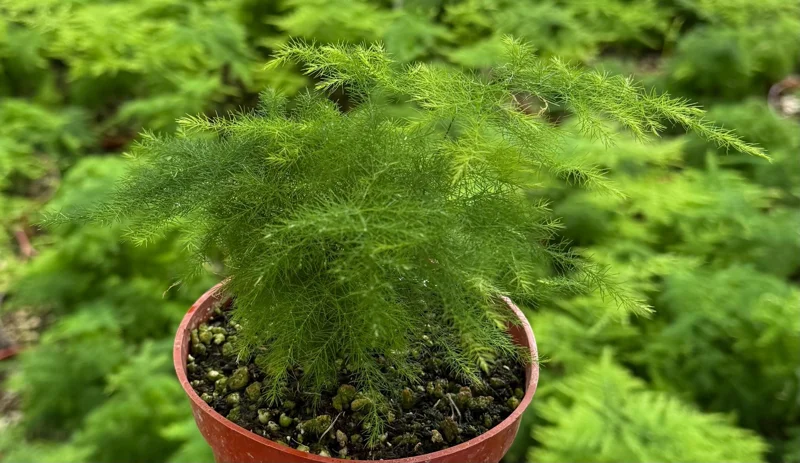
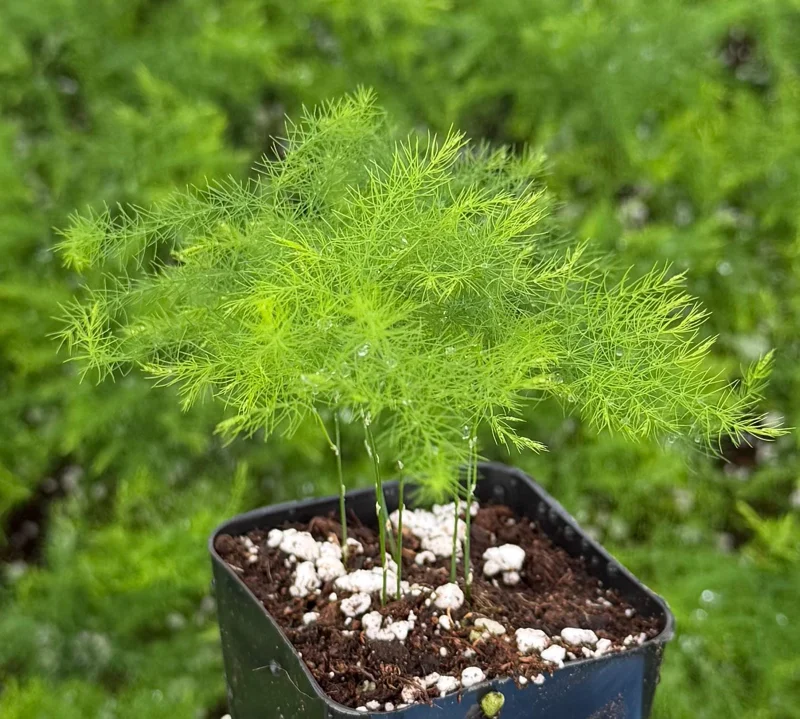
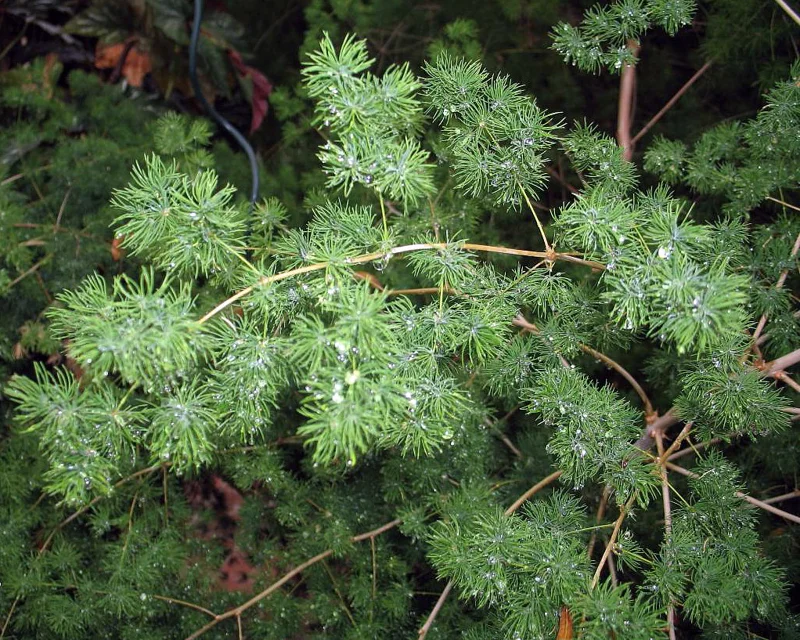
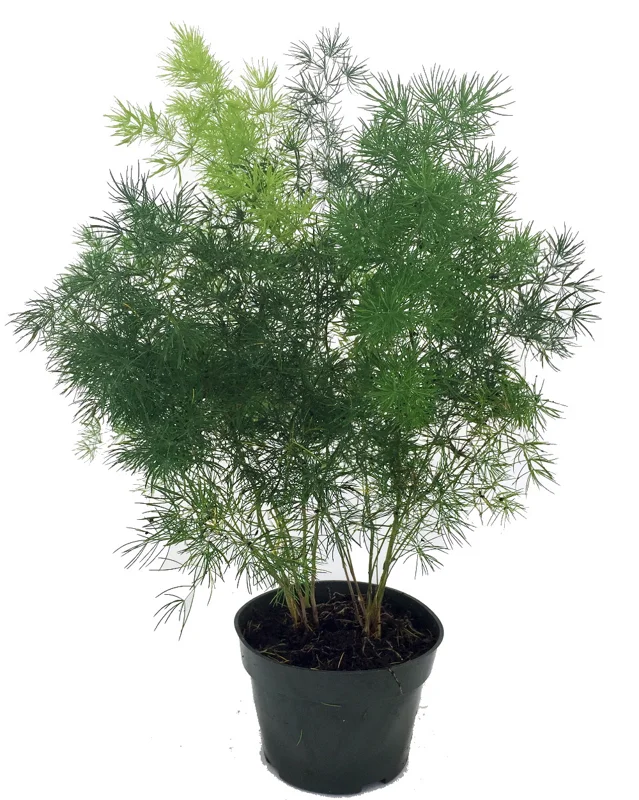
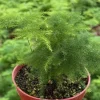
Introduce a touch of whimsical elegance to your home with the asparagus fern live plant. Despite its common name, the asparagus fern is not a true fern but a member of the Asparagaceae family, closely related to the edible garden asparagus. This popular houseplant is cherished for its delicate, airy foliage that creates a soft, feathery texture, making it a captivating addition to any indoor plant collection. Commonly known as lace fern, climbing asparagus, or foxtail fern depending on the specific variety, its botanical name is often Asparagus setaceus or Asparagus densiflorus. These plants are celebrated for their fast growth and ability to trail gracefully from hanging baskets, climb with support, or form attractive upright clumps. Small white flowers may occasionally appear, sometimes followed by decorative red berries, further enhancing its appeal as a unique and vibrant indoor plant.
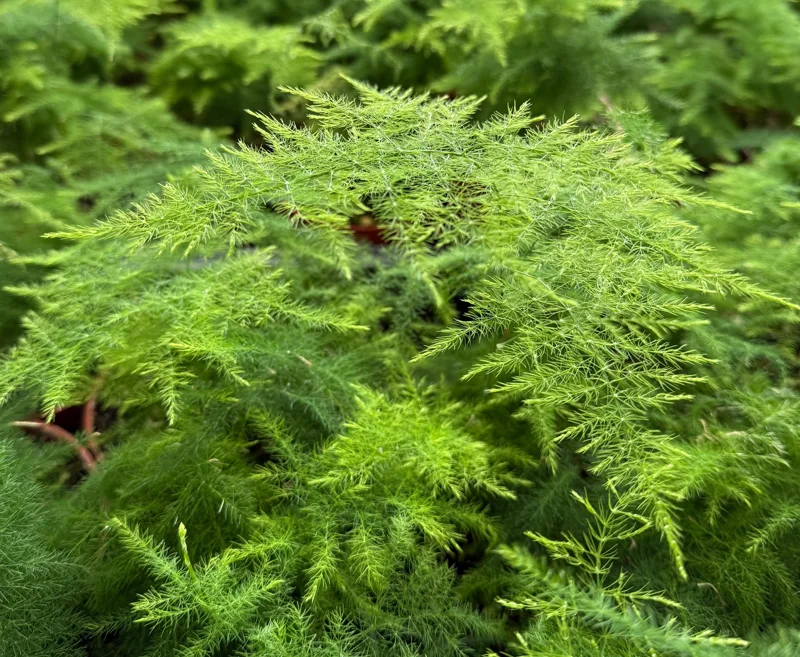
The asparagus fern is an excellent choice for those seeking a plant with dynamic growth habits and fine-textured leaves. Its unique appearance, resembling soft fern fronds, but actually composed of modified stems called cladodes, provides an interesting botanical talking point. Whether you’re looking to create a lush, green accent in your living room or a trailing statement piece on a shelf, this plant offers versatility and beauty. It thrives with proper asparagus fern care, rewarding its owner with continuous, vibrant growth and an ethereal presence.
Key Benefits
The asparagus fern live plant offers numerous benefits, making it a highly desirable choice for indoor gardening enthusiasts. Its unique aesthetics and relatively straightforward care requirements contribute to its widespread popularity.
- Elegant Aesthetic Appeal: The delicate, feathery foliage of the asparagus fern provides a soft, airy texture that adds a sophisticated and natural touch to any room. It creates a calming and inviting atmosphere, enhancing your home decor.
- Versatile Growth Habit: Depending on the specific variety, these plants can trail beautifully from hanging baskets, climb elegantly up trellises, or form dense, upright clumps, offering diverse display options to suit your space.
- Fast Growing & Lush: Known for its vigorous growth, the asparagus fern quickly fills out, creating a full and lush appearance. This rapid growth makes it satisfying to cultivate and observe its development.
- Unique Foliage Structure: Its ‘fronds’ are actually modified stems (cladodes), providing an interesting botanical feature. This unique structure contributes to its distinctive appearance, setting it apart from other houseplants.
- Adaptable to Indoor Environments: While hardy in warmer climates, the asparagus fern excels as an indoor plant, adapting well to typical household conditions with bright, indirect light and consistent moisture.
Plant Care & Growing Tips
Proper asparagus fern care is essential to ensure your plant thrives and maintains its lush, feathery appearance. Understanding its specific needs will help it flourish in your home. This plant prefers bright, indirect light. Avoid direct, harsh sunlight, which can scorch its delicate foliage. An east or north-facing window is ideal, or a spot several feet away from a south or west-facing window. Consistently moist but well-draining soil is crucial. Water thoroughly when the top inch of soil feels dry to the touch, and ensure adequate drainage to prevent root rot. Higher humidity levels are beneficial; consider misting regularly, placing the pot on a pebble tray with water, or using a humidifier, especially in drier indoor environments.
Maintain a consistent room temperature, ideally between 60-75°F (15-24°C). The asparagus fern is hardy in USDA zones 9 to 11 when grown outdoors, but as an indoor plant, it needs protection from extreme cold. Fertilize every 2-4 weeks during the growing season (spring and summer) with a balanced liquid houseplant fertilizer diluted to half strength. Reduce feeding in fall and winter. Pruning can be done to maintain shape and remove any yellowing or leggy stems. Common problems include yellowing foliage due to under or overwatering, and browning tips from low humidity. Regularly check for pests like spider mites, especially in dry conditions. Providing good air circulation also helps prevent fungal issues.
Size & Details
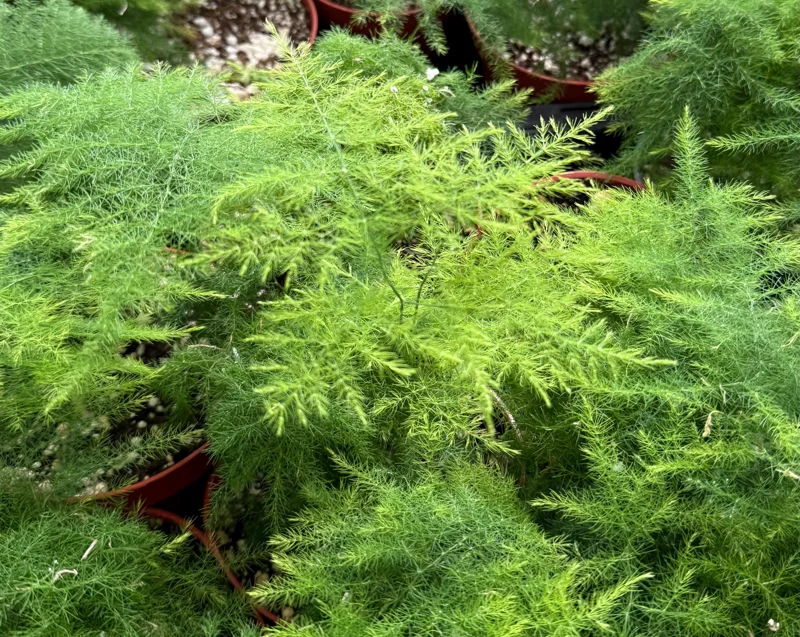
This offering includes one vibrant asparagus fern live plant, meticulously grown and delivered in a sturdy 4 inch pot. The plant’s current height will vary but typically measures between 6 to 10 inches from the soil line, ready to grow and expand in your home. Known for its moderate to fast growth rate, your asparagus fern will quickly develop its characteristic trailing or clumping form. It ships as a healthy, established potted plant, ensuring a smooth transition to its new environment. With proper care, it can achieve a significant spread, making it an excellent candidate for hanging baskets or as a focal point on a plant stand. This size is perfect for immediate display and provides a strong foundation for continued robust growth, allowing you to enjoy the full beauty of this lace fern houseplant.
Frequently Asked Questions
- Q: How big does this plant get? A: An asparagus fern live plant in a 4-inch pot can grow quite large over time, with stems trailing several feet in length. Its ultimate size depends on growing conditions and pot size, but it typically forms a lush, full plant indoors.
- Q: Is this an indoor or outdoor plant? A: While hardy in USDA zones 9-11, the asparagus fern is most commonly grown as an indoor plant in the US. It thrives in bright, indirect light conditions found in most homes, making it a perfect indoor asparagus fern.
- Q: How much sunlight does it need? A: This plant prefers bright, indirect light. Direct sun can scorch its delicate foliage, so a north or east-facing window is ideal, or a spot a few feet away from a south or west-facing window.
- Q: Is this plant easy to care for? A: Yes, the asparagus fern is considered relatively easy to care for, making it suitable for beginners. Key aspects of asparagus fern care include consistent watering and adequate humidity.
- Q: Is it pet-safe? A: No, asparagus ferns are considered toxic to pets if ingested. It can cause gastrointestinal upset and skin irritation. It’s best to keep this plant out of reach of curious pets.
- Q: What condition will it arrive in? A: Your asparagus fern live plant will arrive as a healthy, established plant in its 4-inch nursery pot, carefully packaged to ensure minimal stress during transit.
- Q: What’s the minimum temperature it can tolerate? A: As an indoor plant, it prefers temperatures between 60-75°F (15-24°C). It should not be exposed to temperatures below 50°F (10°C) for extended periods to prevent damage.
- Q: Does this plant have flowers or berries? A: Yes, mature asparagus setaceus plants can produce small, inconspicuous white flowers, which may be followed by small red berries. These berries are not for consumption.
- Q: Can I propagate this plant? A: Yes, asparagus fern can be propagated through division of its rhizomes or by stem cuttings. Division is generally the most successful method for home growers.
- Q: Why are the leaves turning yellow or brown? A: Yellowing leaves often indicate overwatering or underwatering. Brown tips usually point to low humidity. Adjust your watering schedule and increase humidity to resolve these issues.




Reviews
There are no reviews yet.