Overview
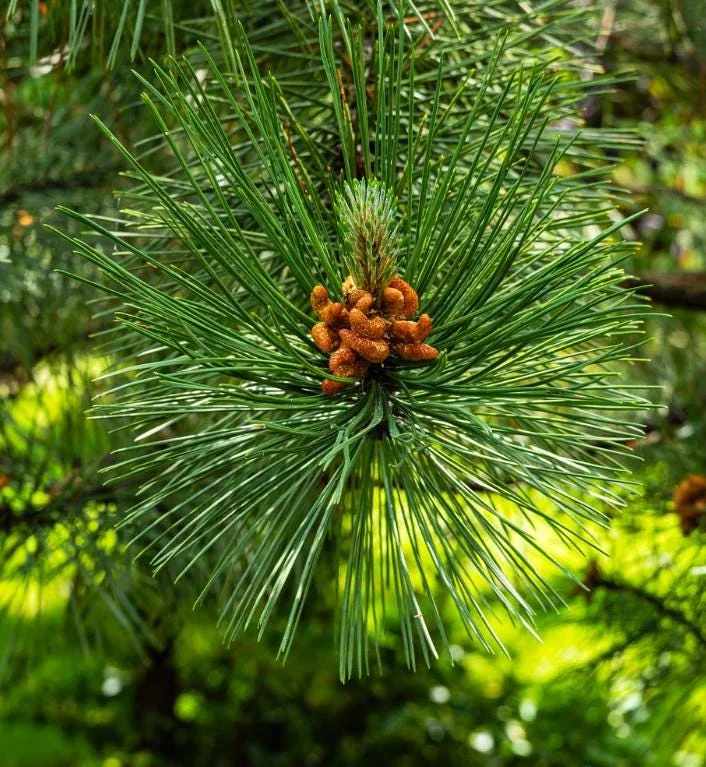
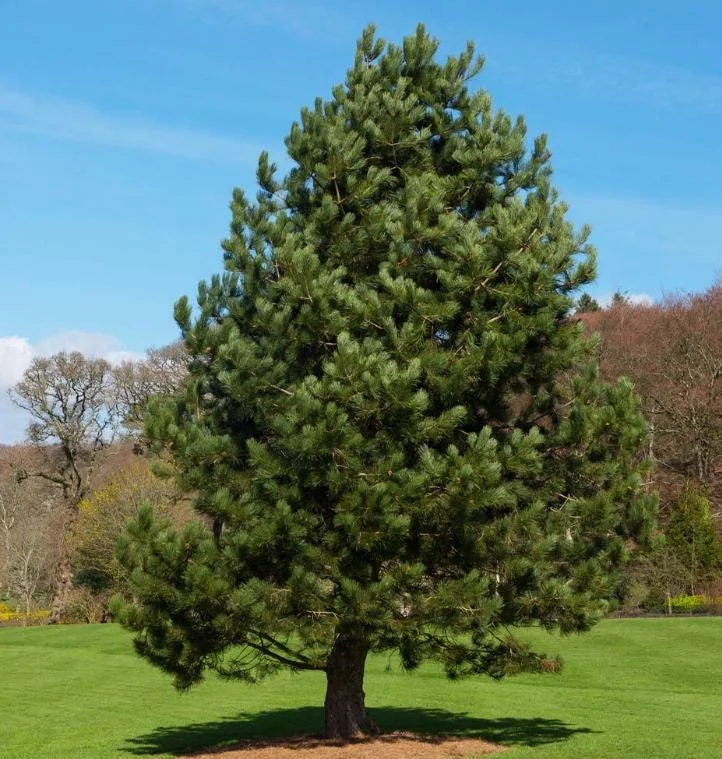
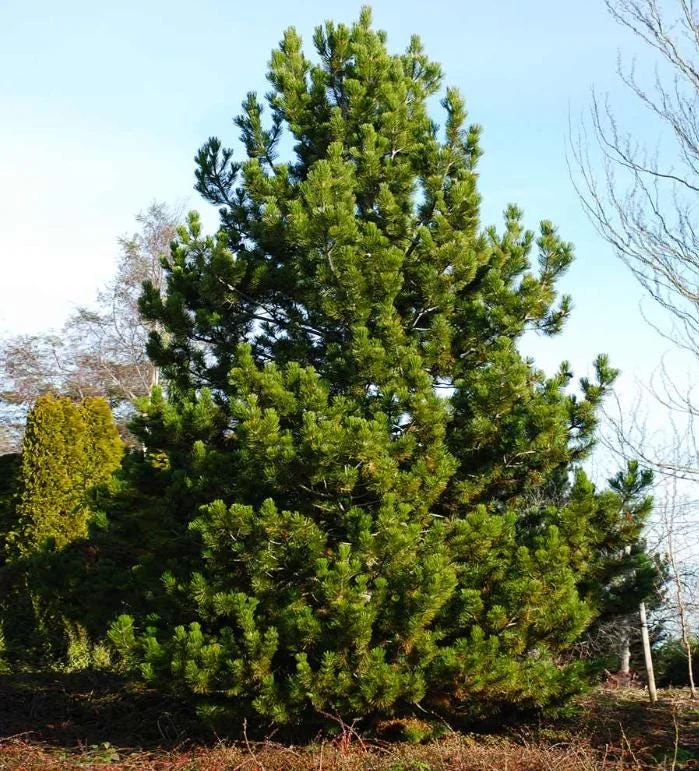
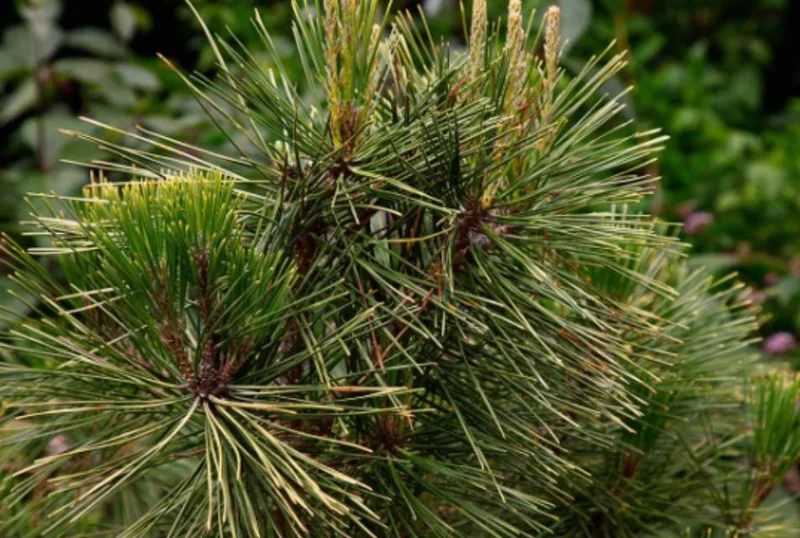
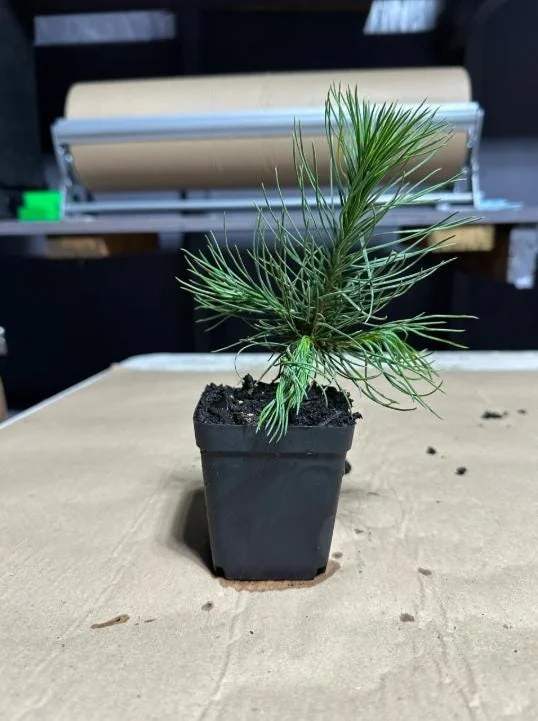
Introduce a touch of enduring natural beauty to your property with the Austrian Pine live plant (Pinus nigra). This robust and versatile evergreen conifer is celebrated for its dense, dark green needles, strong branching structure, and classic pyramidal form, especially when young. Originating from central and southeastern Europe, the Austrian Pine is a remarkably resilient species that adapts well to a variety of environmental conditions, making it an excellent choice for diverse landscapes across the United States. Whether you’re looking to establish a majestic specimen tree, create a natural privacy screen, or cultivate a living Christmas tree for holiday traditions, this Pinus nigra tree offers both aesthetic appeal and practical benefits. Our starter plants typically measure 3-7 inches tall, providing a healthy foundation for robust growth in your garden or yard. The Austrian Pine is a long-lived tree that will provide beauty and structure for decades.
The Austrian Pine live plant is a fantastic option for gardeners seeking a low-maintenance yet high-impact tree. Its ability to tolerate urban conditions, diverse soil types, and cold winters makes it a popular choice for both residential and commercial landscaping. As it matures, this hardy evergreen develops into a significant presence, offering shade, shelter, and a striking visual element. Its deep green foliage remains vibrant throughout the year, ensuring continuous aesthetic value even in the bleakest winter months. This particular offering provides a young, healthy specimen ready to be planted and nurtured into a magnificent mature tree.
Key Benefits
The Austrian Pine live plant offers a multitude of advantages for any landscape project, combining beauty with incredible resilience. Its strong characteristics make it a valuable addition to various outdoor settings.
- Year-Round Greenery: As a hardy evergreen, the Austrian Pine maintains its dense, dark green needles throughout all seasons, providing consistent color and structure to your garden even in winter. This makes it an excellent choice for maintaining vibrant landscapes year-round.
- Exceptional Hardiness: This resilient conifer thrives in USDA zones 4–7, demonstrating remarkable tolerance to cold winters, urban pollution, and varying soil conditions. This makes the Pinus nigra tree an ideal selection for challenging environments where other trees might struggle.
- Versatile Landscape Use: Its strong branches and classic Christmas tree shape make it perfect for a variety of uses, including a majestic landscape focal point, an effective windbreak, or a dense privacy screen. It’s also a popular choice for holiday planting traditions.
- Drought Tolerance: Once established, the Austrian Pine is moderately drought-tolerant, requiring less frequent watering compared to many other trees. This characteristic reduces maintenance efforts and makes it suitable for drier climates or water-conscious gardeners.
- Low Maintenance: Generally, the Austrian Pine live plant requires minimal care once established, beyond initial watering and appropriate planting conditions. Its robust nature means less pruning and disease management, allowing you to enjoy its beauty with ease.
- Wildlife Habitat: Mature Austrian Pines provide shelter and nesting sites for various bird species and other wildlife, contributing to local biodiversity and creating a more vibrant ecosystem in your garden.
Plant Care & Growing Tips
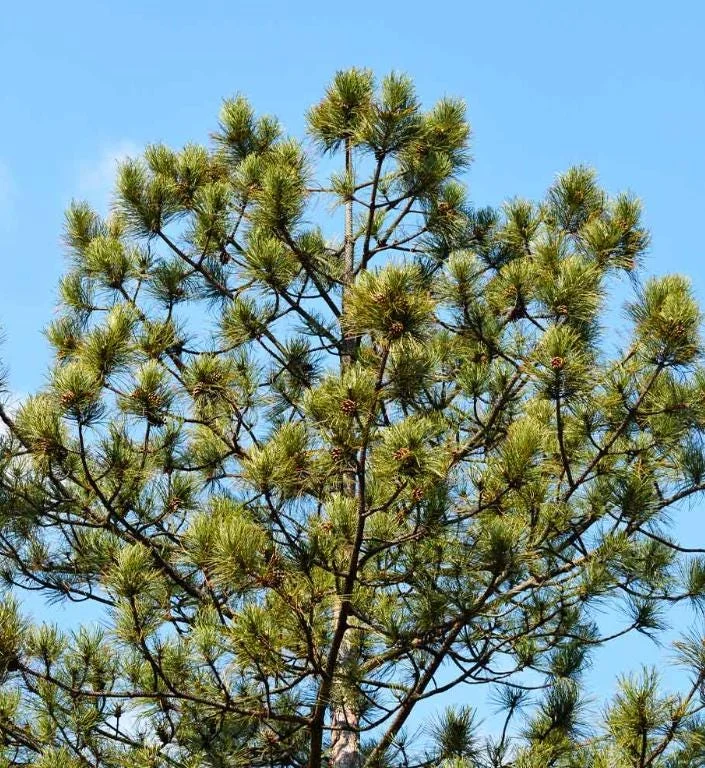
Caring for your Austrian Pine live plant is relatively straightforward, given its inherent hardiness. To ensure optimal growth and a healthy, long-lived tree, understanding its specific needs is crucial. This resilient tree prefers full sun exposure, meaning it should receive at least 6-8 hours of direct sunlight daily for the best growth and densest branching. When choosing a planting location, consider its mature size, which can reach 40-60 feet tall, ensuring ample space for its root system and canopy to develop without obstruction.
In terms of soil, the Austrian Pine is quite adaptable but thrives best in well-drained conditions. It can tolerate sandy, loamy, and even moderately clay soils, but standing water should be avoided to prevent root rot. When planting, amend heavy clay soils with organic matter to improve drainage. Watering is critical during the establishment phase; water regularly and deeply to encourage a strong root system. Once mature, the Pinus nigra tree becomes moderately drought-tolerant, though supplemental watering during prolonged dry spells can be beneficial. Fertilization is generally not heavily required for established trees, but a balanced slow-release fertilizer can be applied in early spring for young plants to support vigorous growth. Watch for common issues like needle blight in overly humid conditions or pest infestations, treating promptly with appropriate organic or chemical solutions if necessary.
For those interested in Christmas tree planting, selecting a healthy young hardy evergreen tree like the Austrian Pine is key. Provide plenty of room for growth if you intend for it to be a permanent landscape feature. Ensure good air circulation around the tree to minimize fungal issues. Pruning is usually limited to removing dead, damaged, or crossing branches to maintain its natural shape and health. Early spring is typically the best time for any necessary structural pruning. With proper initial care and a suitable environment, your Austrian Pine will flourish, becoming an impressive and cherished part of your landscape.
Size & Details
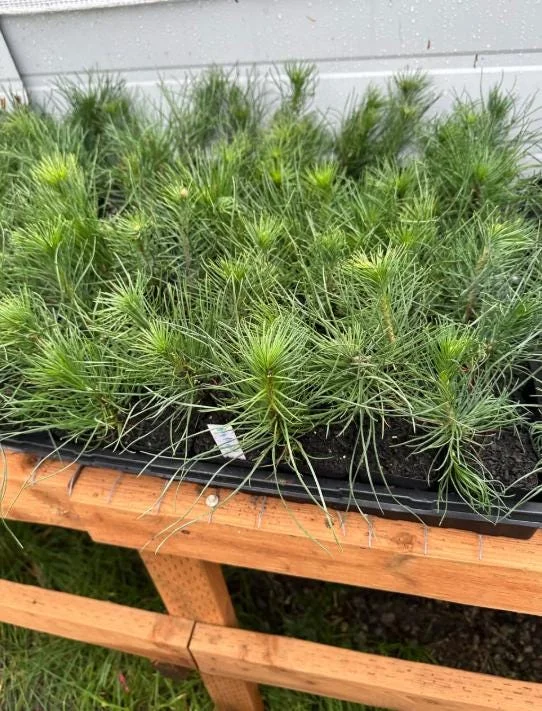
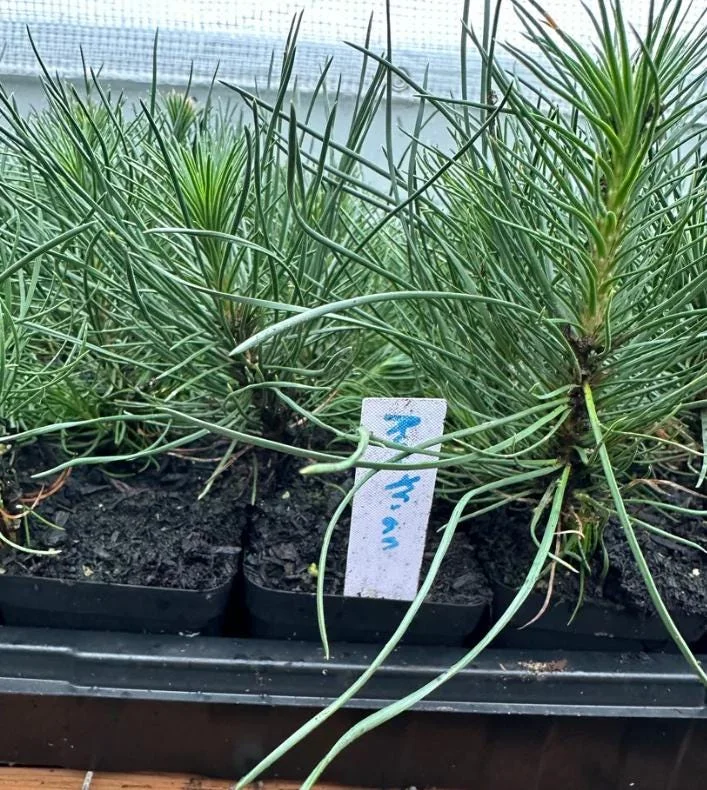
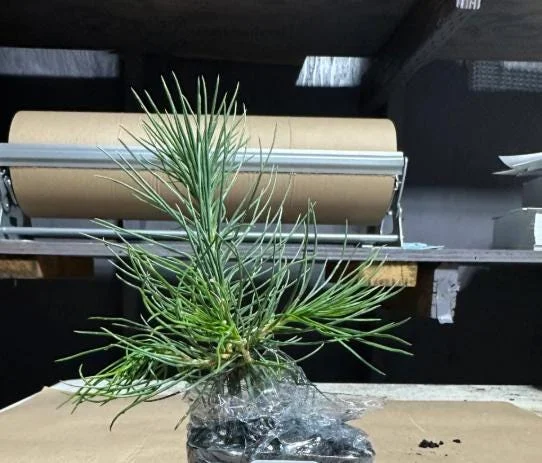
This offering is for a young Austrian Pine live plant, typically measuring 3-7 inches in height. These starter plants are carefully cultivated to ensure a strong root system, providing an excellent foundation for future growth. Upon arrival, the plant will be a small conifer, ready for transplanting into your garden or a larger pot if desired for initial establishment. While the mature height of a landscape-planted Austrian Pine can reach 40-60 feet, these young specimens will grow gradually, developing their characteristic pyramidal shape and dense foliage over time.
The initial growth rate is moderate, accelerating as the root system becomes established in its new environment. These plants are shipped in a manner that protects their delicate roots and foliage, ensuring they arrive in optimal condition for planting. You can expect to see significant growth within the first few years with proper care and ideal growing conditions. The deep green foliage of this Pinus nigra tree will provide a striking contrast against other landscape elements, and its robust nature ensures it will become a long-term fixture in your outdoor space, whether used for a windbreak tree or a standalone specimen.
Frequently Asked Questions
- Q: How big does this Austrian Pine plant get? A: This particular offering is for a starter plant measuring 3-7 inches tall. When planted in the landscape, a mature Austrian Pine can reach an impressive height of 40-60 feet, developing a broad, strong canopy over many years.
- Q: Is this an indoor or outdoor plant? A: The Austrian Pine live plant is primarily an outdoor tree. It is a hardy evergreen conifer that thrives in temperate climates within USDA zones 4–7 and requires full sun exposure to flourish. It is not suitable for long-term indoor cultivation.
- Q: How much sunlight does it need? A: For optimal health and growth, the Austrian Pine requires full sun, meaning it should receive at least 6-8 hours of direct sunlight per day. Adequate sunlight ensures dense foliage and vigorous development.
- Q: Is this plant easy to care for? A: Yes, the Austrian Pine is considered a relatively easy-to-care-for tree, especially once established. It is very hardy and tolerant of various conditions, making it a good choice for both experienced and novice gardeners looking for a low-maintenance hardy evergreen tree.
- Q: What condition will the plant arrive in? A: The plant is a starter plant, which may appear small. Some yellowing or minor leaf drop during transit is normal and temporary; the plant will recover with proper care and acclimatization in its new environment. We ensure it is packaged to protect it during shipment.
- Q: When is the best time to plant an Austrian Pine? A: The best time to plant an Austrian Pine live plant is typically in the spring or early fall. This allows the tree to establish its root system before the extreme heat of summer or the deep cold of winter, promoting stronger growth.
- Q: Will it survive winter in my zone? A: The Austrian Pine is highly cold-tolerant and hardy in USDA zones 4–7. If your location falls within these zones, your Pinus nigra tree should survive winter well, providing year-round greenery.
- Q: Can it be used for Christmas tree planting? A: Absolutely! The Austrian Pine’s dense, symmetrical, and classic pyramidal shape makes it an excellent choice for a living Christmas tree. It can be decorated during the holidays and then planted outdoors to continue growing.
- Q: What kind of soil does it prefer? A: While adaptable, the Austrian Pine prefers well-drained soil. It can grow in sandy, loamy, or moderately clay soils. Good drainage is essential to prevent root issues, so avoid locations where water tends to collect.
- Q: How much water does an established Austrian Pine need? A: Once established, the windbreak tree is moderately drought-tolerant and requires less frequent watering. During prolonged dry periods, occasional deep watering is beneficial, especially for younger trees.




Reviews
There are no reviews yet.