Overview
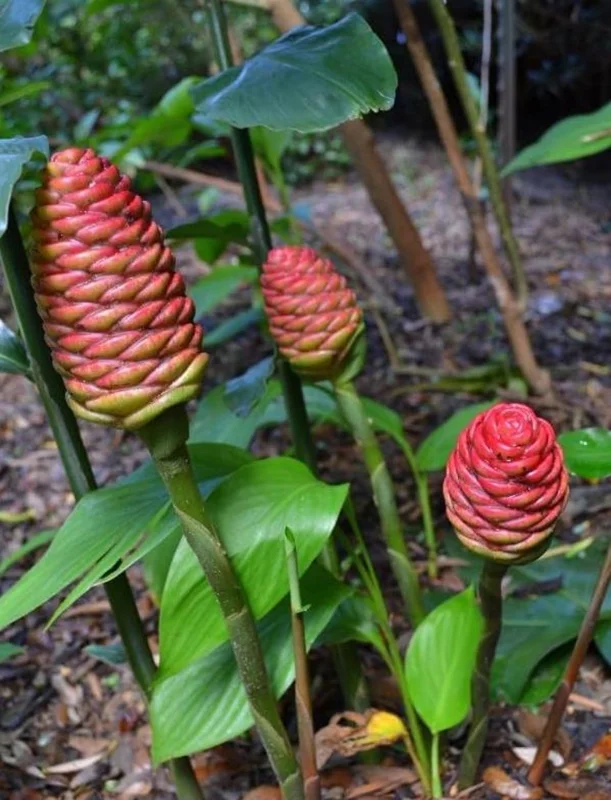
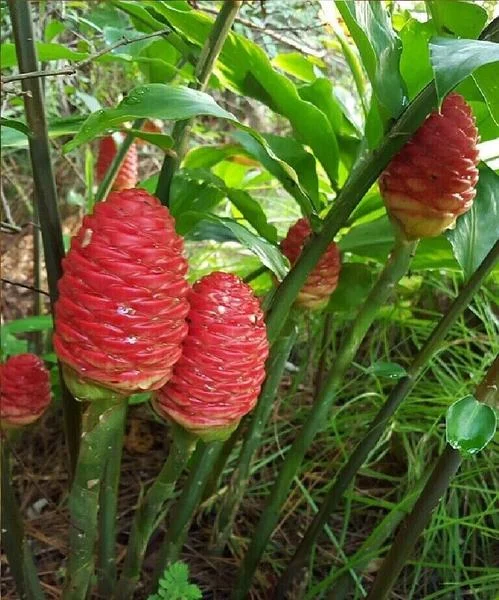
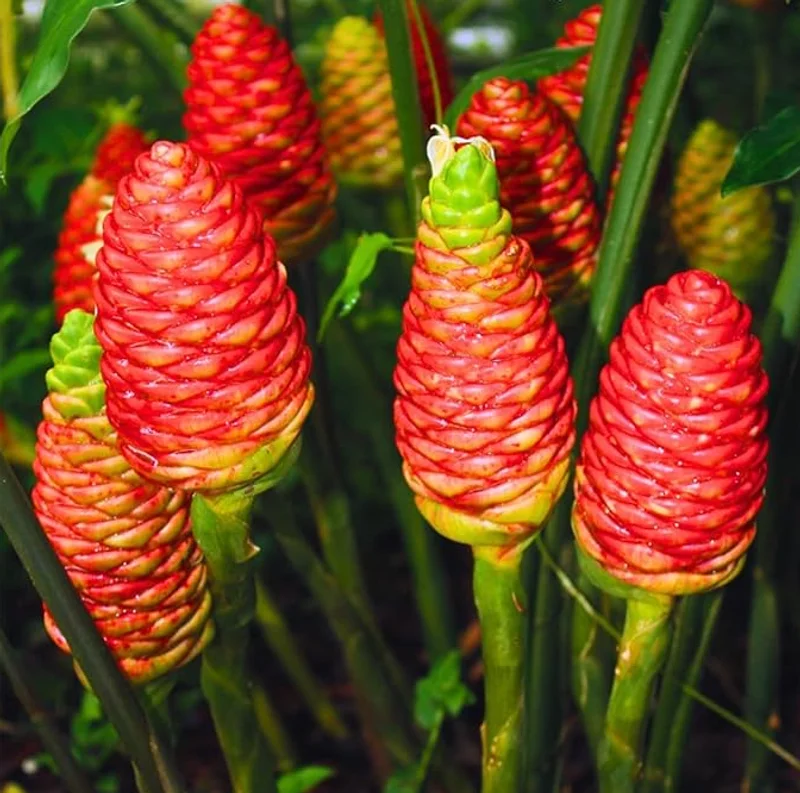
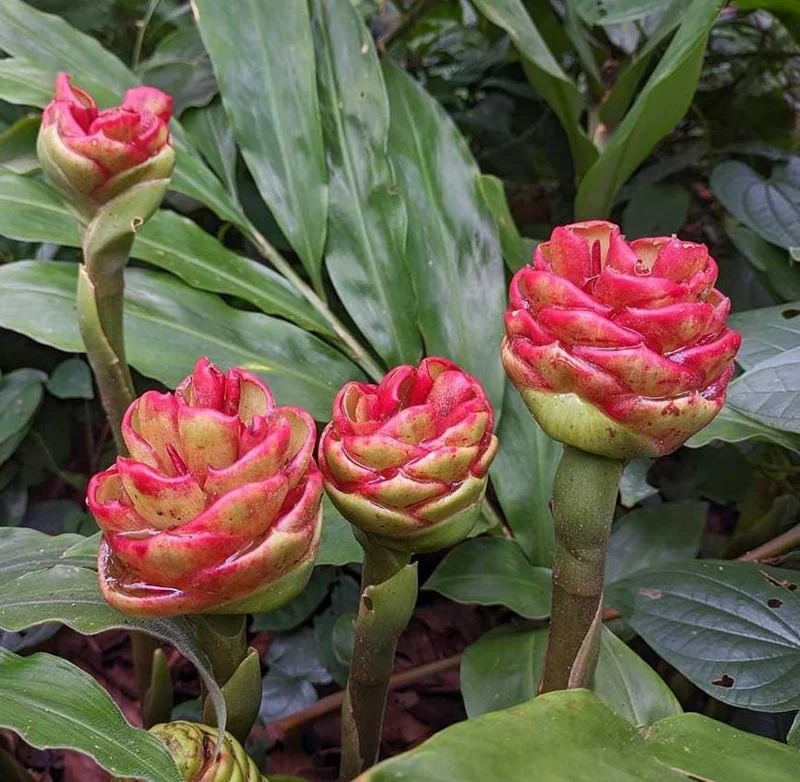
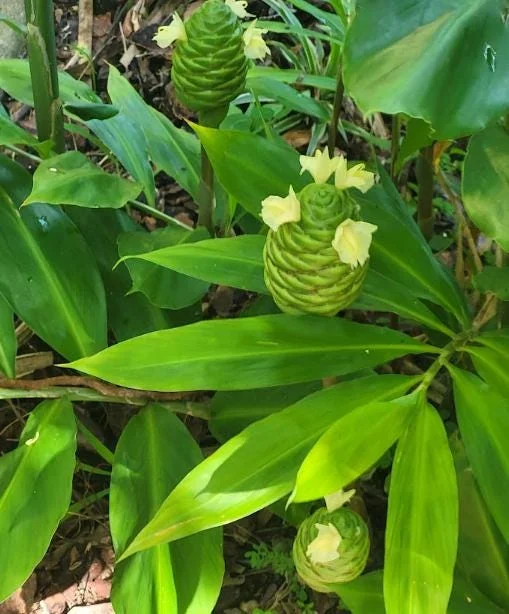
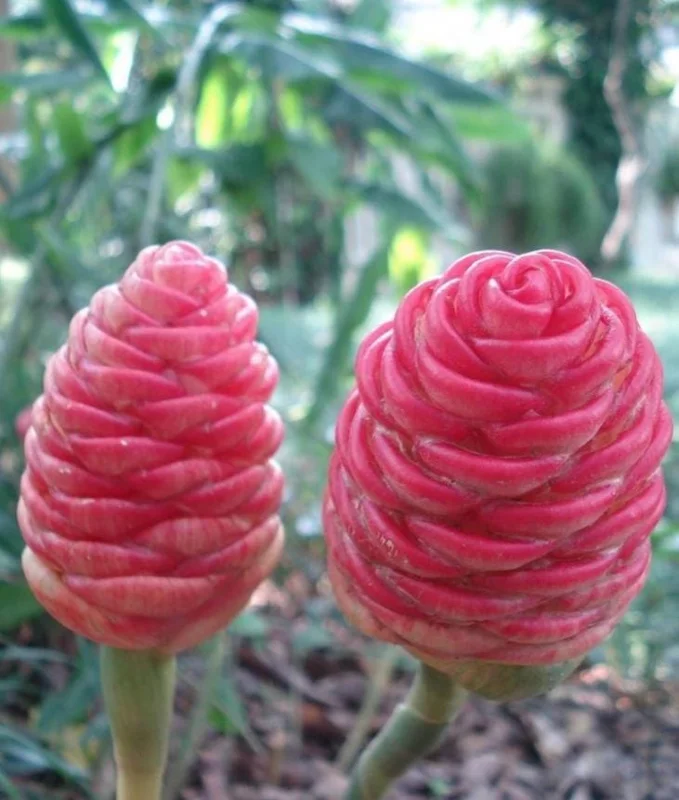
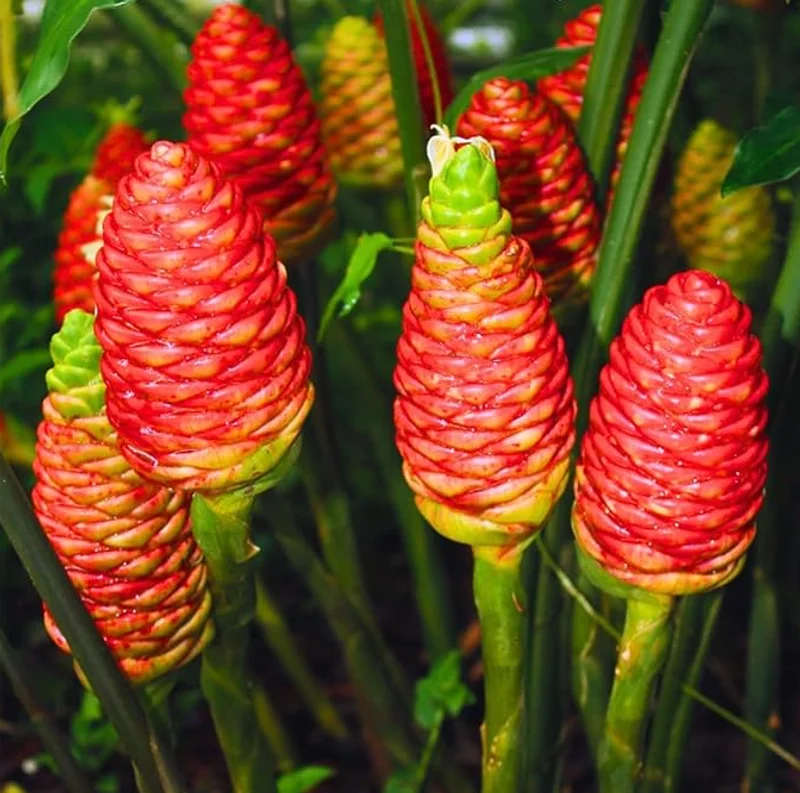
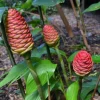
Introduce a touch of the tropics and a natural beauty secret to your garden with the Awapuhi Shampoo Ginger Plant. This exotic live plant, scientifically known as Zingiber zerumbet plant, is revered for its distinctive flower heads. Also commonly called Pinecone Ginger Lily or Red Ginger Lily, this perennial ginger species is native to Southeast Asia but widely naturalized in tropical regions like Hawaii. Its unique, pinecone-shaped inflorescences mature to a vibrant red and, when squeezed, release a fragrant, shampoo-like liquid traditionally used in Hawaiian hair care. This well-rooted starter plant is typically 4-6 inches tall and ready to thrive, bringing both ornamental beauty and practical benefits to your home or garden. Its striking appearance and fascinating properties make it a conversation starter and a valuable addition for enthusiasts of tropical flora and those interested in natural hair care. Whether you’re looking to create a tropical landscape, add an interesting specimen to your patio, or explore natural hair care remedies, this Awapuhi Shampoo Ginger Plant offers a unique experience. It’s an easy-to-grow species in suitable climates or containers, making it accessible for a range of gardeners.
Key Benefits
The Awapuhi Shampoo Ginger Plant offers a multitude of benefits, from its stunning visual appeal to its practical applications. Here are some compelling reasons to add this unique ginger to your collection:
- Natural Hair Care: The mature red pinecone flowers produce a natural, fragrant liquid traditionally used as a shampoo and conditioner. This natural extract is known for its moisturizing and softening properties, offering an organic alternative for hair care.
- Exotic Ornamental Value: With its lush green foliage and striking red, pinecone-shaped flowers, this Awapuhi Shampoo Ginger Plant adds a spectacular tropical aesthetic to any garden, patio, or indoor space. It’s a true showstopper.
- Unique Fragrance: The liquid from the pinecones carries a pleasant, subtle ginger-like fragrance, enhancing the sensory experience of your garden. The scent is often described as fresh and earthy.
- Easy to Grow: Despite its exotic origins, the Zingiber zerumbet plant is relatively easy to cultivate in warm climates or as a potted plant indoors. It requires minimal fuss once established, making it suitable for gardeners of varying experience levels.
- Attracts Pollinators: While primarily known for its shampoo properties, the flowers can also attract beneficial pollinators to your garden, contributing to a healthy ecosystem.
- Resilient and Adaptable: This ginger species is known for its robust nature, thriving in a range of conditions provided it has warmth and adequate moisture. Its rhizomatous growth habit allows it to spread and establish well.
- Conversation Starter: Its unique appearance and fascinating properties make the Pinecone Ginger Lily a wonderful talking point, bringing intrigue and education to your garden tours.
Plant Care & Growing Tips
Caring for your Awapuhi Shampoo Ginger Plant is straightforward, especially when you understand its tropical preferences. This plant thrives in conditions that mimic its natural habitat. For optimal growth and to encourage those distinctive pinecone flowers, pay close attention to sunlight, watering, soil, and temperature. Proper shampoo ginger care ensures a healthy and productive plant.
Sunlight: The Zingiber zerumbet plant prefers partial shade to full sun. In hotter climates, protect it from intense afternoon sun, which can scorch its leaves. A location that receives morning sun and afternoon shade is often ideal. If growing indoors, place it near a window with bright, indirect light. Insufficient light may result in fewer or smaller flower cones. Adequate light is crucial for the development of the characteristic red pinecone flowers.
Watering: This tropical plant loves consistent moisture. Water regularly, especially during dry periods and the growing season, ensuring the soil remains evenly moist but not waterlogged. Good drainage is essential to prevent rhizome rot. Reduce watering slightly during its dormant period in cooler months. Signs of underwatering include wilting leaves, while overwatering can lead to yellowing leaves and soft rhizomes.
Soil & Fertilization: Plant your Awapuhi Shampoo Ginger Plant in rich, well-draining soil. A loamy, organic-rich soil mix is ideal. Amend heavy clay soils with compost and sand to improve drainage. For potted plants, use a high-quality potting mix that retains moisture but drains freely. Fertilize during the active growing season (spring and summer) with a balanced liquid fertilizer every 4-6 weeks. Reduce or stop fertilization in fall and winter when growth slows.
Temperature & Hardiness: As a tropical plant, it prefers warm temperatures, ideally between 65-85°F (18-29°C). It is not frost-tolerant and will go dormant or die back in colder temperatures. It is generally hardy in USDA Zones 9-11 outdoors. In cooler zones, it can be grown in containers and brought indoors before the first frost, where it will act as a stunning Hawaiian ginger plant. Protect it from cold drafts, especially during winter.
Size & Details
Each Awapuhi Shampoo Ginger Plant is a healthy, well-rooted starter plant, typically measuring 4-6 inches tall upon arrival. These plants are shipped bare root, without a pot, to ensure their safe and efficient transit, minimizing shock and facilitating easier planting in your chosen location. The Zingiber zerumbet is a moderately fast grower, and with proper care, you can expect it to reach a mature height of 3-7 feet (90-210 cm) and spread 2-4 feet (60-120 cm) in optimal conditions. The distinctive pinecone-shaped flowers typically begin to appear in late summer to early fall once the plant is mature enough, usually within 1-2 years of planting, providing the natural shampoo liquid.
This tropical ginger thrives as an outdoor perennial in warm climates (USDA Zones 9-11) or can be successfully grown as a container plant in cooler regions, allowing you to bring it indoors during winter. Its rhizomatous nature means it will spread over time, forming attractive clumps of foliage and flowers. The plant’s vigorous growth makes it an excellent choice for creating lush, tropical garden beds or as an eye-catching specimen on a patio or deck.
Frequently Asked Questions
- Q: How big does the Awapuhi Shampoo Ginger Plant get? A: With proper care, this plant can reach a mature height of 3-7 feet (90-210 cm) and spread 2-4 feet (60-120 cm) in ideal conditions. Its size can be somewhat managed when grown in a container.
- Q: Is this an indoor or outdoor plant? A: It can be grown outdoors as a perennial in USDA Zones 9-11. In cooler climates, it is best grown in a container and brought indoors during the winter to protect it from frost, making it a versatile Zingiber zerumbet plant.
- Q: How much sunlight does the Pinecone Ginger Lily need? A: It prefers partial shade to full sun. In hot climates, provide some afternoon shade. Indoors, aim for bright, indirect light near a window.
- Q: What condition will the plant arrive in? A: Your ginger plant will arrive as a healthy, well-rooted starter plant, 4-6 inches tall, shipped bare root to ensure its safety and readiness for planting.
- Q: How long until I see the shampoo pinecones? A: The plant typically needs to reach a certain level of maturity, usually 1-2 years after planting, before it starts producing the distinctive red pinecone flowers that contain the natural shampoo liquid. This is an important aspect of shampoo ginger care.
- Q: Is the Hawaiian ginger plant easy to care for? A: Yes, it is considered relatively easy to grow, especially in warm climates. Its main requirements are consistent moisture, well-draining soil, and protection from frost.
- Q: What is the best soil type for this ginger? A: It thrives in rich, well-draining soil with plenty of organic matter. For potted plants, a good quality universal potting mix is suitable.
- Q: Can I use the liquid from the cones directly on my hair? A: Yes, the liquid from the mature red pinecones is traditionally used directly on hair as a natural shampoo and conditioner. It’s known for its softening and moisturizing properties.
- Q: What is the ideal temperature range for this ginger? A: This tropical plant prefers temperatures between 65-85°F (18-29°C) and is not tolerant of frost.
- Q: When is the best time to plant the Awapuhi Ginger? A: The best time to plant is in spring or early summer after all danger of frost has passed, allowing the plant ample time to establish itself before cooler weather.





Reviews
There are no reviews yet.