Overview
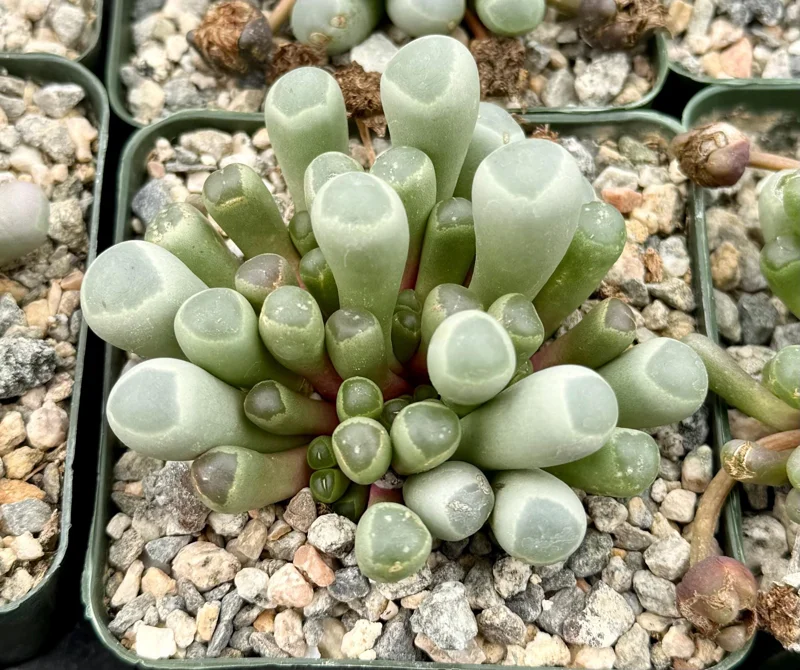
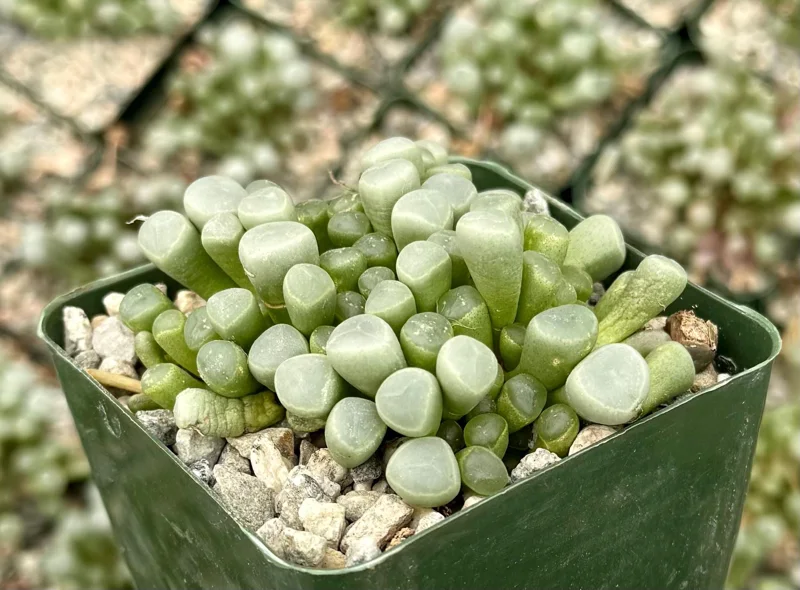
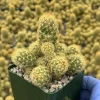
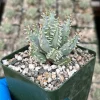
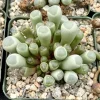
Introduce a touch of whimsical charm to your indoor plant collection with the delightful Baby Toe Succulent live plant, scientifically known as Fenestraria rhopalophylla. This captivating succulent is renowned for its distinctive cylindrical leaves that bear an uncanny resemblance to tiny, endearing toes. Native to the arid landscapes of South Africa and Namibia, the Baby Toe Succulent live plant has evolved a remarkable adaptation: translucent “windows” at the tips of its leaves. These natural fenestrations allow the plant to efficiently absorb sunlight, making it perfectly suited for bright, indirect light conditions indoors. Growing in dense clusters, this compact and charming plant can occasionally surprise you with delicate, daisy-like white or yellow flowers, typically gracing your home in the fall or winter months. It’s an ideal choice for both seasoned succulent enthusiasts and beginners seeking a unique, conversation-starting plant.
The Baby Toe Succulent live plant offers an exotic yet easy-to-care-for addition to any home or office environment. Its unusual appearance and minimal care requirements make it a favorite among plant lovers. Whether displayed on a desk, shelf, or as part of a succulent arrangement, Fenestraria rhopalophylla brings a unique aesthetic that is both adorable and fascinating. Its ability to thrive with minimal intervention makes it a perfect choice for those with busy lifestyles or anyone looking to enjoy the beauty of nature without extensive upkeep. This resilient succulent is a testament to nature’s ingenuity and a wonderful way to introduce diverse plant forms into your living space.
Key Benefits
The Baby Toe Succulent live plant offers numerous advantages, making it an excellent choice for a variety of indoor settings. Its unique characteristics contribute to both its aesthetic appeal and ease of care, providing a rewarding experience for any plant parent. Discover why Fenestraria rhopalophylla stands out:
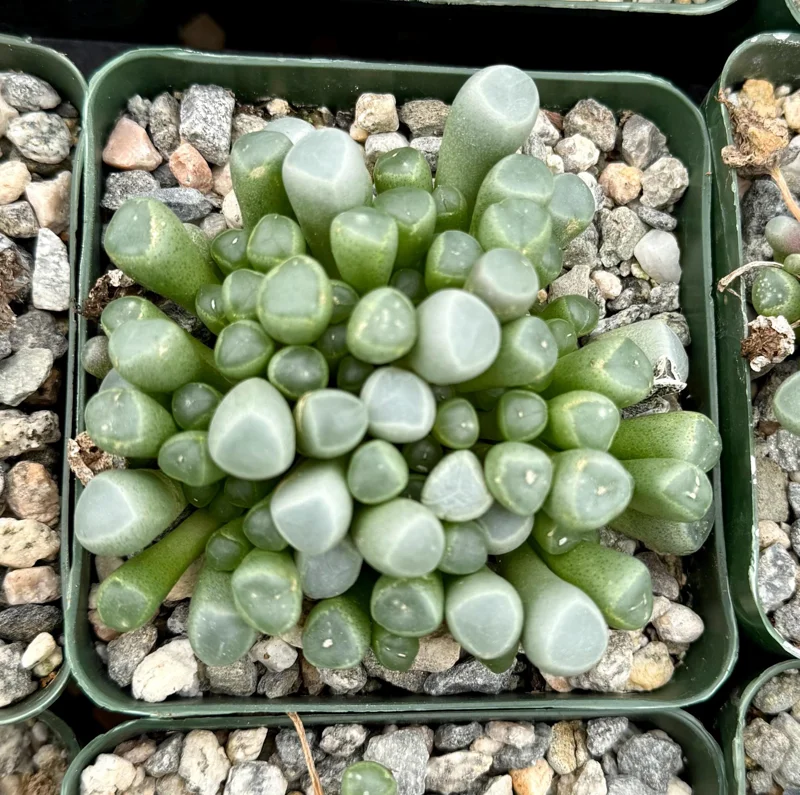
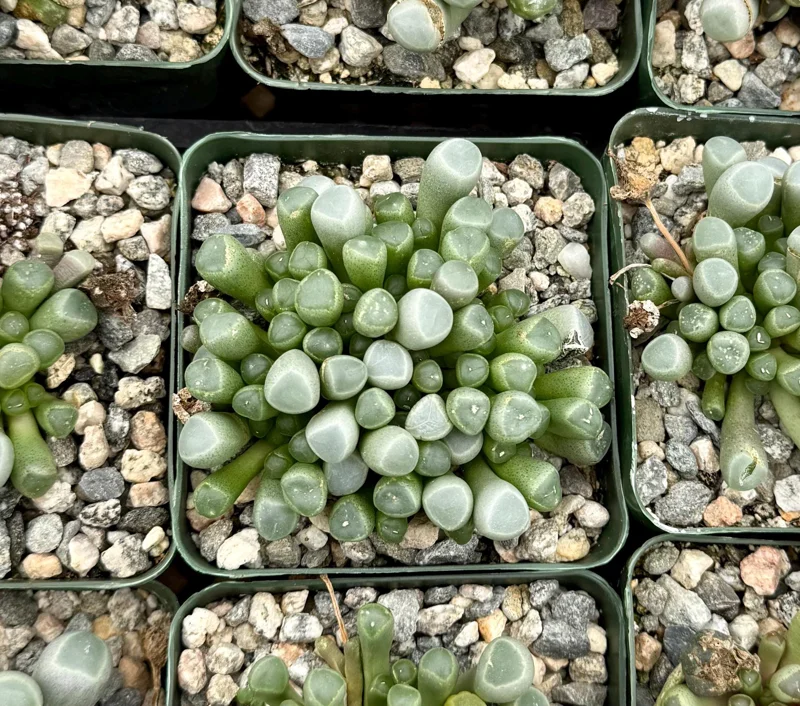
Unique Aesthetic Appeal: The most striking feature of the Baby Toe Succulent live plant is its distinctive cylindrical leaves with transparent tips, resembling miniature toes. This makes it a visually captivating addition to any succulent collection, terrarium, or as a standalone desk plant.
Low Maintenance: Ideal for busy individuals or beginner gardeners, this succulent thrives on neglect. It requires infrequent watering, making it forgiving if you occasionally forget to water. This ease of care contributes to its reputation as a fantastic cute succulent indoor option.
Drought Tolerant: As a native of arid regions, Fenestraria rhopalophylla is exceptionally drought-tolerant. Its plump leaves store water efficiently, allowing it to withstand periods without watering, which is a key aspect of good low water succulent care.
Compact Size: Growing in dense, small clusters, the Baby Toe Succulent live plant remains compact, making it perfect for windowsills, small shelves, or as part of a miniature garden. It won’t outgrow its space quickly, maintaining its charming scale.
Interesting Adaptations: The translucent “windows” on its leaves are not just for show; they are a clever adaptation to absorb sunlight, allowing the plant to photosynthesize effectively even when partially buried. This biological marvel adds an educational and fascinating dimension to owning this plant.
Air Purification: Like many houseplants, the Baby Toe Succulent live plant contributes to a healthier indoor environment by helping to filter air and improve oxygen levels. While not as potent as larger plants, every bit helps create a fresher living space.
Propagation Potential: This succulent can be easily propagated from offsets or seeds, allowing you to multiply your collection or share with friends. Understanding succulent growing tips for propagation can extend the joy of this plant.
Plant Care & Growing Tips
Caring for your Baby Toe Succulent live plant (Fenestraria rhopalophylla) is straightforward, making it an excellent choice for those new to succulents or looking for a low-fuss addition. The key to successful Fenestraria rhopalophylla care lies in understanding its native arid environment and replicating those conditions as closely as possible indoors. This succulent thrives in bright, indirect light, ideally receiving at least 4-6 hours of sunlight daily. A south or west-facing window is often perfect, but be cautious of intense, scorching afternoon sun, especially during summer, which can lead to sunburn. Some direct morning sun is generally beneficial, but filtered or indirect light for the majority of the day is preferred to prevent stress and maintain the vibrant health of your cute succulent indoor plant.
When it comes to watering, less is definitely more for this low water succulent. The plump leaves are designed to store moisture, so overwatering is the quickest way to cause root rot, a common issue for succulents. Allow the soil to dry out completely between waterings, and then water thoroughly until water drains from the bottom of the pot. In winter, during its dormant period, reduce watering significantly, often to once a month or even less, depending on humidity. A well-draining soil mix is crucial; a sandy or cactus-specific soil blend is ideal to ensure proper drainage and prevent waterlogged roots. You can also mix perlite or pumice into regular potting soil to enhance drainage. For temperature, this plant prefers warm conditions, ideally between 65-80°F (18-27°C) and should be protected from frost, as it is not cold-hardy. Fertilization is rarely needed; a diluted succulent fertilizer once or twice during the growing season (spring/summer) is more than sufficient. Keep an eye out for common pests like mealybugs; good airflow and occasional inspection can help prevent infestations. Following these succulent growing tips will ensure your Baby Toe thrives.
Size & Details
The Baby Toe Succulent live plant is typically sold in either a 2 inch or 4 inch nursery pot, making it a perfectly sized specimen for immediate display or incorporation into a larger succulent arrangement. When mature, Fenestraria rhopalophylla forms dense clusters of upright, cylindrical leaves, usually reaching a height of about 2-4 inches with a spread of 4-6 inches. Its compact growth habit makes it an excellent choice for small spaces, windowsills, or as a charming desk companion. This succulent is known for its relatively slow to moderate growth rate, meaning it will maintain its adorable size for a considerable period before needing repotting.
Your Baby Toe Succulent live plant will arrive well-rooted in its nursery pot, ready to be placed in your chosen location. The plant’s unique structure, with its translucent leaf tips, is fully developed at this stage, showcasing its remarkable adaptation. While flowering is not guaranteed, mature plants can produce small, daisy-like white or yellow blooms during fall or winter under optimal conditions. These details are essential for anyone interested in Fenestraria rhopalophylla care and understanding the full potential of this delightful plant. Ensure you have appropriate drainage and a suitable permanent pot ready for its new home.
Frequently Asked Questions
Q: How big does this plant get? A: The Baby Toe Succulent live plant typically grows to a compact size, forming dense clusters usually 2-4 inches tall and 4-6 inches wide at maturity. It’s perfect for small spaces.
Q: What size pot does it come in? A: This cute succulent indoor plant is offered in either a 2 inch or 4 inch nursery pot, providing a good starting size for immediate enjoyment.
Q: Is this an indoor or outdoor plant? A: While it can tolerate outdoor conditions in very mild, arid climates, the Baby Toe Succulent live plant is primarily considered an indoor plant in most US regions, especially due to its sensitivity to frost. It thrives as a cute succulent indoor companion.
Q: How much sunlight does it need? A: Fenestraria rhopalophylla requires bright, indirect light for most of the day, with some direct morning sun being beneficial. Avoid intense, scorching afternoon sun to prevent leaf burn, which is crucial for proper Fenestraria rhopalophylla care.
Q: Is this plant easy to care for? A: Yes, the Baby Toe Succulent live plant is considered easy to care for and is an excellent choice for beginners. Its drought tolerance and minimal watering needs make it very forgiving, aligning with best low water succulent practices.
Q: What condition will it arrive in? A: Your plant will arrive healthy and well-rooted in its nursery pot, carefully packaged to ensure it reaches you in excellent condition, ready to thrive.
Q: How often should I water my Baby Toe Succulent? A: Water only when the soil has completely dried out, typically every 2-4 weeks during the growing season and much less frequently in winter. This is a key aspect of good succulent growing tips to prevent root rot.
Q: Can I propagate this succulent? A: Yes, propagation is possible through offsets or seeds, making it easy to multiply your collection. Many succulent growing tips resources can guide you through the process.
Q: What type of soil is best for Fenestraria rhopalophylla? A: A well-draining sandy or cactus soil mix is ideal. You can also amend regular potting soil with perlite or pumice to improve drainage, which is vital for Fenestraria rhopalophylla care.
Q: Will it bloom? If so, when? A: Under optimal conditions, mature plants can produce small, daisy-like white or yellow flowers, typically blooming in the fall or winter months. Flowering is not guaranteed but is a delightful bonus.





Reviews
There are no reviews yet.