Overview
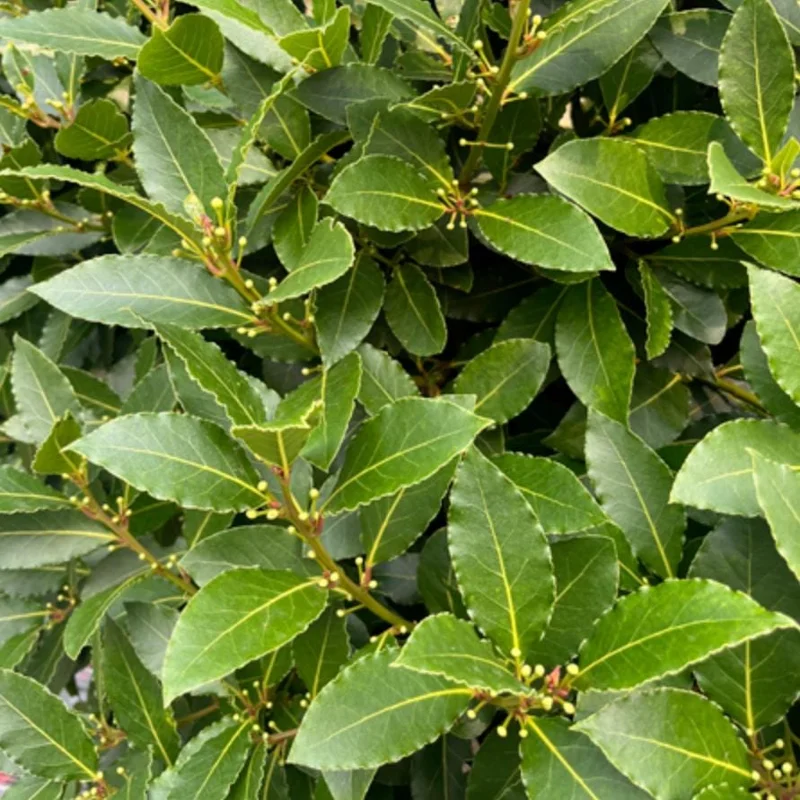
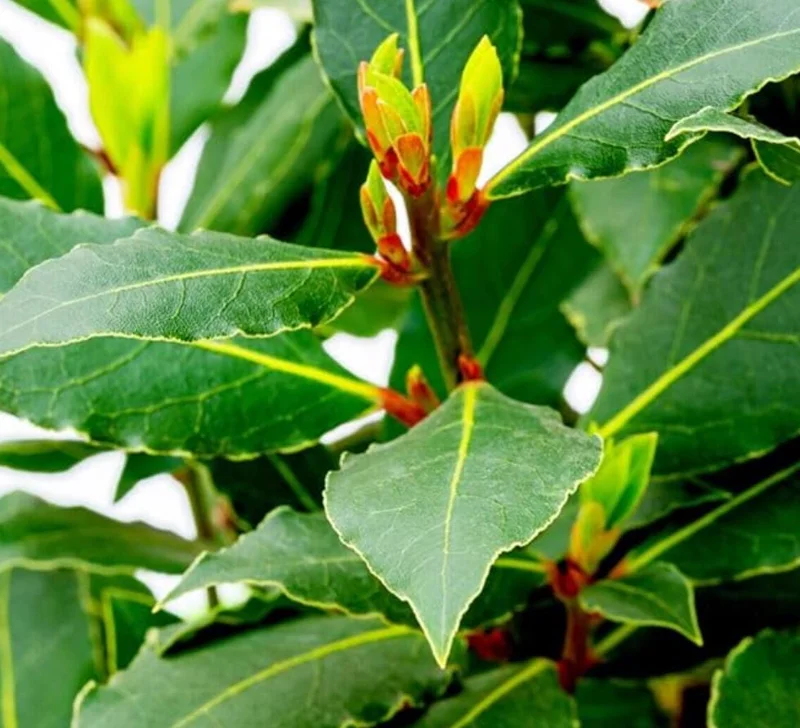
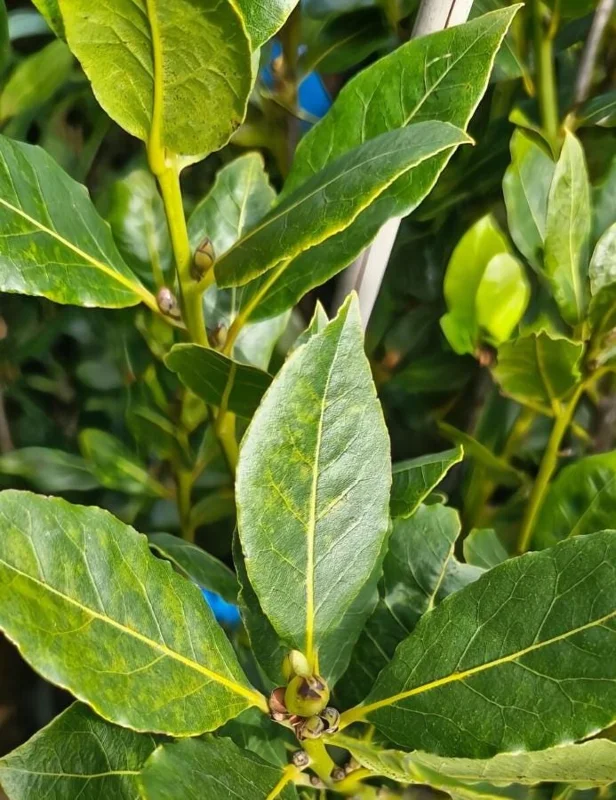
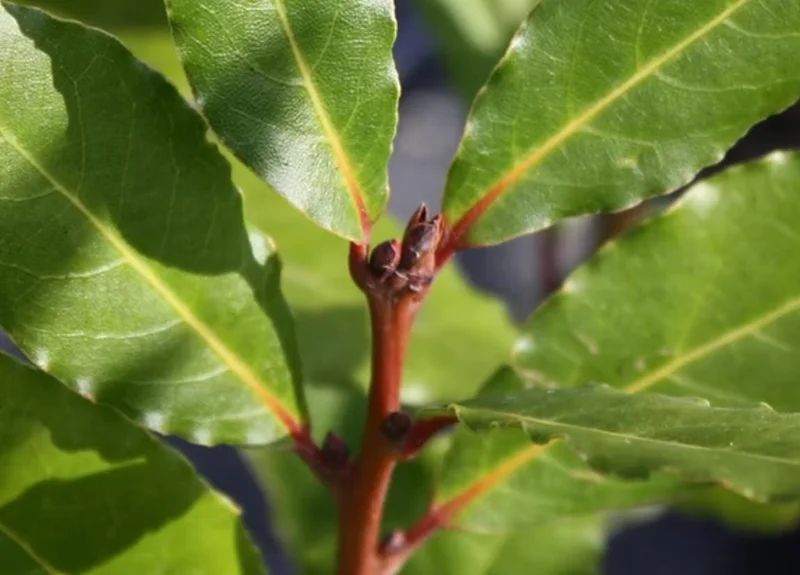
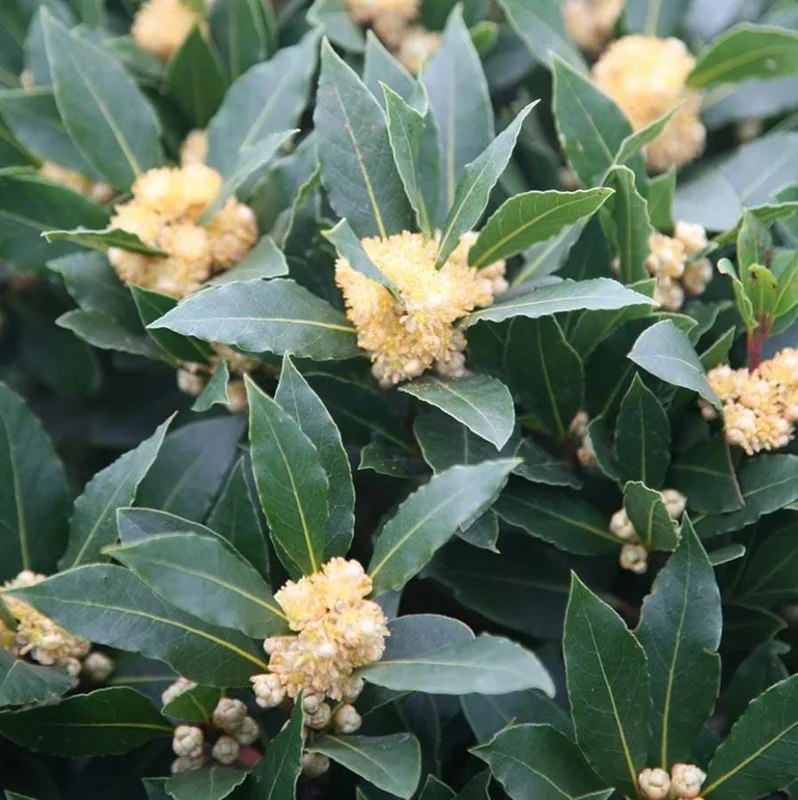
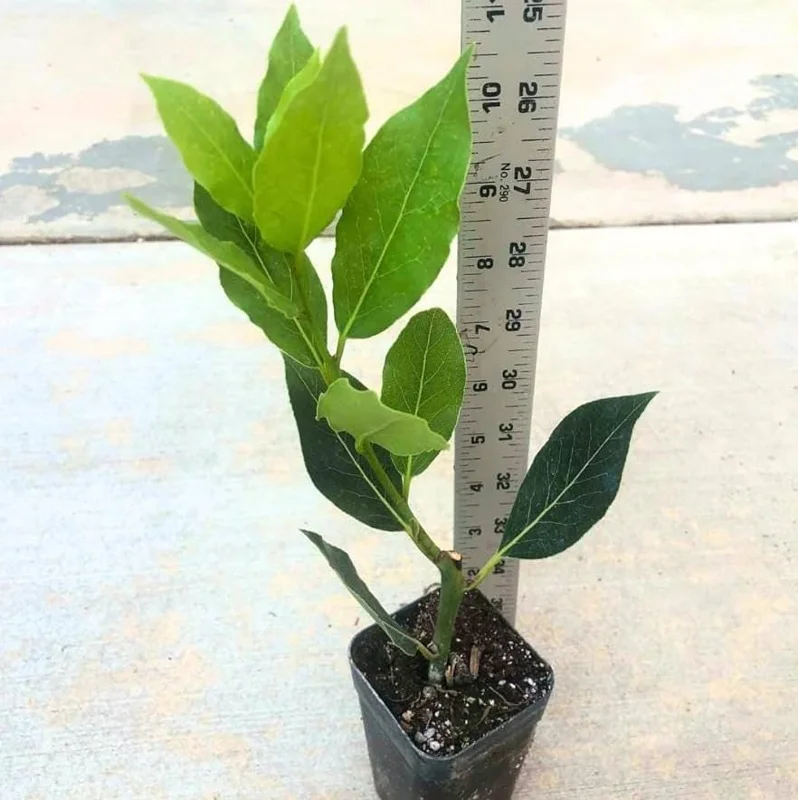
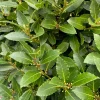
Introduce a touch of Mediterranean charm and gourmet flavor to your home or garden with this exquisite bay leaf live plant. This beautiful culinary herb tree, scientifically known as Laurus nobilis, arrives approximately 12 inches tall in a 3-4 inch nursery pot, ready to thrive in its new environment. Celebrated for its glossy, dark green leaves and distinctive aroma, the bay leaf tree is an indispensable ingredient in a myriad of dishes, from hearty soups and stews to delicate sauces. Beyond its culinary uses, this evergreen specimen offers year-round visual appeal, making it a versatile and attractive choice for both experienced gardeners and culinary adventurers. Its robust nature and elegant form also make it an ideal candidate for decorative pruning, adding a sophisticated touch to any setting. Bring home your own Laurus nobilis plant and enjoy the dual benefits of fresh herbs and enduring beauty.
Key Benefits
The bay leaf live plant is more than just a source of fresh herbs; it’s a functional and decorative addition to any space. Its numerous advantages make it a highly sought-after plant for both indoor and outdoor cultivation.
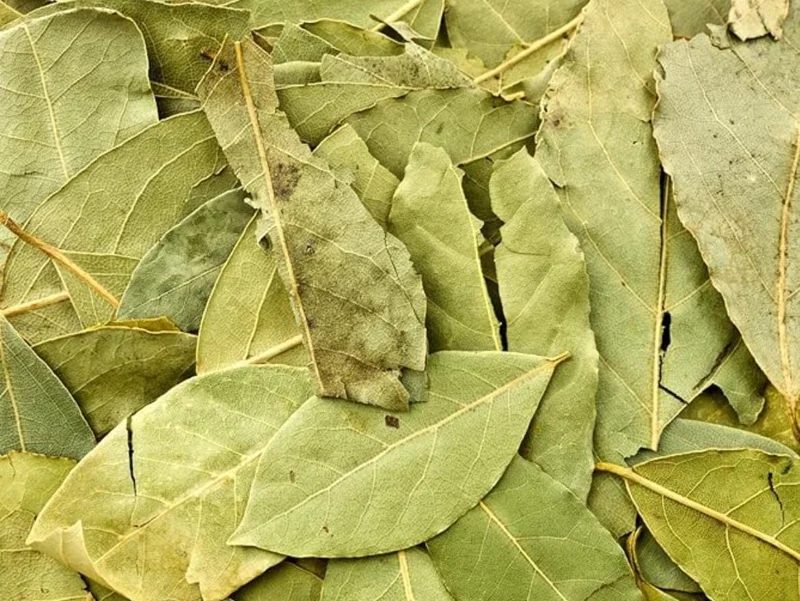
- Aromatic Culinary Leaves: Harvest fresh, fragrant bay leaves directly from your tree to infuse your cooking with a rich, classic flavor. These leaves are perfect for enhancing soups, stews, sauces, and roasts, providing a depth of taste unmatched by dried alternatives.
- Evergreen Beauty: Enjoy the lush, glossy dark green foliage all year round. The evergreen nature of this culinary herb tree provides continuous visual interest and a constant supply of fresh leaves, regardless of the season.
- Versatile Growing Options: This bay tree is suitable for container growing indoors, allowing you to enjoy fresh herbs even in colder climates. It can also be planted outdoors in warmer USDA zones, thriving as a beautiful garden specimen.
- Drought-Tolerant & Low Maintenance: Once established, the Laurus nobilis plant is remarkably drought-tolerant and requires minimal care, making it an excellent choice for busy individuals or those new to gardening.
- Natural Air Freshener: The aromatic leaves release a subtle, pleasant fragrance, naturally enhancing the ambiance of your kitchen or living space without the need for artificial air fresheners.
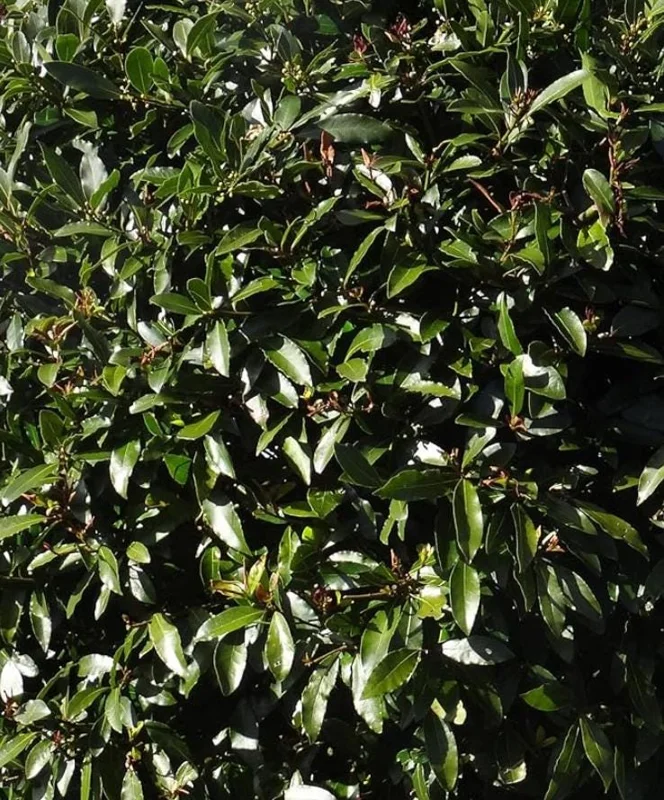
- Decorative Pruning Potential: The bay leaf tree responds well to pruning, allowing you to shape it into various forms, including topiary or hedges, adding an elegant, formal touch to your landscape or patio.
- Pest Resistant: Bay trees are generally resistant to many common garden pests, contributing to their low-maintenance appeal and ensuring a healthy, thriving plant with less effort.
Plant Care & Growing Tips
Caring for your bay leaf live plant is straightforward, ensuring a healthy and productive culinary herb tree for years to come. Understanding its basic needs for light, water, and soil will allow it to flourish. This plant prefers a location with full sun to partial shade, meaning it thrives with at least 6 hours of direct sunlight daily but can tolerate some afternoon shade, especially in hotter climates. If growing indoors, place it near a bright, south-facing window or under grow lights to ensure it receives adequate light for robust growth.
When it comes to watering, the Laurus nobilis plant appreciates consistent moisture but never waterlogging. Allow the top inch or two of soil to dry out between waterings. Overwatering can lead to root rot, so proper drainage is crucial. Once established, the bay tree exhibits good drought tolerance, making it forgiving if you occasionally forget to water. For soil, a well-draining potting mix is essential. A mix designed for citrus or herbs, which typically has good aeration and drainage, works well. Ensure the pot has drainage holes to prevent water from accumulating at the bottom.
This indoor bay leaf plant is hardy in USDA Zones 8-11. If you live in a cooler zone, it’s best to grow your bay tree in a container that can be moved indoors during the colder months when temperatures drop below freezing. Protect it from harsh winter winds and frost. Fertilize sparingly; a balanced, slow-release fertilizer or an organic liquid feed every 2-4 weeks during the growing season (spring and summer) is sufficient. Watch for common pests like scale or mealybugs, which can be treated with insecticidal soap. Pruning can be done to maintain shape, size, and encourage bushier growth, and the pruned leaves can be used fresh or dried for cooking.
Size & Details
This bay leaf live plant arrives as a vibrant young tree, approximately 12 inches tall, measured from the base of the pot to the top of the foliage. It is carefully grown and shipped in a 3-4 inch nursery pot, a size specifically chosen to support healthy root development during transit and allow for easy transplanting upon arrival. The plant’s compact size at delivery makes it ideal for starting in a small space, whether on a kitchen windowsill, a sunny patio, or as a new addition to your herb garden. With proper care, this culinary herb tree can grow significantly larger over time, reaching several feet in height when planted in the ground or a larger container. Its moderate growth rate ensures you can enjoy fresh bay leaves for cooking within its first year, and it will continue to mature into a stately and productive specimen.
Frequently Asked Questions
- Q: How big does this plant get? A: This bay leaf live plant arrives approximately 12 inches tall. When grown in a container, its size can be managed with pruning. In ideal outdoor conditions, a bay tree can eventually reach heights of 20-30 feet, though this can take many years.
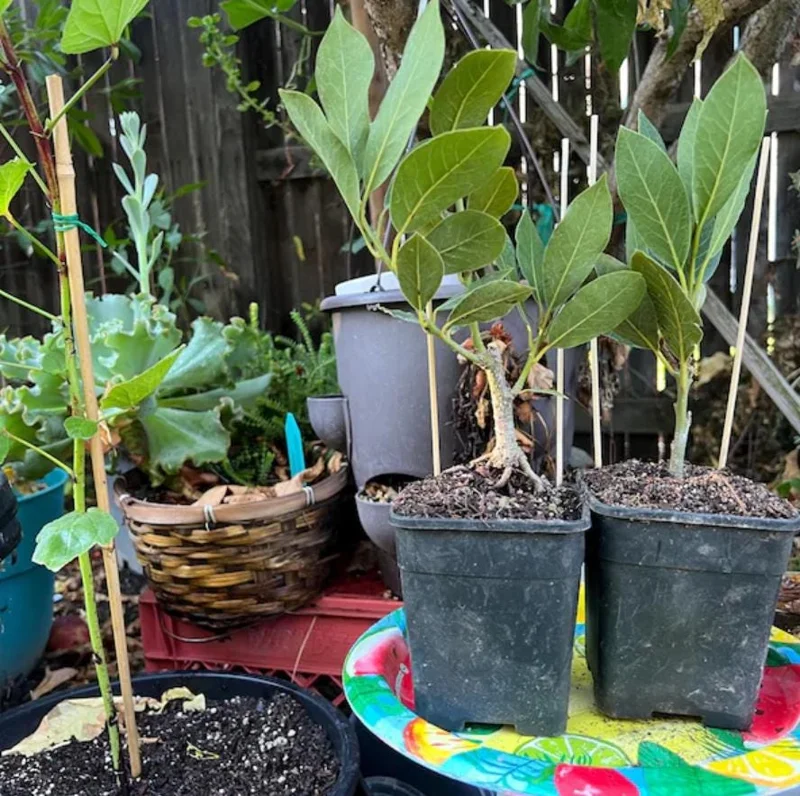
- Q: What size pot does it come in? A: The bay leaf live plant is shipped in a 3-4 inch nursery pot, which is suitable for its initial growth. We recommend transplanting it into a slightly larger pot (6-8 inches) shortly after arrival to allow its roots more room to expand.
- Q: Is this an indoor or outdoor plant? A: The Laurus nobilis plant is versatile. It can be grown outdoors in USDA Zones 8-11 year-round. In cooler climates, it thrives as an indoor bay leaf plant during winter and can be moved outdoors to a sunny spot during warmer months.
- Q: How much sunlight does it need? A: A culinary herb tree like the bay leaf plant prefers full sun to partial shade, ideally receiving at least 6 hours of direct sunlight per day. If growing indoors, place it in the brightest available window.
- Q: Is this plant easy to care for? A: Yes, the bay leaf tree is considered relatively easy to care for, especially once established. It’s drought-tolerant and generally low maintenance, making it suitable for beginners and experienced gardeners alike.
- Q: What condition will it arrive in? A: Your bay leaf live plant will arrive safely packaged in its nursery pot, with its roots protected to ensure it reaches you in healthy, thriving condition, ready for planting or transplanting.
- Q: Can I use bay leaf in cooking? A: Absolutely! The aromatic leaves of this culinary herb tree are perfect for cooking. They add a distinctive flavor to soups, stews, sauces, and roasts. You can use them fresh or dry them for later use.
- Q: What’s the best soil for a bay leaf plant? A: The bay leaf tree thrives in well-draining soil. A standard potting mix amended with some perlite or sand to improve drainage is ideal. Avoid heavy, waterlogged soils.
- Q: When is the best time to plant? A: For outdoor planting, spring after the last frost is ideal. For indoor container growing, you can plant or transplant your bay leaf live plant at any time of year.
- Q: Will it survive winter in my zone? A: If you are in USDA Zones 8-11, your bay tree can likely overwinter outdoors. In colder zones, you must bring your indoor bay leaf plant indoors before the first frost to protect it from freezing temperatures.



Reviews
There are no reviews yet.