Overview
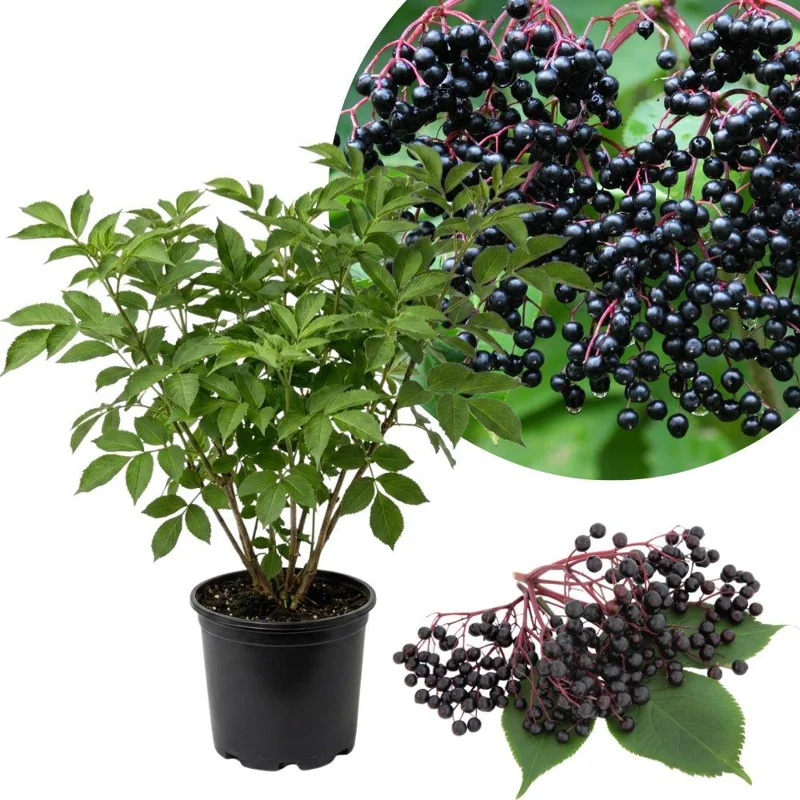
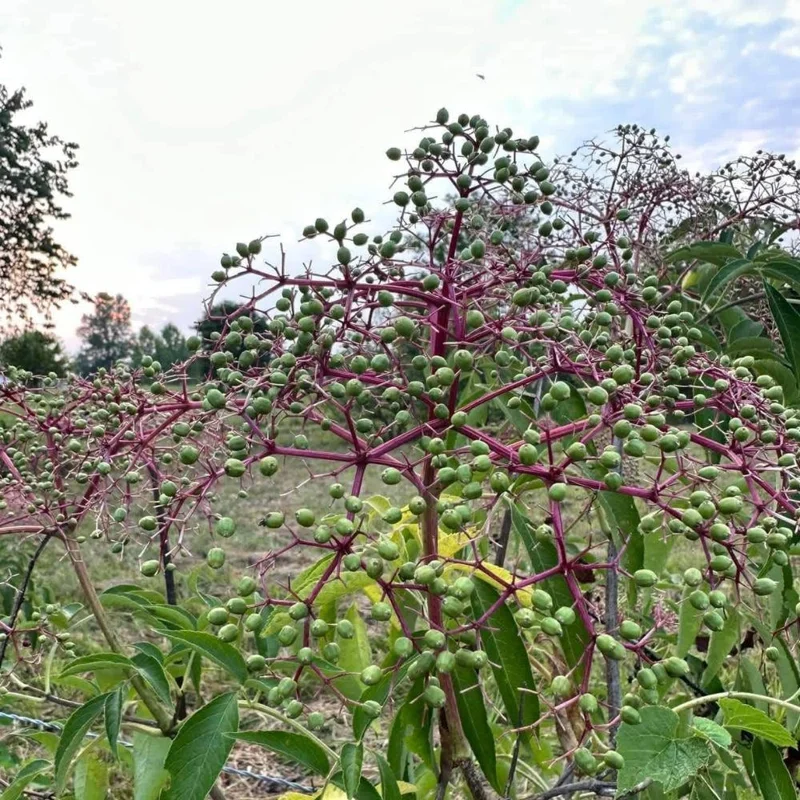
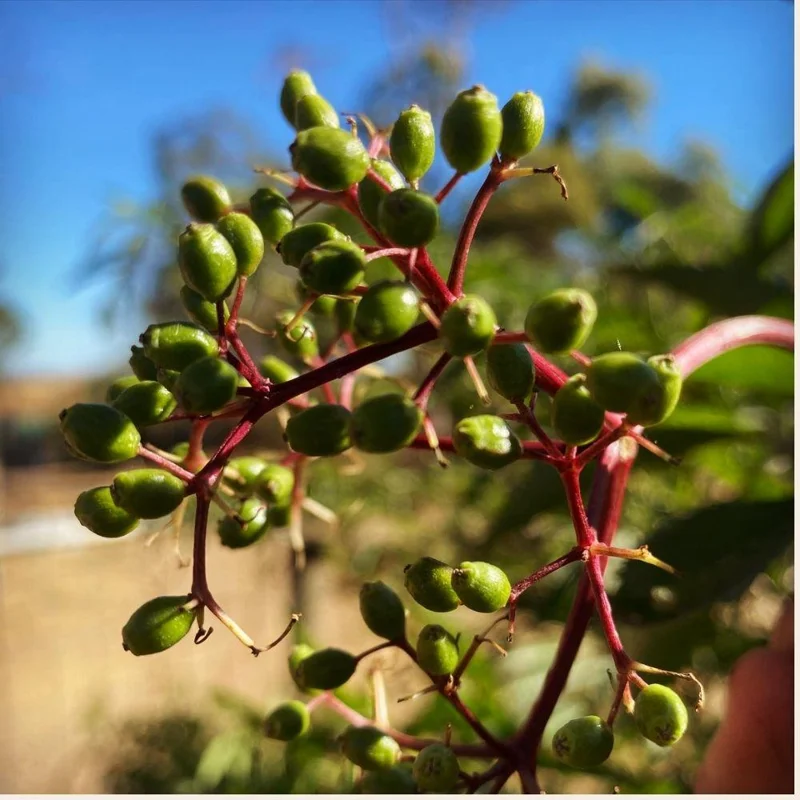
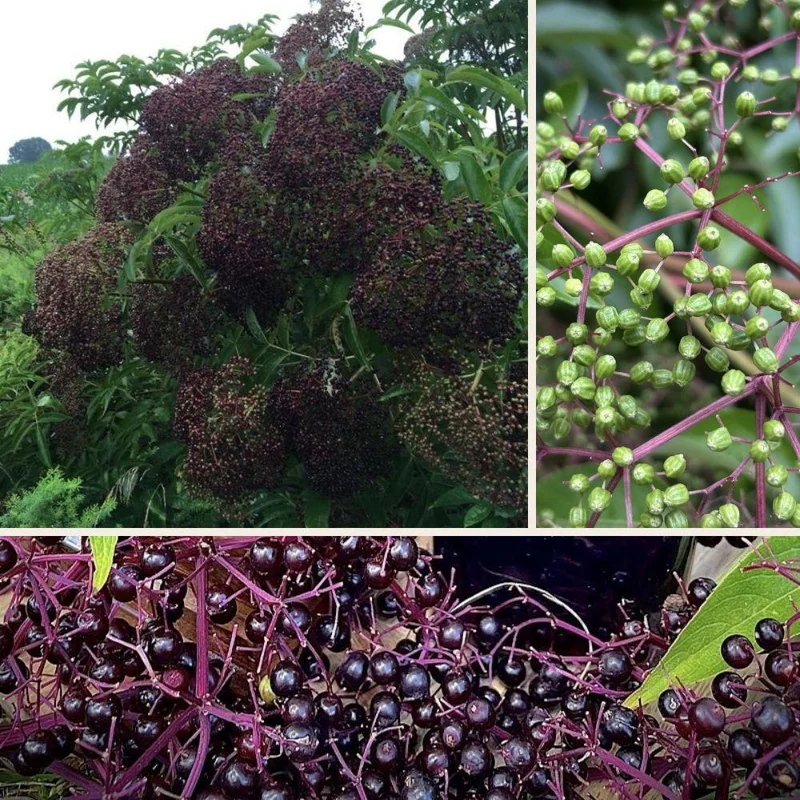
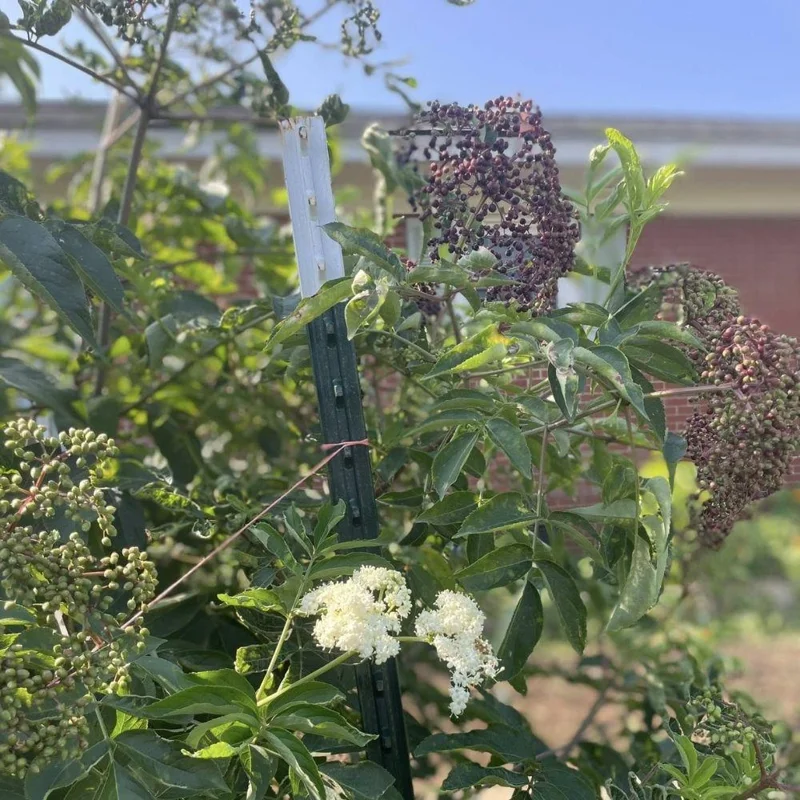
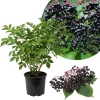
Discover the joy of growing your own black american elderberry live plant. This resilient and rewarding shrub, scientifically known as Sambucus canadensis, is a fantastic addition to any garden or landscape. Known for its striking clusters of small white or pink flowers in late spring to early summer, followed by abundant dark purple berries, the American Elderberry offers both ornamental beauty and practical benefits. These plants are celebrated for their adaptability and ease of care, making them suitable for both experienced gardeners and beginners looking to add a productive and attractive specimen to their outdoor space. Standing approximately 5-10 inches tall upon arrival, these young plants are ready to establish themselves and thrive, bringing life and potential harvests to your home.
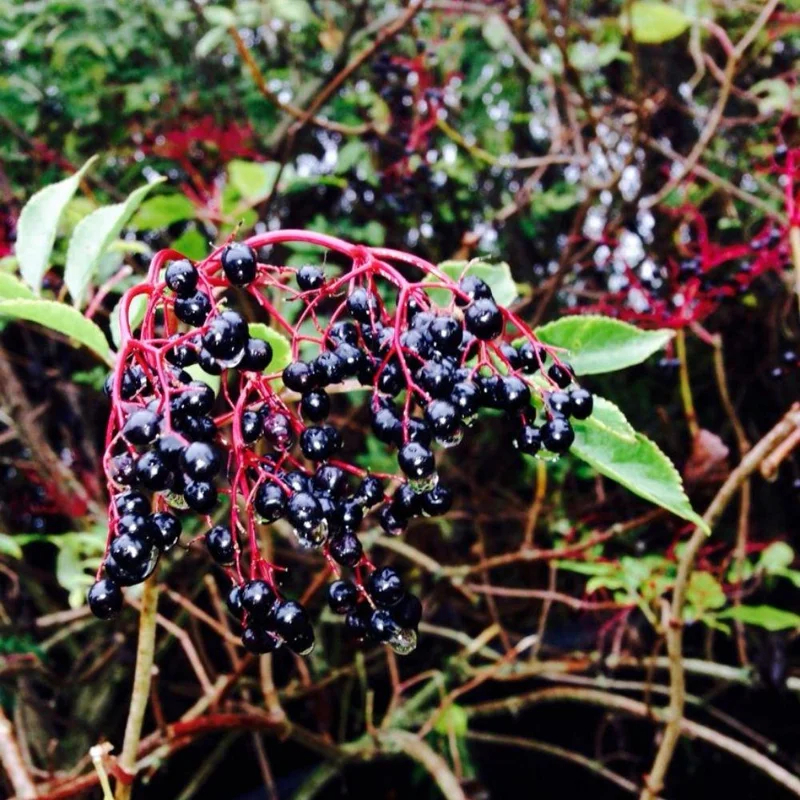
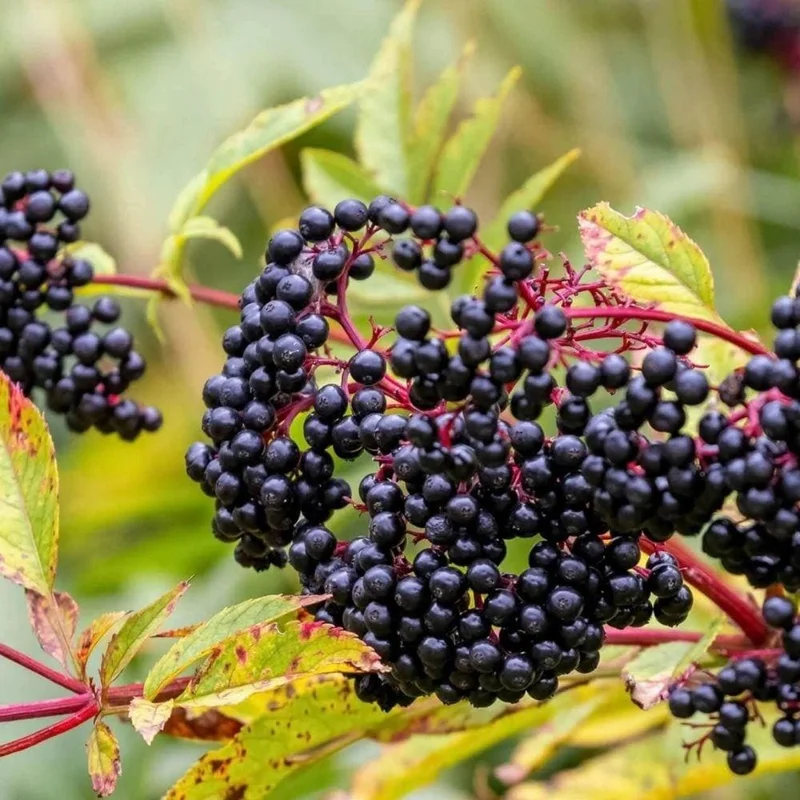
The black american elderberry live plant is a deciduous shrub native to North America, prized for its vigorous growth and the delicious, nutrient-rich berries it produces. These berries are widely used in jams, jellies, pies, wines, and other culinary creations, offering a unique flavor profile. Beyond its fruit, the elderberry bush provides significant ecological value, attracting pollinators like bees and butterflies to its blossoms and offering food and shelter for birds with its berries. Its robust nature means it can tolerate a range of soil conditions and climates, establishing itself as a reliable and long-lasting feature in your garden.
This particular offering provides strong black american elderberry live plant seedlings, ready to be planted and nurtured into mature, fruit-bearing bushes. With proper initial care and ongoing maintenance, these plants will grow quickly, providing you with beautiful foliage, fragrant flowers, and a bountiful harvest of berries for years to come. Whether you’re interested in the plant’s aesthetic qualities, its ecological contributions, or the delicious fruit, the American Elderberry is an excellent choice for a sustainable and beautiful garden.
Key Benefits
Adding a black american elderberry live plant to your garden brings a multitude of advantages, enhancing both the beauty and productivity of your outdoor space. These plants are not just visually appealing but also offer practical benefits for your home and the local ecosystem. Learn why this berry bush is a fantastic choice for your landscape:
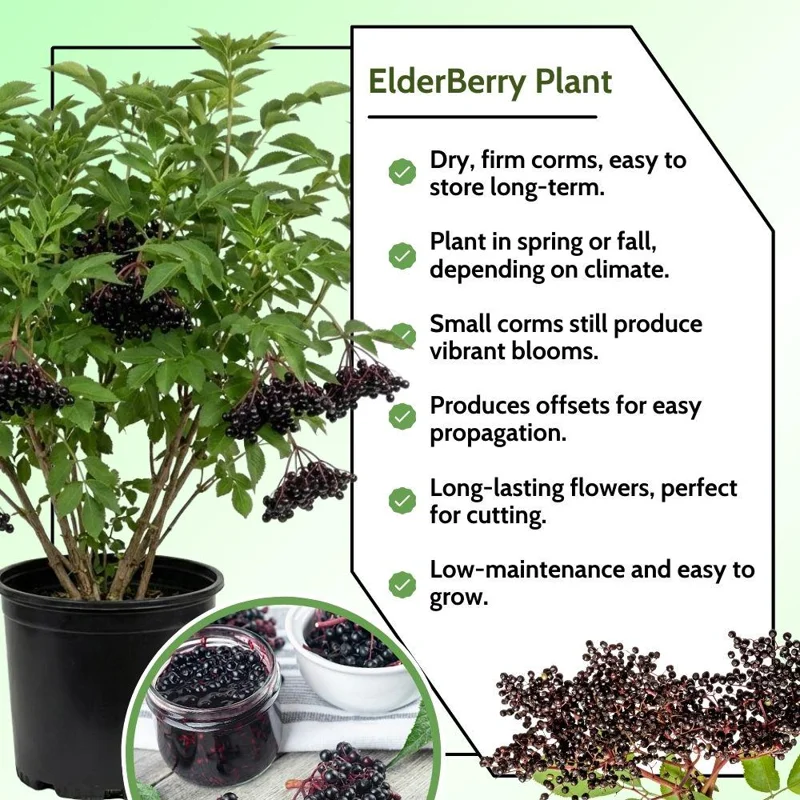
- Abundant Fruit Production: Enjoy a prolific harvest of dark purple berries, perfect for making delicious jams, jellies, pies, and beverages. The black american elderberry live plant is known for its generous yields once established.
- Attractive Ornamental Value: Features large clusters of delicate white or pink flowers that create a stunning display in late spring, followed by vibrant dark berries that add visual interest to your garden through summer and fall.
- Pollinator and Wildlife Friendly: The fragrant flowers attract essential pollinators like bees and butterflies, contributing to a healthy ecosystem. The berries also provide a valuable food source for various bird species.
- Hardy and Adaptable: This resilient plant thrives in a wide range of conditions, tolerating different soil types and climates, making it a low-maintenance option for many gardeners. Understanding proper elderberry plant care ensures its long-term success.
- Versatile Garden Use: Ideal for creating hedges, adding to edible landscapes, establishing wildlife gardens, or simply as a standalone specimen plant, offering flexibility in garden design.
- Easy to Grow: Known for its vigorous growth and relatively simple care requirements, even beginner gardeners can successfully cultivate this rewarding berry bush.
- Potential Health Benefits: Elderberries are widely recognized for their rich antioxidant content and traditional uses in supporting wellness, adding another layer of value to your harvest.
Plant Care & Growing Tips
Proper elderberry plant care is essential for ensuring your black american elderberry live plant thrives and produces a bountiful harvest. These plants are generally hardy and forgiving, but a few key practices will help them reach their full potential. Elderberries prefer a location with full sun to partial shade, meaning at least 6 hours of direct sunlight per day for optimal fruit production, though they can tolerate some afternoon shade in hotter climates. Ensure the planting site has good air circulation to prevent fungal issues. When planting, dig a hole twice as wide as the root ball and just as deep. Amend heavy clay soils with organic matter to improve drainage and aeration. Plant the elderberry at the same depth it was in its nursery pot.
Watering is crucial, especially during the first year of establishment and during dry spells. Keep the soil consistently moist but not waterlogged. Elderberries do not like soggy feet, so well-draining soil is paramount. Once established, they are somewhat drought-tolerant but will produce more fruit with regular watering. Fertilize in early spring with a balanced, slow-release granular fertilizer or compost, especially if your soil is poor. For optimal growth and fruit, a soil pH between 5.5 and 6.5 is ideal. Pruning is an important aspect of elderberry plant care; in late winter or early spring, remove any dead, damaged, or weak canes. For mature plants, a renewal pruning technique, where you remove the oldest canes to encourage new growth, is beneficial for consistent fruit production. This also helps in managing the size and shape of your growing elderberry bush.
Elderberries are generally pest and disease resistant, but watch out for common garden pests like aphids or spider mites, which can be treated with insecticidal soap. Fungal diseases like powdery mildew can occur in humid conditions; ensure good air circulation and avoid overhead watering. These plants are hardy in USDA zones 3-9, making them suitable for a wide range of climates. With consistent care, your black american elderberry live plant will provide years of beauty and delicious fruit. Understanding the needs of your growing elderberry bush will ensure a successful and rewarding gardening experience.
Size & Details
This offering includes a black american elderberry live plant seedling, typically ranging from 5 to 10 inches in height upon arrival. These young plants are carefully packaged to ensure they arrive healthy and ready for planting. Elderberries are known for their rapid growth rate once established, often reaching mature sizes of 5 to 12 feet tall and wide, depending on the variety and growing conditions. While the initial plant is small, it has the potential to develop into a substantial and productive berry bush within a few years. The plant ships in a nursery pot, with its root system intact, ready for transplanting into your garden or a larger container.
The mature size of your growing elderberry bush can be influenced by pruning practices and environmental factors. With proper space and care, it will develop a multi-stemmed shrub form. Expect flowers to appear in late spring to early summer, with berries ripening from mid-summer to early fall. The plant’s vigorous nature means it will quickly establish itself and begin to produce fruit, typically within 1-2 years of planting. These plants are selected for their hardiness and suitability for home gardens, providing a reliable source of beautiful foliage, fragrant flowers, and delicious berries. Consider the space required for a mature bush when choosing your planting location to allow for optimal development and fruit production.
Frequently Asked Questions
- Q: How big does this black american elderberry live plant get? A: This black american elderberry live plant typically arrives 5-10 inches tall. Once mature, a growing elderberry bush can reach anywhere from 5 to 12 feet tall and wide, depending on growing conditions and pruning.
- Q: Is this an indoor or outdoor plant? A: The black american elderberry live plant is primarily an outdoor plant. It thrives outdoors in USDA Zones 3-9 and requires significant space and sunlight to produce fruit. While it can be grown in a container indoors temporarily, it will eventually need to be moved outside for long-term health and fruit production.
- Q: How much sunlight does the black american elderberry live plant need? A: For optimal growth and fruit production, your growing elderberry bush needs full sun, meaning at least 6 hours of direct sunlight per day. It can tolerate partial shade, but fruit yield may be reduced.
- Q: Is this plant easy to care for? A: Yes, the black american elderberry live plant is considered relatively easy to care for, making it suitable for beginners. It’s hardy and adaptable, requiring consistent watering during establishment and basic annual pruning. Following good elderberry plant care practices will ensure its success.
- Q: What condition will it arrive in? A: Your black american elderberry live plant will arrive as a healthy seedling, approximately 5-10 inches tall, with its root system intact within a nursery pot, ready for transplanting. We take great care in packaging to ensure its safe arrival.
- Q: How long until it produces berries? A: A young black american elderberry live plant typically begins producing fruit within 1 to 2 years after planting. Fruit production will increase significantly as the plant matures.
- Q: Will it survive winter in my zone? A: The black american elderberry live plant is very cold hardy and thrives in USDA Zones 3-9, meaning it can withstand cold winters in most regions of the United States. Ensure it is well-established before its first winter.
- Q: What are the main uses for American elderberry berries? A: The berries from a growing elderberry bush are excellent for culinary purposes, commonly used to make jams, jellies, pies, syrups, and wine. They are also known for their rich antioxidant content and are sometimes used in traditional wellness practices, highlighting the many american elderberry benefits.
- Q: What kind of soil does an elderberry plant prefer? A: Elderberries prefer well-draining soil that is rich in organic matter. They can tolerate a range of soil types but thrive best in slightly acidic to neutral soil (pH 5.5-6.5). Good drainage is crucial for preventing root rot.
- Q: Where can I buy elderberry plants? A: You can find high-quality black american elderberry live plant seedlings like this one directly from reputable online nurseries or local garden centers, ensuring you get a healthy start for your garden.



Reviews
There are no reviews yet.