Overview
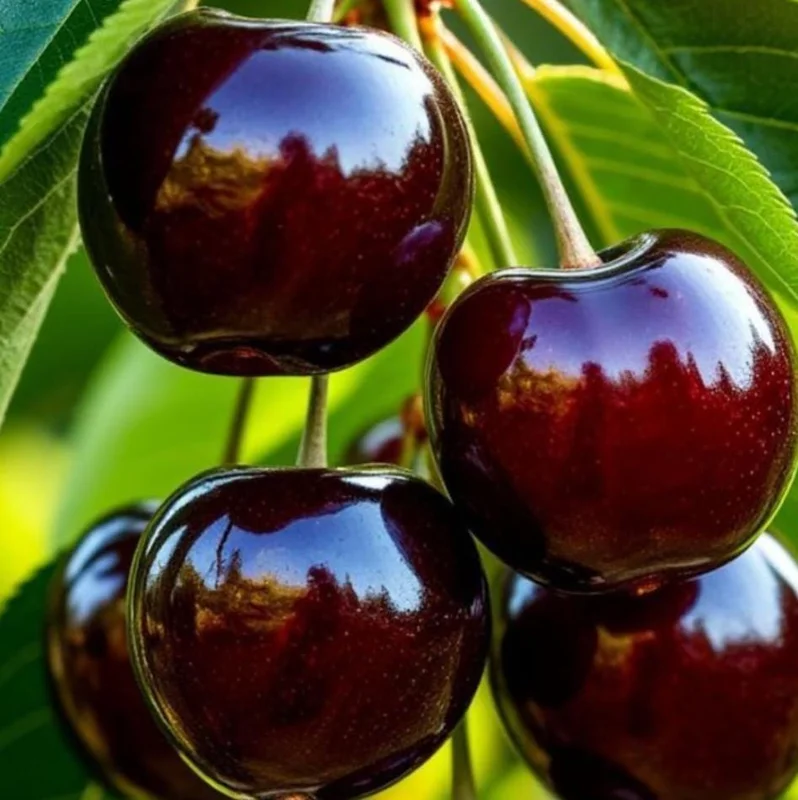
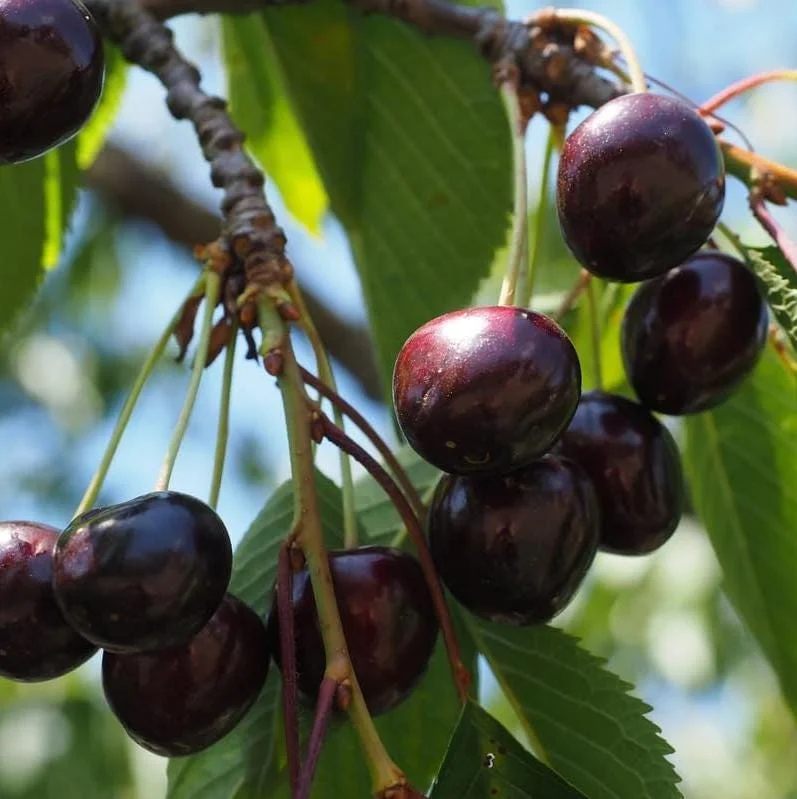
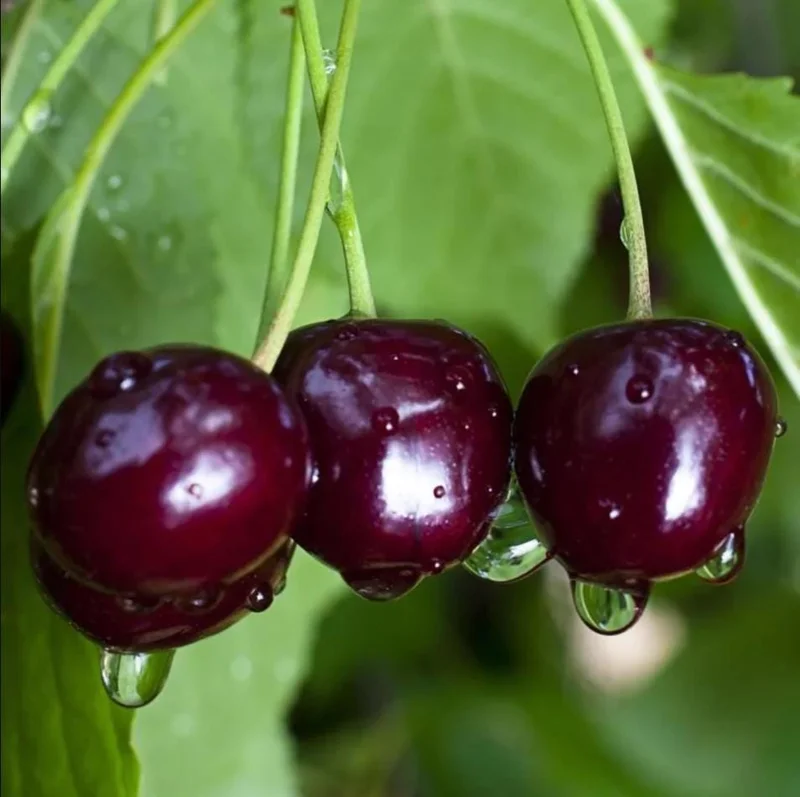
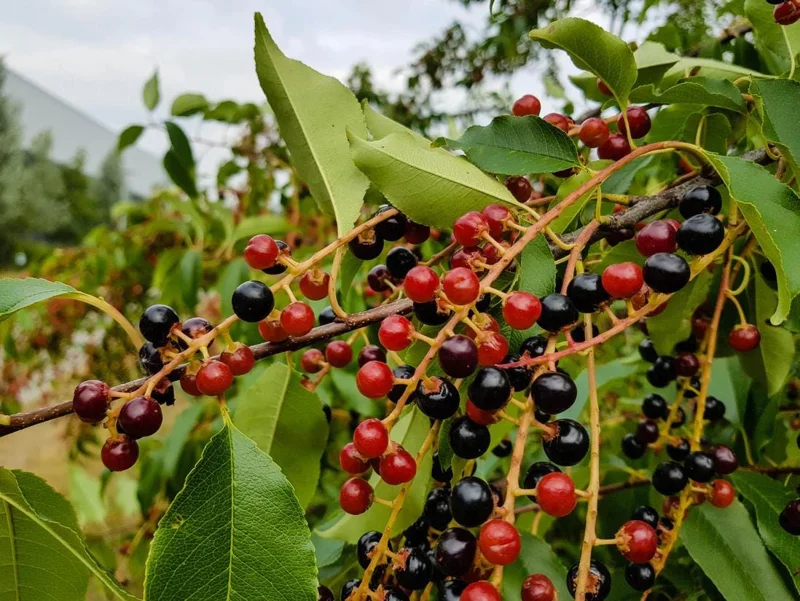
Embark on a rewarding gardening journey with our premium black cherry bare roots. This offering includes a convenient 2-pack of young Prunus Serotina tree starters, perfect for establishing your very own home orchard. Known for their vigorous growth and delicious fruit, these trees will eventually produce an abundance of sweet, dark cherries. By starting with bare roots, you gain the advantage of a plant that adapts quickly to its new environment, establishing a strong root system for long-term health and productivity. Our black cherry bare roots are carefully selected to ensure you receive robust, healthy specimens ready for successful planting. These starters are an excellent choice for both novice and experienced gardeners eager to cultivate a productive and beautiful fruit tree.
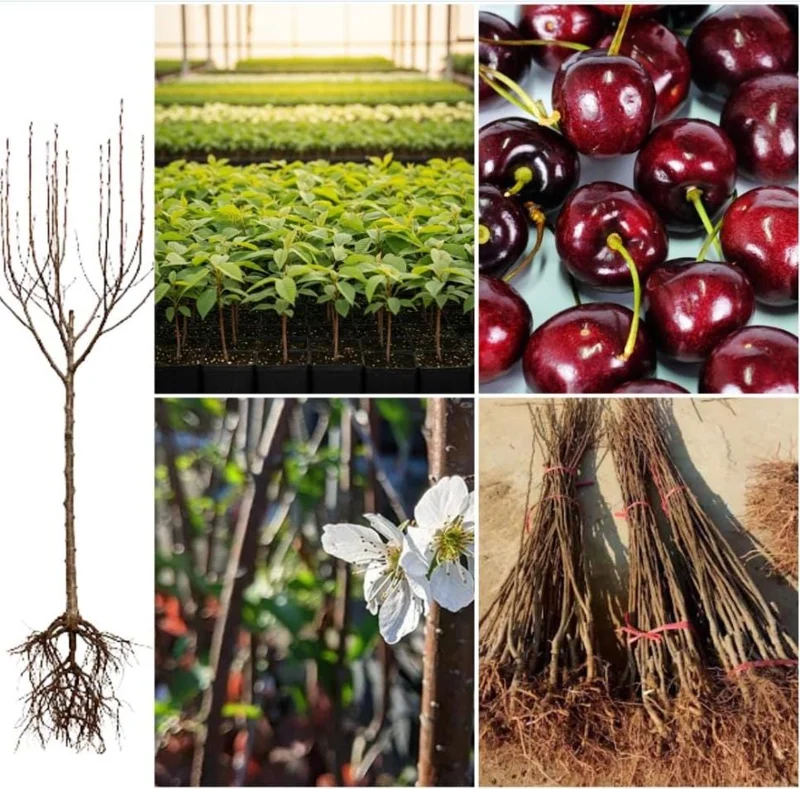
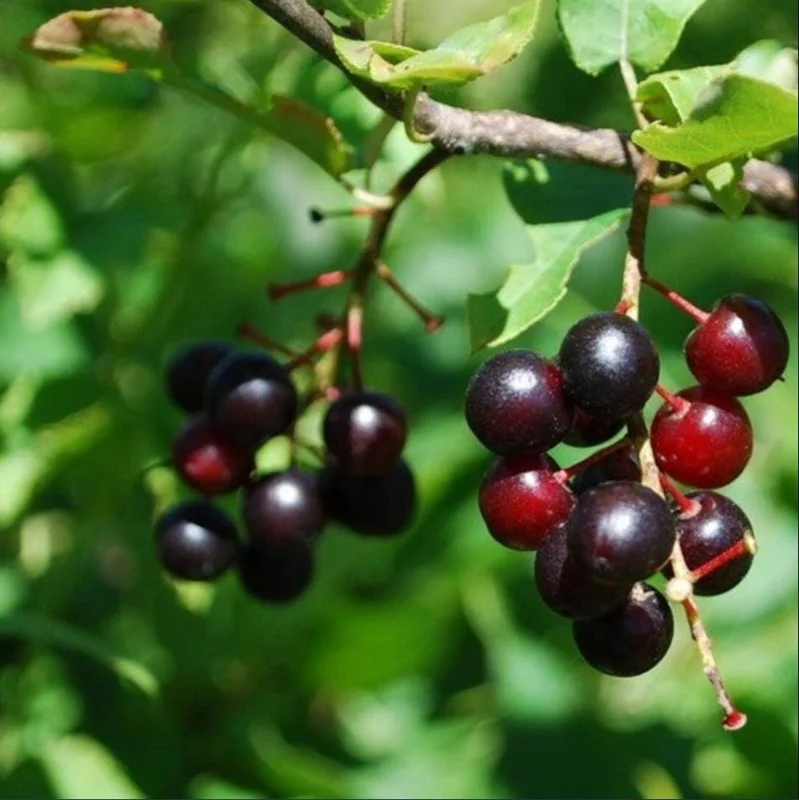
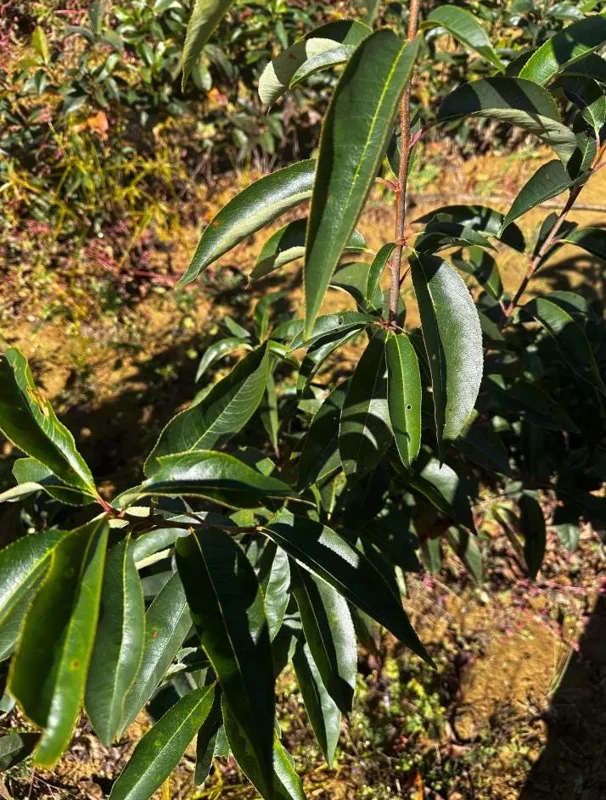
The Prunus Serotina tree, commonly known as Black Cherry, is a native North American species celebrated for its ornamental beauty and the flavorful fruit it yields. These bare roots provide a cost-effective and efficient way to introduce this desirable fruit tree into your landscape. Each plant is a young starter, measuring between 10 to 20 inches tall, without flowers or fruit initially, allowing it to focus its energy on root and foliage development during its first year. Planting black cherry bare roots is an investment in future harvests, providing fresh, homegrown cherries for years to come. Prepare to enjoy the satisfaction of growing your own fruit and the beauty these trees bring to your garden.
Key Benefits
Our black cherry bare roots offer numerous advantages for the home gardener, promising both aesthetic appeal and delicious yields.
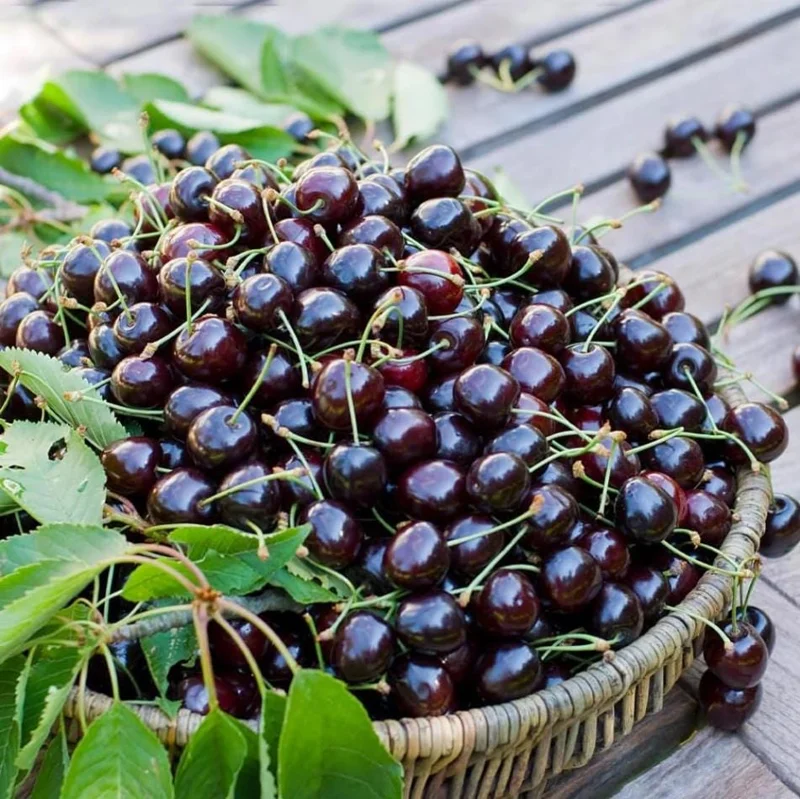
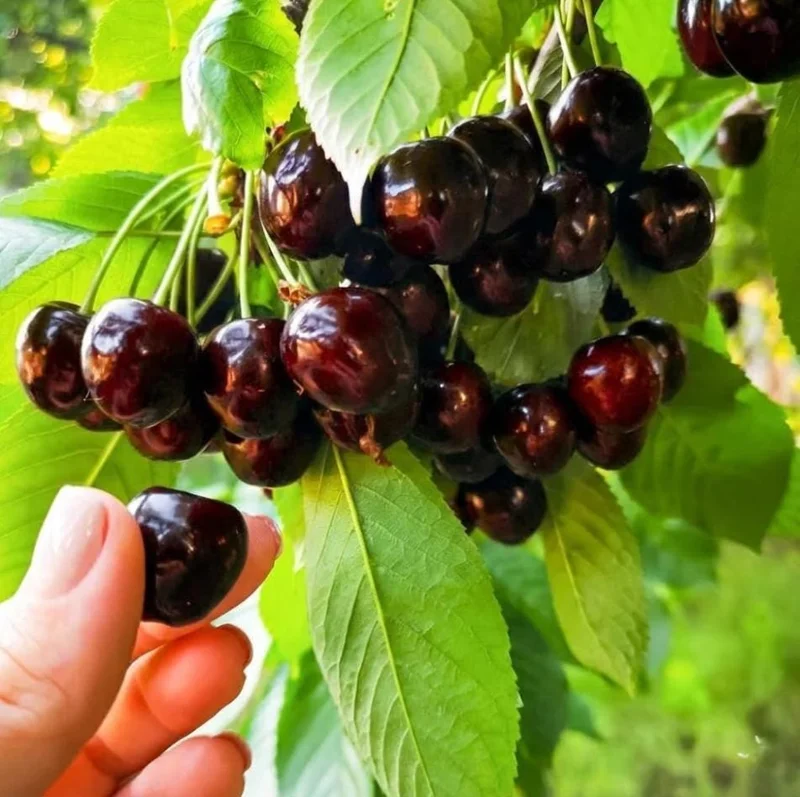
- Fresh, Homegrown Fruit: Enjoy the unparalleled taste of fresh, sweet black cherries directly from your garden. Growing your own fruit ensures you have a supply of natural, pesticide-free produce.
- Vigorous Growth: Starting with black cherry bare roots allows the plant to quickly establish a robust root system, leading to strong, healthy growth and better adaptation to your garden’s soil.
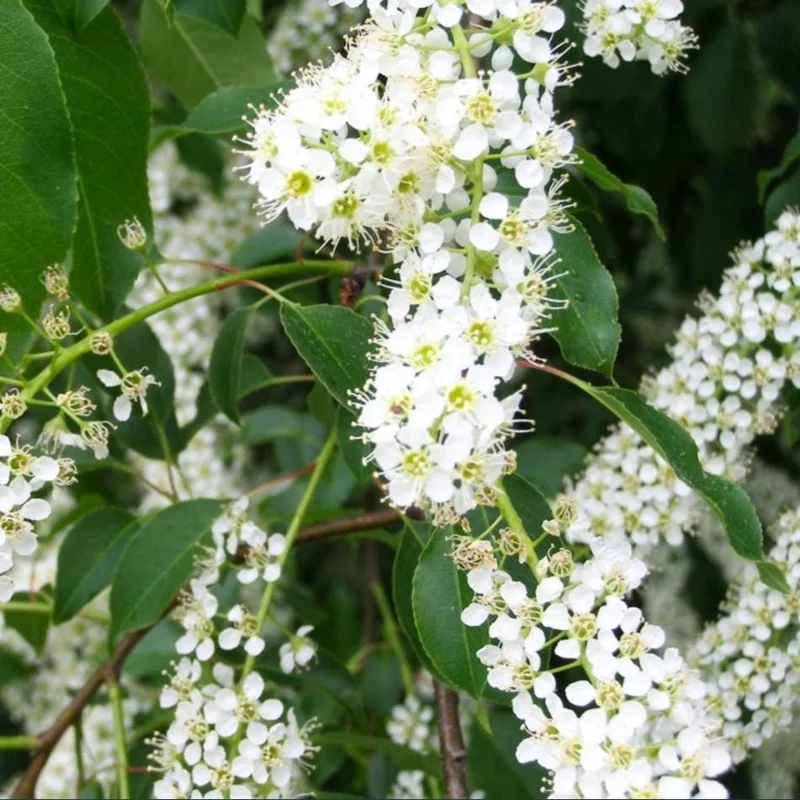
- Ornamental Value: Beyond their fruit, Prunus Serotina tree specimens provide significant ornamental value with their attractive foliage and, eventually, beautiful spring blossoms.
- Long-Term Investment: A properly cared-for black cherry tree can produce fruit for many years, offering a sustainable source of delicious cherries and enhancing your landscape.
- Eco-Friendly Choice: Planting fruit trees contributes to local biodiversity, supports pollinators, and provides a natural habitat, making it an environmentally conscious decision.
- Educational Experience: Cultivating a sweet cherry plant from a bare root offers a wonderful educational opportunity for families and a rewarding personal achievement for gardeners.
- Cost-Effective: Purchasing bare roots is often more economical than buying potted trees, allowing you to acquire multiple plants for a home orchard project.
Plant Care & Growing Tips
Successful planting bare root trees, especially black cherry bare roots, begins with proper preparation and ongoing care. Upon arrival, it’s crucial to rehydrate the roots by soaking them in a bucket of water for 1 to 6 hours. Avoid soaking for longer than 6 hours, as this can lead to root damage. The ideal planting time is in early spring (February–May), as soon as the ground thaws but before the tree breaks dormancy. In warmer regions, late autumn planting is also possible. Choose a site with full sun exposure, meaning at least 6-8 hours of direct sunlight daily, for optimal fruit production and tree health.
For soil requirements, black cherry bare roots thrive in well-drained loamy or sandy soil with a pH between 5.5 and 7.0. It is essential to avoid heavy clay soils or areas prone to waterlogging, as these conditions can cause root rot and hinder growth. When planting, dig a hole wide enough to accommodate the roots without bending them, and deep enough so that the graft union (if present) is above the soil line. Backfill with the amended soil, gently tamping down to remove air pockets, and water thoroughly. Consistent watering is vital during the first year; provide 1-2 inches of water weekly. During warmer months, deeply soak the entire root zone (top 12–18 inches) 2–3 times a week to encourage deep root growth. Fertilize in spring with a balanced slow-release fertilizer designed for fruit trees after the first year of growth. Pruning should be done in late winter to early spring to remove dead or diseased branches and to shape the tree for better light penetration and air circulation, which are crucial for a healthy sweet cherry plant.
Size & Details
This product includes a pack of two black cherry bare roots, providing you with a foundation for a small home orchard or to enhance your existing landscape. Each bare root starter measures approximately 10 to 20 inches in height, offering a robust young plant ready for transplanting. Shipping as bare roots means the plants are dormant and without soil, which minimizes transplant shock and allows for easier handling upon arrival. These young Prunus Serotina tree specimens are ready to be planted directly into your garden, where they will begin to establish their root system and grow into productive fruit trees. While they will not bear fruit in their first year, with proper care and ideal growing conditions, you can anticipate your first harvest of delicious sweet cherries within 3-5 years.
These black cherry bare roots are ideal for gardeners looking for an economical and effective way to grow fruit trees. The compact size of the bare roots makes them easy to plant and manage. Expect these trees to grow into mature specimens capable of producing abundant fruit, adding both beauty and bounty to your outdoor space. The success of planting bare root trees like these relies on following the provided care instructions diligently, ensuring a strong start for your future cherry harvest.
Frequently Asked Questions
- Q: How big do these black cherry bare roots get when mature? A: A mature Prunus Serotina tree can reach heights of 50-80 feet in the wild, but when cultivated for fruit, they are typically kept smaller through pruning, often around 20-30 feet tall and wide, depending on the rootstock and care.
- Q: Is this an indoor or outdoor plant? A: These black cherry bare roots are strictly for outdoor planting. Black cherry trees require significant space, full sun, and seasonal dormancy to thrive and produce fruit.
- Q: How much sunlight does a sweet cherry plant need? A: A sweet cherry plant requires full sun, meaning at least 6 to 8 hours of direct sunlight per day, for optimal growth and fruit production.
- Q: Is this plant easy to care for? Is it good for beginners? A: While planting bare root trees requires careful initial attention, black cherry trees are generally considered moderately easy to care for once established. The detailed care instructions provided will guide beginners through the process.
- Q: What condition will the black cherry bare roots arrive in? A: Your black cherry bare roots will arrive dormant, carefully packaged without soil to ensure freshness and minimize stress during transit. They will be ready for immediate rehydration and planting.
- Q: When is the best time to plant these bare roots? A: The best time for planting bare root trees like black cherry is in early spring (February–May) after the last frost, or in late autumn in warmer climates, before the ground freezes.
- Q: What USDA hardiness zones are suitable for these black cherry bare roots? A: Black cherry trees (Prunus Serotina tree) are generally hardy in USDA Zones 3-9, making them suitable for a wide range of climates across the United States.
- Q: What kind of soil is best for these bare roots? A: These black cherry bare roots prefer well-drained loamy or sandy soil with a pH between 5.5 and 7.0. Good drainage is crucial to prevent root rot.
- Q: How long until I can expect fruit from my sweet cherry plant? A: With proper care, your sweet cherry plant grown from bare roots can typically begin producing fruit within 3 to 5 years after planting.
- Q: Do I need to plant more than one black cherry tree for pollination? A: Most sweet cherry varieties, including Prunus Serotina tree, are self-pollinating, meaning a single tree can produce fruit. However, planting multiple trees can often lead to a larger and more consistent yield.



Reviews
There are no reviews yet.