Overview
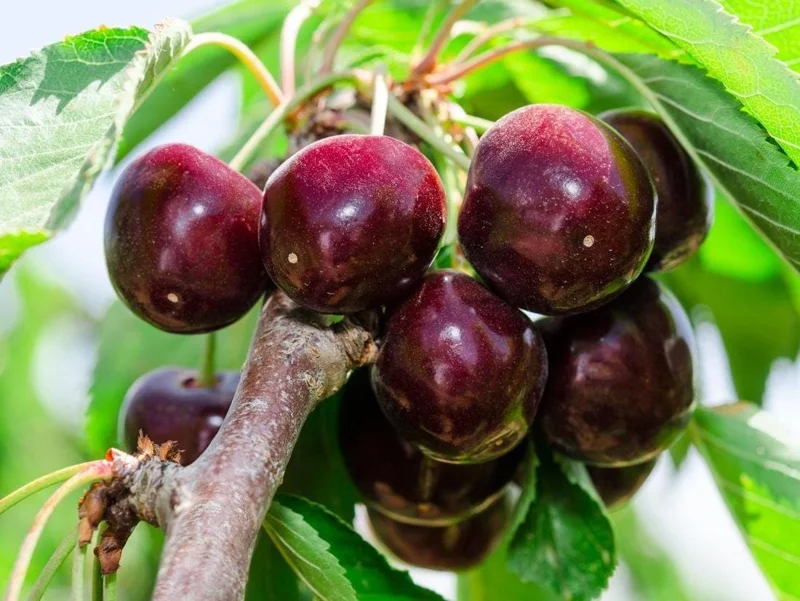
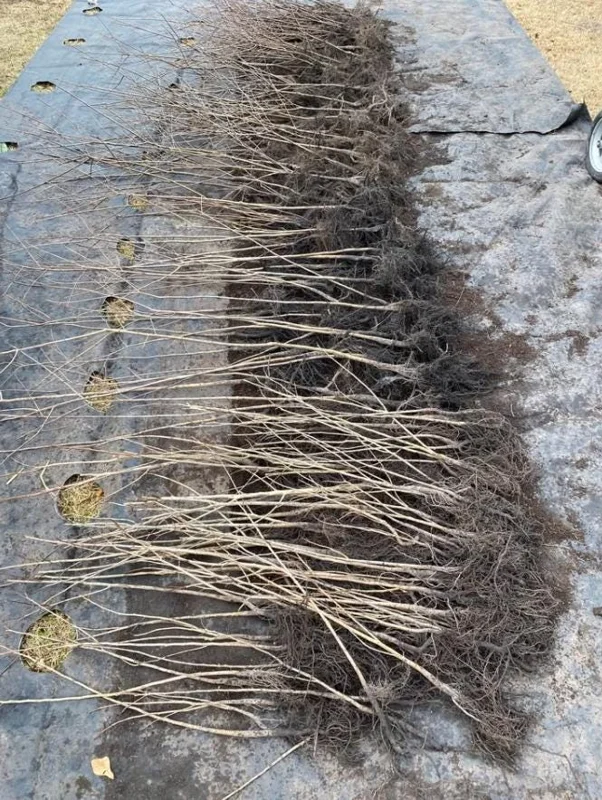
Introduce the beauty of nature to your outdoor space with this exceptional set of two black cherry tree live plant specimens. These young trees are provided as dormant bare roots, each standing approximately 2-3 feet tall, making them perfectly sized for easy planting and establishment in your garden, home landscape, or burgeoning backyard orchard. The wild black cherry tree (Prunus serotina) is a beloved native species, celebrated for its attractive form, seasonal blooms, and the eventual production of dark, edible cherries. It offers not only aesthetic appeal but also provides a valuable food source for local wildlife, contributing to a healthy ecosystem. Starting with bare root trees allows them to adapt quickly to their new environment, ensuring a strong foundation for future growth and fruit production. This is an excellent opportunity for gardeners to cultivate a classic and rewarding tree.
Key Benefits
Integrating a black cherry tree live plant into your landscape brings a multitude of advantages, enriching both the visual appeal and ecological value of your property. These trees offer more than just beauty; they provide a dynamic presence that evolves through the seasons.
- Aesthetic Appeal: Enjoy beautiful white blossoms in spring, rich green foliage in summer, and vibrant fall color. These trees add significant visual interest and structure to any garden or orchard setting, creating a focal point in your outdoor design.
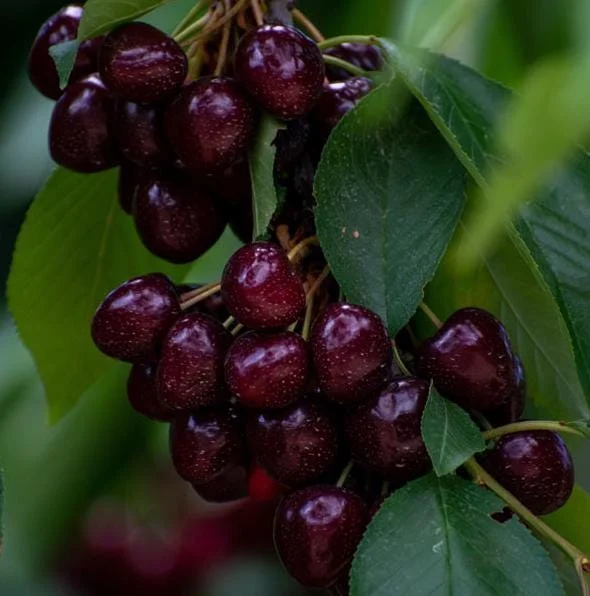
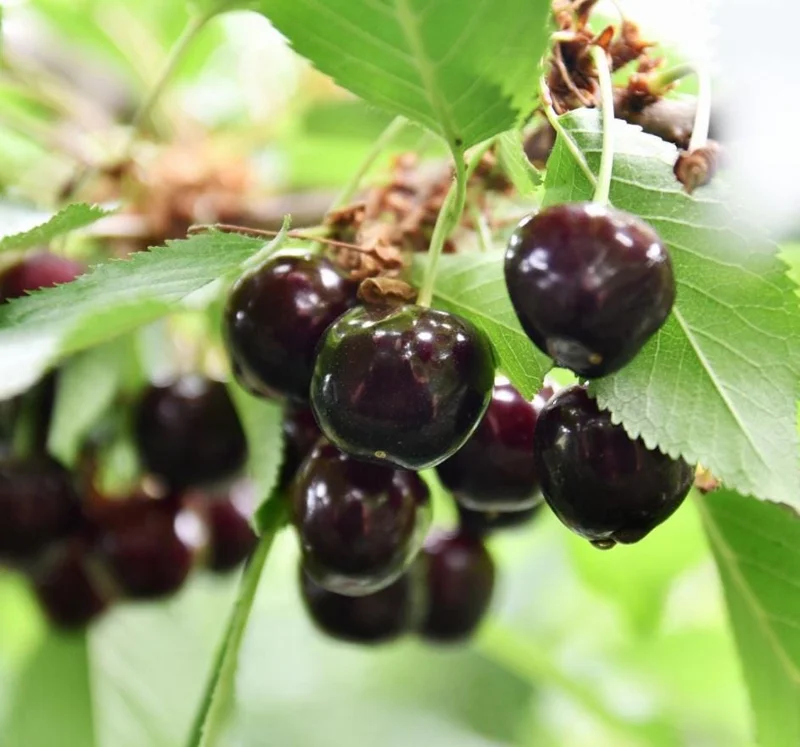
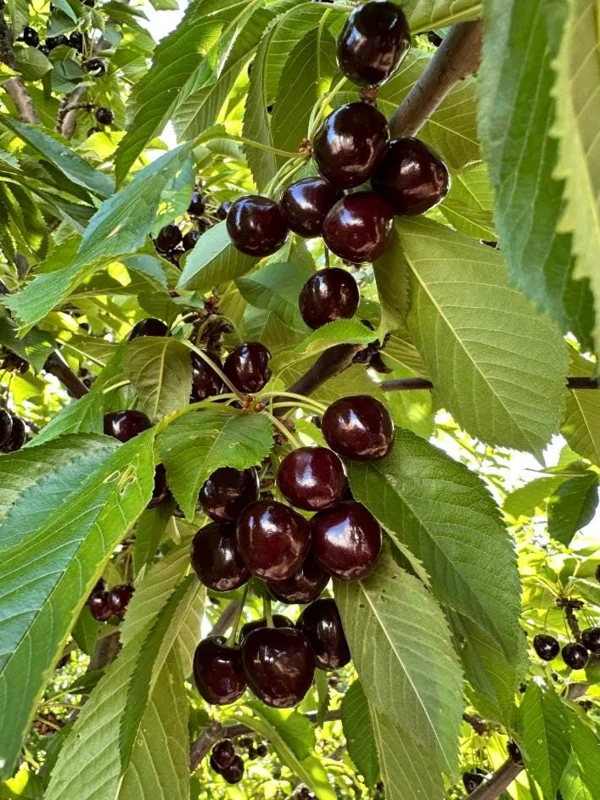
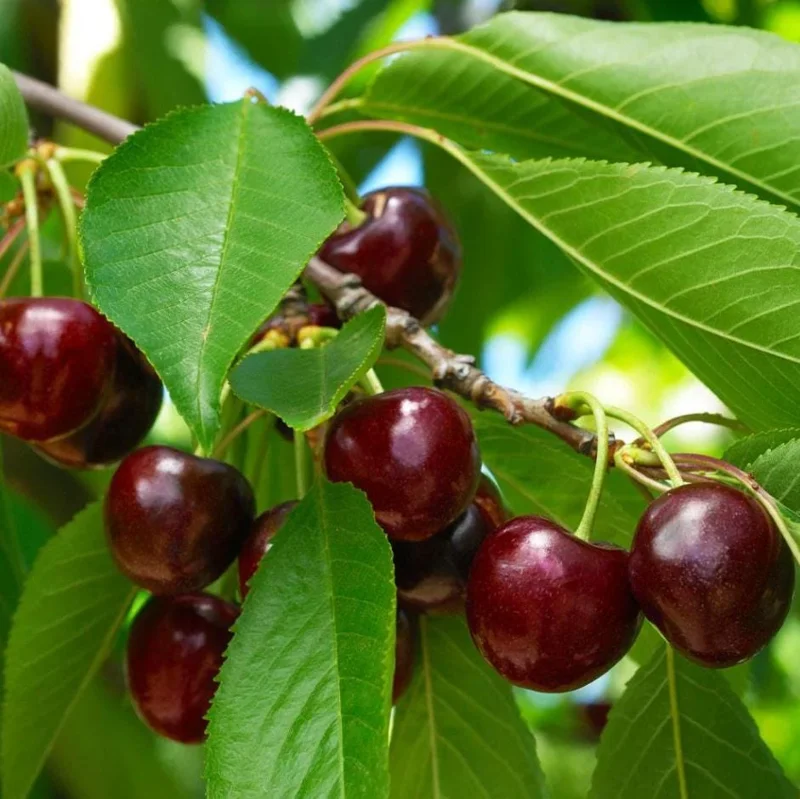
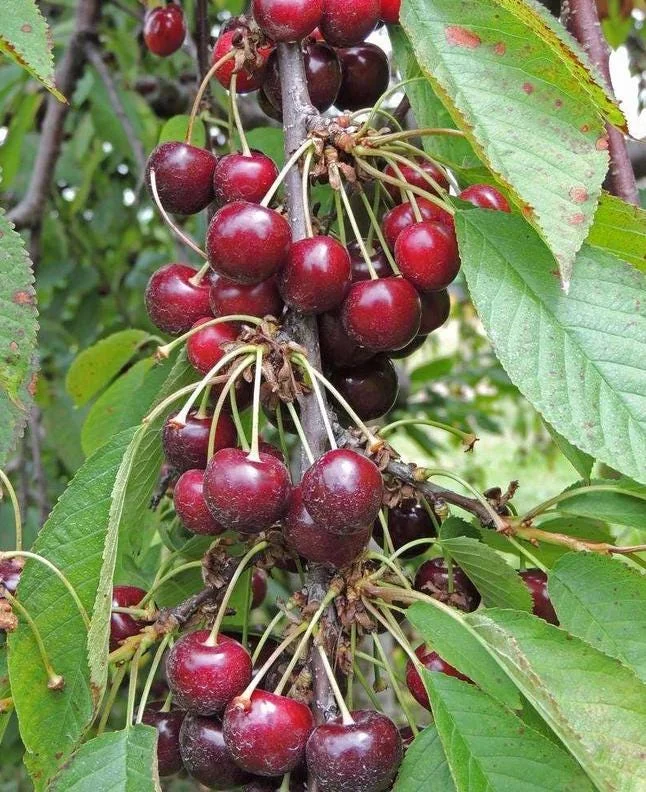
- Wildlife Attraction: The dark cherries produced by mature wild black cherry tree specimens are a favorite food source for various birds and other wildlife, helping to support local biodiversity and bringing life to your garden.
- Native Species: As a native plant, the black cherry tree is well-adapted to many North American climates, making it a resilient and sustainable choice for landscaping. It requires less intervention once established compared to non-native alternatives.
- Orchard Potential: Perfect for starting or expanding a backyard orchard, these trees will eventually yield their own fruit. While primarily for wildlife, some varieties can be enjoyed by humans, or used for preserves and jellies.
- Easy Establishment: Shipped as dormant bare root plants, they are designed for easy planting and quick adaptation to their new environment. This method minimizes transplant shock, allowing for vigorous growth once the growing season begins.
- Long-Term Growth: With proper care, these trees will grow into magnificent, long-lived specimens, providing shade, beauty, and ecological benefits for decades to come. They represent a lasting investment in your property.
- Educational Value: Growing a black cherry tree live plant can be a rewarding educational experience, teaching about plant life cycles, local ecosystems, and sustainable gardening practices.
Plant Care & Growing Tips
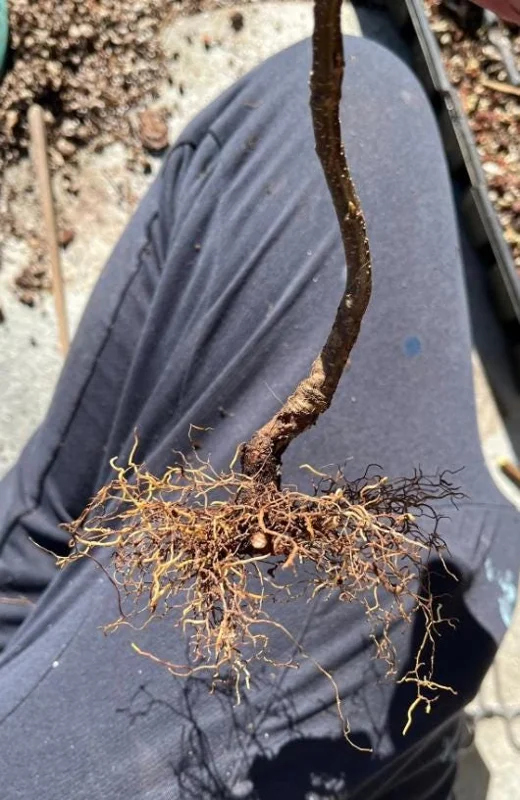
Caring for your black cherry tree live plant is straightforward, especially when planted correctly. These trees thrive in specific conditions that promote healthy growth and eventual fruit production. Optimal light is crucial; black cherry tree care requires a location that receives full sun, meaning at least 6-8 hours of direct sunlight per day. This ensures robust growth and encourages flowering and fruiting. When planting, dig a hole wide enough to accommodate the spread of the bare roots without bending them, and deep enough so the root collar is at or slightly above ground level. Backfill with native soil, gently tamping to remove air pockets.
Watering is critical during the first year of establishment. Keep the soil consistently moist but not waterlogged. Deep watering once or twice a week, depending on rainfall and temperature, is generally sufficient. Once established, the wild black cherry tree is relatively drought-tolerant but will benefit from supplemental watering during prolonged dry spells. These trees prefer well-drained soil, ideally a loamy or sandy loam. Avoid heavy clay soils that retain too much moisture, as this can lead to root rot. If your soil is heavy, amend it with organic matter to improve drainage. Fertilization in the first year can be minimal; established trees can benefit from a balanced, slow-release fertilizer in early spring, following product instructions carefully. Pruning should focus on removing dead, damaged, or crossing branches to maintain a strong structure and promote air circulation.
Understanding the specific needs of your dormant bare root tree is key to success. They arrive without leaves, which is a natural state for easy transplanting. Once planted, they will break dormancy and begin to leaf out as temperatures rise. Protect young trees from deer and other pests using tree guards if necessary. The USDA hardiness zone for Prunus serotina typically ranges from 3 to 9, indicating its adaptability to various climates. Proper site selection and consistent care during the initial years will ensure your black cherry trees flourish and become a treasured part of your landscape for years to come. For more detailed guidance on black cherry tree care, consult local agricultural extension services.
Size & Details
This offering includes two black cherry tree live plant specimens, each carefully packaged as a dormant bare root tree. Upon arrival, these trees will measure approximately 2-3 feet tall, making them an ideal size for planting and establishing in your garden or orchard. Bare root plants are renowned for their ability to quickly adapt to new soil conditions and establish strong root systems, often outperforming potted plants in the long run. The dormant state ensures minimal stress during transit and transplanting.
These trees are expected to have a medium to fast growth rate, typically adding 1-2 feet in height per year under optimal conditions. While they are 2-3 feet tall now, a mature wild black cherry tree can reach heights of 50-80 feet with a spread of 30-50 feet, so ensure adequate space for future growth. The form is a single-stemmed tree, ready to develop its characteristic branching structure. Expect the first blossoms and cherries to appear within 3-5 years after planting, depending on growing conditions and care. This set provides a fantastic foundation for creating a thriving and productive backyard orchard.
Frequently Asked Questions
- Q: How big does this black cherry tree live plant get? A: While these young trees arrive at 2-3 feet tall, a mature wild black cherry tree can reach impressive heights of 50-80 feet with a spread of 30-50 feet, so plan your planting location accordingly.
- Q: Is this an indoor or outdoor plant? A: These black cherry tree live plant specimens are outdoor trees, best suited for gardens, landscapes, and backyard orchards where they can receive full sun exposure.
- Q: How much sunlight does it need? A: For optimal growth and fruiting, a black cherry tree live plant requires full sun, meaning at least 6-8 hours of direct sunlight per day.
- Q: Is this plant easy to care for? A: Yes, with proper initial planting and consistent watering during the first year, black cherry tree care is relatively easy. Once established, they are quite resilient.
- Q: What condition will the trees arrive in? A: Your trees will arrive as dormant bare root tree specimens, meaning they will not have leaves. This is a natural state that helps them adapt easily to transplanting.
- Q: When is the best time to plant these bare root trees? A: The best time to plant dormant bare root trees is typically in early spring after the last hard frost, but before the trees begin to leaf out.
- Q: Will it survive winter in my zone? A: The wild black cherry tree is quite hardy, thriving in USDA Zones 3-9, making it suitable for a wide range of climates.
- Q: What kind of soil does a black cherry tree prefer? A: These trees prefer well-drained soil, ideally a loamy or sandy loam. Good drainage is crucial to prevent root issues.
- Q: How long until it produces cherries? A: Under good growing conditions and with proper black cherry tree care, you can expect the first blossoms and cherries to appear within 3-5 years after planting.
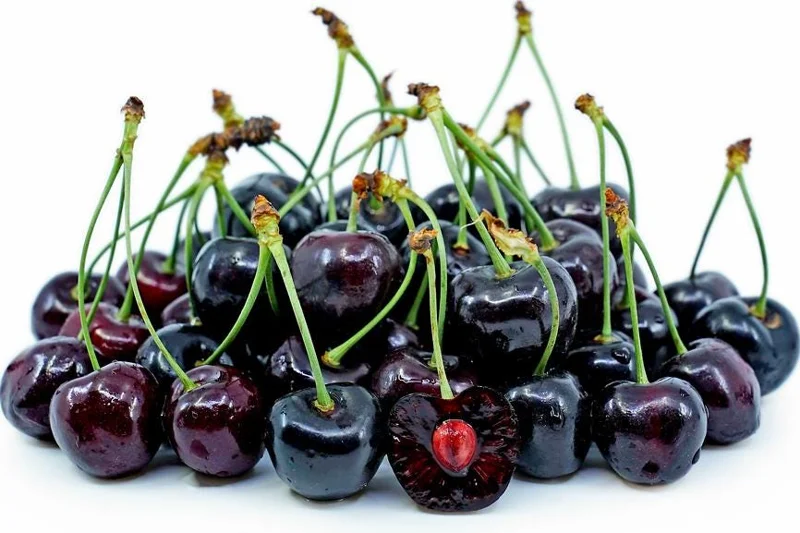
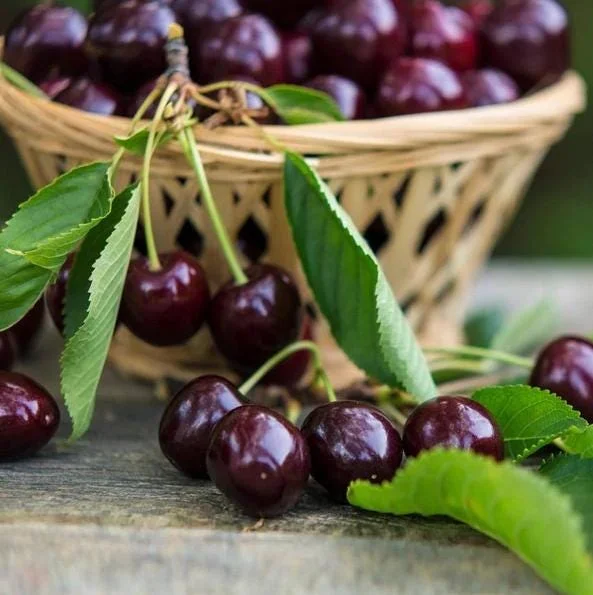
- Q: Are the cherries edible for humans? A: While primarily a food source for wildlife, the cherries are technically edible for humans, though they are often quite tart and are more commonly used for preserves, jellies, or flavoring.




Reviews
There are no reviews yet.