Overview
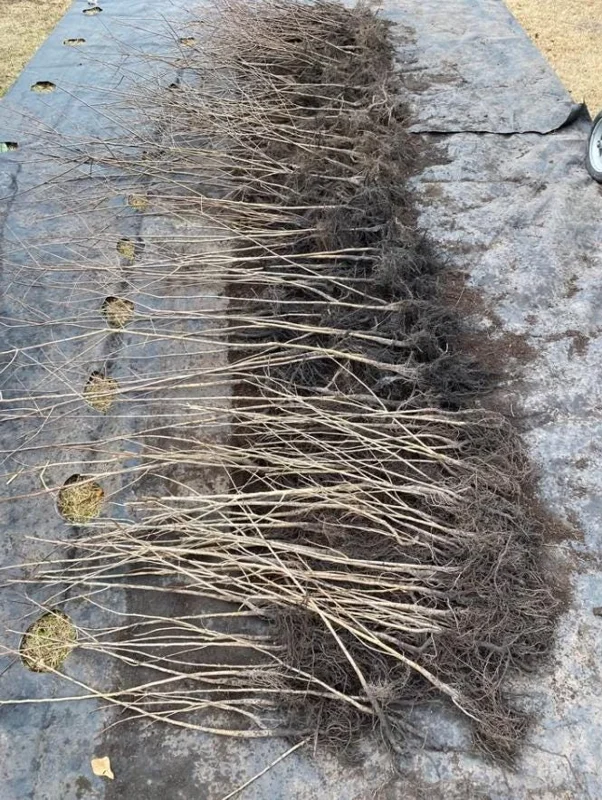
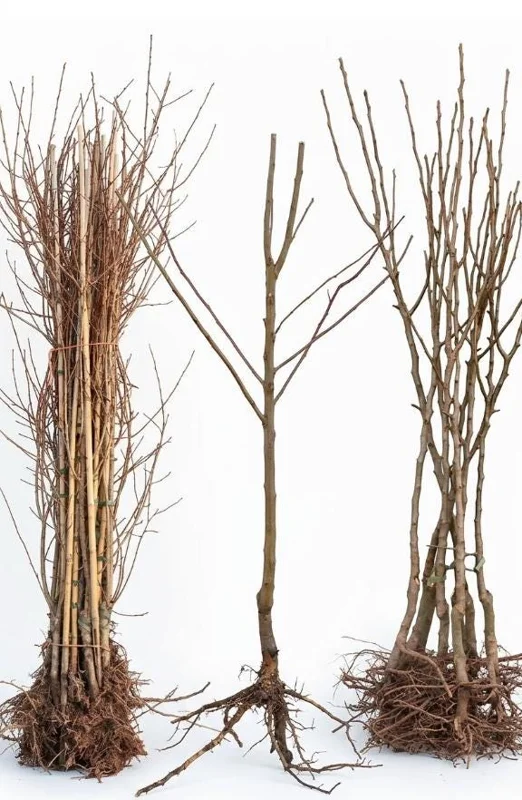
Bring the beauty of nature and the delight of fresh fruit to your landscape with this set of two black cherry tree live plant specimens. These young trees, botanically known as Prunus serotina, arrive as 2-3 feet tall dormant bare root starters, making them an excellent choice for easy planting and establishment in your outdoor garden. Renowned for their attractive foliage, delicate seasonal blossoms, and the eventual bounty of dark, flavorful cherries, black cherry trees are a versatile addition to any property. Whether you’re starting a home orchard, enhancing a backyard garden, or contributing to a naturalized landscape, these trees provide significant ornamental value and seasonal interest. The dormant, bare root form is a natural and effective way to transplant trees, allowing them to acclimate and thrive once planted in suitable conditions, gradually awakening with new growth as the seasons progress.
Key Benefits
Investing in a black cherry tree live plant offers a multitude of rewards for both the experienced gardener and the enthusiastic beginner. These trees are not only a source of beauty but also provide practical and ecological advantages.
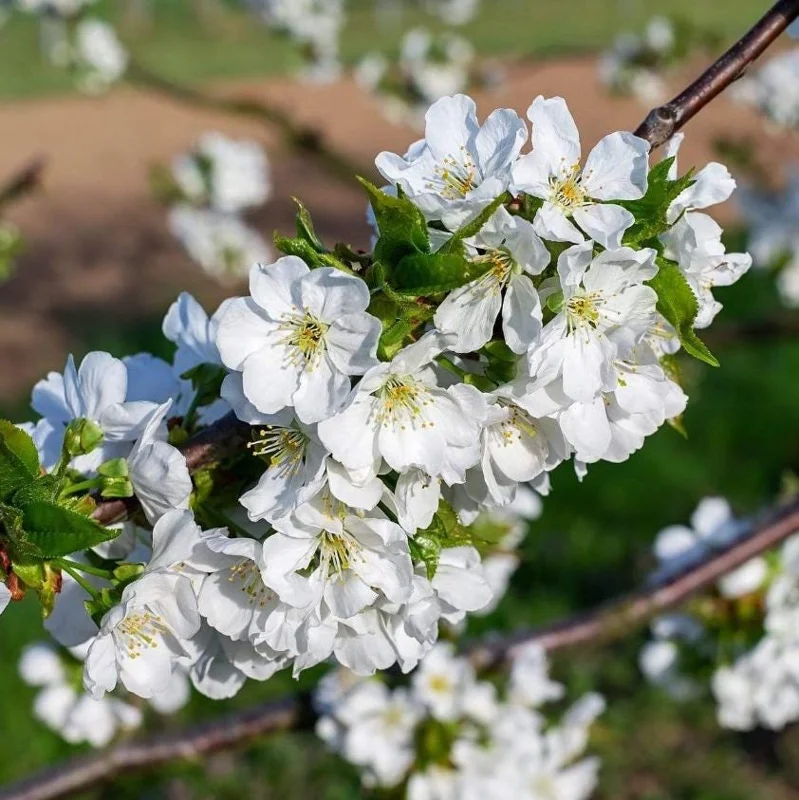
- Ornamental Appeal: Black Cherry trees boast beautiful green foliage throughout the growing season, which often turns to attractive shades in the fall. Their delicate white blossoms in spring add a touch of elegance to your garden before the fruit begins to form.
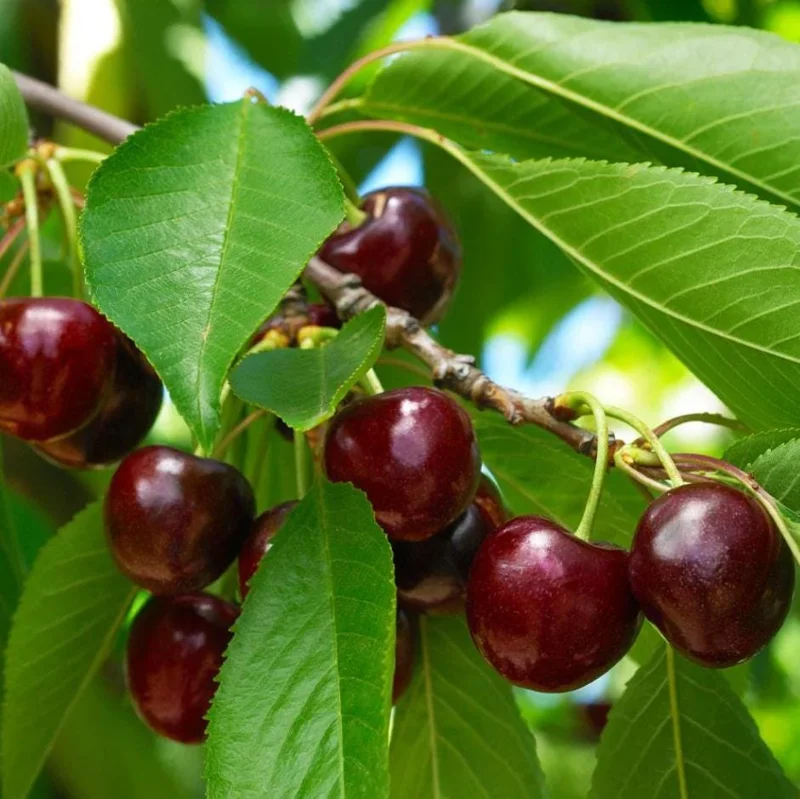
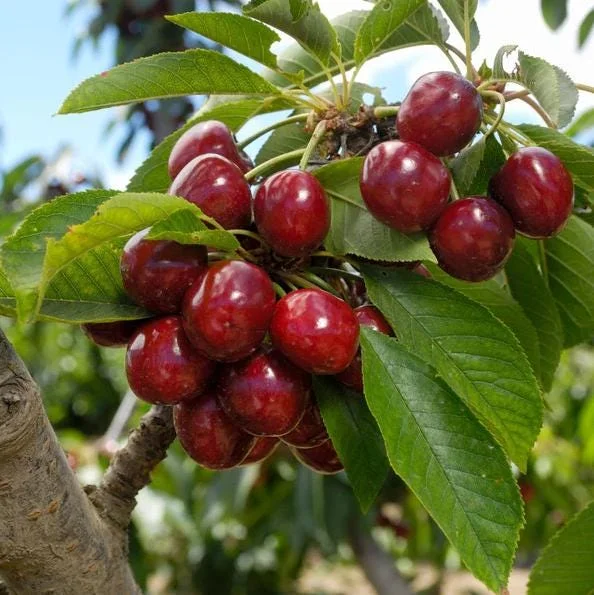
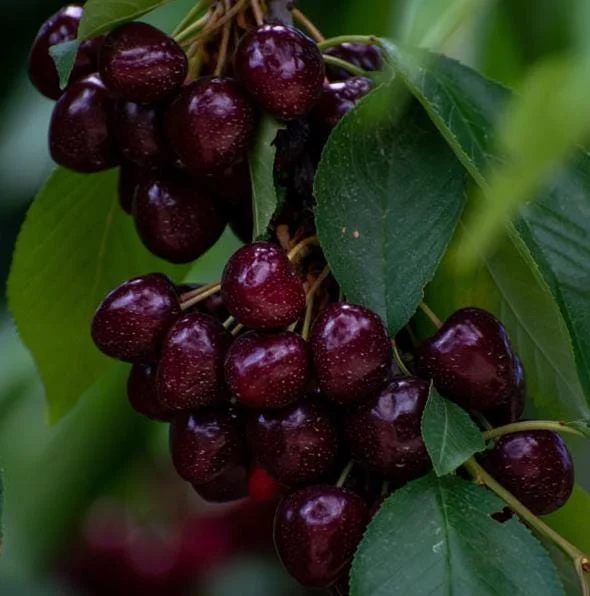
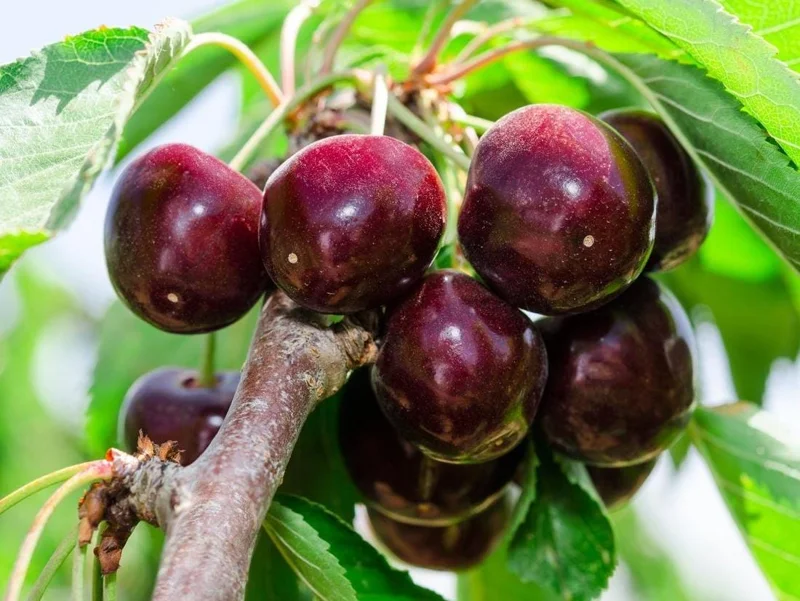
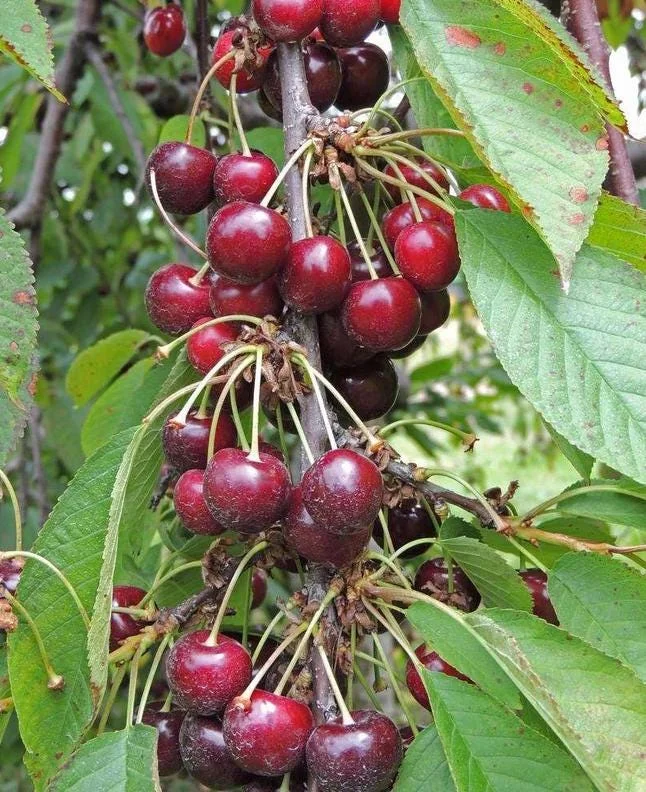
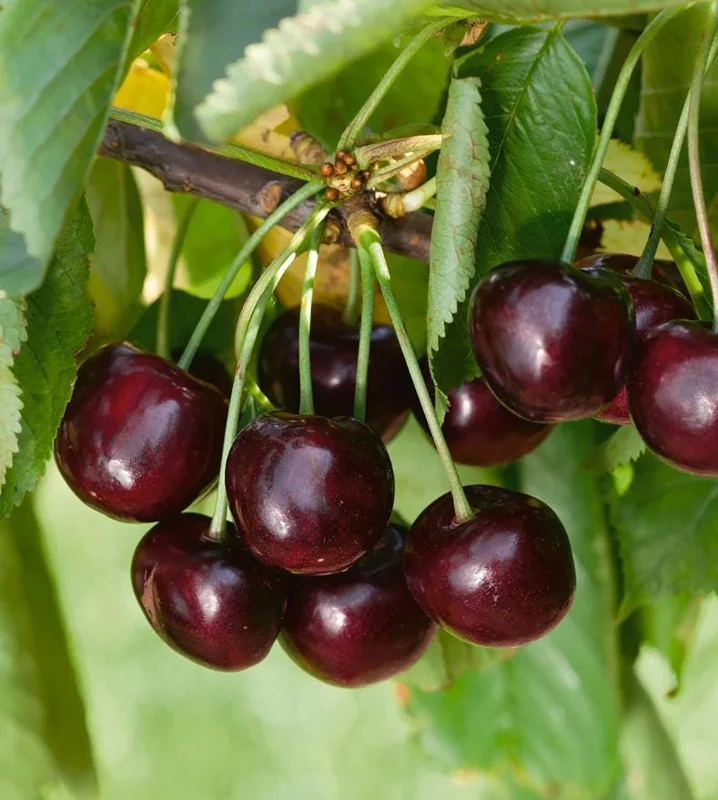
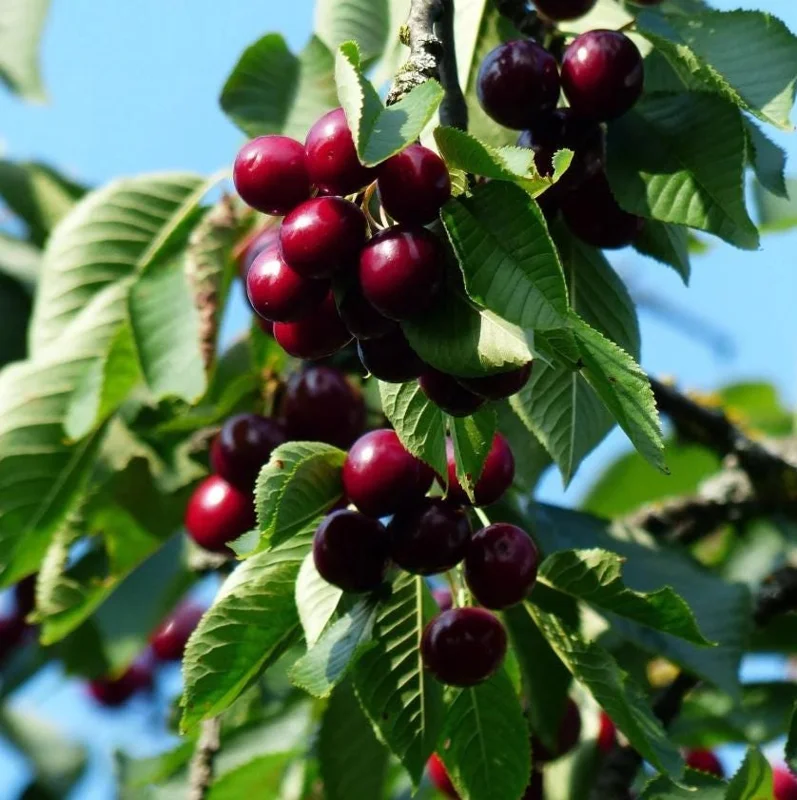
- Delicious Fruit Production: As the trees mature, they will produce an abundance of dark, edible cherries. These cherries are not only a treat for humans but also attract local wildlife, adding vitality to your garden ecosystem.
- Landscape Enhancement: With their potential to grow into sizable trees, Black Cherry trees provide shade, structure, and a natural aesthetic to your outdoor space, making them a focal point in any garden or landscape design.
- Wildlife Attraction: The flowers provide nectar for pollinators, and the ripe cherries are a valuable food source for birds and other wildlife, contributing to biodiversity in your garden.
- Adaptability and Hardiness: These trees are known for their ability to adapt to various outdoor garden environments and are generally robust once established, making them a reliable choice for many regions.
- Long-Term Investment: Planting bare root cherry trees is a long-term investment in your property, offering increasing beauty and yield year after year as they grow and mature.
- Easy to Establish: Shipped in their dormant bare root form, these trees are designed for easy planting and have a high success rate when given proper care during establishment.
Plant Care & Growing Tips
Ensuring the successful growth of your black cherry tree live plant requires attention to a few key environmental factors and consistent care. These trees thrive in specific conditions that promote healthy development and abundant fruit production. They are relatively low-maintenance once established but benefit from proper initial planting and ongoing care.
For optimal growth, Black Cherry trees require full sun, meaning at least 6-8 hours of direct sunlight per day. This is crucial for both their overall health and for maximizing fruit yield. Plant them in a location that receives ample sunlight throughout the day, away from competing trees or structures that might cast too much shade. They prefer well-drained soil; soggy conditions can lead to root rot. A loamy, slightly acidic to neutral soil (pH 6.0-7.0) is ideal. When planting your bare root cherry trees, amend the soil with compost to improve drainage and fertility. Water thoroughly after planting and keep the soil consistently moist but not waterlogged during the first year of establishment. Once established, they are more tolerant of drier conditions but will benefit from deep watering during prolonged dry spells.
Black Cherry trees are generally hardy in USDA Zones 3-9, making them suitable for a wide range of climates. Fertilize young trees sparingly in the spring with a balanced, slow-release fertilizer, following product instructions. Avoid over-fertilizing, which can promote leafy growth at the expense of fruit. Pruning should be done in late winter or early spring while the tree is still dormant to remove dead, damaged, or crossing branches and to shape the tree for better air circulation and light penetration. Watch out for common pests like aphids or cherry fruit flies, and diseases such as black knot or powdery mildew. Good cultural practices, including proper spacing and sanitation, can help prevent many issues. With consistent care, you will be able to successfully grow cherry trees that provide beauty and fruit for years to come.
Size & Details
This offering includes a set of two black cherry tree live plant starters, each approximately 2-3 feet tall upon arrival. They are shipped in a dormant bare root form, which means they will not have leaves when you receive them. This is the ideal stage for planting, as it minimizes transplant shock and allows the tree to focus its energy on root development once in the ground. These trees have a moderate to fast growth rate, typically adding 1-2 feet of height per year under ideal conditions. Mature Black Cherry trees can reach heights of 50-80 feet with a spread of 30-50 feet, so ensure they have ample space to grow in your landscape. Expect the trees to begin producing fruit within 5-7 years after planting, with increasing yields as they continue to mature. The prunus serotina plant is a long-lived species, providing decades of enjoyment and ecological benefits.
Frequently Asked Questions
- Q: How big does this plant get? A: Each black cherry tree live plant arrives 2-3 feet tall. At maturity, these trees can reach impressive heights of 50-80 feet with a spread of 30-50 feet, so plan your planting location accordingly to allow for their mature size.
- Q: Is this an indoor or outdoor plant? A: These are definitely outdoor fruit trees. Black Cherry trees require full sun and the natural conditions of an outdoor environment to thrive and produce fruit. They are not suitable for indoor cultivation.
- Q: How much sunlight does it need? A: Black Cherry trees perform best in full sun, meaning they need at least 6-8 hours of direct sunlight per day. Adequate sunlight is crucial for healthy growth and fruit production.
- Q: Is this plant easy to care for? A: Once established, Black Cherry trees are relatively low-maintenance. The most critical period is during the first year after planting, where consistent watering and proper site selection are key to their success. They are a good choice to grow cherry trees for gardeners of various skill levels.
- Q: What condition will it arrive in? A: Your trees will arrive as dormant bare root cherry trees. This means they will be shipped without soil and without leaves, which is a healthy and natural stage for transplanting and encourages strong root development.
- Q: When is the best time to plant? A: The best time to plant bare root Black Cherry trees is in early spring, after the danger of hard frost has passed, and before the trees begin to break dormancy. Fall planting is also possible in milder climates.
- Q: Will it survive winter in my zone? A: Black Cherry trees are hardy in USDA Zones 3-9. If your region falls within this range, your trees should successfully survive winter and return each spring.
- Q: How long until it blooms? A: While they are young, your trees may not bloom immediately. You can generally expect the first blossoms to appear within 3-5 years after planting, with more significant blooming and fruit production as the trees mature.
- Q: What kind of soil does it prefer? A: These trees prefer well-drained, fertile soil with a slightly acidic to neutral pH. Avoid heavy clay soils that retain too much moisture, as this can lead to root issues.
- Q: Are the cherries edible? A: Yes, the dark cherries produced by the prunus serotina plant are edible. They are often used in jams, jellies, pies, and other culinary applications.





Reviews
There are no reviews yet.