Overview
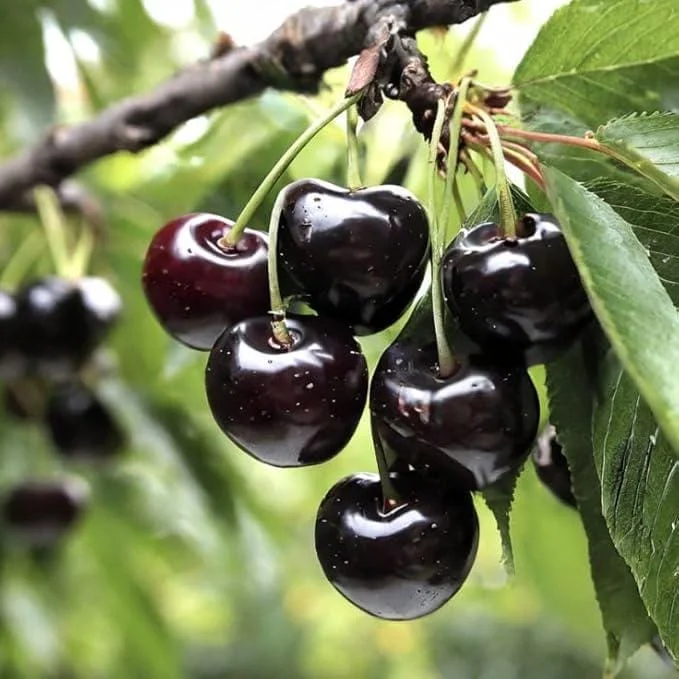
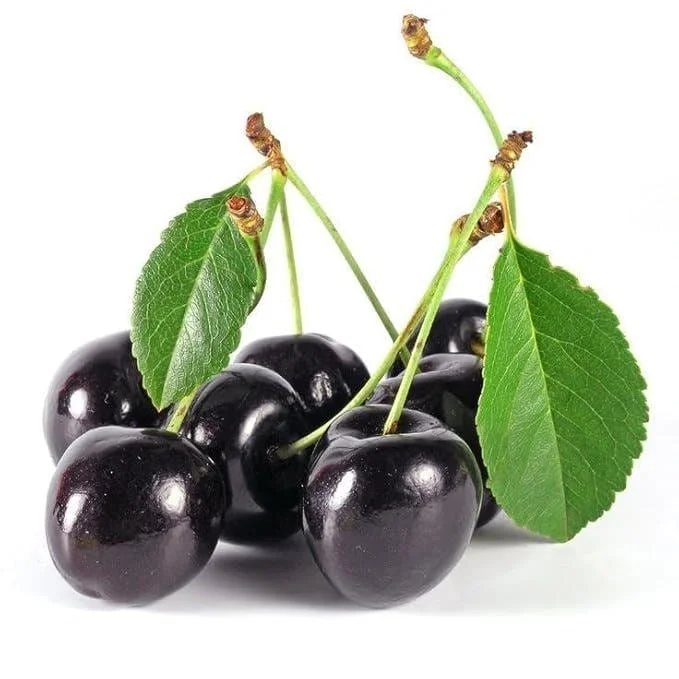
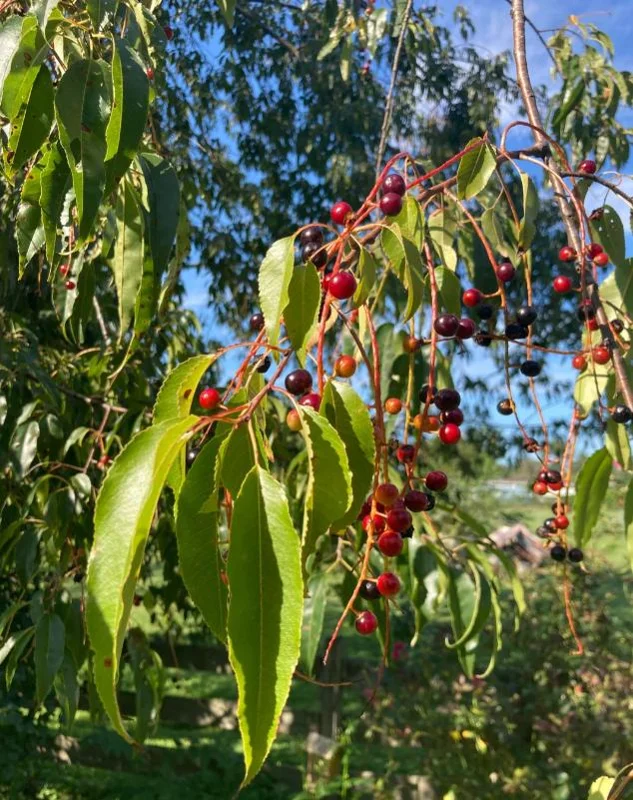
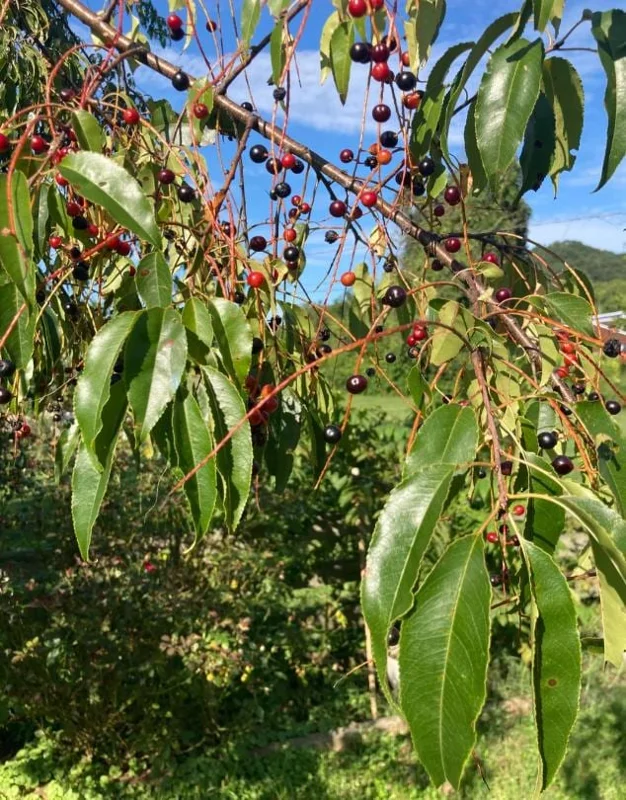
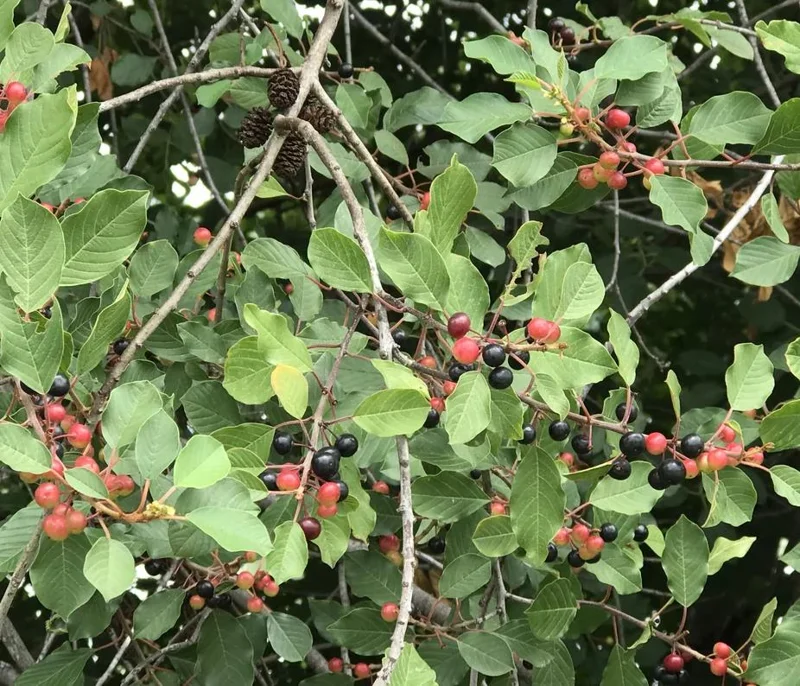
Embark on a rewarding gardening journey with these two black cherry trees, scientifically known as Prunus serotina. These hardy deciduous trees are celebrated for their dual appeal: providing a bountiful harvest of small, sweet, dark cherries and serving as an elegant landscape feature. Each order includes two live, dormant starter plants, measuring a healthy 2-3 feet tall, shipped without pots to ensure a smooth transition to your garden. Ideal for home orchards, wildlife habitats, or simply as ornamental additions, prunus serotina offers both visual beauty and delicious fruit. Planting these dormant fruit trees encourages rapid establishment and robust root development, setting the stage for years of enjoyment and a flourishing harvest of sweet cherry trees.
The black cherry trees are a fantastic choice for gardeners seeking a low-maintenance yet productive fruit-bearing specimen. Beyond their delectable fruit, they contribute significantly to local ecosystems by attracting birds and other wildlife, making them perfect for creating a vibrant, natural landscape. Their fragrant white blossoms in spring add a touch of elegance before yielding to the dark, succulent cherries in summer. These trees are not just about fruit; they are an investment in the aesthetic and ecological value of your outdoor space, providing shade and ornamental beauty as they mature.
Key Benefits
Adding black cherry trees to your property offers a multitude of advantages, both practical and aesthetic. These versatile plants are a cherished addition to any garden or landscape, providing beauty, sustenance, and ecological benefits.
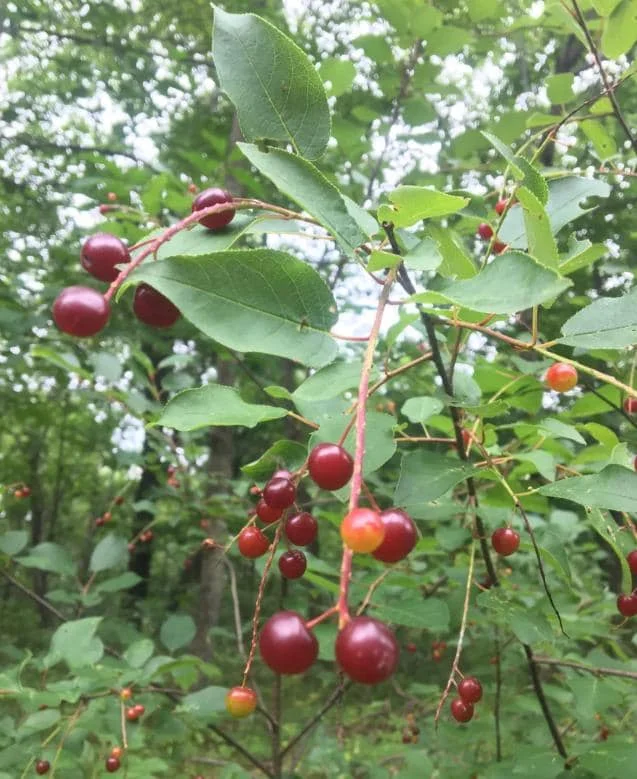
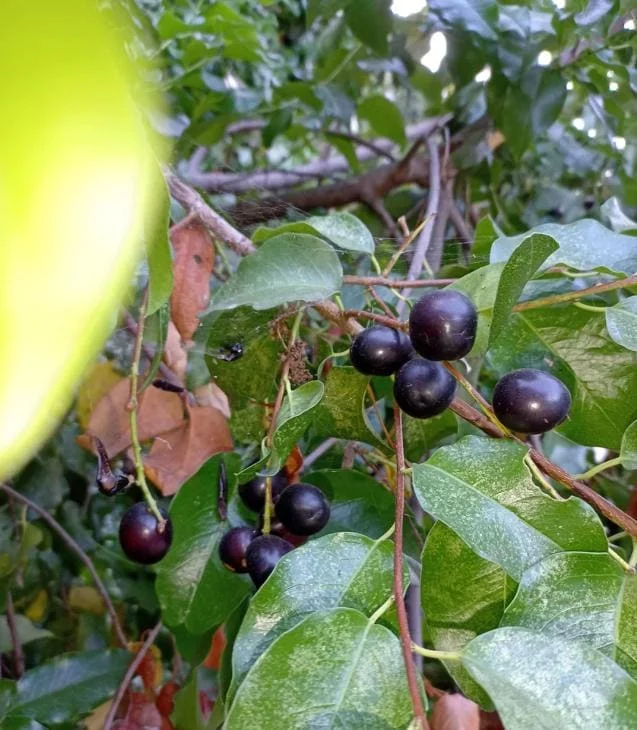
- Abundant Sweet Cherries: Enjoy a generous harvest of small, dark, sweet cherry trees perfect for fresh eating, baking, jams, and preserves. These delightful fruits are a summer treat directly from your garden.
- Beautiful Ornamental Value: Beyond their fruit, prunus serotina offers stunning fragrant white blossoms in spring, followed by attractive foliage and mature trees that provide excellent shade and visual appeal in your landscape.
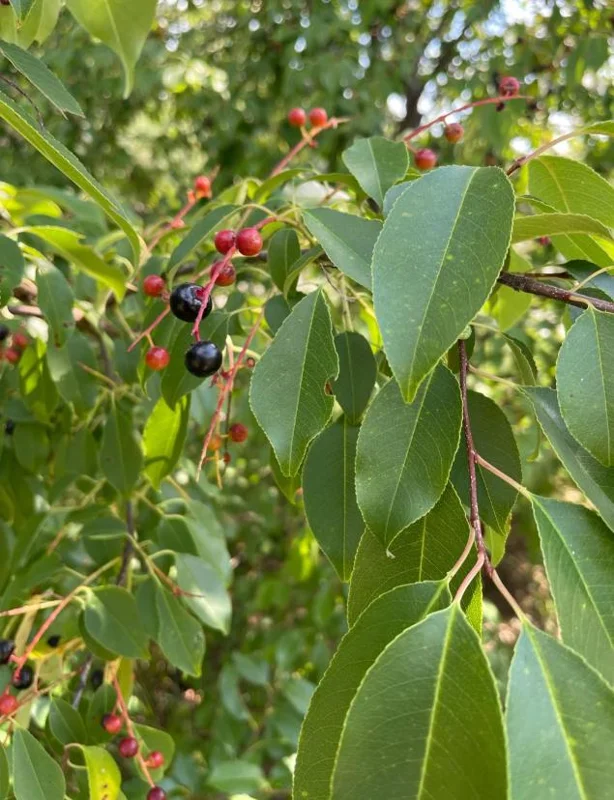
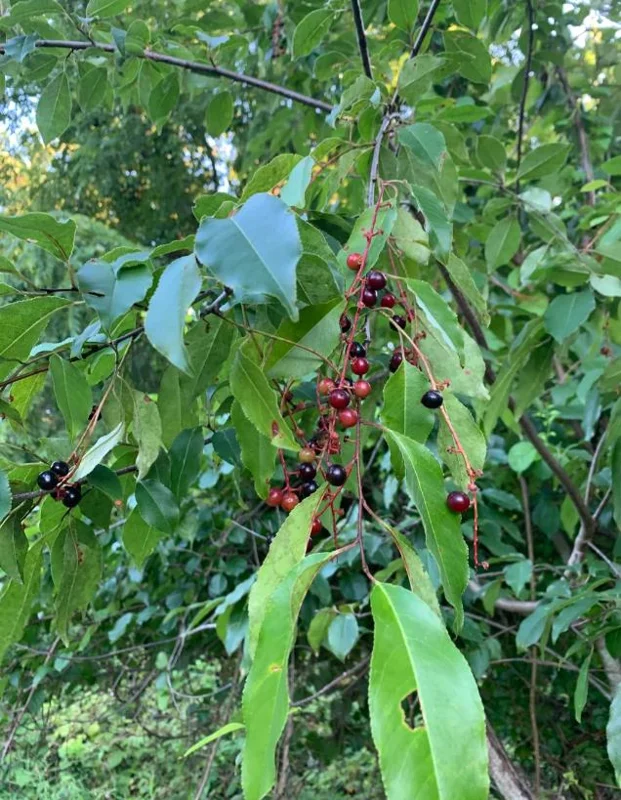
- Attracts Wildlife: The cherries are a natural food source for birds and other wildlife, making these trees an excellent choice for creating a biodiverse and lively garden ecosystem.
- Hardy and Adaptable: These dormant fruit trees are known for their resilience, thriving in USDA Zones 3–9, and adapting well to various soil conditions once established, making them suitable for many climates.
- Low Maintenance: Once established, black cherry trees are relatively easy to care for, requiring minimal attention compared to other fruit-bearing plants, ideal for both novice and experienced gardeners.
- Shipped Dormant for Success: Receiving plants in a dormant state ensures less transplant shock and allows them to focus energy on root development in their new environment, leading to stronger, healthier growth.
Plant Care & Growing Tips
Caring for your new black cherry trees is straightforward, ensuring they establish well and provide years of enjoyment. Upon arrival, plant your dormant trees as soon as possible. Choose a location that receives full sun to partial sun; at least 6 hours of direct sunlight daily is ideal for optimal fruit production. Ensure the soil is well-drained, as soggy roots can be detrimental. Amend heavy clay soils with organic matter to improve drainage and aeration. These robust sweet cherry trees thrive in a variety of soil types but prefer a slightly acidic to neutral pH.
Watering is crucial during the first few years after planting. Keep the soil consistently moist but not waterlogged, especially during dry spells. Once established, prunus serotina becomes more drought-tolerant. Fertilize in early spring with a balanced slow-release fertilizer designed for fruit trees, following package instructions. Pruning should be done in late winter or early spring while the tree is still dormant to remove dead or diseased branches, shape the tree, and encourage fruit production. Protecting young trees from pests and diseases through regular inspection and appropriate treatments will ensure their long-term health. Good cherry tree care sets them up for success.
Consider the USDA hardiness zones for your region when planting. Black cherry trees are hardy in Zones 3-9, meaning they can withstand a wide range of winter temperatures. Providing adequate space for growth is also important, as mature trees can reach significant sizes, offering ample shade and a grand presence in the landscape. Regular mulching around the base of the tree helps retain soil moisture, suppress weeds, and regulate soil temperature. With these care tips, your prunus serotina will flourish.
Size & Details
This order includes two live black cherry trees, each measuring approximately 2–3 feet tall at the time of shipment. These are dormant starter plants, meaning they will arrive without foliage, which is the optimal state for bare-root transplantation, minimizing stress and promoting strong root growth once planted. The trees are shipped without pots (bare root or with a wrapped root system) for safer transit and easier handling upon arrival. They are ready to be planted directly into your garden or orchard. Once established, these sweet cherry trees will grow to become mature specimens, providing not only delicious fruit but also significant shade and ornamental beauty. Expect fragrant white blossoms in spring, with cherries ripening in the summer months.
These dormant fruit trees are perfect for integrating into home orchards, edible landscapes, or wildlife gardens. The botanical name, Prunus serotina, signifies their classification within the cherry family. Their substantial height at maturity typically ranges from 50 to 80 feet, making them a long-term investment in your landscape. The exact growth rate can vary based on planting conditions and climate, but with proper care, they establish quickly and begin to thrive. The 2-3 ft height makes them easy to handle and plant, giving them a head start in their new environment.
Frequently Asked Questions
- Q: How big do these black cherry trees get? A: These black cherry trees are shipped at 2-3 feet tall. When mature, Prunus serotina can reach heights of 50-80 feet, providing substantial shade and a grand presence in your landscape.
- Q: What condition will the dormant fruit trees arrive in? A: Your dormant fruit trees will arrive without leaves, shipped bare root or with a wrapped root system, ready for planting. This dormant state is ideal for transplantation, reducing stress and encouraging strong root development.
- Q: Is this an indoor or outdoor plant? A: These black cherry trees are outdoor plants, ideally suited for planting in your garden, orchard, or natural landscape. They require ample space and sunlight to thrive.
- Q: How much sunlight does a black cherry tree need? A: Sweet cherry trees perform best in full sun to partial sun, meaning they need at least 6 hours of direct sunlight per day for optimal growth and fruit production.
- Q: When is the best time to plant these dormant fruit trees? A: The best time for cherry tree care and planting these dormant fruit trees is typically in early spring or late fall, when the plant is not actively growing. This allows the roots to establish before extreme temperatures.
- Q: What USDA Zones are suitable for these trees? A: These black cherry trees are hardy in USDA Zones 3–9, making them adaptable to a wide range of climates across the United States.
- Q: How long until these trees bear sweet cherries? A: While growth rates vary, sweet cherry trees typically begin to produce fruit within 3-5 years after planting, with increasing yields as they mature.
- Q: What kind of soil do black cherry trees prefer? A: Prunus serotina thrives in well-drained soil. While adaptable, they prefer slightly acidic to neutral soil, so amending heavy clay soils with organic matter can be beneficial.
- Q: Are these trees low maintenance? A: Yes, once established, these black cherry trees are relatively low maintenance. They are hardy and adaptable, making them a great choice for various garden settings.
- Q: Can I use the cherries for cooking? A: Absolutely! The sweet cherry trees produce fruit that is excellent for fresh eating, as well as for making jams, pies, and other culinary delights.





Reviews
There are no reviews yet.