Overview
Introduce a resilient and fast-growing addition to your landscape with this black locust tree bare root offering. You will receive two dormant black locust bare root seedlings, each measuring 6-12 inches tall, ready for planting. Known scientifically as Robinia pseudoacacia, this deciduous tree is celebrated for its rapid growth, fragrant white flowers, and exceptional hardiness. Ideal for a variety of uses, from erosion control to providing shade, the black locust is a versatile choice for gardeners looking for a low-maintenance yet impactful tree. These winter-hardy bare roots are an economical and effective way to establish this impressive species in your garden or property.
The black locust is a native North American tree that has adapted to thrive in challenging conditions. Its ability to fix nitrogen in the soil makes it beneficial for improving soil health, and its dense wood is highly valued. These robinia pseudoacacia seedlings are specifically selected to ensure a strong start, providing you with the foundation for a mature tree that can reach impressive heights and offer significant environmental benefits. Planting these bare roots in early spring or fall allows them to establish a strong root system before the stress of extreme temperatures.
Whether you’re starting a new garden, reforesting an area, or looking for a tough, beautiful shade tree, the black locust tree is an excellent option. Its adaptability and resistance to drought once established make it a smart choice for sustainable landscaping. These 6-12 inch seedlings represent a perfect starting size for easy handling and successful transplanting into their new home.
Key Benefits
Our black locust tree bare roots offer numerous advantages for any landscape project, combining aesthetic appeal with practical benefits:
- Rapid Growth: Experience quick establishment and noticeable growth, helping to fill out your landscape more rapidly than many other tree species.
- Exceptional Hardiness: These winter hardy trees are incredibly resilient, tolerating a wide range of temperatures and providing a reliable landscape element even in challenging climates.
- Drought Tolerance: Once established, the drought tolerant trees require minimal supplemental watering, making them an excellent choice for water-wise gardening and regions with drier summers.
- Soil Improvement: As a nitrogen-fixing legume, the black locust naturally enriches the soil, benefiting surrounding plants and improving overall soil health without the need for excessive fertilization.
- Erosion Control: The extensive root system of the black locust tree is highly effective at stabilizing soil, making it valuable for preventing erosion on slopes or disturbed land.
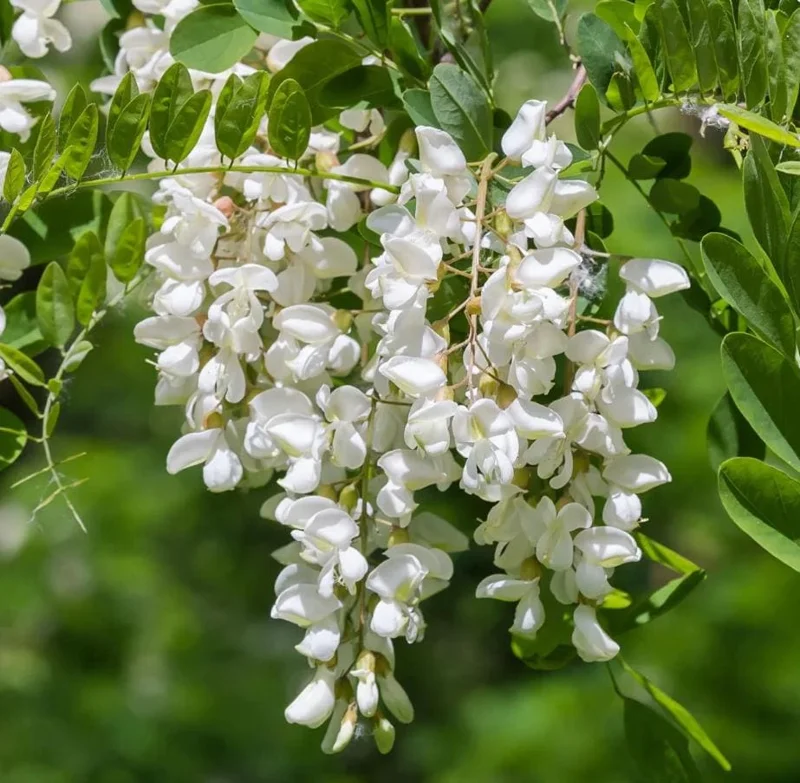
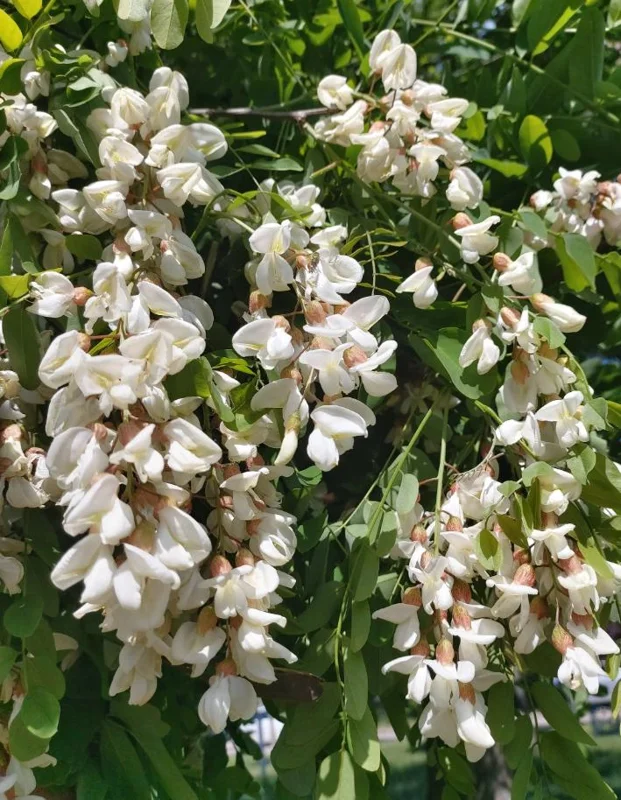
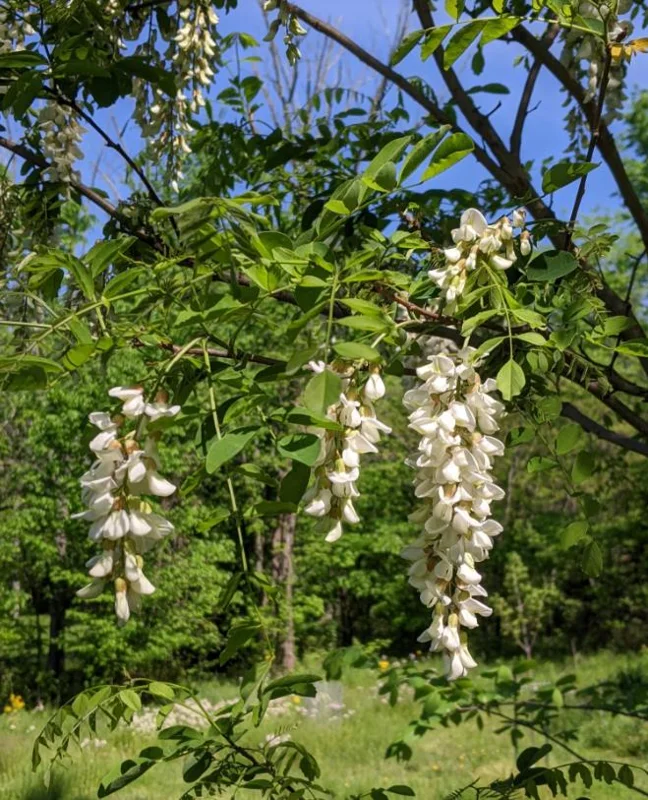
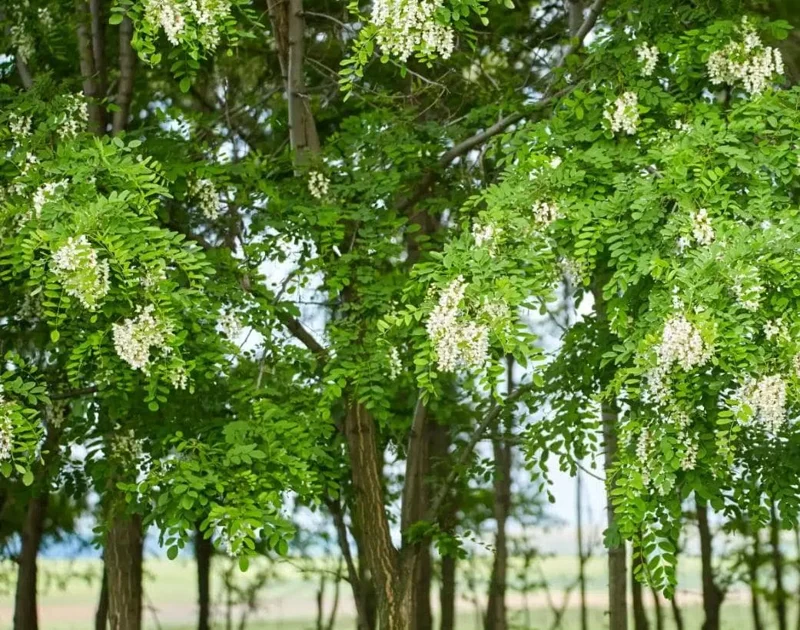
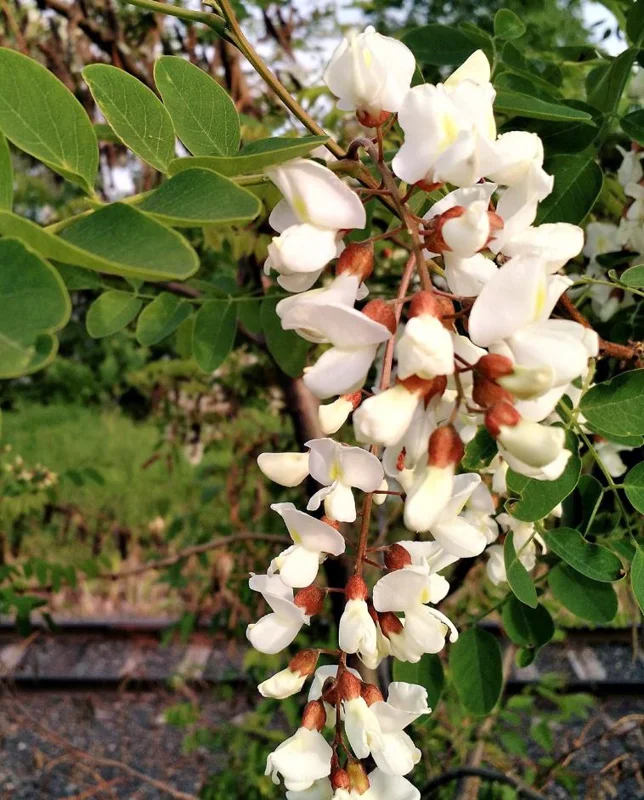
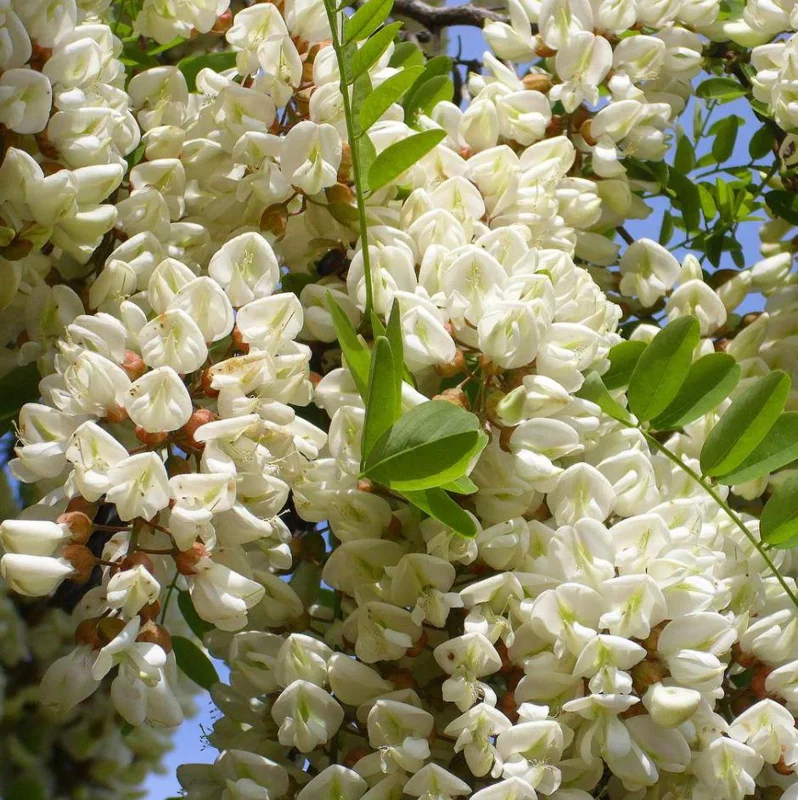
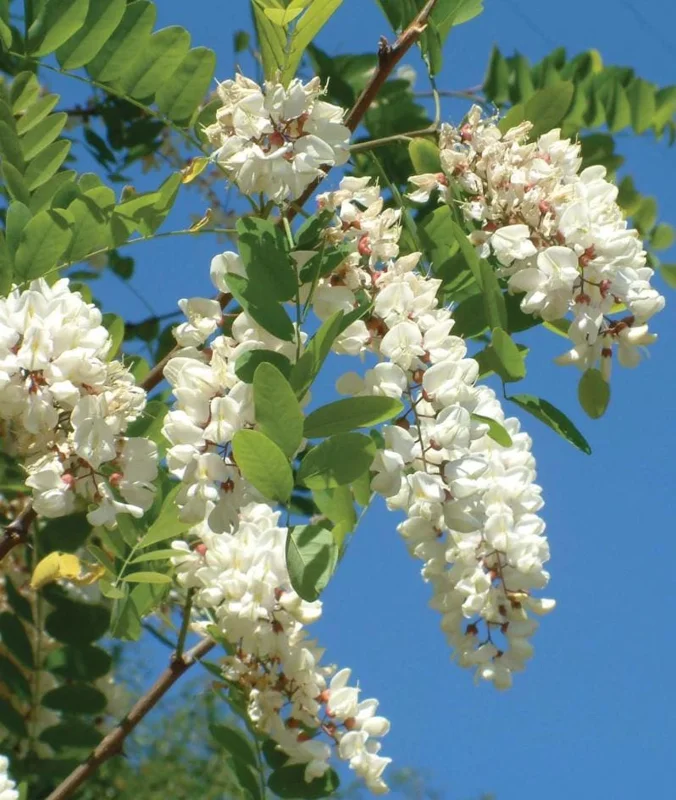
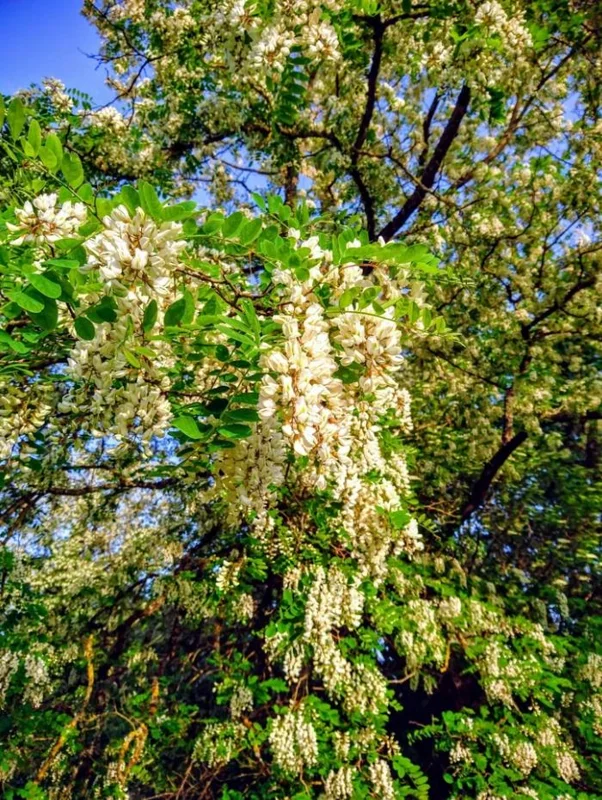
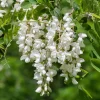
- Fragrant Blooms: Enjoy clusters of beautiful, fragrant white flowers in late spring to early summer, which are also attractive to pollinators like bees.
- Versatile Use: Suitable for use as shade trees, windbreaks, privacy screens, or as part of a reforestation effort, showcasing the versatility of these robinia pseudoacacia seedlings.
Plant Care & Growing Tips
To ensure successful growth of your black locust tree bare roots, proper planting and initial care are crucial. Plant your bare-root seedlings in early spring or fall when the tree is dormant. Choose a location that receives full sun, meaning at least 6 hours of direct sunlight daily. The black locust thrives in bright conditions and does not perform well in shady or overly wet environments. Adequate sunlight is key for robust growth and flowering.
Regarding soil, the black locust is remarkably adaptable. It tolerates a wide range of soil types, including poor, rocky, and alkaline conditions. However, it prefers well-drained soil. Avoid heavy clay or excessively moist soils, as these can hinder root development and lead to issues. When planting, dig a hole that is twice as wide as the root ball and ensure the seedling is planted at the same depth it was previously growing. After placing the seedling, backfill with soil and water thoroughly to settle the soil around the roots. If you are planting multiple black locust bare root trees, space them 20-40 feet apart to accommodate their mature size and spreading root systems.
For the first two years after planting, regular watering is essential to help establish a deep and strong root system. Water deeply and consistently, especially during dry periods. Once established, the black locust tree becomes highly drought-tolerant and will require little to no supplemental watering, making it a truly low-maintenance option. Fertilization is generally not required due to its nitrogen-fixing capabilities, particularly in average to poor soils. Monitor for common pests or diseases, though black locusts are generally quite resistant. Pruning can be done in late winter or early spring to shape the tree and remove any dead or crossing branches. These winter hardy trees are generally very resilient once established.
Size & Details
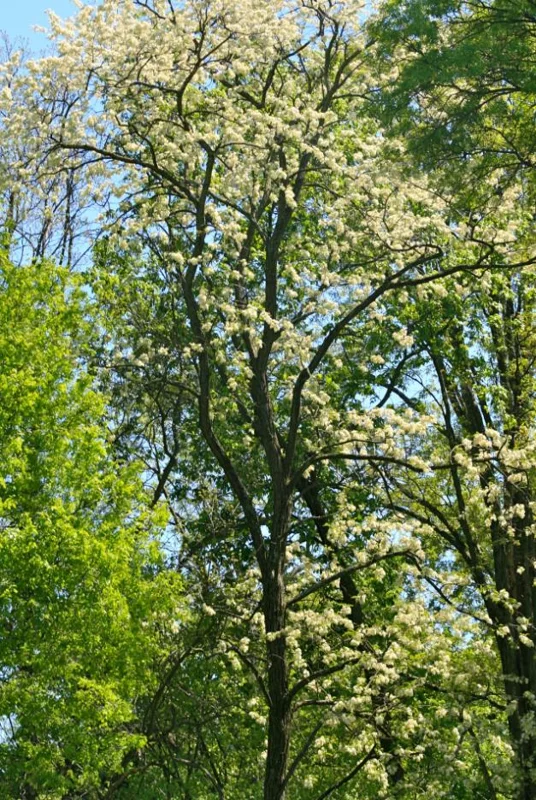
This offering includes a set of two black locust tree bare root live plants. Each dormant seedling measures between 6 to 12 inches tall, providing a manageable size for easy planting and transportation. These bare roots are shipped without soil or a pot, allowing for direct planting into the ground upon arrival. The Robinia pseudoacacia is known for its fast growth rate, often growing several feet per year when conditions are favorable. Expect these seedlings to develop into mature trees that can reach heights of 30-50 feet with a spread of 20-30 feet, forming an attractive, open canopy. The bare root form ensures that the plant’s energy is focused on root development once planted, leading to a strong start. These robinia pseudoacacia seedlings are prepared for optimal transplant success.
Frequently Asked Questions
- Q: How big do these black locust tree bare roots get? A: Each seedling is 6-12 inches tall when shipped. Once established, a mature black locust tree can reach heights of 30-50 feet with a spread of 20-30 feet, growing quite rapidly in ideal conditions.
- Q: Is this an indoor or outdoor plant? A: The black locust tree is an outdoor plant. It requires full sun and is a large deciduous tree best suited for landscapes, gardens, or reforestation projects.
- Q: How much sunlight does the black locust tree need? A: Black locust trees thrive in full sun, meaning they need at least 6 hours of direct sunlight daily for optimal growth and health. They do not tolerate shady conditions well.
- Q: Is this plant easy to care for? A: Yes, the black locust is considered a very easy-care tree, especially once established. It is known for its adaptability, drought tolerance, and minimal maintenance requirements, making it a great choice for both beginners and experienced gardeners.
- Q: What condition will the black locust bare root arrive in? A: Your black locust bare root seedlings will arrive dormant, without soil or a pot. This is the ideal state for bare root planting, allowing the tree to focus its energy on root growth once planted.
- Q: When is the best time to plant black locust bare roots? A: The best time to plant these bare root seedlings is in early spring or fall when the tree is dormant. This allows the roots to establish before the stress of summer heat or winter cold.
- Q: Will these black locust tree bare roots survive winter in my zone? A: Yes, winter hardy trees like the black locust are known for their excellent cold tolerance. They are typically hardy in USDA Zones 4-9, making them suitable for a wide range of climates across the US.
- Q: What kind of soil does the black locust tree prefer? A: While adaptable to many soil types, the black locust prefers well-drained soil. It can tolerate poor, rocky, and alkaline soils, but heavy clay or excessively moist conditions should be avoided.
- Q: How long until the black locust tree blooms? A: Black locust trees typically begin to bloom within 3-5 years after planting, depending on growing conditions and care. They produce fragrant white flowers in late spring to early summer.
- Q: Are black locust trees considered drought tolerant? A: Absolutely. Once established, drought tolerant trees like the black locust are highly resistant to dry conditions and require very little supplemental watering, making them a sustainable landscape choice.




Reviews
There are no reviews yet.