Overview
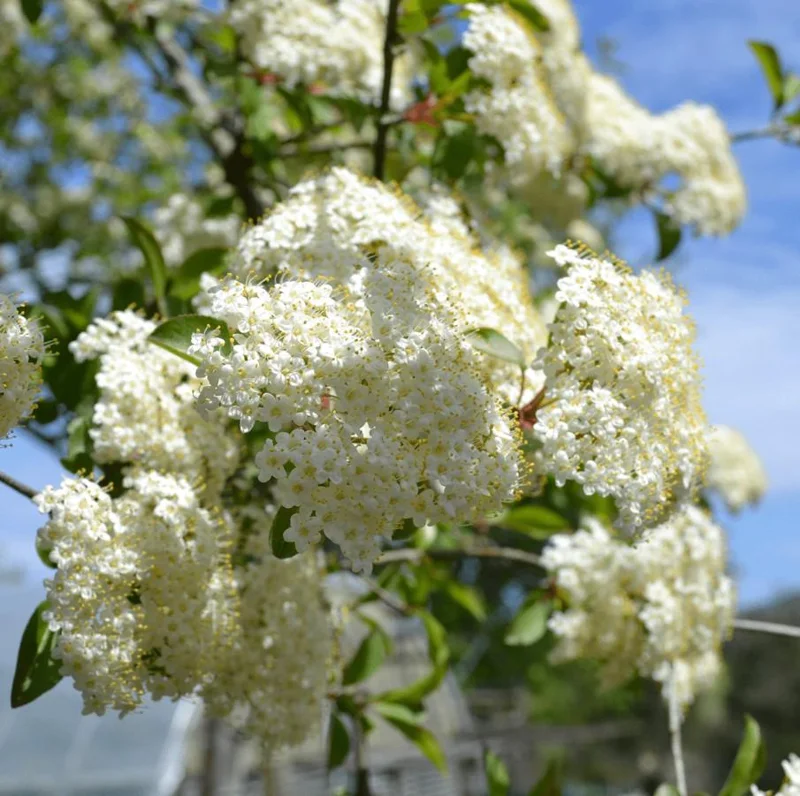
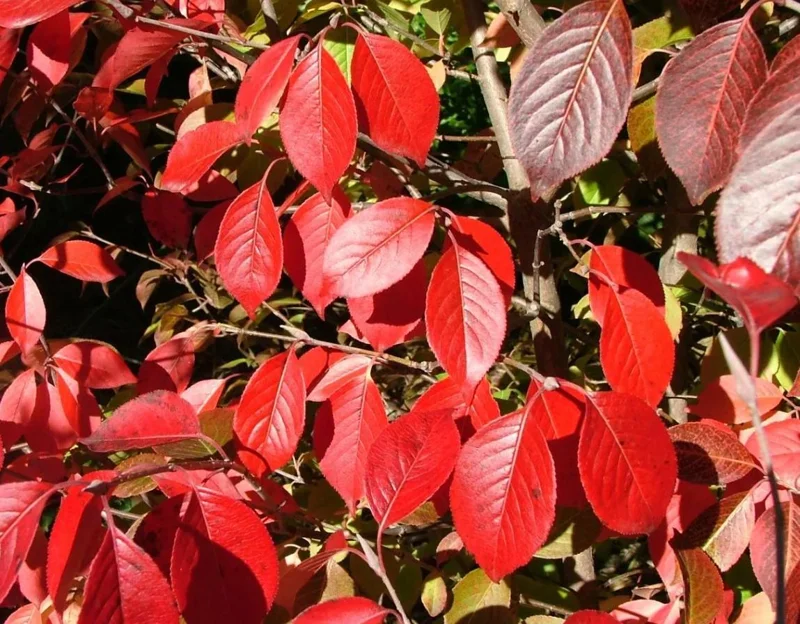
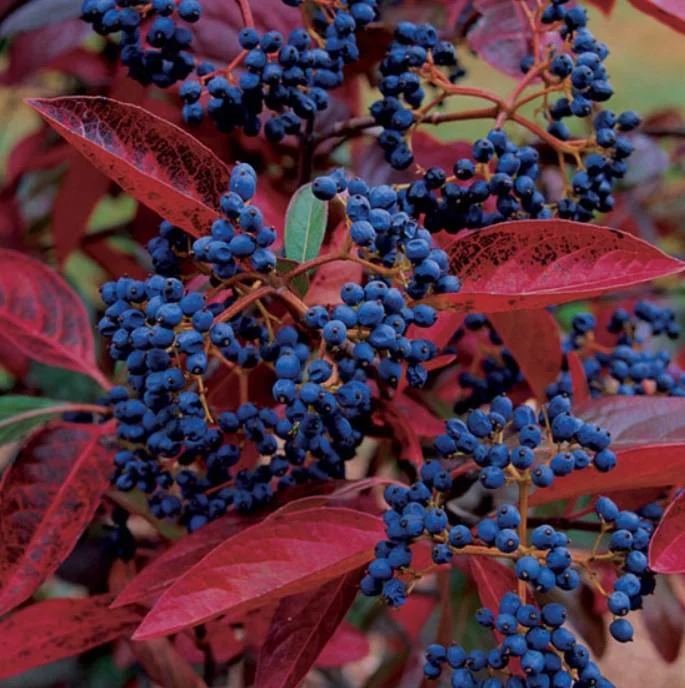
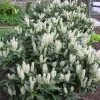
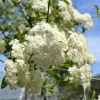
The Blackhaw Viburnum live plant, scientifically known as Viburnum prunifolium, is a remarkable deciduous shrub or small tree native to the Eastern and Central United States. Revered for its multi-season appeal, this plant offers a dynamic display in any garden. In spring, it bursts forth with delicate clusters of creamy white flowers, creating a soft, inviting atmosphere. As the seasons progress, these blossoms give way to attractive bluish-black berries, which are a favorite food source for various bird species, making it an excellent choice for wildlife gardens. Beyond its reproductive cycle, the foliage of the Blackhaw Viburnum live plant transforms into breathtaking shades of red and purple in the fall, providing a vibrant spectacle before winter dormancy. This robust plant is not only aesthetically pleasing but also contributes significantly to local ecosystems, supporting pollinators and wildlife.
Historically, Viburnum prunifolium has also held significance in traditional herbal medicine, with its bark being utilized for various purposes. Today, it is primarily valued for its ornamental qualities and ecological benefits. Whether you’re looking to establish a natural screen, enhance a hedgerow, or simply add a resilient and beautiful native plant to your landscape, the Blackhaw Viburnum live plant is a superb selection. It adapts well to a range of conditions, ensuring a rewarding growing experience for gardeners of all levels.
Key Benefits
Adding a Blackhaw Viburnum live plant to your garden offers a multitude of advantages, enhancing both the beauty and ecological value of your outdoor space. This versatile shrub provides continuous interest throughout the year.
- Multi-Season Visual Appeal: Enjoy beautiful clusters of creamy white flowers in spring, followed by attractive bluish-black berries, and finally, stunning red and purple fall foliage. The changing colors provide dynamic garden interest.
- Attracts Wildlife: The berries are a vital food source for birds, while the spring flowers attract pollinators, making it an excellent addition for creating a thriving wildlife habitat.
- Low Maintenance & Hardy: Once established, this shrub is relatively low-maintenance and highly adaptable, tolerating a wide range of soil types and temperatures, making Viburnum prunifolium care straightforward for gardeners.
- Native Plant Benefits: As a native species to North America, it is well-suited to local climates and soils, requiring less intervention and contributing positively to biodiversity.
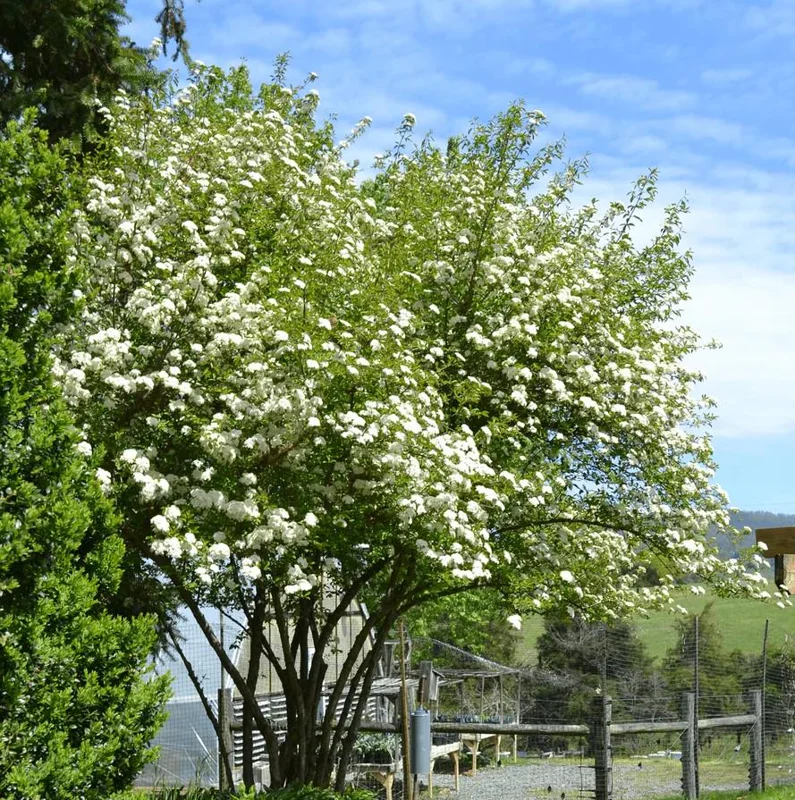
- Versatile Landscaping Use: Perfect for creating natural screens, hedgerows, or as a specimen plant. Its moderate size makes it suitable for various garden designs.
- Drought Tolerant: Established plants demonstrate good drought tolerance, reducing the need for frequent watering, especially in warmer climates.
- Traditional Significance: Beyond its beauty, the plant has a history of use in herbal medicine, adding another layer of interest to this remarkable shrub.
Plant Care & Growing Tips
Caring for your Blackhaw Viburnum live plant is generally straightforward, making it an excellent choice for both novice and experienced gardeners. This resilient shrub thrives with proper siting and basic attention. It prefers a location that receives full sun to partial shade; for the best flowering and fruiting display, aim for at least six hours of direct sunlight daily. While tolerant of various soil conditions, it performs optimally in well-drained loam with a pH between 5.5 and 7.5. Ensuring good drainage is crucial to prevent root rot. If your soil is heavy clay, consider amending it with organic matter to improve aeration and drainage before planting.
When it comes to watering, consistent moisture is key during the first year after planting to help the root system establish. Once established, this native Viburnum shrub becomes moderately drought-tolerant, though it will benefit from supplemental watering during prolonged dry spells. Planting is best done in early spring or fall, allowing the roots ample time to settle before extreme temperatures. For hedgerows or screens, space plants 8–10 feet apart to allow for mature growth. Pruning is typically minimal, focused on removing dead or diseased branches, or shaping the plant to maintain its desired form. Fertilization is generally not necessary in rich soils, but a balanced slow-release fertilizer can be applied in spring if growth appears sluggish. Monitoring for common pests and diseases is always a good practice, though Viburnum prunifolium is generally robust.
Size & Details
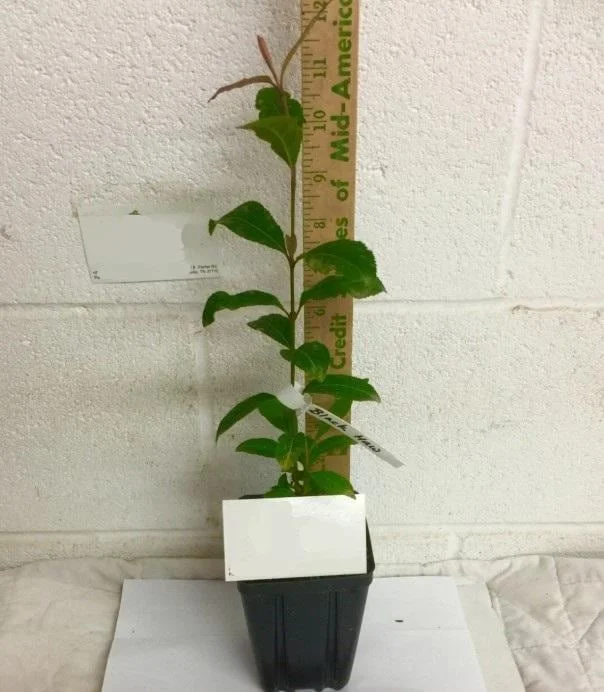
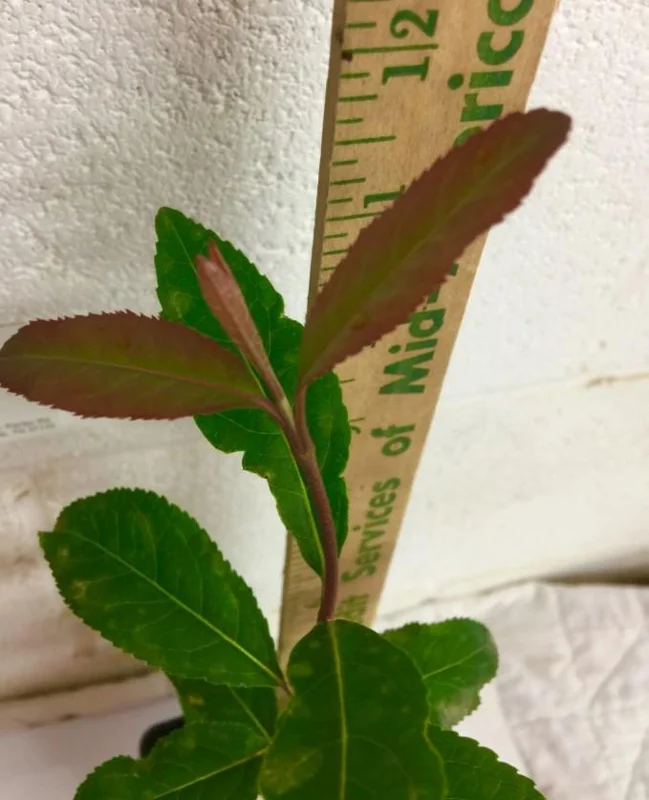
This Blackhaw Viburnum live plant is typically supplied as a young specimen, measuring 6-12 inches tall and rooted in a 4-inch nursery pot. This size is ideal for transplanting, allowing the plant to quickly establish in its new environment. The Blackhaw Viburnum, also known for its strong Blackhaw Viburnum growing habits, will eventually mature into a deciduous shrub or small tree, reaching heights of 10-15 feet with a similar spread. Its growth rate is moderate, meaning it will establish and fill out your garden space at a steady pace. The exact size at maturity can vary based on growing conditions, sunlight, and pruning practices.
Your plant will arrive with its roots carefully wrapped with a bit of soil and moist newspaper, secured in a plastic bag to ensure optimal hydration during transit. This method helps maintain the health and vigor of the plant, ready for immediate planting upon arrival. While the main root may occasionally be trimmed during digging for larger, more developed root systems, this practice encourages healthy new growth. Expect to see the characteristic white bloom clusters in spring and the bird-attracting berries in late summer to fall, followed by its distinctive fall foliage. This hardy plant is suitable for USDA Zones 3-9.
Frequently Asked Questions
- Q: How tall will my Blackhaw Viburnum live plant grow? A: A Blackhaw Viburnum live plant typically grows into a deciduous shrub or small tree, reaching a mature height of 10-15 feet with a similar spread. Its ultimate size can depend on growing conditions and whether you prune it.
- Q: What size pot does this plant come in? A: This plant is shipped in a 4-inch pot, and measures between 6-12 inches tall. This size is perfect for transplanting directly into your garden or a larger container.
- Q: Is this an indoor or outdoor plant? A: The Blackhaw Viburnum is an outdoor deciduous shrub. It is winter hardy and designed to thrive in garden settings, providing seasonal interest with its flowers, berries, and fall foliage.
- Q: How much sunlight does it need? A: For optimal growth, flowering, and fruiting, the native Viburnum shrub prefers full sun to partial shade, meaning at least 4-6 hours of direct sunlight per day.
- Q: Is this plant easy to care for? A: Yes, Viburnum prunifolium care is considered relatively easy. Once established, it is quite adaptable and drought-tolerant, making it a good choice for gardeners seeking a low-maintenance, yet rewarding, plant.
- Q: What condition will it arrive in? A: Your plant will be freshly dug, with roots wrapped in moist material and secured in a plastic bag to ensure it arrives healthy and vigorous, ready for planting.
- Q: When is the best time to plant a Blackhaw Viburnum? A: The best times for planting are early spring or fall. This allows the plant to establish its root system before facing the stress of summer heat or winter cold, promoting strong Blackhaw Viburnum growing.
- Q: Will it survive winter in my zone? A: Yes, the Blackhaw Viburnum is very hardy and thrives in USDA Zones 3-9, tolerating both cold winters and hot summers. It is a reliable choice for a wide range of climates.
- Q: Are the berries on the Blackhaw Viburnum edible for humans? A: While the berries are a favorite food for birds and wildlife, they are generally considered to have a mild, tart flavor and are not commonly eaten by humans. They are primarily ornamental and beneficial for wildlife.
- Q: Can I use this plant for a hedge or screen? A: Absolutely! The Blackhaw Viburnum is an excellent choice for hedgerows, natural screens, and native landscaping. Its dense foliage and moderate size create an effective buffer.



Reviews
There are no reviews yet.