Overview
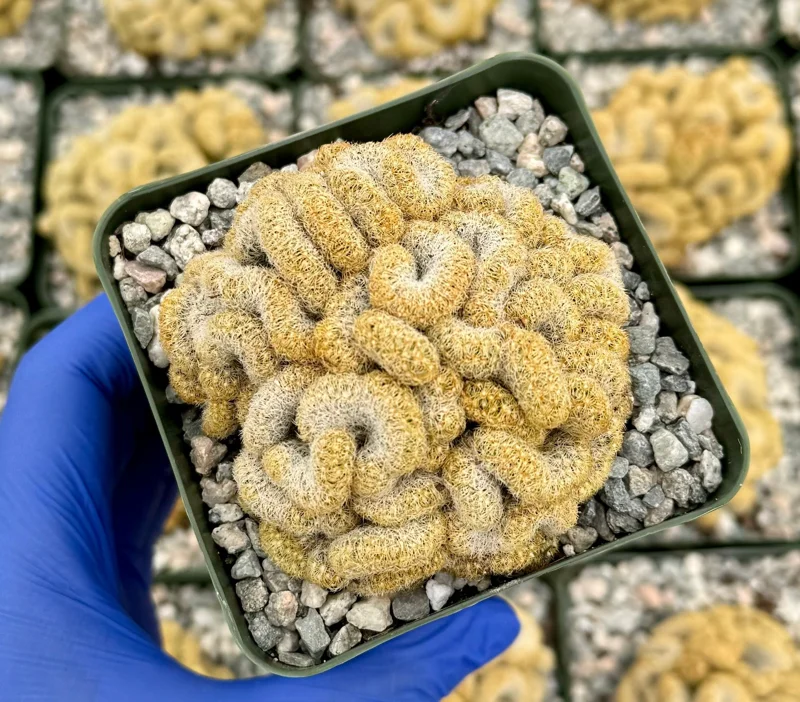
Introduce a truly captivating specimen to your collection with the brain cactus live plant, scientifically known as Mammillaria elongata ‘Cristata’. This extraordinary succulent stands out with its intricate, crested growth, which gives it the appearance of convoluted brain folds, making it a conversation starter and a visual delight. Originating from a natural mutation called cristation or fasciation, this rare form of Mammillaria elongata is highly sought after by succulent enthusiasts and collectors. Its distinctive structure and relatively easy care make it an excellent choice for both experienced plant parents and those new to the world of cacti. This particular brain cactus live plant is a fantastic addition to any home or office.
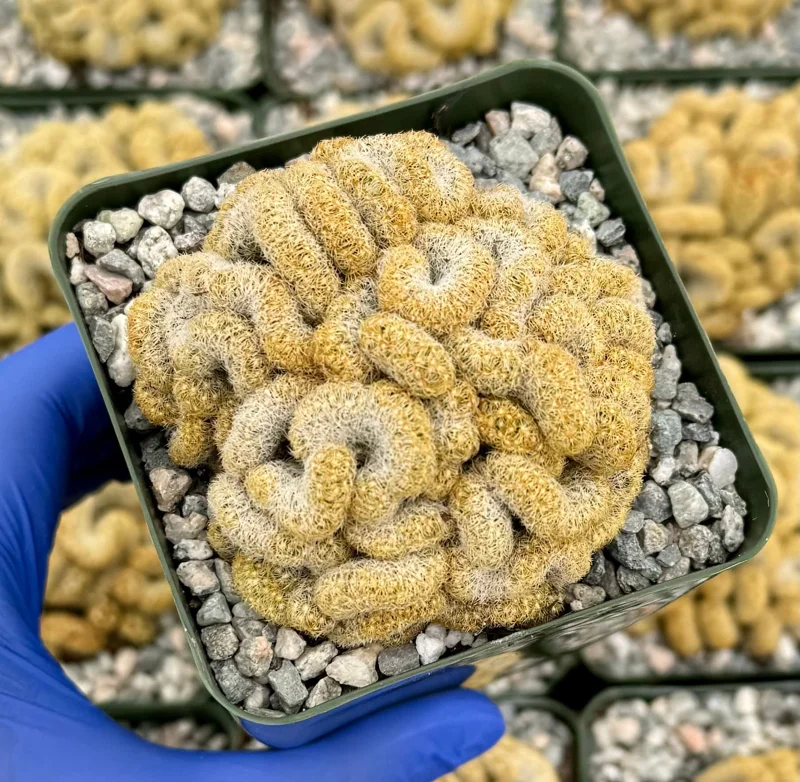
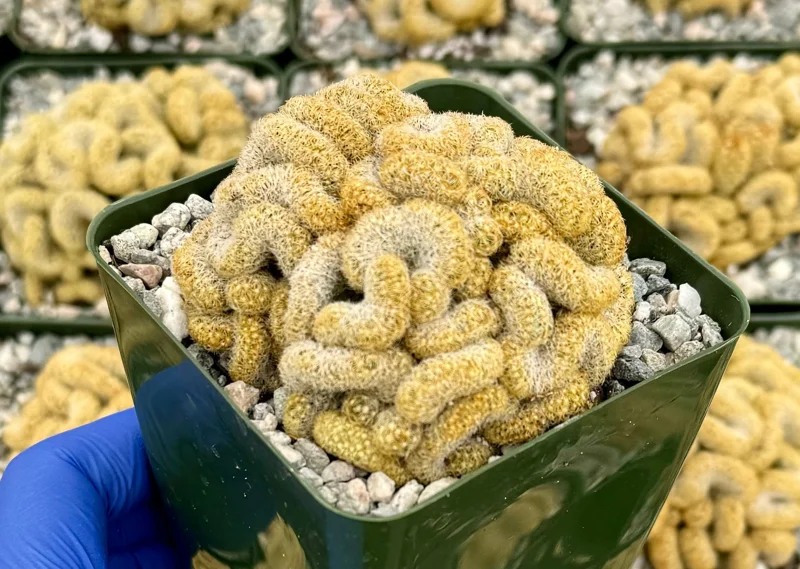
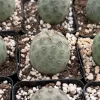
The Mammillaria elongata ‘Cristata’ is characterized by dense clusters of small, cylindrical stems that twist and curve in various directions, forming its unique brain-like ridges. These stems are adorned with tiny, overlapping tubercles, each tipped with a cluster of short, golden to brownish spines that add to its textured appeal. As a live plant, it offers not just aesthetic value but also the joy of nurturing a truly unique botanical wonder. Its compact size makes it suitable for windowsills, desks, or as part of a larger succulent arrangement, bringing a touch of the desert’s mystique into your home. This is an exceptional succulent collector plant.
Key Benefits
The brain cactus live plant offers a multitude of benefits, making it an excellent addition to any plant collection. Its unique appearance and ease of care contribute to its widespread appeal:
Unique Aesthetic Appeal: The primary benefit of the Mammillaria elongata ‘Cristata’ is its highly unusual and striking appearance. Its brain-like convolutions create an instant focal point and add an architectural element to any indoor or outdoor space. This rare crested cactus is unlike typical cacti, ensuring it stands out.
Low Maintenance: As a succulent, the brain cactus live plant is incredibly forgiving and requires minimal attention. It thrives on neglect, making it perfect for busy individuals or those new to plant care. Its drought-tolerant nature means less frequent watering, making it an easy care cactus.
Drought Tolerant: Adapted to arid environments, this cactus can withstand long periods without water. This characteristic makes it a resilient plant that can survive even if you occasionally forget to water it, reducing the stress of plant ownership.
Compact Size: Growing into a relatively small and manageable size, the Mammillaria elongata ‘Cristata’ is ideal for small living spaces, office desks, or windowsills where space is limited. It won’t outgrow its spot quickly, maintaining its charming proportions.
Collector’s Item: Due to its crested mutation, this is considered a succulent collector plant, making it a prized possession for succulent and cactus collectors. Owning one adds prestige and diversity to a specialized plant collection.
Air Purification: Like many plants, the brain cactus contributes to better indoor air quality by absorbing toxins and releasing oxygen, albeit to a lesser extent than larger, leafy plants. It helps create a fresher indoor environment.
Stress Reduction: The act of caring for plants, even low-maintenance ones like the Mammillaria elongata ‘Cristata’, has been shown to reduce stress and improve overall well-being. Its unique form can also be a calming visual presence.
Plant Care & Growing Tips
Caring for your brain cactus live plant is straightforward, making it an excellent choice for both beginners and experienced gardeners. The key to its health lies in replicating its natural desert habitat as closely as possible. Provide bright, indirect light, and ensure proper watering to prevent common issues. This plant is hardy and resilient, thriving with minimal intervention once its basic needs are met. Understanding mammillaria elongata cristata care is key to its longevity.
For sunlight, the Brain Cactus thrives in bright, indirect light and can tolerate some direct sunlight, especially in the morning. However, too much intense direct sun, particularly in hot climates, can cause sunburn, leading to discolored patches. It’s best to provide filtered light or partial shade during the hottest parts of the day. If growing indoors, a south- or west-facing window with a sheer curtain is often ideal. When it comes to watering, less is more. This cactus prefers well-draining soil and should be watered sparingly. Water thoroughly when the soil is completely dry to the touch, typically every few weeks during the growing season (spring and summer). Ensure that excess water can drain away freely to prevent root rot. Reduce watering significantly in the fall and winter when the plant is dormant; at this time, it might only need water once a month or even less.
The ideal soil for Mammillaria elongata ‘Cristata’ is a well-draining cactus or succulent mix, which typically includes sand, perlite, or pumice to enhance drainage. A slightly acidic to neutral pH is preferred. Regarding temperature, this cactus prefers warm conditions, ideally between 60-80°F (15-27°C). It can tolerate cooler temperatures down to about 40°F (4°C) but should be protected from frost. The USDA hardiness zone for this succulent is generally 9-11. Fertilization is not heavily required; a balanced, diluted succulent fertilizer can be applied once or twice during the growing season. For specific guidance on mammillaria elongata cristata care, observing your plant’s response to its environment is crucial. Common problems include overwatering leading to root rot, or insufficient light causing etiolation (stretching). Addressing these issues promptly will ensure a healthy, thriving rare crested cactus.
Size & Details
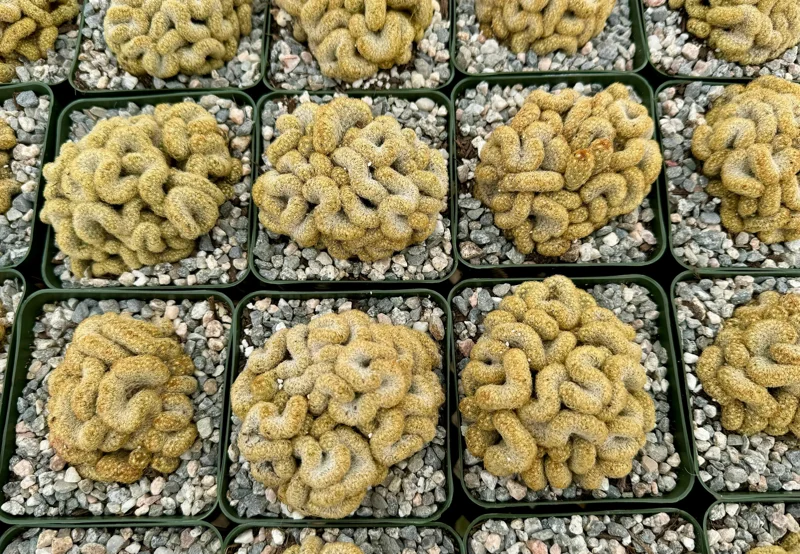
This brain cactus live plant is typically shipped in a 4 inch nursery pot, ready for you to enjoy. At this stage, it presents a compact and intricate form, with its characteristic brain-like ridges already well-developed. The overall height and width of the plant in its pot will generally be around 4-6 inches, making it a perfect size for immediate display on a windowsill, desk, or shelf. The growth rate of Mammillaria elongata ‘Cristata’ is moderate; it will slowly expand its crested form, becoming denser and more convoluted over time, adding to its unique appeal. These plants are carefully selected to ensure a healthy and robust specimen upon arrival. Each plant is a unique expression of nature’s artistry, showcasing slight variations in cresting patterns.
When you receive your brain cactus, it will be a fully rooted, established specimen, ready to be placed in its new home. While it is presented in a nursery pot, you may choose to repot it into a decorative container of your choice, ensuring the new pot also has excellent drainage. The plant’s mature size generally remains compact, typically reaching about 6 inches in height and 8-12 inches in width over several years, making it a long-term, captivating addition to your collection. The spines are typically golden to brownish, adding subtle color and texture to the green crested body. This succulent collector plant is truly a living sculpture that will continue to grow and evolve.
Frequently Asked Questions
Q: How big does this brain cactus live plant get? A: This Brain Cactus typically remains compact, usually reaching about 6 inches in height and 8-12 inches in width over several years. Its unique crested growth habit means it expands horizontally more than vertically, forming a dense, brain-like mound, making it an excellent easy care cactus.
Q: What size pot does it come in? A: The brain cactus live plant is typically shipped in a 4 inch nursery pot, providing a stable environment for its roots and making it ready for display or repotting into a decorative container.
Q: Is this an indoor or outdoor plant? A: The Brain Cactus can be grown both indoors and outdoors, depending on your climate. It thrives as an indoor brain cactus in most regions, especially where temperatures drop below freezing. In USDA zones 9-11, it can be grown outdoors in a protected spot.
Q: How much sunlight does it need? A: It prefers bright, indirect light. While it can tolerate some direct morning sun, it should be protected from intense afternoon sun to prevent sunburn. Filtered light or partial shade is ideal, particularly in hot climates.
Q: Is this plant easy to care for? A: Yes, the Mammillaria elongata ‘Cristata’ is considered low maintenance and relatively easy to care for, making it suitable for beginners. Its drought-tolerant nature means it doesn’t require frequent watering, and its primary needs are good light and well-draining soil. It is truly an easy care cactus.
Q: What condition will it arrive in? A: Your rare crested cactus will arrive as a healthy, live plant in its nursery pot, carefully packaged to minimize stress during transit. It will be a fully rooted and established specimen, ready to thrive in its new home.
Q: Is it shipped in soil? A: Yes, the Brain Cactus will be shipped securely in its nursery pot with its established soil, ensuring minimal disruption to its root system and health upon arrival.
Q: Will it survive winter in my zone? A: If you are in USDA zones 9-11, it can likely survive mild winters outdoors with some protection. In colder zones, it is best to bring your crested cactus plant indoors before temperatures drop below 40°F (4°C) to protect it from frost.
Q: How often should I water my Brain Cactus? A: Water thoroughly only when the soil is completely dry. This usually means every few weeks during the growing season (spring and summer) and significantly less often, perhaps once a month, during its dormant period in fall and winter.
Q: What kind of soil is best for mammillaria elongata cristata care? A: A well-draining cactus or succulent potting mix is essential. This type of soil usually contains ingredients like sand, perlite, or pumice to prevent water retention and ensure proper aeration for the roots.






Reviews
There are no reviews yet.