Overview
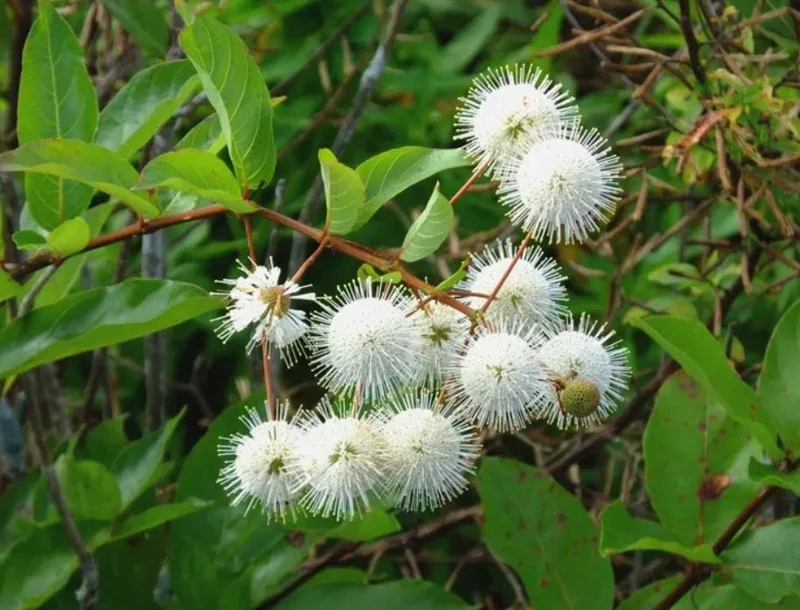
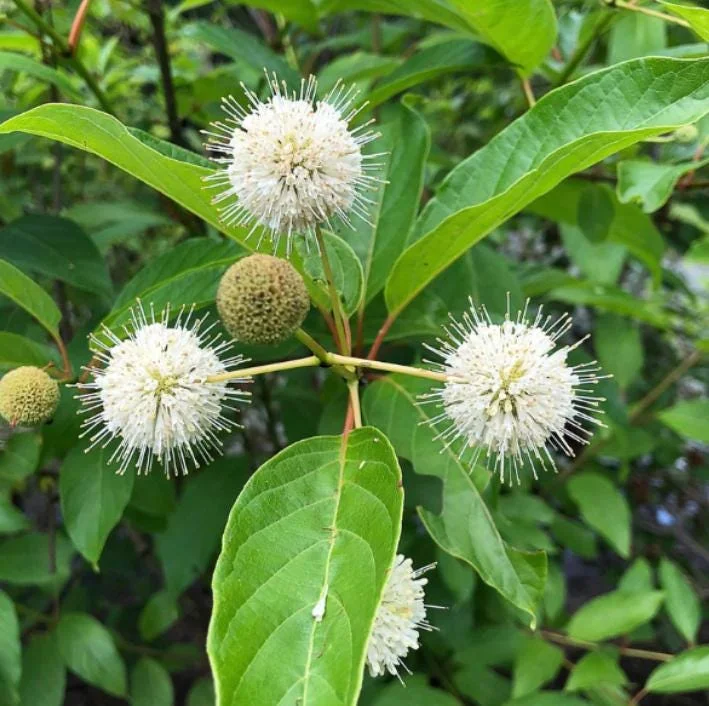
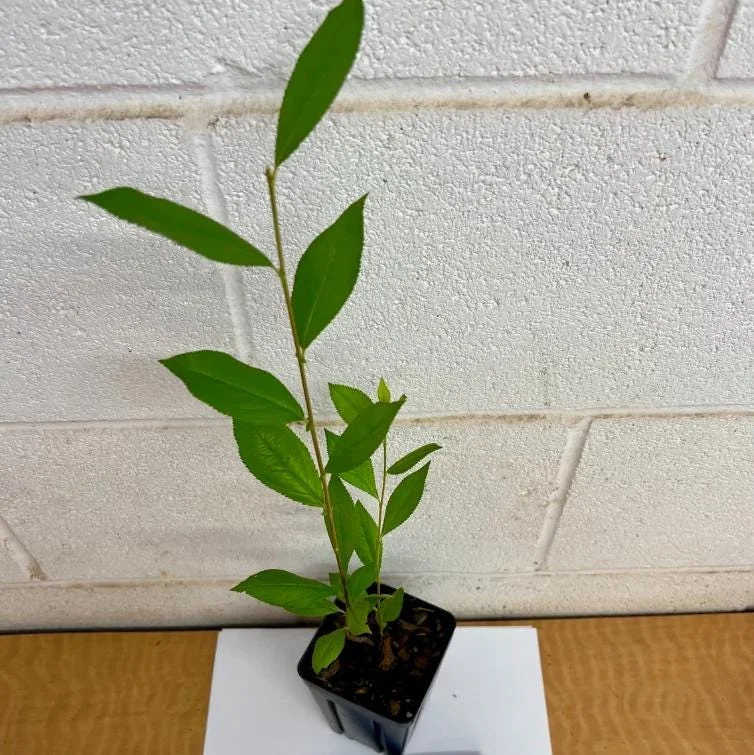
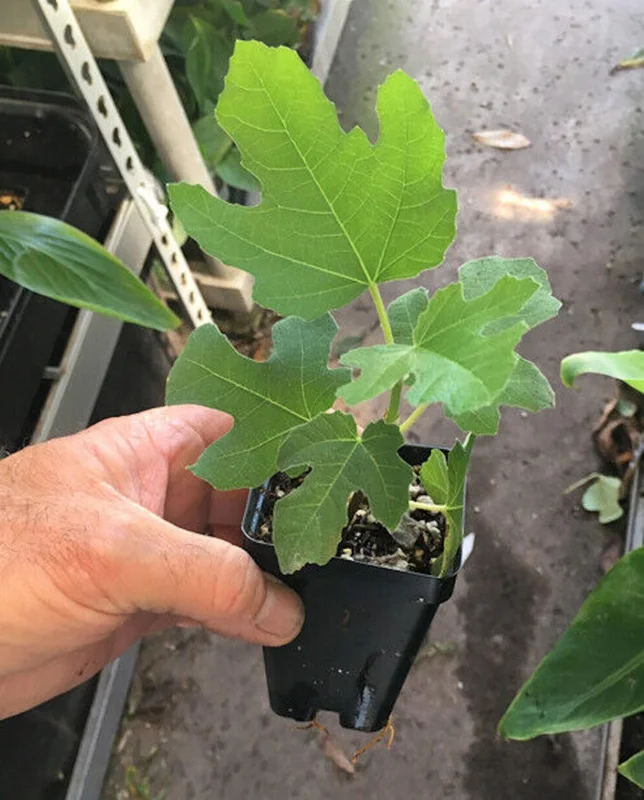
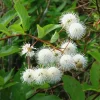
Introduce a touch of native beauty to your landscape with the button bush live plant (Cephalanthus occidentalis). This striking deciduous shrub is celebrated for its distinctive, spherical white flowers that emerge in late spring to summer, creating a captivating display. Not only visually appealing, the button bush live plant is a powerhouse for pollinators, acting as a magnet for bees, butterflies, and other beneficial insects. Ideal for wetland gardens, rain gardens, or simply as an ornamental feature, this species brings ecological value and aesthetic charm. Our offering is a healthy young seedling, typically 6–12 inches tall, provided in a 4-inch pot, ready to establish itself in your garden.
The Button Bush, also known as Honey Bells or Globe Flower, is a resilient and adaptable native deciduous shrub that thrives in various conditions, particularly moist environments. Its glossy green foliage provides a lush backdrop for the unique flower clusters, which give way to interesting seed heads in the fall. This plant is a fantastic choice for those looking to support local ecosystems and create a vibrant, wildlife-friendly garden space. It’s a true gem for any gardener seeking a low-maintenance yet impactful addition.
Key Benefits
The button bush live plant offers a multitude of benefits, making it an excellent choice for diverse garden settings. Its unique characteristics contribute significantly to both garden aesthetics and ecological health.
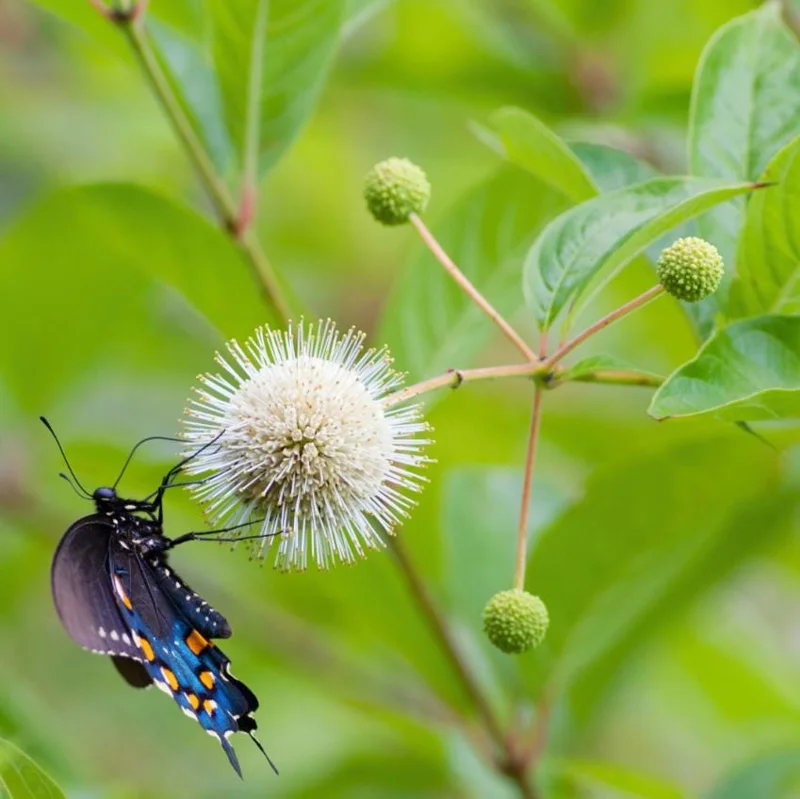
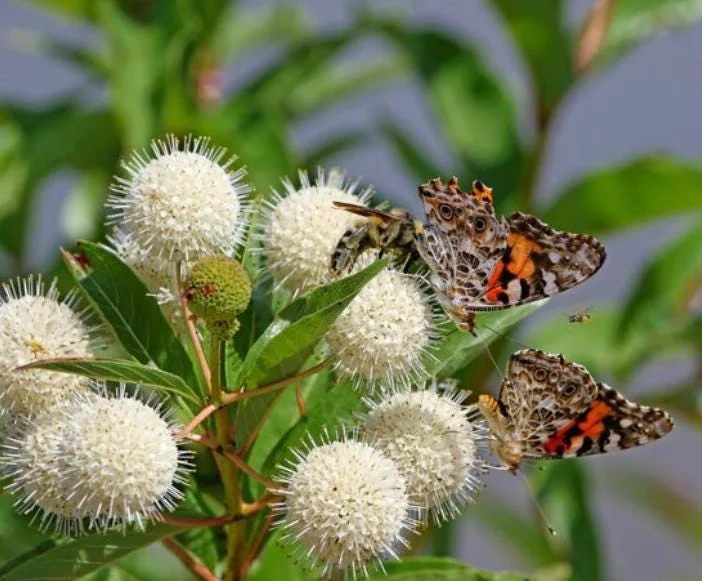
- Exceptional Pollinator Attraction: The distinctive, fragrant white flowers are an irresistible draw for a wide array of pollinators, including bees, butterflies, and hummingbirds. Planting a Cephalanthus occidentalis shrub actively supports local biodiversity and helps vital insect populations thrive, making your garden a lively haven.
- Unique Ornamental Appeal: With its striking spherical blooms and glossy green leaves, the Button Bush provides a unique visual interest that stands out in any landscape. Its distinctive form and texture add depth and beauty, especially when in bloom.
- Adaptable to Wet Conditions: This native shrub naturally thrives in moist to wet soils, making it an ideal candidate for rain gardens, pond edges, or areas with poor drainage where other plants may struggle. It’s a perfect solution for problematic wet spots.
- Low Maintenance & Hardy: Once established, the button bush live plant is remarkably resilient and requires minimal care. It is a hardy plant, tolerating a range of conditions and generally resistant to pests and diseases, ensuring long-term enjoyment.
- Native Ecosystem Support: As a native deciduous shrub, Cephalanthus occidentalis supports local wildlife and contributes to the health of regional ecosystems. It provides habitat and food sources for various species, enhancing the natural balance of your garden.
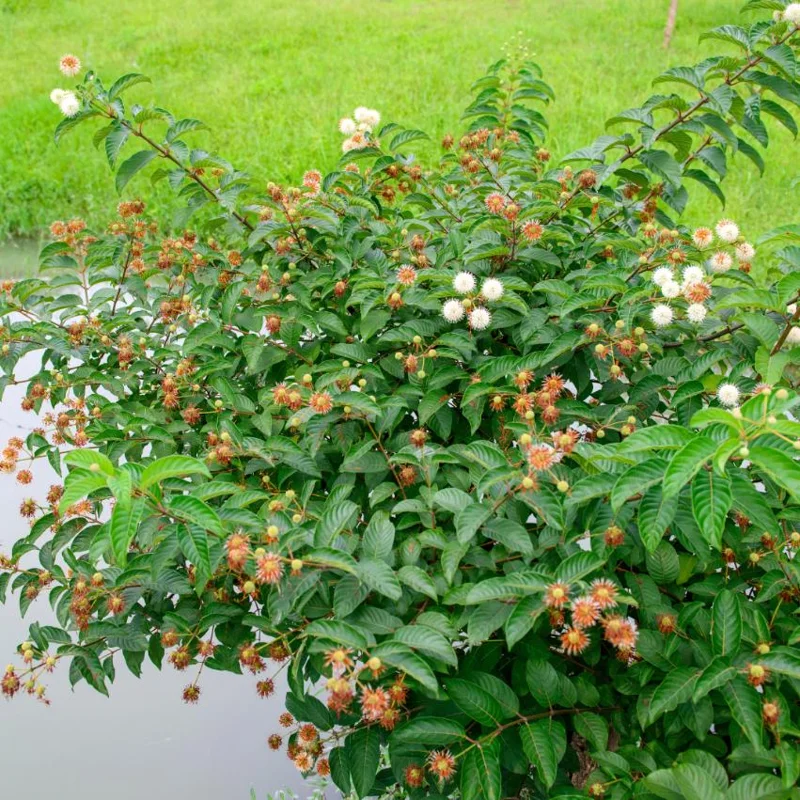
- Seasonal Interest: From its unique spring/summer flowers to its interesting seed heads in fall, the Button Bush offers continuous visual interest throughout the growing season, adding dynamic appeal to your outdoor space.
- Erosion Control: Its robust root system can help stabilize soil in moist areas, making it beneficial for erosion control along banks and in wetland areas.
Plant Care & Growing Tips
Caring for your button bush live plant is relatively straightforward, as this native shrub is quite robust once established. It thrives in USDA zones 5–9, making it suitable for a wide range of climates across the US. For optimal growth and flowering, ensure your Button Bush receives adequate sunlight and consistent moisture.
When planting your Cephalanthus occidentalis shrub, select a location that offers full sun to partial shade; more sun generally leads to more abundant flowering. The plant prefers moist, well-drained, slightly acidic soil but is notably tolerant of wet conditions, even thriving in standing water for periods, which makes it an excellent wetland garden plant. Planting is best done in spring or early fall. Space plants 3–5 feet apart to allow for their mature size. During the first few years, consistent watering is crucial to help the plant establish a strong root system. Once mature, it is quite drought-tolerant but will perform best with regular moisture, especially during dry spells. Fertilization is typically not heavily required; a balanced, slow-release fertilizer in spring can encourage vigorous growth, but avoid over-fertilizing. Watch for common garden pests, though the Button Bush is generally resistant. Pruning can be done in late winter or early spring to maintain shape and encourage new growth. The plant is a fantastic addition to a pollinator friendly plant landscape, offering both beauty and ecological benefit.
Size & Details
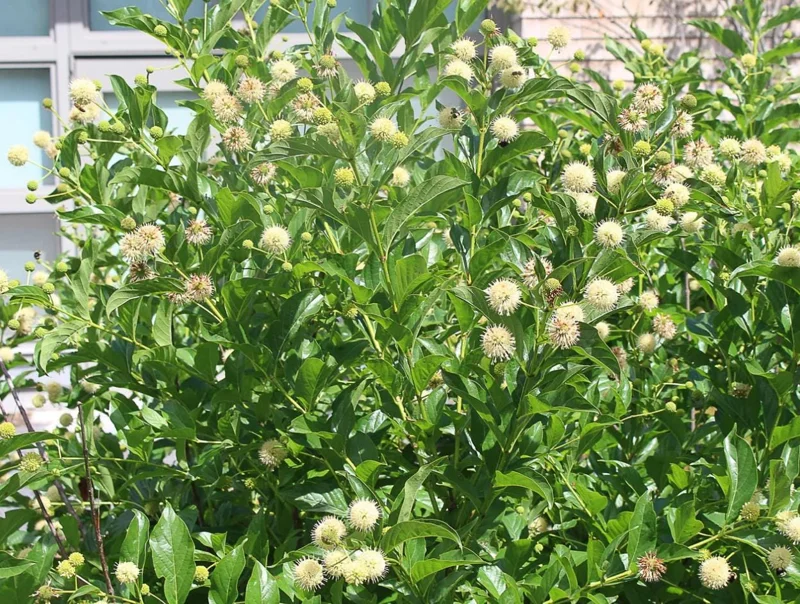
This offering is for a young button bush live plant, typically shipped at a height of 6–12 inches. It comes potted in a 4-inch nursery container, providing a well-established root system ready for transplanting into your garden or a larger pot. The Cephalanthus occidentalis is a fast-growing native deciduous shrub that can reach a mature height of 5–12 feet with a similar spread, depending on growing conditions and pruning practices. Expect this plant to begin producing its distinctive white, ball-shaped blooms in late spring to summer, usually within its first few years of establishment. The plant’s growth rate is moderate to fast, allowing it to quickly fill its designated space. While the plant you receive is a young seedling, with proper care, it will grow into a magnificent specimen, contributing significantly to your landscape.
Frequently Asked Questions
- Q: How big does this Button Bush get? A: A button bush live plant typically grows to a mature height of 5–12 feet and can have a similar spread. The size depends on growing conditions and whether it is pruned. The plant you receive is a young seedling, 6-12 inches tall.
- Q: Is this an indoor or outdoor plant? A: The Cephalanthus occidentalis shrub is an outdoor plant, best suited for gardens, landscapes, and wetland areas. It is not suitable for long-term indoor cultivation.
- Q: How much sunlight does a Button Bush need? A: This plant thrives in full sun to partial shade. More sunlight generally encourages better flowering, making it a more effective pollinator friendly plant.
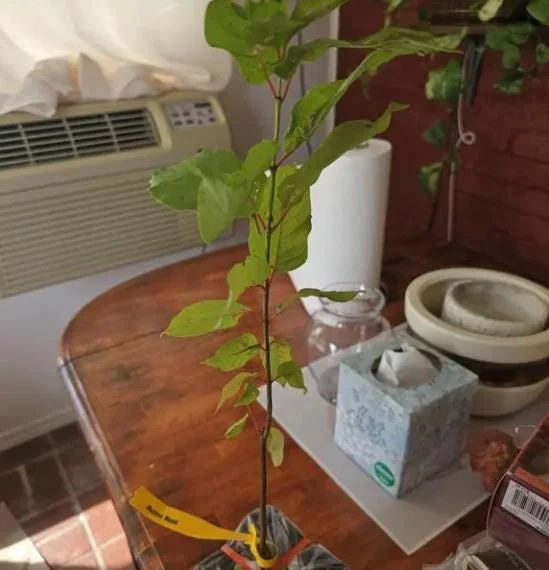
- Q: What condition will the plant arrive in? A: Your button bush live plant will arrive as a young seedling, 6-12 inches tall, in a 4-inch pot. Please note that if ordered during dormancy, it may arrive without leaves, but it is healthy and will sprout new growth in spring.
- Q: When is the best time to plant a Button Bush? A: The best times to plant your wetland garden plant are in the spring or early fall. This allows the plant sufficient time to establish its root system before extreme weather.
- Q: Is this plant easy to care for? A: Yes, the Button Bush is considered a low-maintenance and hardy plant once established. It tolerates various soil conditions and is generally resistant to pests and diseases, making it an excellent native deciduous shrub for beginners and experienced gardeners alike.
- Q: Will it survive winter in my zone? A: The Button Bush is hardy in USDA zones 5–9, meaning it can withstand winter temperatures in these regions. If you live outside these zones, you may need to provide winter protection or grow it as an annual.
- Q: What kind of soil does this plant prefer? A: This plant prefers moist, well-drained, slightly acidic soil, but it is highly adaptable and can tolerate wet conditions, even temporary flooding. It’s an ideal choice for a wetland garden plant.





Reviews
There are no reviews yet.