Overview
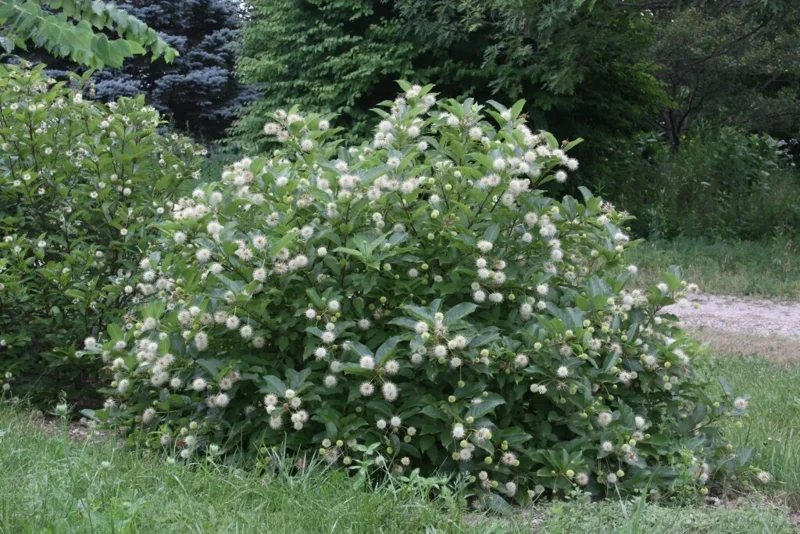
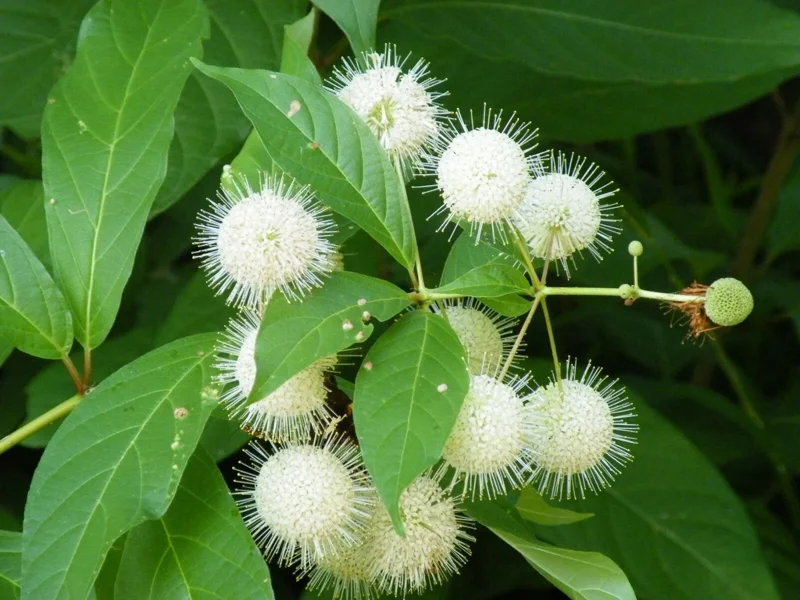
Introduce a touch of natural elegance and ecological benefit to your landscape with the buttonbush live plant (Cephalanthus occidentalis). This captivating native shrub, often called Button Willow or Honey Bells, is renowned for its distinctive, spherical, white flowers that bloom profusely from early summer into fall. Each flower head resembles a pincushion, creating a unique visual appeal that is sure to draw attention. Our buttonbush live plant is supplied as a bare root specimen, typically measuring 12+ inches tall, ensuring a healthy start in your garden. Known for its adaptability, this plant thrives in a variety of conditions and is a fantastic choice for gardeners looking to support local wildlife and add a unique structural element to their outdoor spaces.
The Cephalanthus occidentalis is not only beautiful but also incredibly beneficial. It serves as a vital host plant and nectar source for a wide array of pollinators, including butterflies, bees, and hummingbirds. Its seeds also provide food for various bird species. This makes the buttonbush live plant an essential addition for anyone aiming to create a vibrant, biodiverse garden ecosystem. Whether you’re designing a rain garden, a wetland edge, or simply looking for a robust and attractive shrub, the Cephalanthus occidentalis offers both aesthetic charm and ecological value.
Key Benefits
The buttonbush live plant offers numerous advantages for both your garden and the local environment. Its unique features and robust nature make it an excellent choice for a variety of landscaping needs.
-
Pollinator Magnet: The globe-like white flowers are a strong draw for a wide variety of pollinators, including butterflies, bees, and hummingbirds. Planting a buttonbush live plant helps support local ecosystems and biodiversity.
-
Distinctive Blooms: Enjoy the unique, fragrant, spherical white flowers that resemble pincushions, adding an unusual and attractive texture to your garden from summer through fall.
-
Native & Adaptable: As a native shrub to North America, it is naturally well-suited to local climates and soils, requiring less maintenance once established. This makes it an ideal choice for sustainable gardening.
-
Wildlife Habitat: Beyond pollinators, the plant provides shelter and food (seeds) for various bird species, contributing to a thriving garden ecosystem.
-
Tolerates Wet Conditions: The bare root buttonbush is particularly tolerant of wet soils, making it an excellent candidate for rain gardens, pond edges, or areas with poor drainage where other plants might struggle.
-
Low Maintenance: Once established, Cephalanthus occidentalis is a relatively low-maintenance plant, resistant to most pests and diseases, and requires minimal pruning.
-
Perennial Growth: This perennial plant will return year after year, providing continuous beauty and ecological benefits without the need for annual replanting.
Plant Care & Growing Tips
Caring for your buttonbush live plant is relatively straightforward, making it suitable for gardeners of all experience levels. This hardy native shrub thrives with minimal intervention once established. For optimal growth and prolific blooming of your Cephalanthus occidentalis, consider its preferences for sunlight, water, and soil.
The buttonbush live plant prefers full sun to partial shade, meaning it will do best with at least 6 hours of direct sunlight per day, but can tolerate some afternoon shade, especially in hotter climates. It is highly adaptable to various soil types but performs exceptionally well in consistently moist to wet conditions. This makes it an ideal choice for areas with poor drainage, along stream banks, or in rain gardens. While it tolerates occasional drought once mature, regular watering is recommended during its establishment phase and prolonged dry spells. The ideal soil type is a loamy, well-draining soil, but it is highly tolerant of clay and sandy soils as long as moisture is consistent. Fertilization is generally not necessary in rich soils, but a balanced slow-release fertilizer can be applied in spring if your soil is poor. This pollinator plant is hardy in USDA zones 4-9, making it suitable for a wide range of climates. Pruning can be done in late winter or early spring to maintain shape or remove dead/damaged branches.
Size & Details
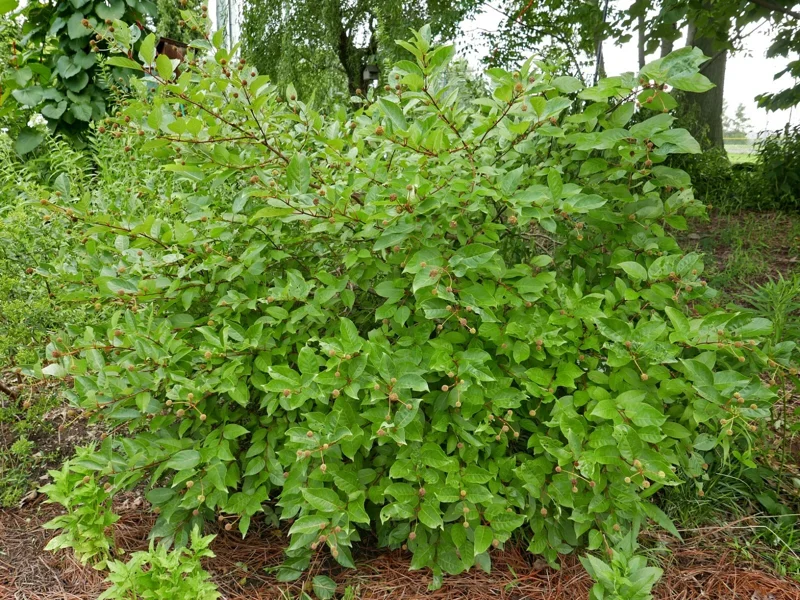
This offering is for one buttonbush live plant, provided in a bare root form, ensuring a robust and healthy start upon planting. Each plant measures approximately 12+ inches tall at the time of shipment, ready to establish quickly in your garden. As a fast-growing native shrub, Cephalanthus occidentalis can reach mature heights of 5-12 feet with a similar spread, forming a beautiful, rounded bush. The growth stage is flowering, meaning you can anticipate its unique blooms in its first or second growing season.
The bare root buttonbush is an excellent choice for those seeking to create a naturalized look or establish a hedge. Its impressive size at maturity provides a significant impact in the landscape. Expect its first distinctive white, globe-like flowers to appear in early summer, continuing to attract pollinators through the fall. This perennial plant will provide years of beauty and ecological benefit, making it a valuable addition to any outdoor setting.
Frequently Asked Questions
-
Q: How big will my buttonbush live plant get? A: A: This buttonbush live plant typically grows 5-12 feet tall and wide at maturity, forming a lovely rounded shrub. Its size makes it ideal for a prominent garden feature or a natural hedge.
-
Q: Is this an indoor or outdoor plant? A: This Cephalanthus occidentalis is an outdoor shrub, perfectly suited for garden beds, borders, and naturalized areas. It is not recommended for indoor cultivation.
-
Q: How much sunlight does the buttonbush need? A: The buttonbush live plant thrives in full sun to partial shade. For the best flowering performance, aim for at least 6 hours of direct sunlight daily.
-
Q: Is this plant easy to care for? A: Yes, once established, the buttonbush live plant is remarkably low-maintenance and robust, making it an excellent choice for beginner gardeners and those seeking easy-care native options.
-
Q: What condition will the plant arrive in? A: Your bare root buttonbush will arrive as a carefully packaged bare root plant, approximately 12+ inches tall, ready for immediate planting in your garden.
-
Q: When is the best time to plant a buttonbush? A: The best time to plant your bare root buttonbush is in early spring or fall, allowing it to establish its root system before extreme summer or winter temperatures.
-
Q: Will this pollinator plant attract butterflies? A: Absolutely! The unique globe-like flowers of the buttonbush live plant are a favorite nectar source for many butterfly species, as well as bees and hummingbirds.
-
Q: What kind of soil does Cephalanthus occidentalis prefer? A: This native shrub is highly adaptable but prefers consistently moist to wet, well-draining loamy soils. It can tolerate clay and sandy soils, especially in wet areas.
-
Q: Is the buttonbush perennial? A: Yes, the buttonbush live plant is a perennial shrub, meaning it will grow back year after year, providing continuous beauty and ecological benefits to your garden.
-
Q: What USDA zones is this buttonbush suitable for? A: The Cephalanthus occidentalis is hardy in USDA zones 4 through 9, making it a versatile choice for many climates across the United States.




Reviews
There are no reviews yet.