Overview
Discover the joy of growing your own tea with a healthy camellia sinensis live plant. Also known as the green tea plant for sale, Camellia sinensis is the species whose leaves and leaf buds are used to produce all types of tea, including green, black, white, and oolong. This beautiful evergreen shrub is not only functional but also adds an attractive, lush green presence to any garden space. Originating from Southeast Asia, the tea plant has been cultivated for centuries for its aromatic leaves and delicate white flowers. Our live plants are ready for planting, offering you the unique opportunity to cultivate your own sustainable source of fresh tea right at home. Enjoy the journey from plant to cup with this versatile and rewarding addition to your outdoor garden.
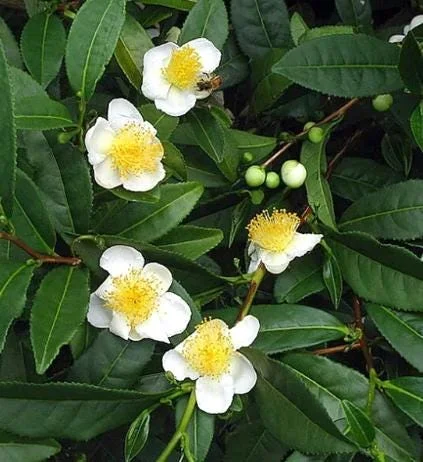
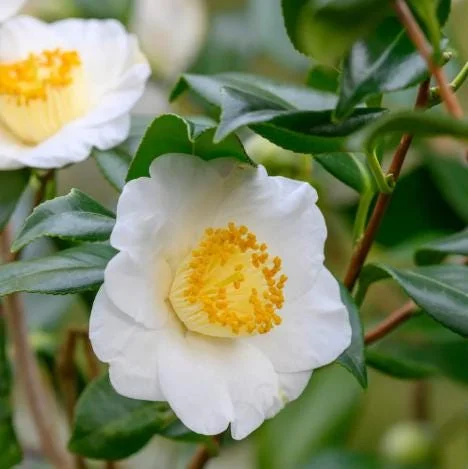
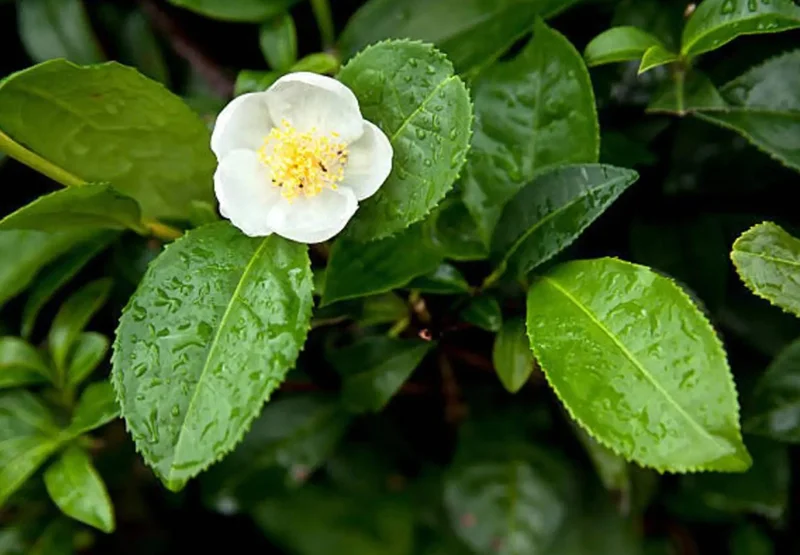
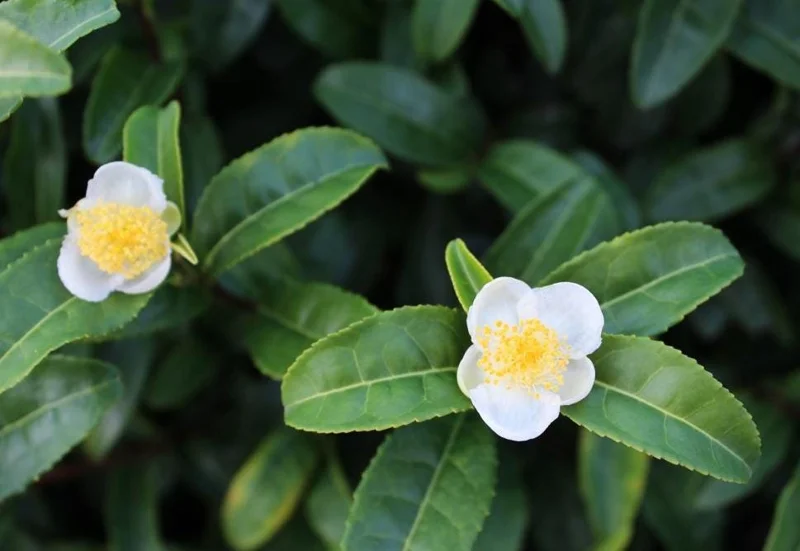
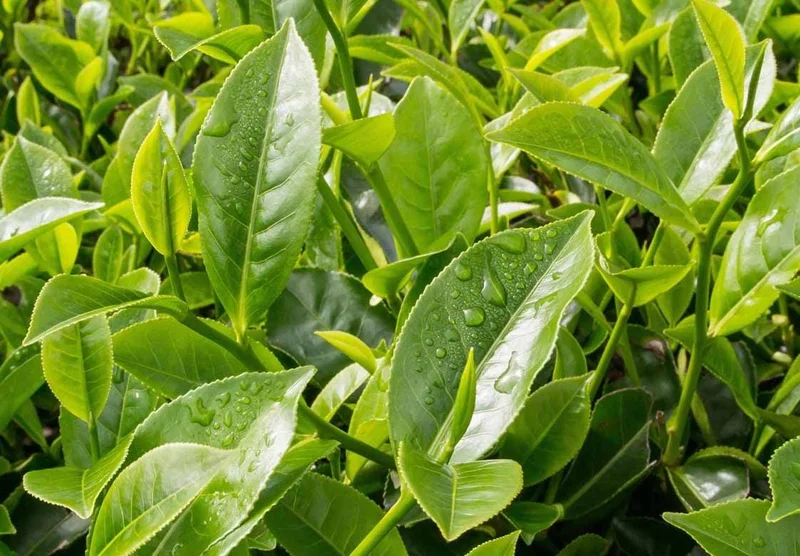
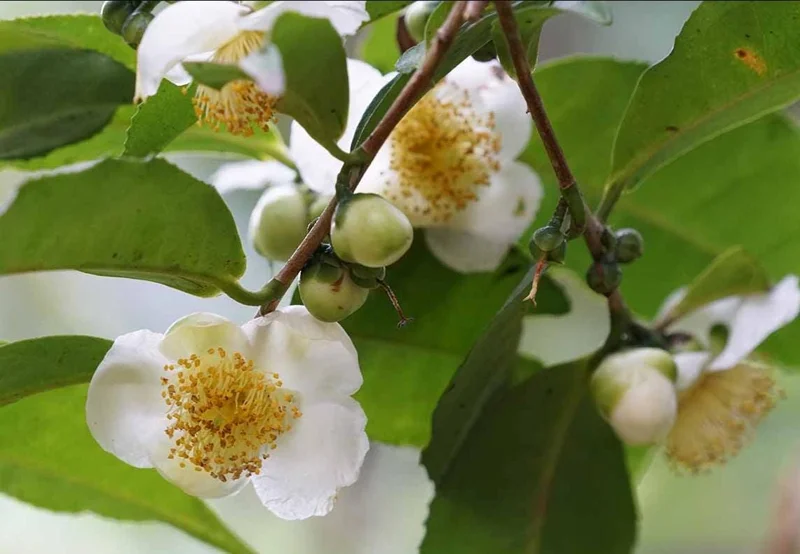
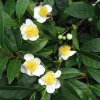
The camellia sinensis live plant is a robust and adaptable shrub, known for its glossy, dark green leaves with serrated edges. In the fall to winter months, it produces small, fragrant white flowers with cheerful yellow centers, adding a touch of elegance to your landscape. Whether you’re a tea enthusiast looking to grow your own brew or simply seeking a unique and attractive evergreen for your garden, Camellia sinensis is an excellent choice. It thrives in various conditions and is a testament to nature’s bounty, providing both beauty and utility.
Key Benefits
Owning a camellia sinensis live plant brings a multitude of benefits, from the aesthetic appeal to the practical joy of harvesting your own tea leaves. It’s a plant that truly gives back, enhancing your garden and your lifestyle.
- Fresh Tea Source: Harvest fresh leaves to make your own green, black, or oolong tea, ensuring the purest and freshest brew possible. This allows you to control the quality and flavor of your tea.
- Evergreen Beauty: Provides year-round lush, dark green foliage, making it an attractive addition to any garden or patio. Its glossy leaves add a sophisticated touch to your outdoor space.
- Fragrant Blooms: Enjoy small, fragrant white flowers with yellow centers that bloom from fall to winter, adding visual and aromatic interest during cooler months. These delicate flowers are a delightful surprise.
- Educational Experience: A fantastic plant for teaching about where tea comes from and the process of tea production, engaging for both children and adults. It’s a living lesson in horticulture and botany.
- Garden Versatility: Suitable for various garden designs, from formal beds to informal landscapes, and can even be grown in large containers. Its adaptability makes it a popular choice for many gardeners.
- Air Purification: Like many plants, the camellia sinensis live plant contributes to improving air quality by absorbing carbon dioxide and releasing oxygen, creating a healthier environment.
- Sustainable Living: Cultivating your own tea promotes self-sufficiency and reduces reliance on commercially processed teas, contributing to a more sustainable lifestyle.
Plant Care & Growing Tips
Proper care is essential to ensure your camellia sinensis live plant thrives and produces abundant leaves for tea. Understanding its basic needs will help you successfully grow your own tea. These plants appreciate consistency in their environment.
For sunlight, the Camellia sinensis prefers partial shade to full sun. In hotter climates, some afternoon shade is beneficial to prevent leaf scorch. Aim for at least 4-6 hours of direct sunlight per day if possible. When it comes to watering, keep the soil consistently moist but never waterlogged. Good drainage is crucial to prevent root rot. Check the soil moisture regularly, especially during dry spells or if the plant is in a container. The ideal soil type is well-draining, slightly acidic soil. Incorporating organic matter can improve soil structure and fertility. The plant is hardy in USDA Zones 7 to 9, tolerating temperatures between 60°F and 85°F. Protect from harsh winter winds in colder parts of its zone. Fertilize with a balanced, slow-release fertilizer designed for acid-loving plants in early spring and again in mid-summer. Avoid over-fertilizing, which can burn the roots. Common problems include scale insects or spider mites, which can be managed with horticultural oil or insecticidal soap. Ensure good air circulation to prevent fungal issues.
To help your tea plant care routine, consider mulching around the base of the plant to retain soil moisture and regulate temperature. Pruning can be done to maintain shape and encourage bushier growth, as well as to harvest leaves for tea. Regular harvesting of young leaves and buds will stimulate new growth and improve the quality of your tea. Keep an eye out for yellowing leaves, which can indicate nutrient deficiency or improper watering. Adjust your care routine accordingly to maintain a healthy and productive green tea plant for sale.
Size & Details
This camellia sinensis live plant arrives ready to be planted in your garden or a suitable container. Each plant measures approximately 4 to 6 inches tall, providing a robust start for your tea-growing endeavor. These young plants are in their initial growth phase, which is an ideal time for transplanting and establishing them in their new home. With proper care, they will quickly grow into mature shrubs capable of producing a consistent supply of tea leaves.
The growth rate of Camellia sinensis is moderate, and with optimal conditions, it can eventually reach heights of 6 to 10 feet if left unpruned, though it can be kept smaller through regular harvesting and shaping. It is shipped as a live, rooted plant, carefully packaged to ensure its health upon arrival. Expect the plant to establish itself within a few weeks of planting, and you can begin harvesting young leaves once the plant is well-established and showing vigorous new growth, typically within the first year or two.
Frequently Asked Questions
- Q: How big does this camellia sinensis live plant get? A: This plant typically grows to a height of 6-10 feet if left unpruned, but it can be maintained at a smaller size with regular harvesting and shaping. Our plants arrive 4 to 6 inches tall, perfect for starting your garden.
- Q: Is this an indoor or outdoor plant? A: The camellia sinensis live plant is primarily an outdoor plant, hardy in USDA Zones 7 to 9. It can be grown in containers and brought indoors in colder climates during winter, but it thrives best outdoors.
- Q: How much sunlight does it need? A: It prefers partial shade to full sun. In regions with intense summer heat, providing some afternoon shade will help protect the leaves from scorching. Aim for at least 4-6 hours of sunlight daily.
- Q: Is this plant easy to care for? A: With proper tea plant care, Camellia sinensis is relatively easy to care for. It requires consistent moisture, well-draining soil, and protection from extreme temperatures, making it suitable for gardeners of various experience levels.
- Q: What condition will it arrive in? A: Your green tea plant for sale will arrive as a healthy, live, rooted plant, carefully packaged to minimize stress during transit and ensure it reaches you in optimal condition for planting.
- Q: Can I use the leaves to make tea? A: Yes, the leaves from this Camellia sinensis plant are specifically for making tea. You can harvest the young leaves and buds to produce your own green, black, or oolong tea.
- Q: How long until it produces harvestable leaves? A: Once established, typically within the first year or two after planting, your camellia sinensis live plant will begin producing young leaves and buds suitable for harvesting.
- Q: What’s the best time to plant a camellia sinensis live plant? A: Spring or early fall are generally the best times to plant, allowing the plant to establish its root system before extreme summer heat or winter cold sets in.
- Q: What kind of soil does it need? A: This plant thrives in well-draining, slightly acidic soil. Amending your garden soil with organic matter like compost can help achieve the ideal conditions for growth.
- Q: Is this plant deer resistant? A: While no plant is entirely deer-proof, Camellia sinensis is generally considered to be somewhat deer resistant due to its slightly bitter taste, though hungry deer may still browse it.



Reviews
There are no reviews yet.