Overview
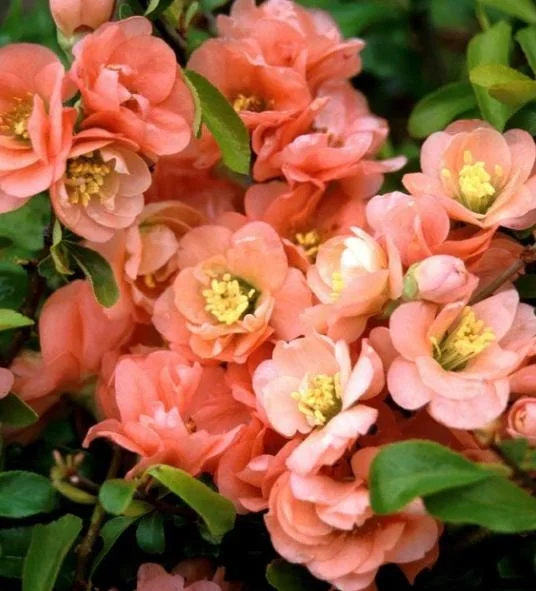
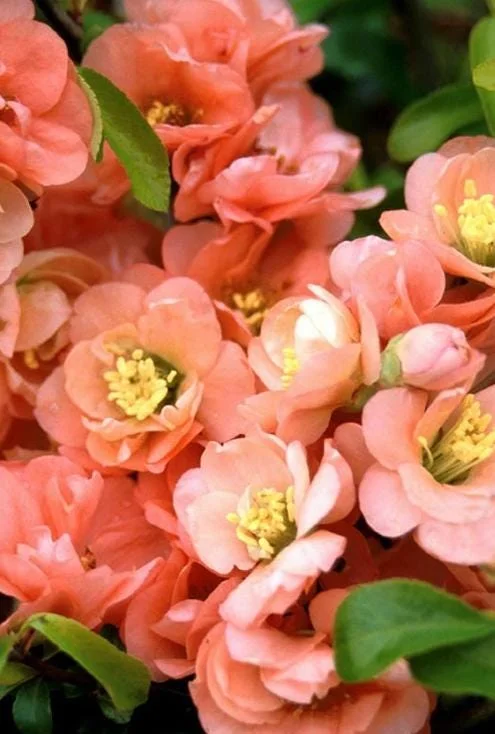
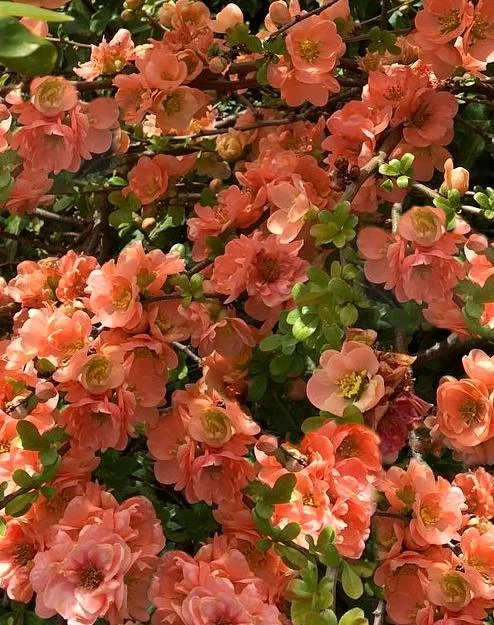
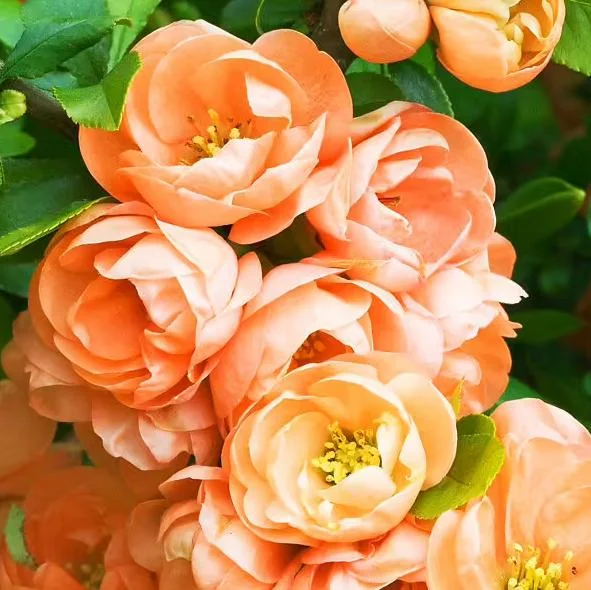
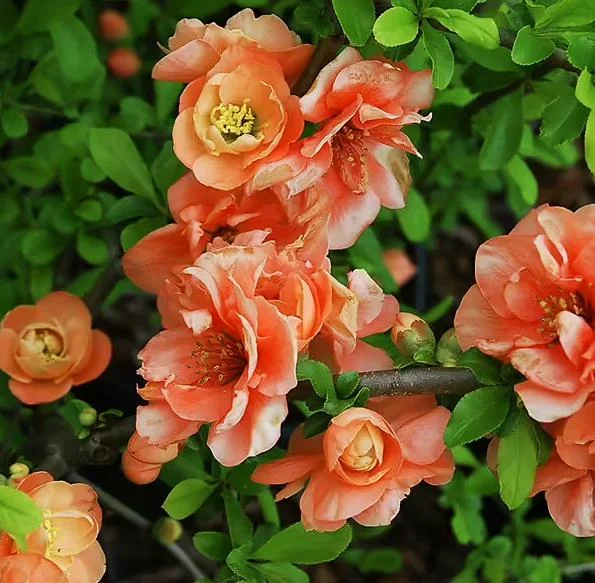
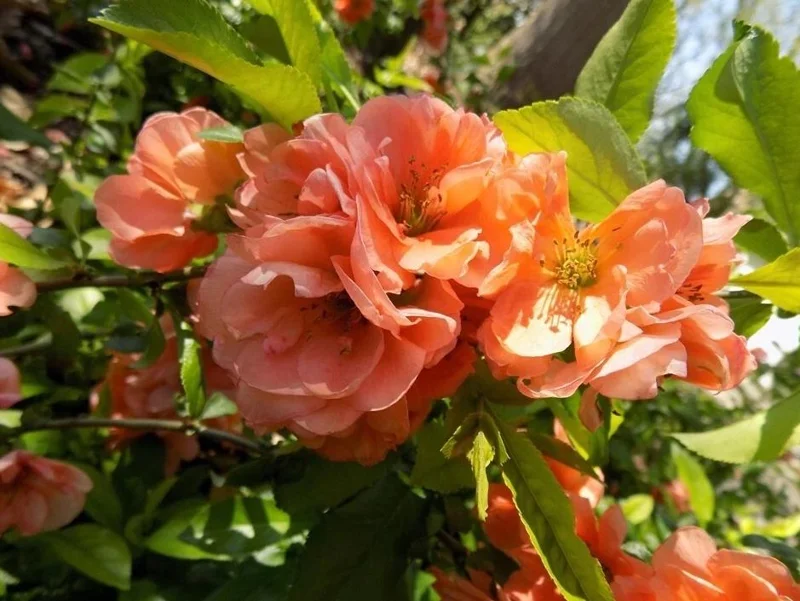
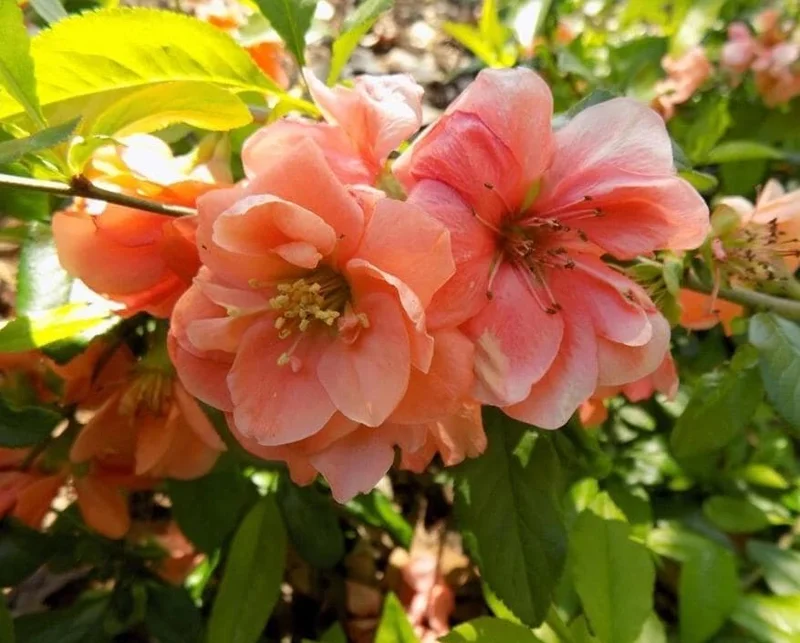
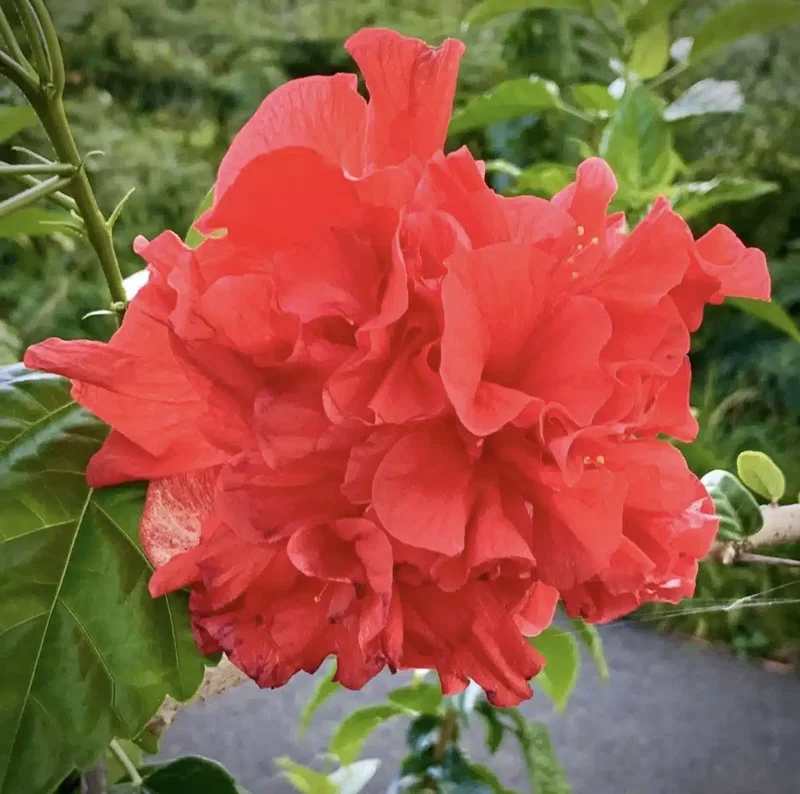
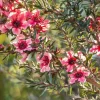
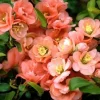
Bring vibrant early spring beauty to your landscape with the flowering quince live plant. This exquisite deciduous shrub, often referred to as cameo quince plant, is celebrated for its spectacular display of soft peach to apricot-colored double blossoms. These rose-like flowers emerge along bare branches, creating a breathtaking visual spectacle even before the foliage appears. A true harbinger of spring, the Cameo Flowering Quince is a versatile and resilient addition to any garden, offering both ornamental appeal and a touch of classic charm. After its stunning floral show, the plant develops small, aromatic quince-like fruits in the fall, adding another layer of interest.
The flowering quince live plant is a superb choice for gardeners seeking an easy-to-care-for shrub that delivers high visual impact. Its unique blooming habit and attractive form make it a focal point in borders, hedges, or as a standalone specimen. Enjoy the delightful contrast of its vibrant blooms against the still-waking garden, making every spring morning a little brighter.
Key Benefits
The flowering quince live plant offers numerous advantages for the home gardener, blending aesthetic appeal with practical benefits. Its early spring bloom provides much-needed color when other plants are still dormant, making it a standout feature. Here are some of the key benefits:
- Stunning Early Spring Blooms: Enjoy a spectacular show of double peach to apricot-colored flowers that resemble small roses, appearing on bare branches before leaves emerge. This early display is a highlight of the spring garden.
- Low Maintenance & Adaptable: This robust shrub is known for its resilience and ability to thrive in a variety of soil types, from clay to sandy, as long as they are well-draining. It requires moderate watering once established.
- Attractive Foliage & Form: Beyond its flowers, the cameo quince plant develops lush green foliage throughout the growing season and maintains an appealing shrubby form, suitable for various landscape designs.
- Produces Aromatic Fruit: After the bloom, small, aromatic, quince-like fruits develop in the fall, adding seasonal interest and can be used for jellies or preserves.
- Wildlife Attraction: The early blooms can provide a valuable nectar source for early pollinators, contributing to garden biodiversity.
- Versatile Landscape Use: Ideal for hedges, foundation plantings, mixed borders, or as a specimen plant. Its thorny branches also make it an excellent choice for a natural barrier.
- Hardy & Resilient: Thrives across USDA Zones 5 to 9, making it suitable for a wide range of climates and able to withstand various temperature fluctuations.
Plant Care & Growing Tips
Caring for your flowering quince live plant is straightforward, making it an excellent choice for both novice and experienced gardeners. This hardy shrub prefers a location with full sun, meaning it needs at least 6 hours of direct sunlight per day for the best flowering performance. While adaptable, well-draining soil is crucial; it can tolerate clay, loam, or sandy conditions. Moderate watering is recommended, especially during dry spells, but avoid overwatering as this can lead to root issues. Once established, the plant is relatively drought-tolerant.
The double pink quince thrives in temperatures between 50°F and 85°F and is hardy in USDA Zones 5 to 9. Fertilization can be done in early spring with a balanced slow-release fertilizer, though it’s not always necessary in rich soils. Pruning is best performed after flowering to maintain shape and encourage new growth. Remove any dead or damaged branches and thin out overcrowded areas. This helps to ensure a vigorous and healthy plant, promoting an abundance of beautiful blooms each season. Keep an eye out for common pests like aphids or scale, and address them with organic pest control methods if needed. Ensuring proper air circulation can also help prevent fungal diseases, contributing to a thriving spring flowering shrub.
Size & Details
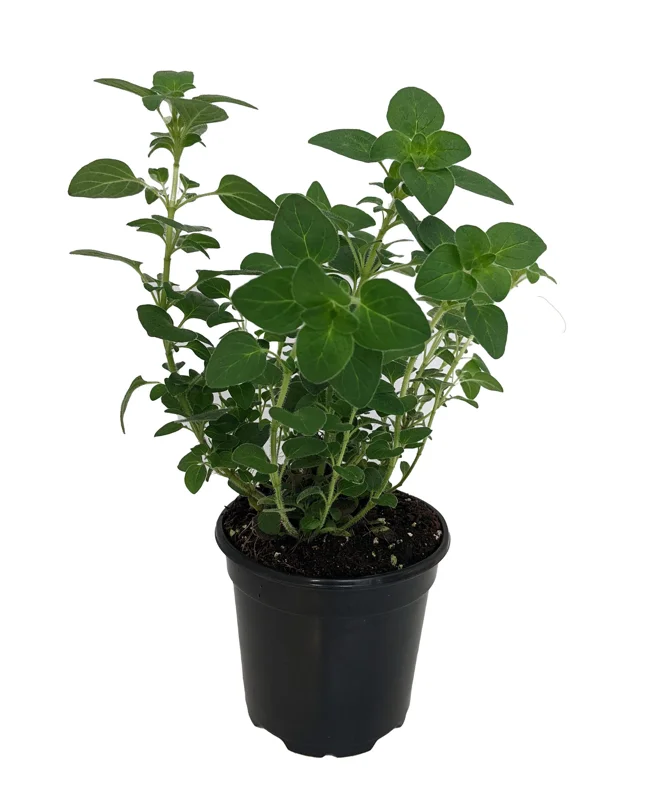
This flowering quince live plant is typically shipped as a young plant, measuring approximately 3 to 6 inches tall, and comes planted in a 4 inch pot. It is ready for planting upon arrival, either directly into your garden or a larger container. The Cameo Quince has a moderate growth rate, eventually reaching a mature height of 3 to 5 feet and a similar spread, forming a dense, rounded shrub. Expect the plant to establish quickly and begin producing its characteristic double pink blossoms in early spring, usually within its first year or two in your garden. The plant is shipped as a live, actively growing specimen, carefully packaged to ensure its health and vitality during transit.
Frequently Asked Questions
- Q: How big does this flowering quince live plant get? A: The flowering quince live plant typically grows to a mature height of 3 to 5 feet and can spread equally wide, forming a dense, rounded shrub. Its exact size can vary based on growing conditions and pruning.
- Q: Is this an indoor or outdoor plant? A: The Cameo Quince is an outdoor plant, best suited for garden beds, hedges, or as a specimen plant in landscapes. It is hardy in USDA Zones 5 to 9.
- Q: How much sunlight does the cameo quince plant need? A: For optimal flowering, this plant prefers full sun, meaning it needs at least 6 hours of direct sunlight per day. It can tolerate partial sun but may produce fewer blossoms.
- Q: Is this plant easy to care for? A: Yes, the cameo quince plant is considered low-maintenance and relatively easy to care for. It’s adaptable to various soil types and requires moderate watering once established, making it suitable for beginners.
- Q: What condition will the double pink quince arrive in? A: Your plant will arrive as a live, actively growing specimen, approximately 3 to 6 inches tall, planted in a 4-inch nursery pot. It will be carefully packaged to ensure its health during shipping.
- Q: When is the best time to plant this spring flowering shrub? A: The best time to plant the Cameo Flowering Quince is in early spring or fall, allowing it to establish its root system before extreme temperatures.
- Q: Will this flowering quince live plant survive winter in my zone? A: Yes, if you are within USDA Zones 5 to 9, the plant is hardy and will survive winter. It is deciduous, so it will lose its leaves in colder months and bloom on bare branches in early spring.
- Q: What type of soil does the Chaenomeles speciosa prefer? A: This plant is adaptable to various soil types, including clay, loam, or sandy soil, as long as it is well-draining. Good drainage is key to its health.
- Q: Does this plant produce fruit? A: Yes, after the flowering period, the flowering quince live plant produces small, aromatic, quince-like fruits in the fall, which can be used for culinary purposes.
- Q: How often should I water my cameo quince plant? A: Water moderately, ensuring the soil is consistently moist but not waterlogged, especially during dry periods. Once established, it is fairly drought-tolerant.




Reviews
There are no reviews yet.