Overview
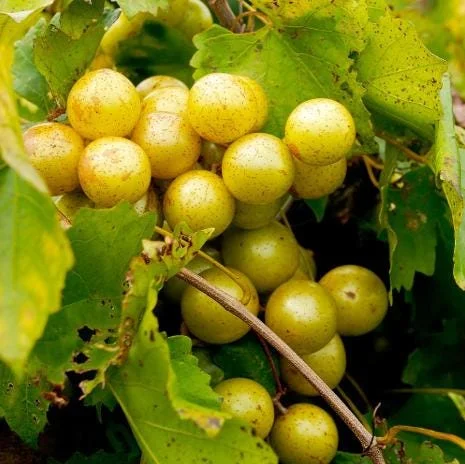
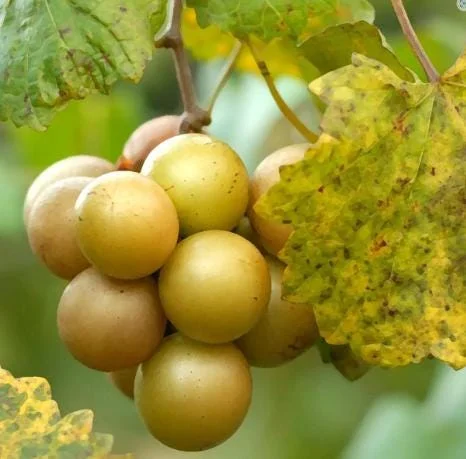
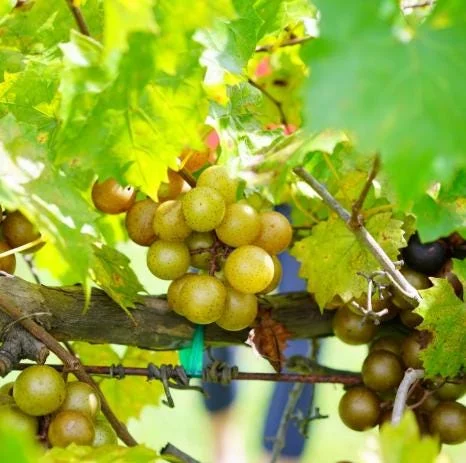
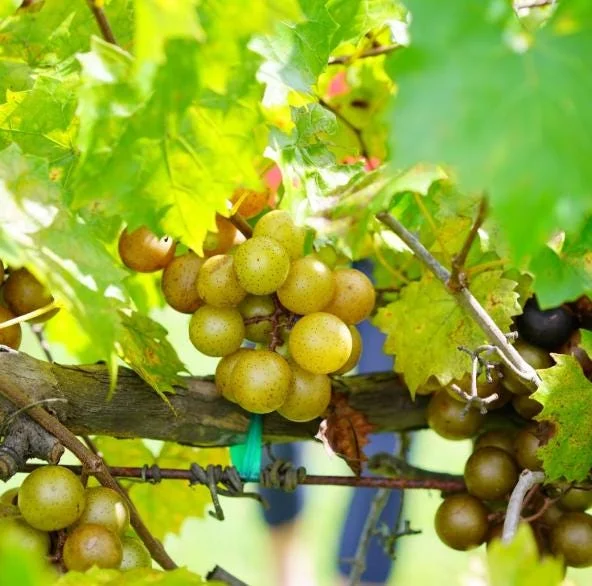
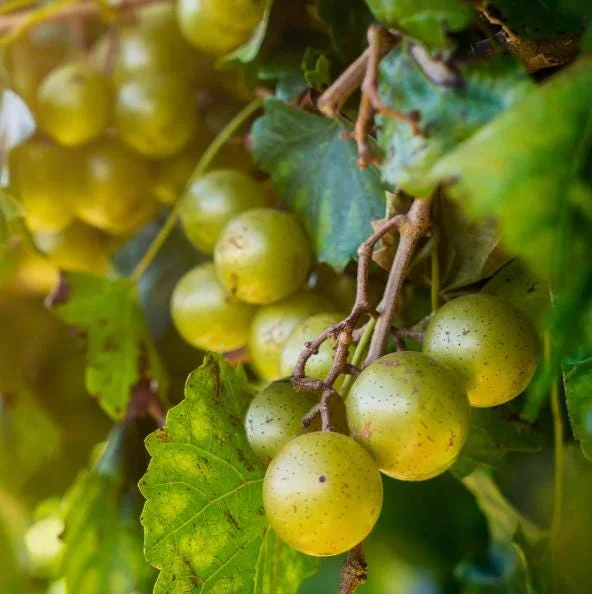
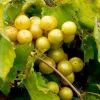
Bring the joy of homegrown fruit to your garden with the Carlos Muscadine Grape Plant. This robust and popular muscadine variety is renowned for its delicious bronze-colored fruit, offering a sweet and juicy flavor with a satisfyingly thick skin. Our live plant is well-rooted and ready for planting, allowing you to establish a thriving grapevine that will produce bountiful harvests for years to come. The Carlos Muscadine is a vigorous grower, making it an excellent choice for arbors, trellises, or fences, providing both ornamental beauty and edible rewards. Whether you’re an experienced gardener or just starting your fruit-growing journey, this outdoor fruit plant is a rewarding addition to any landscape.
Muscadine grapes (Vitis rotundifolia) are native to the southeastern United States and are celebrated for their adaptability and disease resistance. The ‘Carlos’ cultivar is a self-fertile variety, meaning you typically only need one plant to produce fruit, though planting another muscadine can often increase yields. Its distinctive bronze grapes mature in late summer to early fall, perfect for fresh eating, making jams, jellies, or wine. Cultivating a Carlos Muscadine Grape Plant is a step towards sustainable living and enjoying fresh, organic produce right from your backyard.
Key Benefits
Choosing the Carlos Muscadine for your garden offers a wealth of advantages, from its delicious fruit to its ease of care and ornamental value. This particular variety stands out for several reasons:
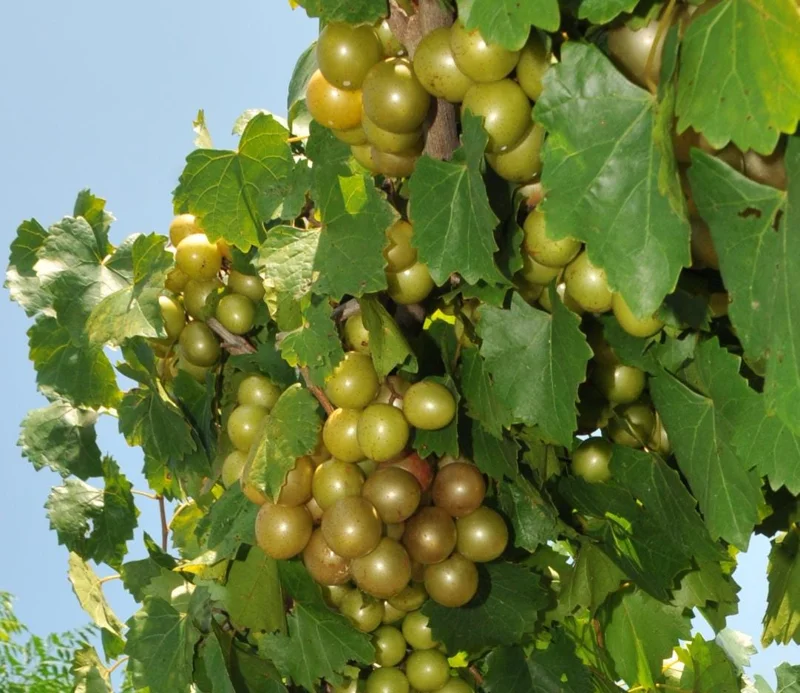
- Abundant Harvests: The Carlos Muscadine is known for its prolific fruiting, yielding a generous supply of medium to large, sweet, and juicy bronze grapes, ensuring you have plenty for fresh consumption and preserving.
- Exquisite Flavor: Enjoy the unique, sweet taste of muscadine grapes, perfect for eating fresh off the vine, or for use in a variety of culinary applications such as jellies, juices, and even homemade wine.
- Hardy & Resilient: This muscadine variety is naturally robust and resistant to many common grape diseases and pests, making it a lower-maintenance option for gardeners.
- Ornamental Value: Beyond its fruit, the vigorous growth habit of the Carlos Muscadine Grape Plant makes it an attractive addition to your landscape, providing lush green foliage and a beautiful structure for arbors or pergolas.
- Adaptable to Climate: Thriving in USDA Zones 7 to 10, the Carlos Muscadine is well-suited for a wide range of climates, particularly those with warm, humid summers.
- Self-Fertile: While cross-pollination can increase yields, the ‘Carlos’ variety is self-fertile, meaning it can produce fruit on its own without requiring a separate pollinator plant.
- Supports Local Wildlife: The fruit and foliage can provide food and shelter for birds and other beneficial wildlife, enhancing your garden’s ecosystem.
Plant Care & Growing Tips
Caring for your Carlos Muscadine Grape Plant is straightforward, and with proper attention, you’ll be rewarded with a healthy, productive vine. Muscadines are generally low-maintenance compared to European grape varieties, making them an excellent choice for home gardeners. To ensure your vine thrives, consider the following:
Sunlight Requirements: Muscadine grapes require full sun exposure to produce the best fruit. This means at least 6-8 hours of direct sunlight per day. Choose a planting location that receives ample sunlight throughout the growing season. While they can tolerate some partial shade, fruit production will be significantly reduced.
Soil and Watering: The Carlos Muscadine prefers well-draining sandy or loamy soil with a pH between 5.5 and 6.5. Good drainage is crucial to prevent root rot. When establishing your plant, water regularly to keep the soil consistently moist but not waterlogged. Once the vine is mature, it becomes more drought-tolerant, requiring moderate watering, especially during dry spells or when fruit is developing. A layer of mulch around the base can help retain soil moisture and suppress weeds.
Temperature and USDA Zones: This muscadine variety thrives in USDA Zones 7 to 10. Ideal temperatures for growth are between 70°F and 90°F (21°C and 32°C). It can tolerate cooler temperatures during dormancy but is not suited for areas with harsh, freezing winters. Protecting young vines from late spring frosts can be beneficial. Understanding how to grow Muscadine grapes successfully involves paying attention to these environmental factors.
Fertilization and Pruning: Fertilize your Carlos Muscadine Grape Plant in early spring before new growth begins, using a balanced fertilizer or one formulated for fruit-bearing plants. Avoid high-nitrogen fertilizers as they can promote excessive leafy growth at the expense of fruit production. Pruning is essential for maintaining vine health, shape, and maximizing fruit yield. Prune in late winter or early spring while the plant is dormant, focusing on removing dead, damaged, or crossing branches, and training the vine along a trellis or arbor. Regular pruning also helps with air circulation, reducing disease risk. For optimal harvests, proper Muscadine vine care is key.
Size & Details
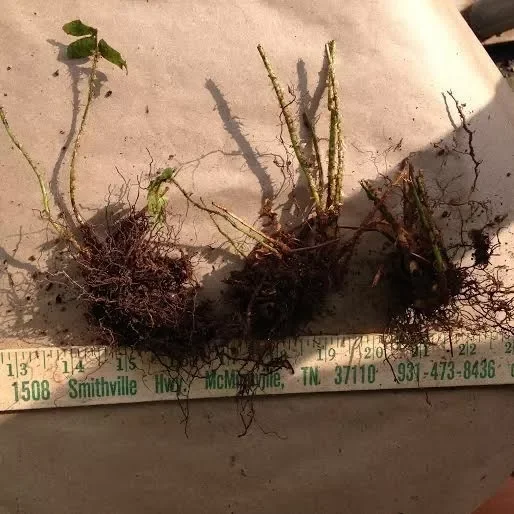
This offering is for a live Carlos Muscadine Grape Plant, measuring approximately 4 to 6 inches tall upon arrival. Each plant is well-rooted, ensuring a strong start in your garden. Muscadine vines are known for their vigorous growth, and with proper care, your plant will quickly establish itself and begin to climb. Typically, muscadine vines can grow quite large, often reaching lengths of 15-20 feet or more, making them ideal for covering arbors, pergolas, or fences. They are generally shipped without a pot to minimize stress during transit and are ready for immediate planting upon receipt.
Expect your Carlos Muscadine to begin producing fruit within 2-3 years, with increasing yields as the vine matures. The grapes ripen in late summer to early fall, offering a delightful seasonal harvest. This bronze grape plant is a long-lived perennial, providing many years of enjoyment and delicious fruit. Its robust nature and natural resistance to many diseases contribute to its longevity and ease of maintenance in the home garden.
Frequently Asked Questions
- Q: How big does this plant get? A: The Carlos Muscadine Grape Plant you receive will be 4-6 inches tall. Once established, muscadine vines are vigorous growers and can reach lengths of 15-20 feet or more, depending on your training system and pruning practices.
- Q: Is this an indoor or outdoor plant? A: The Carlos Muscadine is an outdoor fruit plant. It requires full sun and is best suited for planting directly in the ground, trained on a trellis, arbor, or fence.
- Q: How much sunlight does it need? A: This muscadine vine needs full sun, which means at least 6-8 hours of direct sunlight per day, to produce the best fruit yields and maintain vigorous growth.
- Q: Is this plant easy to care for? A: Yes, the Carlos Muscadine is considered relatively easy to care for compared to other grape varieties. It’s known for its hardiness and disease resistance, making Muscadine vine care manageable for most gardeners.
- Q: What condition will it arrive in? A: You will receive a well-rooted, live plant, approximately 4-6 inches tall. It will be shipped without a pot, carefully packaged to ensure its health during transit.
- Q: When is the best time to plant? A: The best time to plant a Carlos Muscadine Grape Plant is in early spring after the danger of the last frost has passed, or in early fall in warmer climates.
- Q: Will it survive winter in my zone? A: The Carlos Muscadine is hardy in USDA Zones 7 to 10. If you are in these zones, it should survive winter outdoors. In Zone 7, some winter protection for young plants might be beneficial during exceptionally cold spells.
- Q: Can I grow this plant in a container? A: While possible for a short period, muscadine vines grow large and require significant root space. For long-term success and optimal fruit production, planting your outdoor fruit plant directly in the ground is highly recommended.
- Q: How long until it produces fruit? A: With proper care, your Carlos Muscadine Grape Plant typically begins to produce fruit within 2-3 years after planting, with yields increasing as the vine matures.
- Q: Is this variety self-fertile? A: Yes, the ‘Carlos’ muscadine is a self-fertile variety, meaning it can produce fruit on its own without needing a separate pollinator. However, planting another muscadine nearby can sometimes enhance fruit production.




Reviews
There are no reviews yet.