Overview
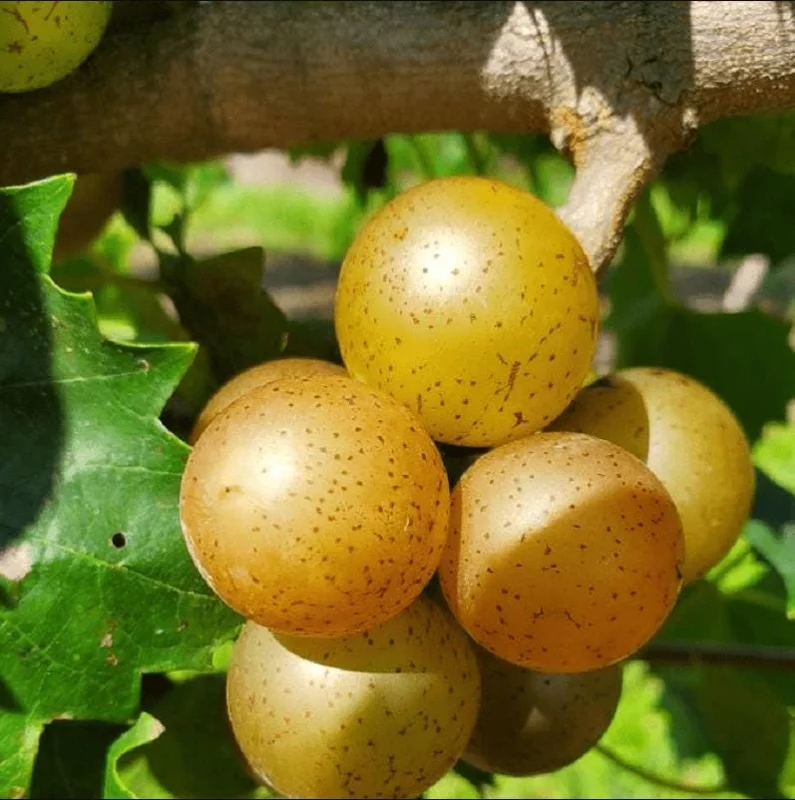
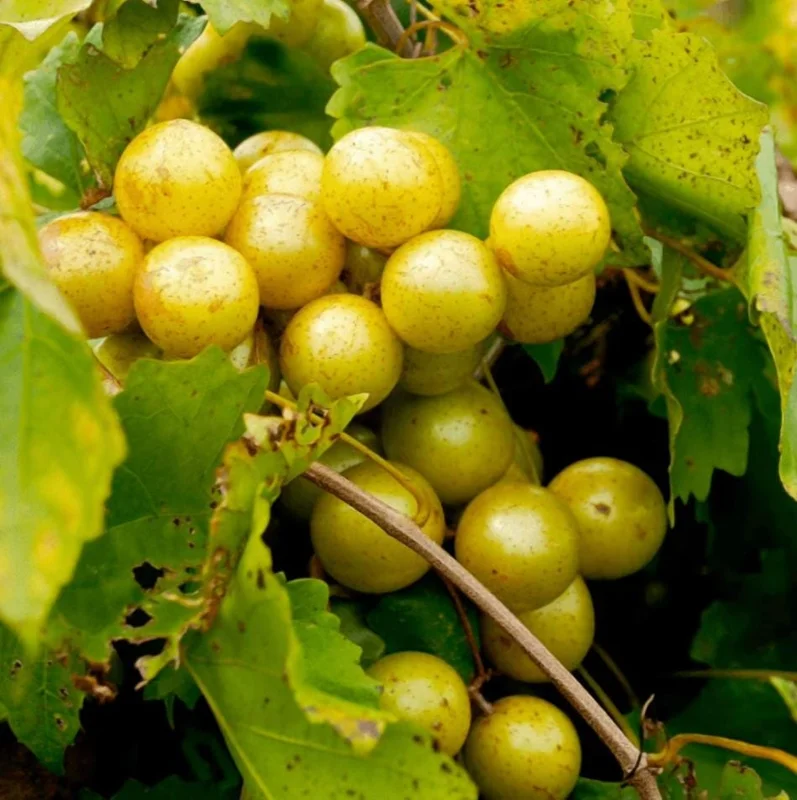
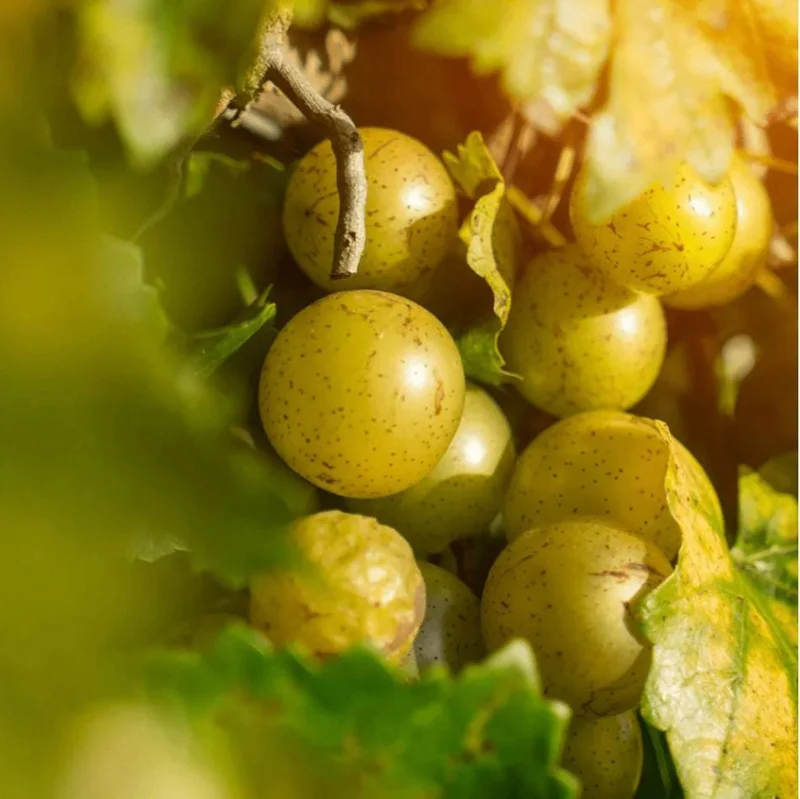
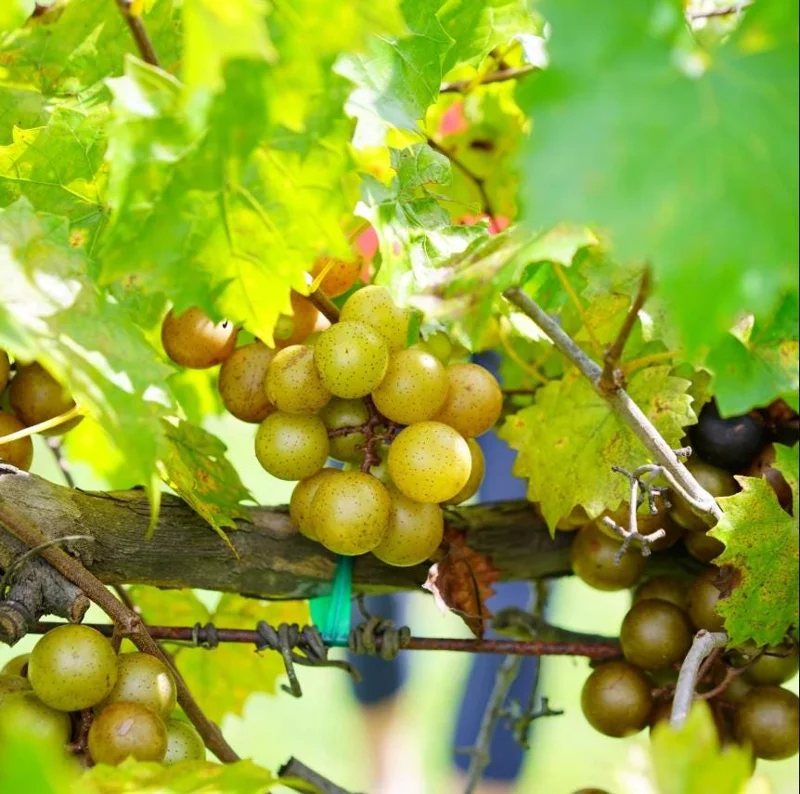
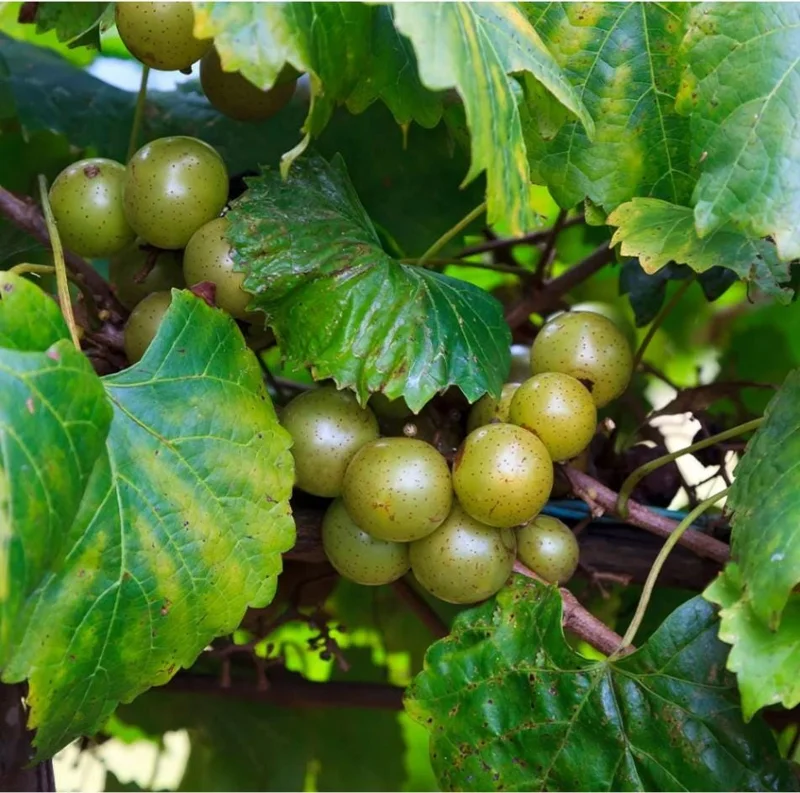
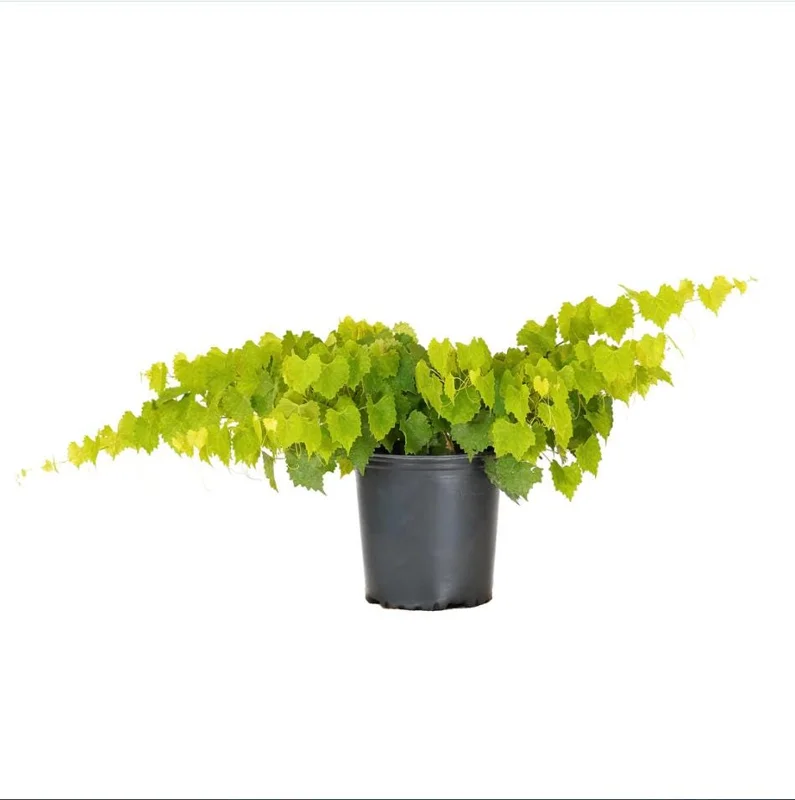
Embark on your journey to growing your own delicious fruit with a carlos muscadine grape live plant. This offering provides a healthy, well-rooted starter plant, ready for you to cultivate into a thriving vine. The Carlos Muscadine (Vitis rotundifolia ‘Carlos’) is a highly sought-after variety known for its abundant yields of large, bronze-skinned grapes with a sweet, juicy flavor. Ideal for fresh eating, juices, jellies, and wines, this robust muscadine grape plant is a fantastic addition to any home garden or vineyard. Our young starter plant is carefully nurtured to ensure it arrives ready to establish and grow, promising years of fruitful harvests. While photos often showcase mature plants, your plant will be a vigorous young starter, eager to develop its full potential with proper care and attention.
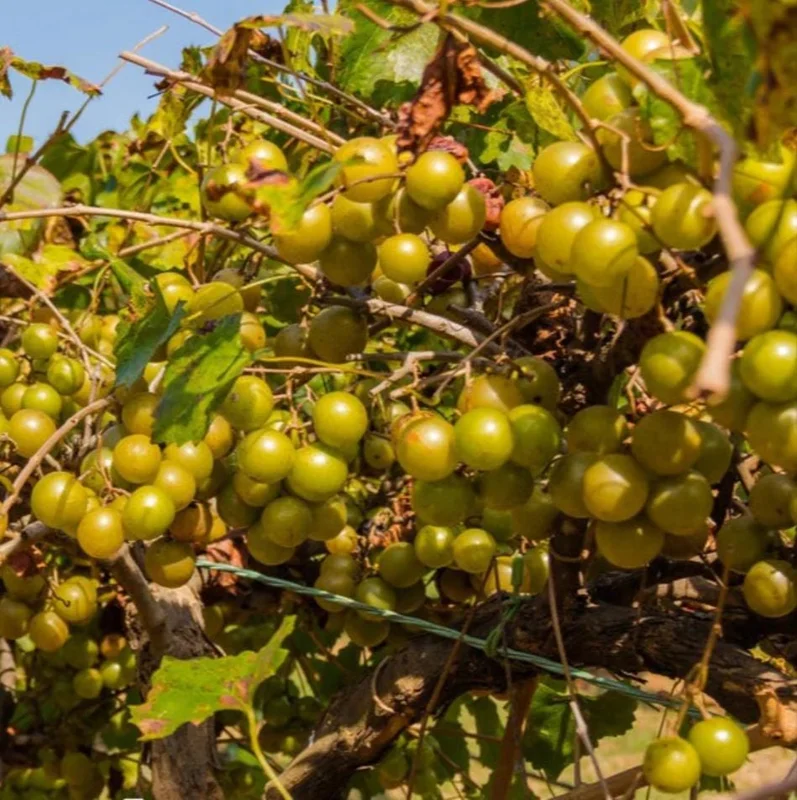
Muscadine grapes are native to the southeastern United States and are renowned for their disease resistance and adaptability to warm, humid climates. The carlos muscadine grape live plant is an excellent choice for gardeners looking for a low-maintenance yet highly rewarding fruit-bearing vine. These plants are known for their resilience and ability to thrive in various soil conditions, provided they have adequate drainage and sunlight. With its vigorous growth habit, the Carlos muscadine quickly establishes itself, transforming into a productive vine that will beautify your landscape while providing a bountiful harvest of delectable grapes.
Key Benefits
Cultivating a carlos muscadine grape live plant offers numerous advantages, from fresh, homegrown fruit to an attractive landscape feature. These benefits make it a superior choice for both novice and experienced gardeners.
- Abundant Fruit Production: The Carlos muscadine is celebrated for its high yields of large, sweet, and juicy bronze grapes, perfect for a wide range of culinary uses.
- Disease Resistance: Muscadine grapes are naturally resistant to many common grape diseases, reducing the need for extensive chemical treatments and making them easier to care for.
- Exceptional Flavor: Enjoy the unique, rich, and sweet flavor of muscadine grapes directly from your garden, a taste often superior to store-bought varieties.
- Versatile Use: These grapes are excellent for fresh eating, making delicious juices, jellies, jams, and even homemade wine, providing endless possibilities for your harvest.
- Attractive Landscape Addition: Beyond their fruit, the vigorous vines of the carlos muscadine grape live plant provide beautiful foliage, offering shade and visual interest to arbors, pergolas, and trellises.
- Drought Tolerance: Once established, muscadine vines are relatively drought-tolerant, making them a resilient choice for various climates and reducing water requirements.
- Long-Lived and Productive: With proper care, a muscadine grape vine can produce fruit for many decades, offering a sustainable source of fresh grapes.
Plant Care & Growing Tips
To ensure your carlos muscadine grape live plant thrives and produces abundant fruit, understanding its specific care requirements is essential. Muscadine grapes flourish in conditions that mimic their native southeastern habitat.
Sunlight: Muscadine vines require full sun exposure, meaning at least 6–8 hours of direct sunlight daily. Planting in a shaded area will significantly reduce fruit production and overall plant vigor. Choose a location in your garden that receives ample, unobstructed sunlight throughout the day for optimal growth and fruit development.
Watering: Regular watering is critical during the first year to help the young vine establish a strong root system. Aim for about 1 inch of water per week, either from rainfall or supplemental irrigation. Ensure the soil remains consistently moist but not waterlogged. Once established, muscadine vines are relatively drought-tolerant but will benefit from supplemental watering during dry spells, especially when fruit is developing. Proper watering is key to a healthy muscadine grape vine care routine.
Soil Conditions: Muscadines prefer well-draining, sandy loam soil with a slightly acidic to neutral pH, ideally between 5.5 and 7.0. Avoid planting in areas with standing water or heavy clay soils, as ‘wet feet’ can lead to root rot and plant failure. Amending heavy soils with organic matter can improve drainage and aeration. When considering how to grow muscadine grapes, soil preparation is paramount.
Temperature & USDA Hardiness: Muscadine grapes are hardy in USDA Zones 7-10. They are well-adapted to hot, humid summers and can tolerate mild winters. Protection may be needed in the colder parts of their range during severe freezes, especially for young plants. They thrive in temperatures above 70°F during the growing season.
Fertilization: For young plants, apply a balanced fertilizer in early spring as new growth begins. For established vines, a fertilizer high in potassium and phosphorus with lower nitrogen content is beneficial. Avoid over-fertilizing with nitrogen, which can promote excessive vegetative growth at the expense of fruit production. Conduct a soil test to determine specific nutrient deficiencies.
Pruning: Annual pruning is crucial for muscadine grapes to maintain vine shape, promote fruit production, and improve air circulation. Prune in late winter while the vine is dormant. Remove dead, damaged, or weak canes and thin out overcrowded growth. Muscadines produce fruit on new growth from the previous season’s wood, so understanding proper pruning techniques is vital for a successful harvest and effective muscadine grape vine care.
Size & Details
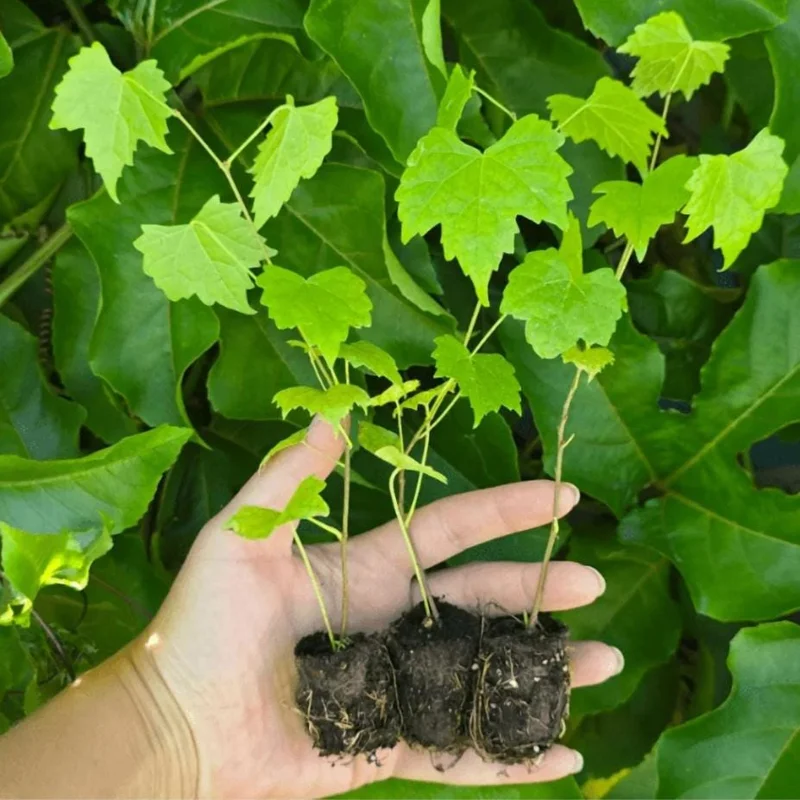
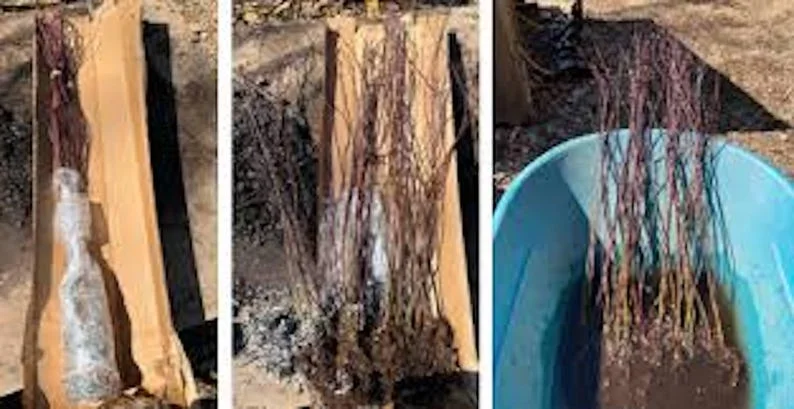
This offering is for one healthy carlos muscadine grape live plant, provided as a well-rooted starter. Each young vine typically measures 4 to 6 inches tall at the time of shipment, ready for direct planting into your garden or a larger pot. The plant is shipped without a pot to reduce waste and shipping costs, with its roots carefully protected to ensure a smooth transition. These vigorous vines are known for their fast growth rate once established, quickly developing into a productive plant. While the initial size is compact, with proper care and support, your muscadine vine will rapidly extend its tendrils and begin to mature. Expect the vine to start producing fruit within 2-3 years, with a full harvest typically achieved by the 3rd to 5th year. The mature vines can reach lengths of 20-30 feet or more, making them ideal for arbors, pergolas, or strong trellises.
Frequently Asked Questions
- Q: How big does this plant get? A: This is a 4 to 6 inch tall starter plant. Once established, carlos muscadine grape live plant vines are vigorous growers and can reach lengths of 20-30 feet or more, making them suitable for covering arbors or large trellises.
- Q: What size pot does it come in? A: The plant is shipped without a pot, as a well-rooted starter. This method helps reduce shipping costs and waste while ensuring the plant arrives ready for planting in your chosen garden spot or a new container.
- Q: Is this an indoor or outdoor plant? A: The carlos muscadine grape live plant is an outdoor plant, best suited for gardens and vineyards. It requires full sun exposure and is hardy in USDA Zones 7-10.
- Q: How much sunlight does it need? A: Muscadine grapes require full sun, meaning at least 6–8 hours of direct sunlight daily for optimal growth and fruit production. Shaded areas will significantly reduce your yield.
- Q: Is this plant easy to care for? A: Yes, muscadine grapes are generally considered easy to care for, especially compared to other grape varieties. They are known for their disease resistance and relatively low maintenance once established, making them a good choice for beginners interested in how to grow muscadine grapes.
- Q: What condition will it arrive in? A: You will receive one healthy, well-rooted live starter plant. It will be a young plant, with no flowers or fruit, carefully prepared for shipping to ensure its vitality upon arrival.
- Q: Can I use Carlos Muscadine grapes in cooking? A: Absolutely! Carlos Muscadine grapes are excellent for fresh eating, making delicious juices, jellies, jams, and even wine. Their sweet and juicy flavor makes them very versatile in the kitchen.
- Q: How long until it blooms and fruits? A: As a starter plant, it will take typically 2-3 years for the vine to mature enough to begin producing fruit. Full production is usually achieved by the 3rd to 5th year.
- Q: When is the best time to plant this muscadine vine? A: The best time to plant muscadine vines is in early spring after the last frost, allowing the plant ample time to establish its root system before the heat of summer.
- Q: Will it survive winter in my zone? A: The Carlos muscadine is hardy in USDA Zones 7-10. If you are in the colder end of this range, providing some winter protection for young plants can be beneficial during severe freezes.
- Q: What is the ideal soil for growing a carlos grape plant for sale? A: Muscadines thrive in well-draining, sandy loam soil with a slightly acidic to neutral pH (5.5-7.0). Good drainage is crucial to prevent root rot.








Reviews
There are no reviews yet.