Overview
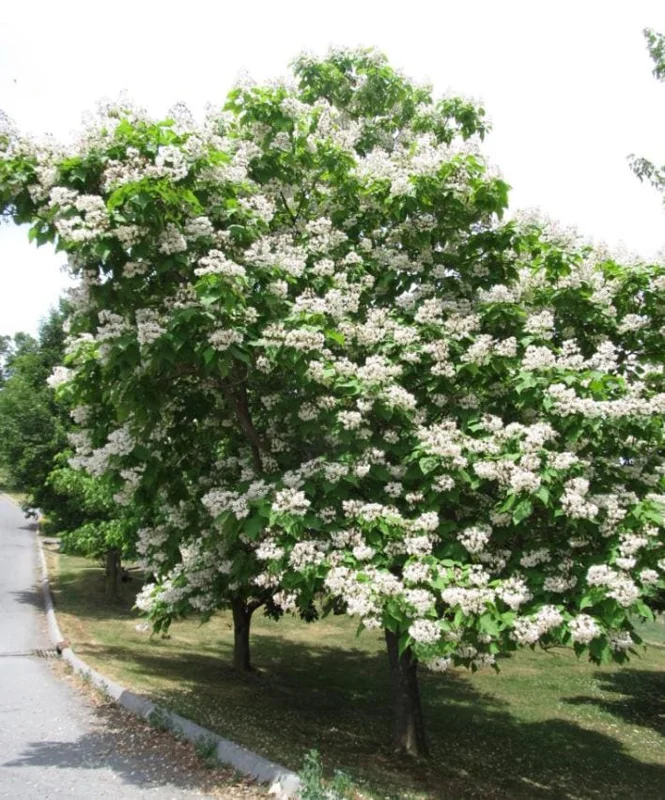
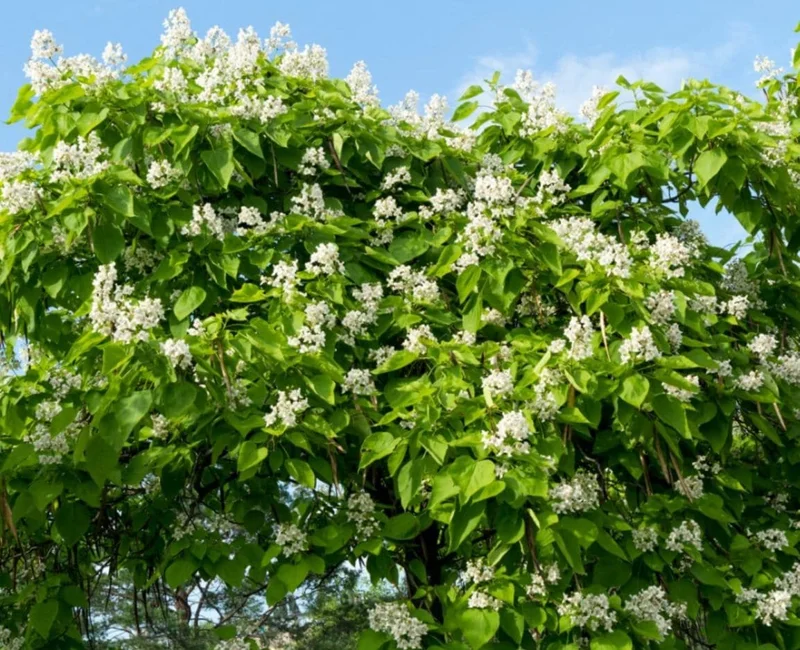
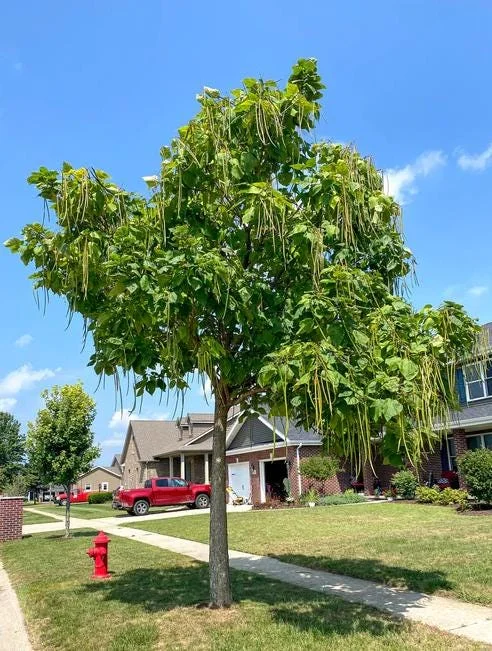
Transform your garden or yard with the majestic beauty of a Catalpa tree live plant. This offering includes a set of two bare root seedlings, each measuring a healthy 6 to 12 inches tall, poised for robust growth. Known for their rapid growth rate, large heart-shaped leaves, and stunning white, bell-shaped flowers that bloom in late spring to early summer, Catalpa trees are a magnificent addition to any landscape. Often referred to as the Indian Bean Tree due to its long, slender seed pods, the Catalpa provides not only visual interest but also ample shade, making it an excellent choice for a shade tree. These dormant, bare root seedlings are an economical and effective way to establish this impressive tree in your outdoor environment. Planting these Catalpa tree seedlings is a rewarding experience, leading to decades of natural splendor.
The Catalpa tree (Catalpa speciosa, often called Northern Catalpa tree) is cherished for its ornamental qualities and adaptability. It can thrive in a variety of soil conditions and is remarkably drought-tolerant once established, making it a resilient choice for many regions. With its distinctive foliage and showy blooms, a Catalpa tree live plant adds a touch of grandeur and a cooling canopy to your property. Prepare to enjoy the seasonal changes of this deciduous tree, from its lush green leaves to its impressive floral displays and unique seed pods.
Key Benefits
Investing in a Catalpa tree live plant offers numerous advantages for your landscape and local ecosystem:
- Rapid Growth: Catalpa trees are known for their fast growth rate, quickly providing shade and a mature appearance to your garden or yard. This means you won’t have to wait years to enjoy the benefits of a large, established tree.
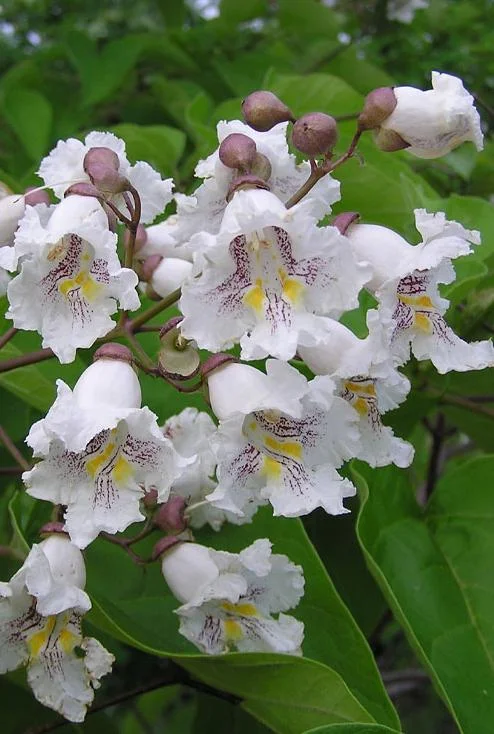
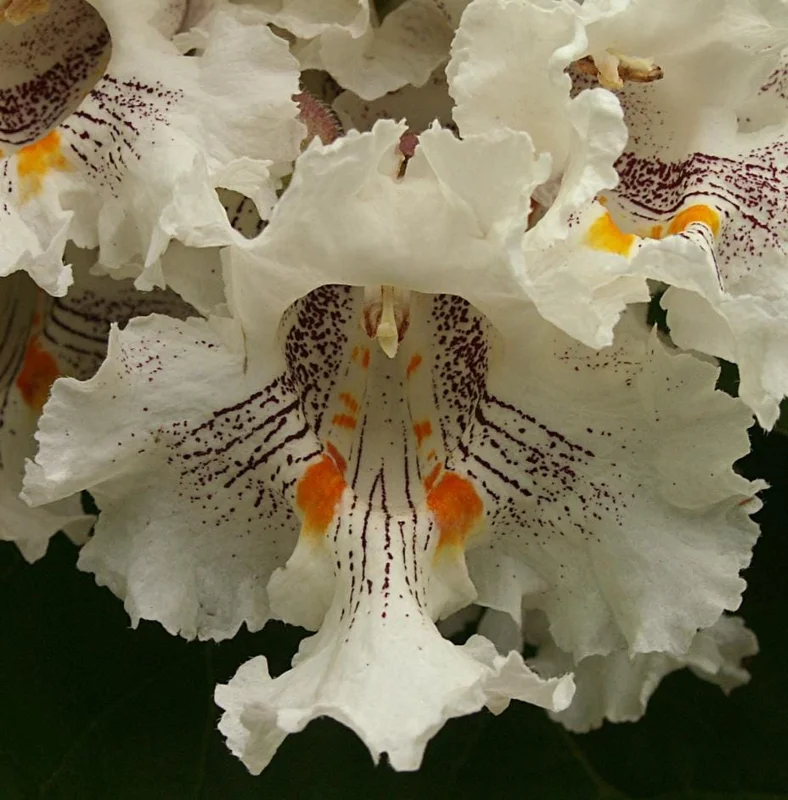
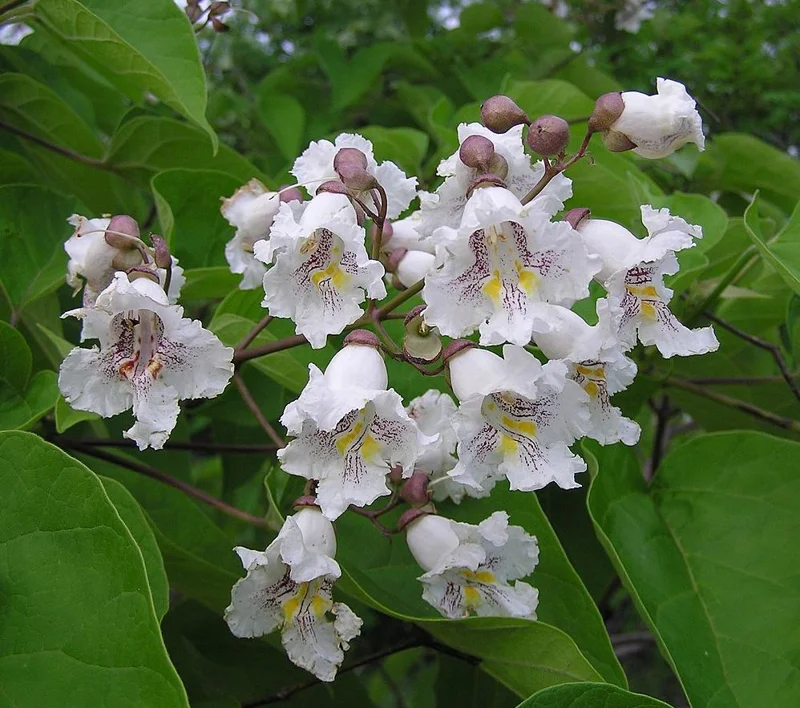
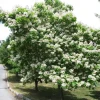
- Stunning Floral Display: In late spring to early summer, the tree produces abundant clusters of large, white, bell-shaped flowers with purple and yellow markings. These showy blooms create a spectacular visual appeal and attract pollinators.
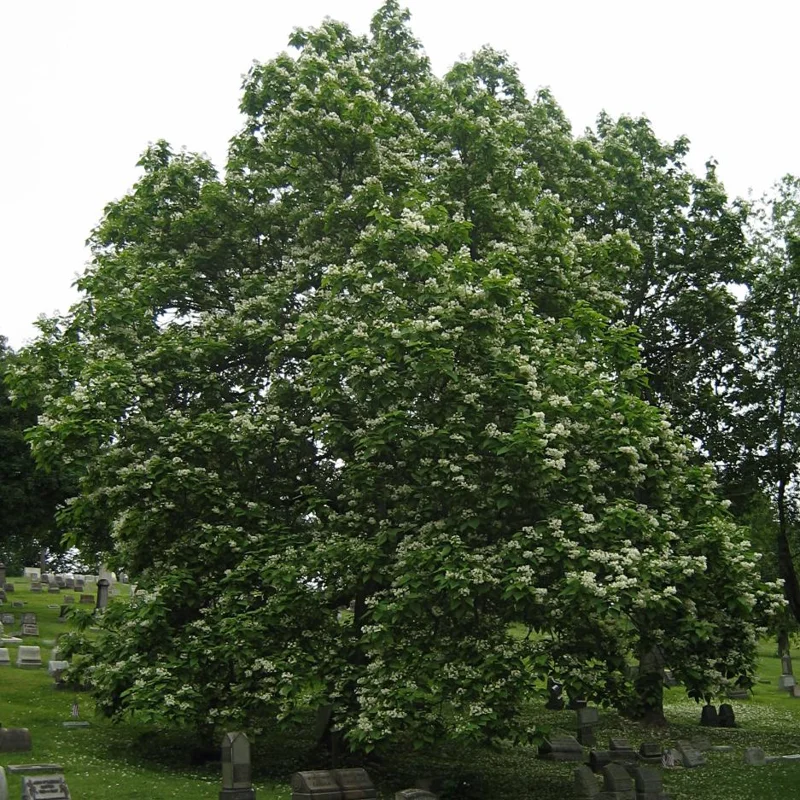
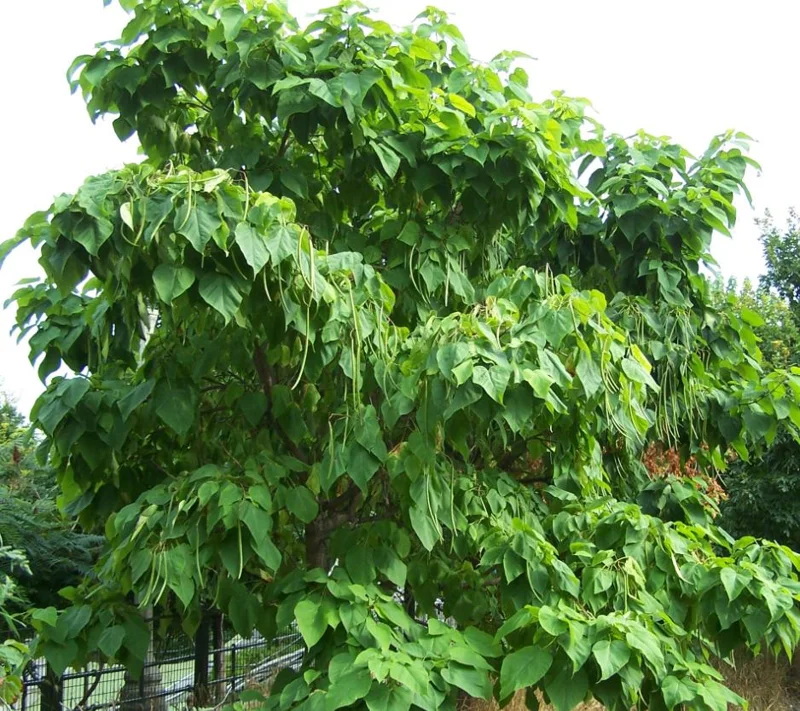
- Excellent Shade Tree: With its large leaves and broad canopy, the Catalpa tree is an ideal choice for providing dense, cooling shade during hot summer months, perfect for patios, picnic areas, or reducing energy costs.
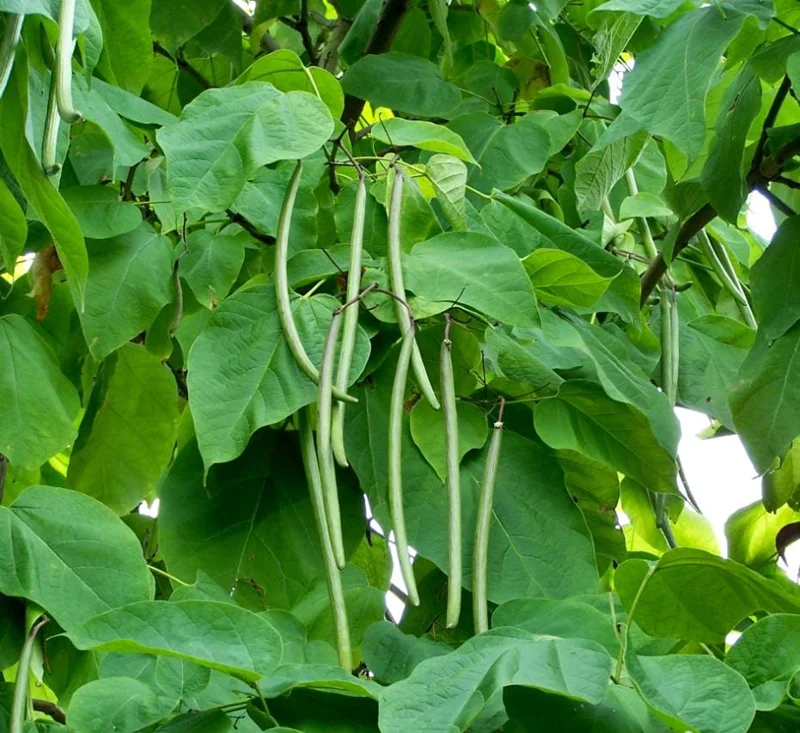
- Unique Seed Pods: Following the flowers, long, slender seed pods develop, resembling green beans, which mature to brown and persist through winter, adding unique textural interest to the winter landscape.
- Adaptable and Resilient: The Catalpa tree live plant is highly adaptable to a wide range of soil types, including clay and sandy soils, and becomes drought-tolerant once established, requiring less maintenance over time.
- Wildlife Attraction: The flowers provide nectar for bees and other pollinators, and the tree can serve as a habitat and food source for various bird species.
- Low Maintenance Once Established: After the initial establishment phase, these trees are relatively low maintenance, making them a great choice for gardeners seeking impactful but easy-care options.
Plant Care & Growing Tips
Caring for your Catalpa tree live plant ensures it develops into a strong, healthy specimen. When you receive your bare root Catalpa seedlings, it’s best to plant them as soon as possible. Choose a location that receives at least four hours of direct sunlight daily; full sun is ideal for optimal growth and flowering. Ensure the planting site has adequate space, as Catalpas can grow into large trees, reaching heights of 40-60 feet with a similar spread. Dig a hole that is twice as wide as the root ball and the same depth. Gently spread out the roots, place the seedling in the hole, and backfill with soil, ensuring no air pockets. Water thoroughly immediately after planting.
While Catalpa trees prefer fertile, well-drained soil, they are remarkably tolerant of various soil conditions, including clay, sand, and even periodically wet or dry soils once established. Consistent moisture is crucial for young trees during their first few growing seasons. Water deeply and regularly, especially during dry spells, to encourage a strong root system. Once established, these trees are quite drought-tolerant and will only require occasional watering during prolonged dry periods. Fertilize yearly in the spring with a balanced, slow-release granular fertilizer formulated for trees and shrubs to support healthy growth and vigor. Pruning is generally minimal, focused on removing dead, damaged, or crossing branches to maintain a strong structure.
The best time to plant your Catalpa tree seedlings is during spring or fall when soil temperatures are moderate and natural rainfall is often more abundant. These conditions help reduce transplant shock and allow the roots to establish before extreme weather. Protecting young trees from harsh winter winds in colder zones can be beneficial. The Northern Catalpa tree is generally hardy in USDA Zones 4-8, making it suitable for a wide range of climates across the United States. Keep an eye out for common pests or diseases, though Catalpas are generally quite resistant. Proper care will lead to a thriving, beautiful tree for many years.
Size & Details
This product includes a set of two Catalpa tree live plant bare root seedlings. Each seedling measures approximately 6 to 12 inches tall upon arrival, representing a healthy young plant ready for transplanting. Bare root seedlings are shipped without soil around their roots, minimizing shipping costs and stress on the plant during dormancy. This dormant state allows for easy handling and planting. Once planted and established, Catalpa trees are known for their impressive mature size, typically reaching heights of 40 to 60 feet with a similar spread, creating a magnificent, broad canopy. They have a moderate to fast growth rate, often adding 1-2 feet of height per year under ideal conditions.
The mature tree features large, heart-shaped leaves that can be up to 12 inches long, providing dense shade. The distinctive white, bell-shaped flowers appear in clusters in late spring to early summer, followed by long, slender seed pods that can reach 8 to 20 inches in length. These pods remain on the tree through winter, adding architectural interest. The seedlings are ready for immediate planting in your chosen outdoor location, and with proper care, will quickly begin to establish and grow into impressive shade trees. This bare root Catalpa set offers an excellent foundation for creating a long-lasting and beautiful landscape feature.
Frequently Asked Questions
- Q: How big does this plant get? A: A Catalpa tree live plant typically grows quite large, reaching mature heights of 40-60 feet with a similar spread, forming a broad, rounded canopy. Its impressive size makes it an excellent shade tree.
- Q: What size pot does it come in? A: These are bare root Catalpa seedlings, meaning they arrive without a pot and with their roots exposed, packed to maintain moisture during shipping. They are ready for direct planting into the ground.
- Q: Is this an indoor or outdoor plant? A: The Catalpa tree is an outdoor plant, best suited for planting directly in the ground where it has ample space to grow into a large shade tree. It is not suitable for indoor cultivation.
- Q: How much sunlight does it need? A: Catalpa trees thrive in full sun, requiring at least 6 hours of direct sunlight per day. They can tolerate partial sun but may not flower as profusely.
- Q: Is this plant easy to care for? A: Once established, Catalpa trees are relatively easy to care for and quite hardy. Young trees require consistent watering and protection, but mature trees are drought-tolerant and low maintenance. This makes how to grow Catalpa a straightforward process.
- Q: What condition will it arrive in? A: Your Catalpa tree seedlings will arrive as dormant bare root plants, carefully packaged to ensure their roots remain moist and protected during transit, ready for planting.
- Q: When is the best time to plant? A: The ideal time to plant bare root Catalpa seedlings is in early spring or fall, when the weather is cool and mild, allowing the roots to establish before extreme temperatures.
- Q: Will it survive winter in my zone? A: The Northern Catalpa tree (Catalpa speciosa) is hardy in USDA Zones 4-8, meaning it can tolerate winter conditions in a wide range of climates across the United States.
- Q: What type of soil does it prefer? A: While adaptable to many soil types, Catalpa trees prefer fertile, well-drained soil. They can tolerate clay, sand, and even somewhat wet conditions once established.
- Q: How long until it blooms? A: Catalpa trees typically begin to bloom within 3-5 years after planting, with their characteristic white, bell-shaped flowers appearing in late spring to early summer.



Reviews
There are no reviews yet.