Overview
Bring the exotic taste of the tropics to your home with a cherimoya live tree seedling. This healthy young plant, scientifically known as Annona cherimola, is often celebrated as the “custard apple” due to its uniquely sweet, creamy, and aromatic fruit. Perfect for discerning gardeners looking to expand their edible landscape, this cherimoya live tree promises a rewarding cultivation experience. Its attractive glossy green leaves add a lush, tropical aesthetic to any garden bed or large container, making it a beautiful addition even before it bears fruit. Starting with a seedling allows you to nurture this fascinating tree from its early stages, ensuring it adapts beautifully to its new environment.
The cherimoya tree for sale here is a fantastic opportunity to grow one of the world’s most prized fruits. Cherimoyas are native to the Andean valleys of South America and thrive in warm, frost-free climates. While it will require time and care to reach fruit-bearing maturity, the journey of growing your own exotic fruit is incredibly fulfilling. This cherimoya live tree is a robust seedling, ready to be established in your home garden or patio, bringing a touch of the exotic to your culinary adventures.
Key Benefits
Growing a cherimoya tree offers numerous advantages, from its unique fruit to its ornamental appeal. Here are some of the key benefits you can expect from your new tropical addition:
Exotic and Delicious Fruit Production
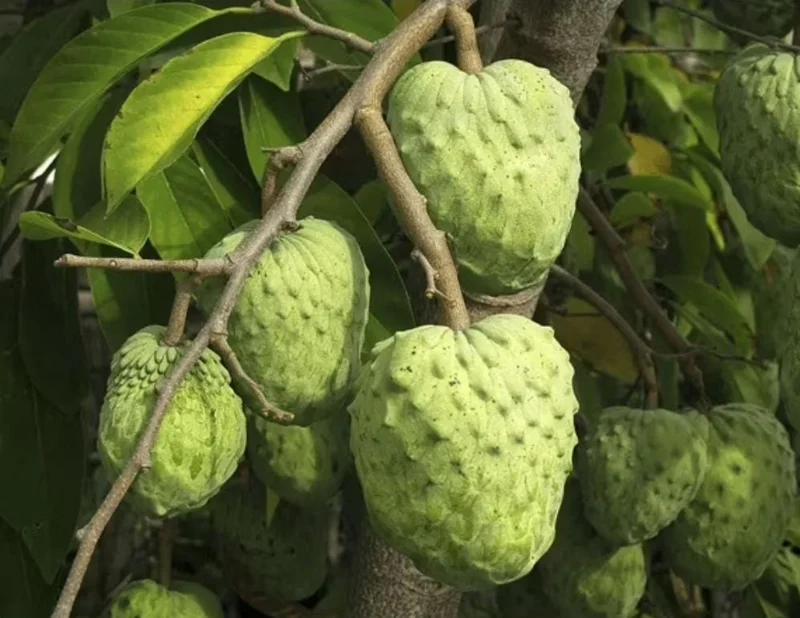
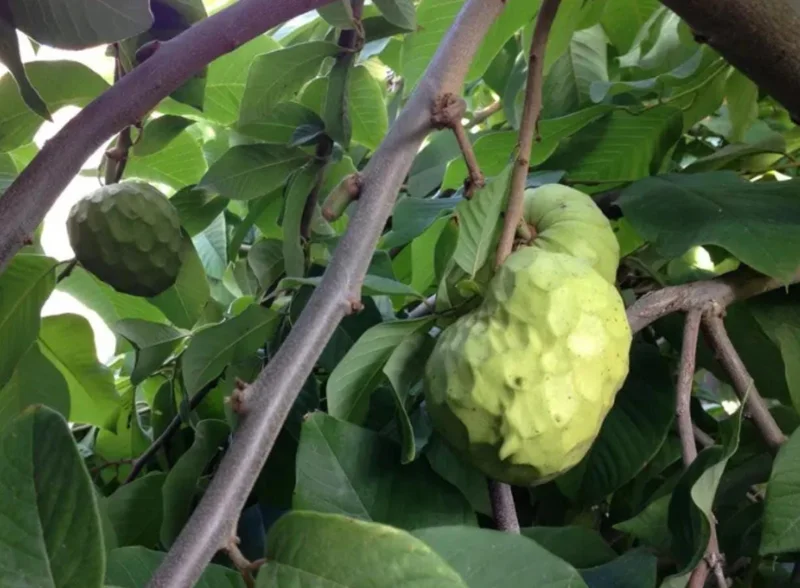
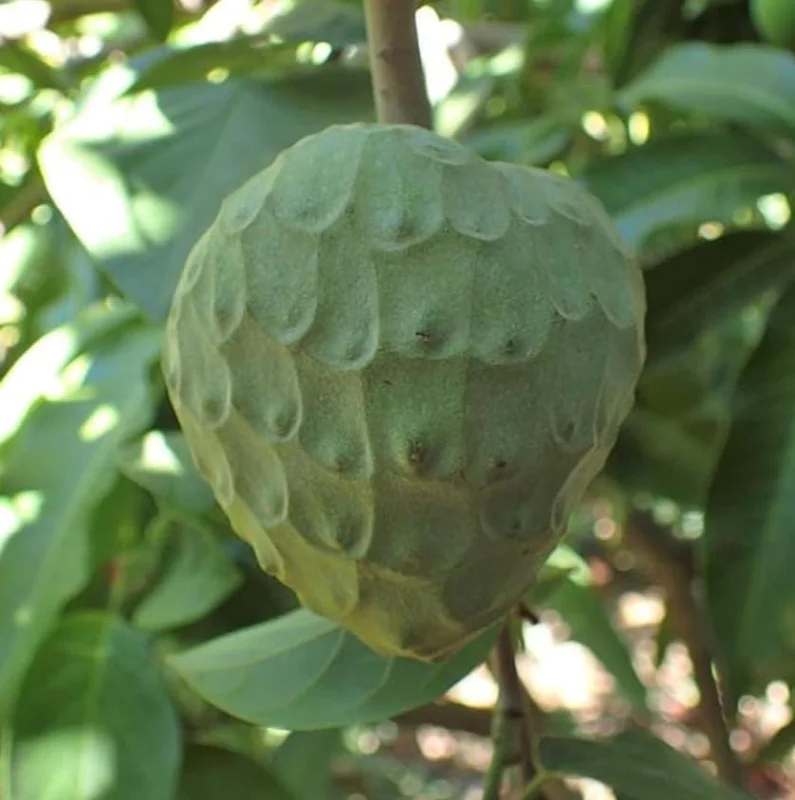
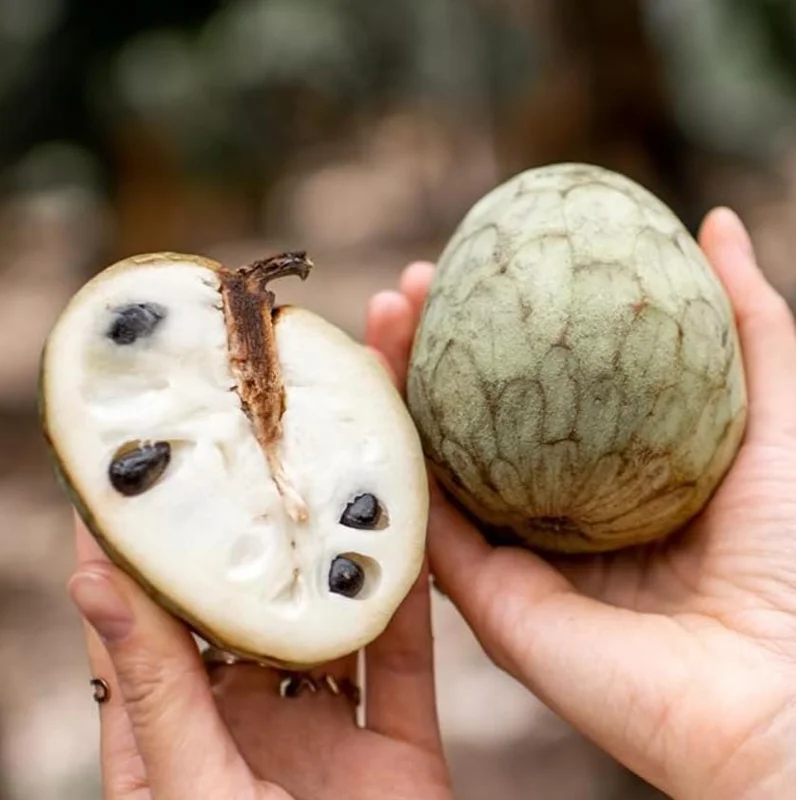
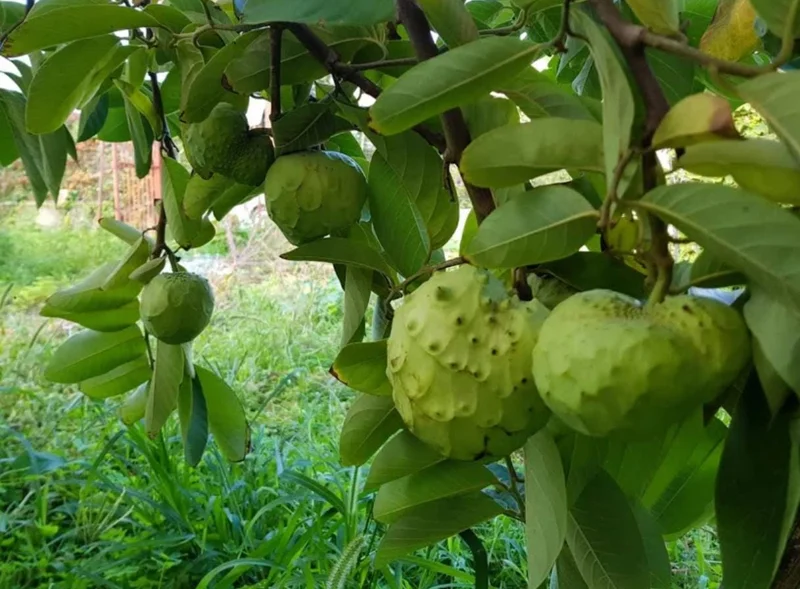
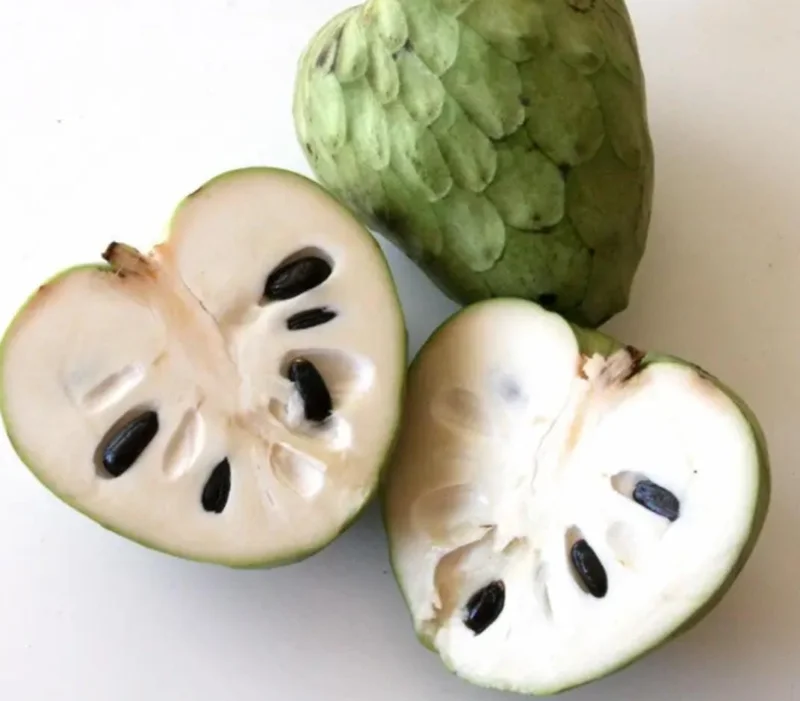
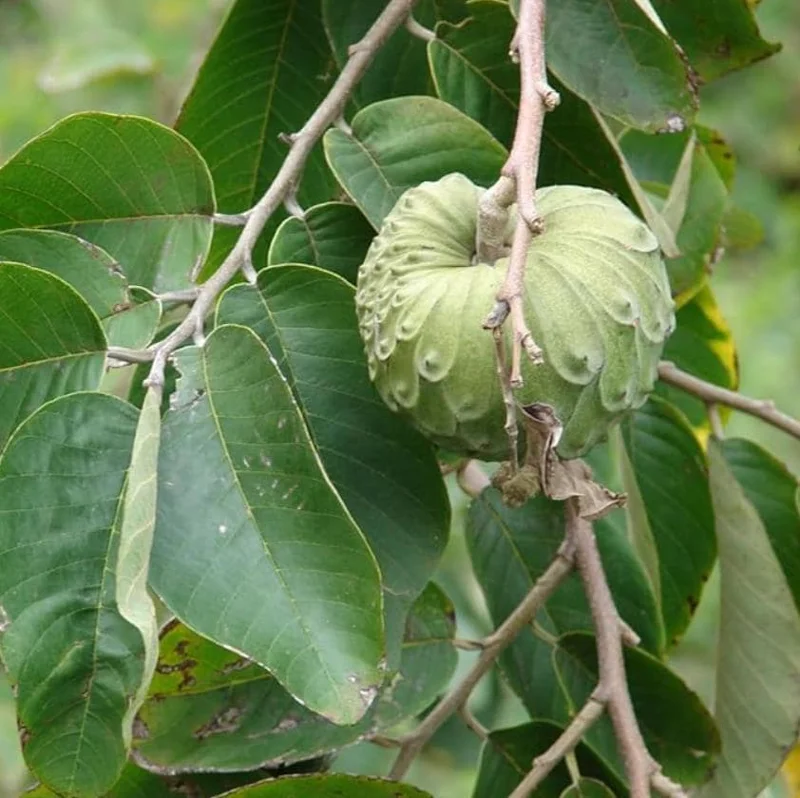
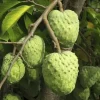
The primary draw of the cherimoya is its extraordinary fruit. Often described as a blend of pineapple, mango, and strawberry with a creamy texture, the cherimoya fruit is a true delicacy. Growing your own ensures a fresh, organic supply of this highly sought-after treat, allowing you to enjoy its unique flavor right from your backyard. This cherimoya live tree will eventually produce these large, green, heart-shaped fruits.
Attractive Tropical Foliage
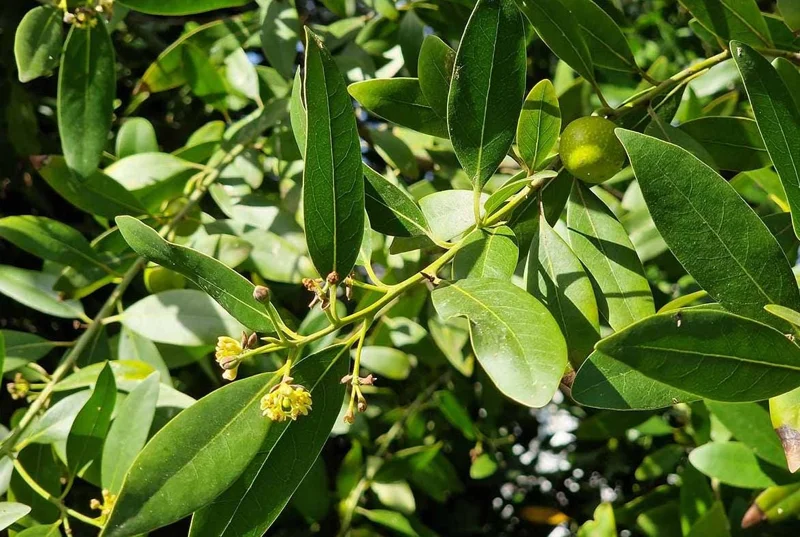
Beyond its fruit, the cherimoya tree is a beautiful ornamental plant. Its large, glossy, dark green leaves provide a lush, tropical feel to any setting. The dense foliage offers welcome shade and contributes significantly to the aesthetic appeal of your garden or patio, making it a focal point even when not in fruit.
Adaptable for Container or Garden Growth
This cherimoya live tree is versatile enough to be grown in the ground in suitable climates or in a large container for those in cooler regions who wish to bring it indoors during colder months. Its adaptability makes it accessible to a wider range of gardeners, allowing everyone to experience the joy of growing this tropical wonder.
Rewarding Growing Experience
For those who enjoy nurturing plants, learning how to grow cherimoya tree is an incredibly rewarding endeavor. Watching it mature, develop flowers, and eventually produce fruit provides a deep sense of accomplishment. It’s a journey that connects you more closely with nature and the origins of your food.
Unique Culinary Ingredient
The versatility of cherimoya fruit in the kitchen is immense. It can be eaten fresh, added to smoothies, desserts, or used in savory dishes. Having a fresh supply allows for creative culinary experimentation, bringing gourmet flavors to your table that are difficult to find in conventional grocery stores. Many who grow cherimoya tree do so for its exceptional fruit.
Conversation Starter
A cherimoya tree is not just a plant; it’s a statement. Its exotic nature and delicious fruit often spark curiosity and conversation among guests. It’s a unique addition that sets your garden apart and showcases your passion for unusual and rewarding plants.
Plant Care & Growing Tips
To successfully grow cherimoya tree and ensure it thrives, understanding its specific care requirements is crucial. This tropical plant, Annona cherimola, appreciates a consistent routine and protection from harsh conditions. Providing the right environment from the start will lead to a healthier, more productive tree.
Sunlight Requirements: Cherimoyas prefer full sun to partial shade. In very hot climates, some afternoon shade can protect the leaves from scorching. Aim for at least 6-8 hours of direct sunlight per day if possible. Young seedlings like this cherimoya live tree may benefit from a bit more protection from intense midday sun initially, gradually acclimating them to brighter conditions.
Watering: Consistent moisture is key, especially during flowering and fruiting periods. Water regularly, keeping the soil moist but never waterlogged. Allow the top inch or two of soil to dry out slightly between waterings. Reduce watering frequency during cooler, dormant periods. Ensure good drainage to prevent root rot, which is a common issue for many tropical fruit trees.
Soil Type and Drainage: Cherimoyas thrive in fertile, well-draining soil with a slightly acidic to neutral pH (6.0-7.0). A rich, loamy soil amended with organic matter like compost or aged manure is ideal. If growing in a container, use a high-quality potting mix designed for fruit trees or tropical plants, ensuring it has excellent drainage. This will help your cherimoya live tree establish a strong root system.
Temperature and Hardiness: Cherimoyas are sensitive to frost and thrive in warm, subtropical climates. They are generally suited for USDA Zones 9-11. Temperatures below 28°F (-2°C) can cause significant damage or even kill the tree. If you live in a colder zone, it’s best to grow your cherimoya in a large pot that can be moved indoors during winter. Protect young trees from cold snaps, even in warmer zones, by covering them or bringing them inside.
Fertilization: Feed your cherimoya plant care with a balanced fertilizer formulated for fruit trees, especially during its active growing season (spring and summer). Follow the manufacturer’s instructions for application rates. Young trees benefit from regular, light feedings to support vigorous growth. Avoid fertilizing heavily in late fall or winter.
Pruning: Prune your cherimoya tree to maintain its shape, promote air circulation, and encourage fruit production. Light pruning can be done after the fruiting season to remove dead or diseased branches and to open up the canopy. For those learning how to grow cherimoya tree, understanding proper pruning techniques will be beneficial.
Size & Details
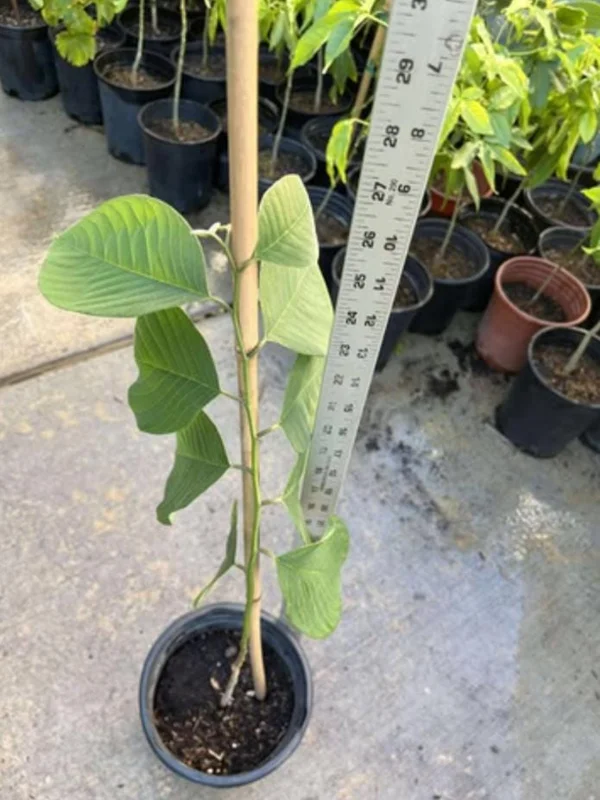
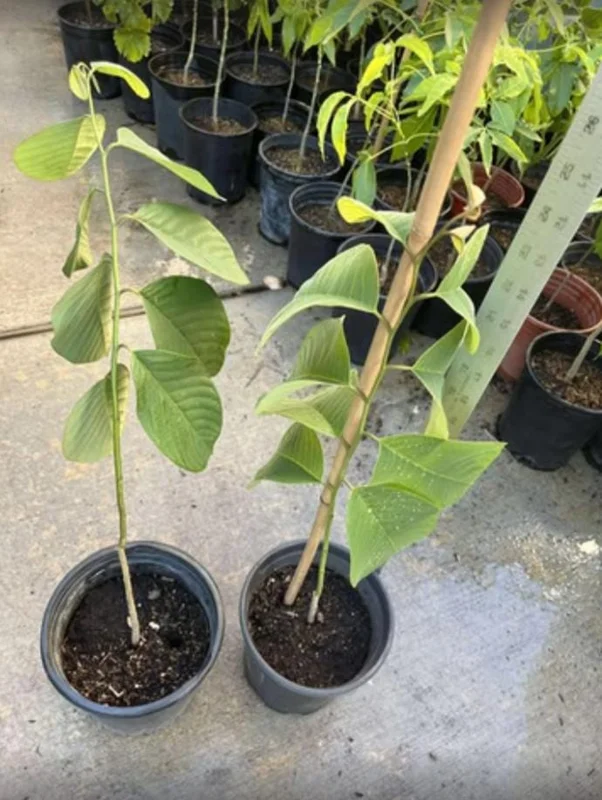
This offering is for a healthy cherimoya live tree seedling, typically ranging from 2 to 2.5 feet tall, including the height of the pot. It is grown and shipped in a 1-gallon nursery pot, providing a robust root system ready for transplanting. Please note that this is a young seedling and will require time and proper care to mature into a fruit-bearing tree. The exact size may vary slightly depending on the season and individual growing conditions, as plants are living organisms. This size is ideal for establishing in your chosen location, whether it’s a garden bed or a larger decorative container. Expect a moderate growth rate, with the tree reaching a mature height of 15-30 feet if planted in the ground and allowed to grow naturally, though it can be kept smaller with regular pruning in containers. The journey to enjoying your own cherimoya fruit is a patient one, but incredibly rewarding.
Frequently Asked Questions
-
Q: How big will this cherimoya live tree get?
A: This offering is for a 2-2.5 foot tall seedling. When mature, a cherimoya tree can reach heights of 15-30 feet if planted in the ground, but its size can be managed with pruning, especially when grown in a container.
-
Q: What size pot does it come in?
A: The cherimoya live tree seedling is shipped in a standard 1-gallon nursery pot, which is suitable for its current size and provides a good foundation for transplanting.
-
Q: Is this an indoor or outdoor plant?
A: Cherimoyas are tropical fruit trees best suited for outdoor planting in USDA Zones 9-11. In colder climates, they can be grown outdoors during warm months and brought indoors as a container plant during winter to protect them from frost.
-
Q: How much sunlight does it need to grow cherimoya tree?
A: Cherimoyas prefer full sun to partial shade, ideally receiving 6-8 hours of direct sunlight daily. In very hot climates, some afternoon shade can be beneficial to prevent leaf scorch.
-
Q: Is this cherimoya plant easy to care for?
A: While not exceptionally difficult, cherimoyas do require specific conditions, including consistent watering, well-draining soil, and protection from frost. With proper cherimoya plant care, they can thrive and be a rewarding addition to your garden.
-
Q: What condition will the cherimoya live tree arrive in?
A: Your cherimoya live tree will arrive as a healthy, actively growing seedling in its 1-gallon pot, carefully packaged to ensure its safe transit. It may experience some minor stress from shipping, but will quickly recover with proper care.
-
Q: How long until it produces fruit?
A: This is a young seedling, so it will typically take 3-5 years from planting to start producing fruit, depending on growing conditions and care. Patience is key when you grow cherimoya tree from a seedling.
-
Q: What’s the best time to plant a cherimoya?
A: The best time to plant a cherimoya is in spring or early summer, after all danger of frost has passed, allowing the tree ample time to establish its root system before cooler weather arrives. For indoor container growing, it can be planted year-round.
-
Q: Is the Annona cherimola susceptible to any common pests or diseases?
A: Like many fruit trees, Annona cherimola can be susceptible to pests like mealybugs and scale, and diseases such as anthracnose. Good air circulation and proper cultural practices are essential for prevention, and prompt treatment if issues arise.
-
Q: Can I grow a cherimoya tree from seed?
A: Yes, cherimoyas can be grown from seed, but seedling trees may not always produce fruit true to the parent and can take longer to bear fruit. Purchasing a seedling like this cherimoya live tree ensures a head start and more predictable fruit quality.





Reviews
There are no reviews yet.