Overview
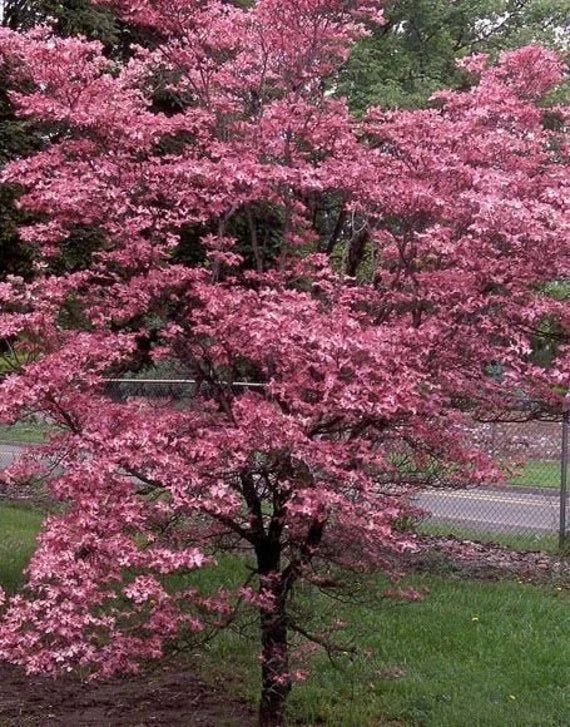
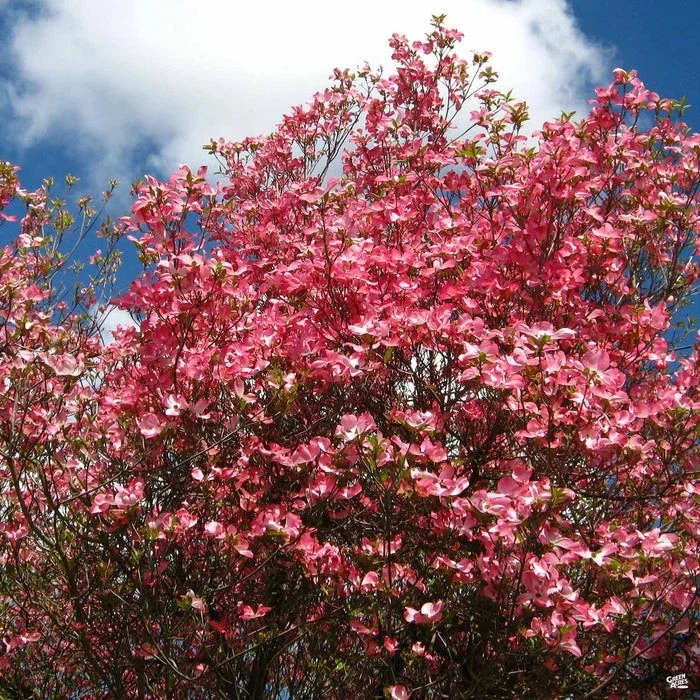
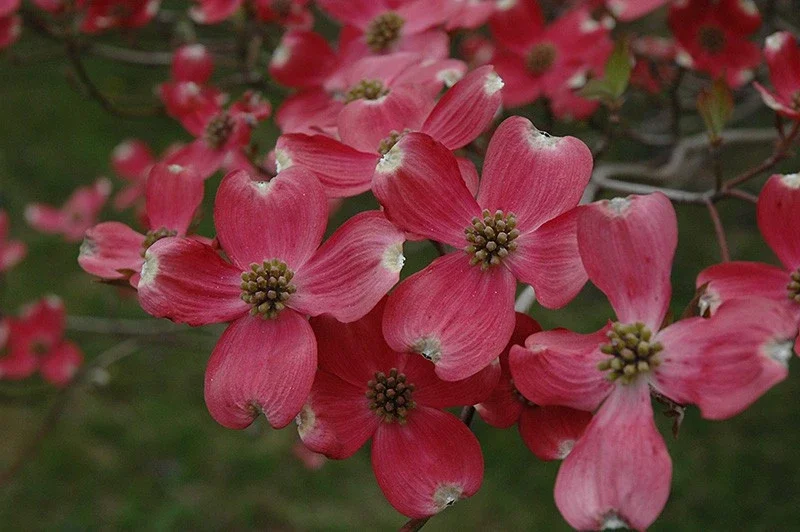
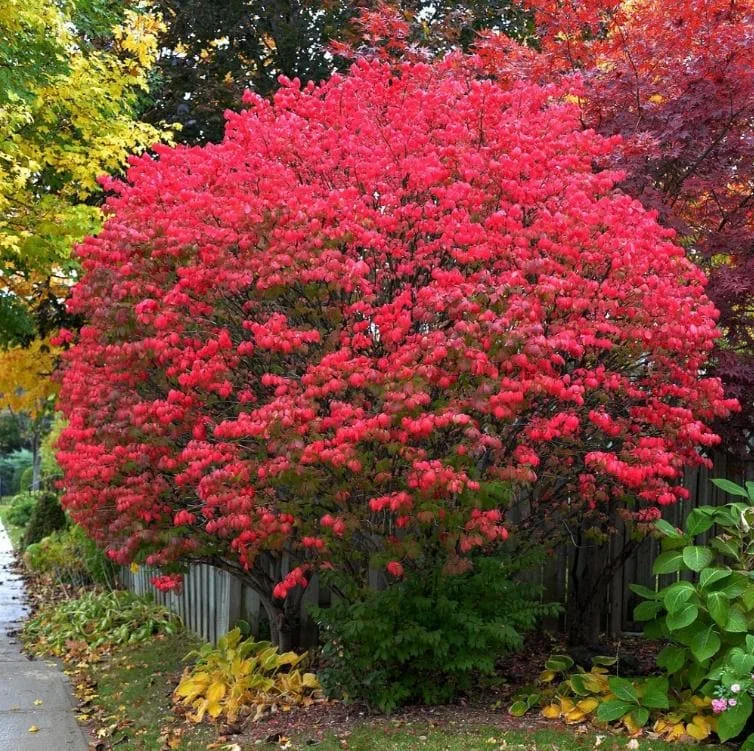
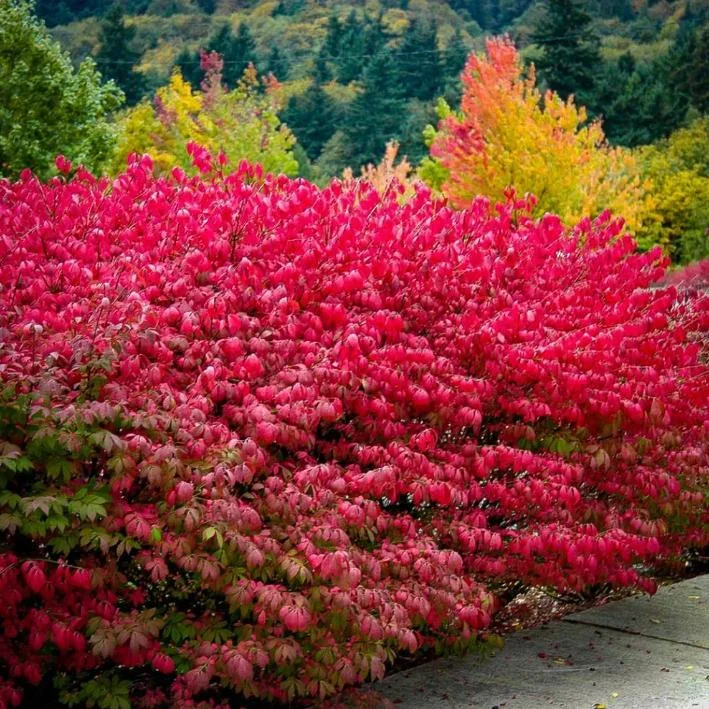
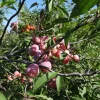
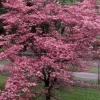
Transform your garden into a vibrant sanctuary with the stunning Cherokee Chief Dogwood live plant. This exceptional variety of dogwood tree, scientifically known as Cornus florida ‘Cherokee Chief’, is renowned for its breathtaking display of rich, ruby-red flowers that emerge in spring. As a deciduous tree, it provides seasonal interest, from its brilliant spring blossoms to its attractive green foliage that turns to shades of red and purple in the fall. This particular offering is for a live plant, standing at least 18 inches tall, ready to be established in your outdoor landscape. The red flowering dogwood tree is a classic choice for adding elegance and natural beauty to any yard or garden, making it a focal point with its unique branching structure and vibrant color.
The ‘Cherokee Chief’ cultivar is celebrated for its vigorous growth and reliable blooming, making it a favorite among gardeners. It’s a relatively low-maintenance tree once established, offering years of enjoyment. Whether you’re looking to create a stunning spring display, add shade, or attract local wildlife, this dogwood is an excellent choice. Its upright, spreading habit makes it suitable for a variety of garden designs, from woodland settings to more formal landscapes, ensuring your garden stands out with its distinctive charm.
Key Benefits
The Cherokee Chief Dogwood live plant offers numerous advantages for any outdoor space, enhancing both aesthetics and ecological value. Its distinctive features make it a highly desirable addition to diverse garden styles.
- Spectacular Spring Blooms: Enjoy an abundance of vivid ruby-red flowers each spring, creating a dramatic and beautiful focal point in your garden. The showy bracts provide long-lasting color before the foliage fully emerges.
- Year-Round Interest: Beyond its spring flowers, this tree offers attractive green leaves in summer, which transition to brilliant red and purple hues in autumn. Its distinctive bark and branching structure add visual appeal even in winter.
- Wildlife Attraction: The flowers attract pollinators, and the bright red berries that follow in late summer and fall provide a valuable food source for birds, contributing to local biodiversity.
- Versatile Landscape Use: Ideal as a specimen tree, for planting in groups, or as an understory tree in larger landscapes. Its moderate size makes it suitable for a range of garden designs.
- Relatively Low Maintenance: Once established, the red flowering dogwood tree requires minimal care, making it a great choice for gardeners seeking high impact with less effort. It’s known for its robust nature and disease resistance.
- Shade and Structure: Provides welcome dappled shade in warmer months, perfect for creating comfortable outdoor living spaces. Its mature form adds significant structure to your garden.
Plant Care & Growing Tips
Caring for your Cherokee Chief Dogwood live plant is straightforward, ensuring years of beautiful blooms and healthy growth. These trees thrive with proper attention to their environmental needs, particularly regarding sunlight, water, and soil. For optimal growth, plant your dogwood in a location that receives full sun to partial shade. Full sun encourages the most abundant flowering, but partial shade, especially in hotter climates, can protect the leaves from scorch during the intense afternoon heat. Aim for at least 4-6 hours of direct sunlight daily for the best results.
The ideal soil for Cornus florida Cherokee Chief is well-draining, acidic, and rich in organic matter. While adaptable, it prefers a loamy soil texture. Avoid heavy clay soils that retain too much moisture, as this can lead to root rot. When planting, amend the soil with compost to improve drainage and fertility. Consistent moisture is crucial, especially during the first few years after planting. Water regularly, ensuring the soil remains evenly moist but not waterlogged. Deep watering is better than frequent shallow watering, encouraging the roots to grow deeper. Reduce watering frequency in cooler months. This tree is suitable for USDA hardiness zones 5-9, tolerating a range of temperatures.
Fertilization should be done sparingly. A balanced, slow-release fertilizer applied in early spring can promote healthy growth and flowering, but over-fertilization can harm the tree. Pruning is generally minimal, focusing on removing dead, damaged, or crossing branches to maintain a strong structure and good air circulation. The best time for pruning is in late winter or early spring before new growth begins. Keep an eye out for common dogwood issues like powdery mildew or anthracnose, and address them promptly with appropriate fungicides or cultural practices. Ensuring good air circulation and avoiding overhead watering can help prevent fungal diseases, keeping your dogwood tree care routine simple and effective.
Size & Details
This offering is for one Cherokee Chief Dogwood live plant, which will arrive ready for planting. Each plant measures at least 18 inches in height upon shipment, providing a well-established starter for your garden. These trees are known for their moderate growth rate, typically adding 12-24 inches of height per year under ideal conditions. At maturity, the ‘Cherokee Chief’ dogwood can reach a height of 15-20 feet with a similar spread, forming a beautiful, rounded canopy. Its compact size makes it an excellent choice for smaller gardens or for planting beneath larger shade trees.
The plant is shipped as a live, healthy specimen, carefully packaged to ensure its safe arrival. While exact pot size may vary, the plant’s robust root system is developed enough to transplant successfully into your desired garden location. Expect to see its first vibrant red blooms in the spring following establishment, with more abundant flowering as the tree matures. The deep red color of the flowers is a hallmark of the Cornus florida Cherokee Chief, making it a highly sought-after ornamental tree. This deciduous tree will provide a striking visual impact for many years.
Frequently Asked Questions
- Q: How big will my Cherokee Chief Dogwood live plant get? A: A: At maturity, a Cherokee Chief Dogwood live plant typically reaches a height of 15-20 feet with a similar spread. This live plant is currently over 18 inches tall and will grow steadily.
- Q: Is this an indoor or outdoor plant? A: The Cherokee Chief Dogwood live plant is an outdoor tree, best suited for planting in your garden or landscape. It requires outdoor conditions to thrive and produce its signature blooms.
- Q: How much sunlight does a red flowering dogwood tree need? A: For optimal growth and flowering, a red flowering dogwood tree prefers full sun to partial shade, meaning at least 4-6 hours of direct sunlight per day. In hotter climates, some afternoon shade is beneficial.
- Q: What condition will the dogwood tree arrive in? A: The Cherokee Chief Dogwood live plant will arrive as a healthy, live specimen, carefully packaged to minimize stress during transit. It will be ready for immediate planting upon arrival.
- Q: Is this dogwood tree easy to care for? A: Yes, once established, the ‘Cherokee Chief’ dogwood is considered relatively low-maintenance. Consistent watering during its first few years and minimal pruning are key to successful dogwood tree care.
- Q: When is the best time to plant a Cornus florida Cherokee Chief? A: The best time to plant a Cornus florida Cherokee Chief is in spring or early fall. This allows the tree to establish its root system before extreme weather conditions.
- Q: What USDA hardiness zones is this dogwood suitable for? A: The Cherokee Chief Dogwood is hardy in USDA zones 5 through 9, making it suitable for a wide range of climates across the United States.
- Q: What kind of soil does this tree prefer? A: It thrives in well-draining, acidic soil rich in organic matter. Avoid heavy clay soils that can lead to waterlogging.
- Q: Will this tree attract wildlife to my garden? A: Yes, the flowers attract pollinators, and the red berries produced in late summer and fall are a food source for various bird species, enhancing your garden’s ecosystem.
- Q: How long until I see the red flowers? A: You can expect to see the beautiful red flowers in the spring following its establishment in your garden, with blooming becoming more prolific as the tree matures.




Reviews
There are no reviews yet.