Overview
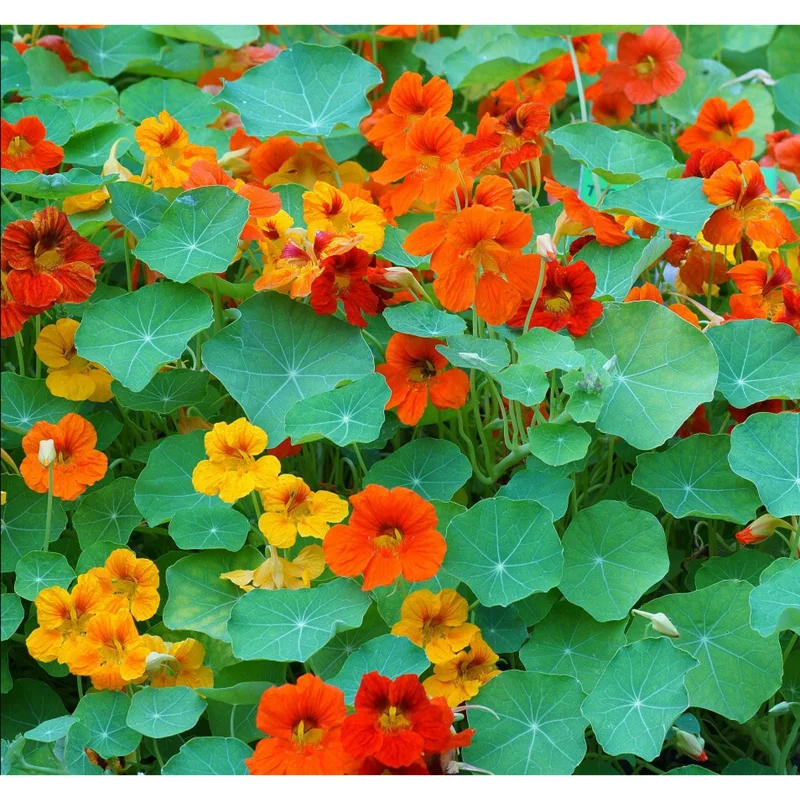
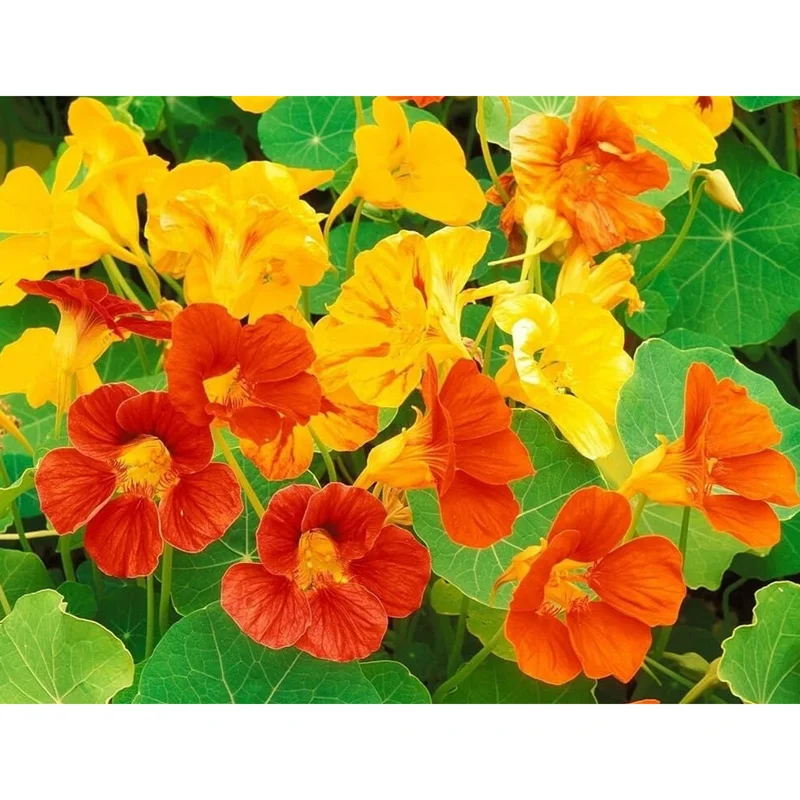
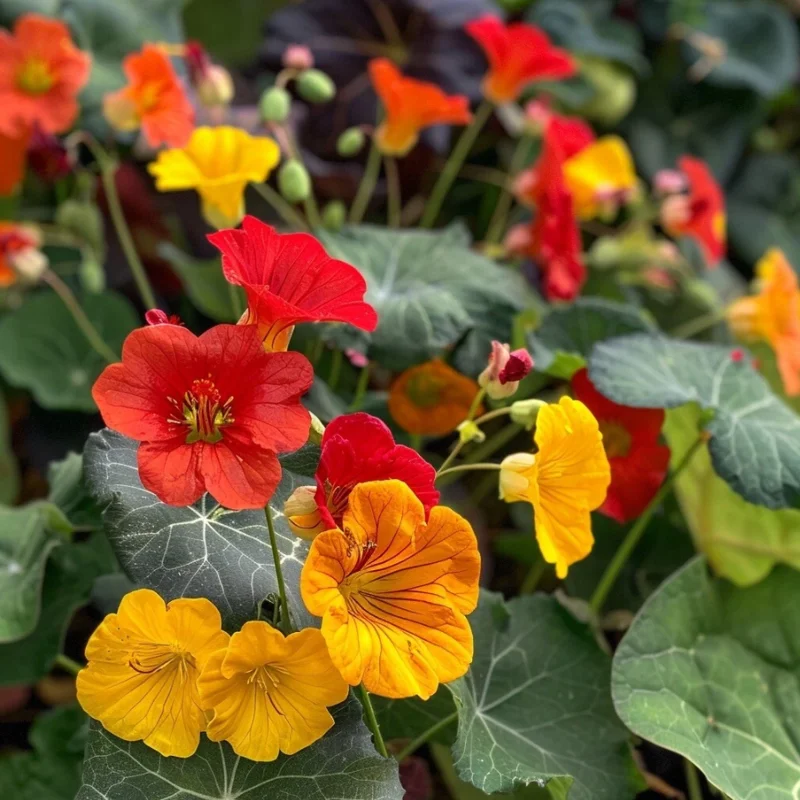
Introduce a cascade of color and charm to your outdoor living spaces with a beautiful climbing nasturtium live plant. These versatile and vigorous plants, part of the Tropaeolum genus, are celebrated for their vibrant, often fiery-hued flowers and distinctive, lily-pad-like foliage. Perfect for adding vertical interest to your garden, these nasturtiums will readily climb trellises, spill gracefully from hanging baskets, or spread as an attractive ground cover. Known for their rapid growth and relatively low maintenance, they are an excellent choice for both novice and experienced gardeners looking to enhance their landscape with minimal fuss. Beyond their ornamental appeal, nasturtiums are also famous for their peppery, edible flowers and leaves, making them a dual-purpose addition to any garden.
This particular offering provides you with a healthy, established climbing nasturtium live plant, ready to be transplanted and begin its journey of growth and bloom in your garden. Our plants are carefully nurtured to ensure they arrive robust and prepared to flourish. Whether you’re aiming to create a vibrant floral display, attract pollinators, or simply enjoy the unique flavor of edible nasturtium flowers, this plant is an ideal starting point for a successful and rewarding gardening experience.
Key Benefits
Bringing a climbing nasturtium live plant into your garden offers a multitude of advantages, combining aesthetic appeal with practical benefits. These plants are truly a gardener’s delight.
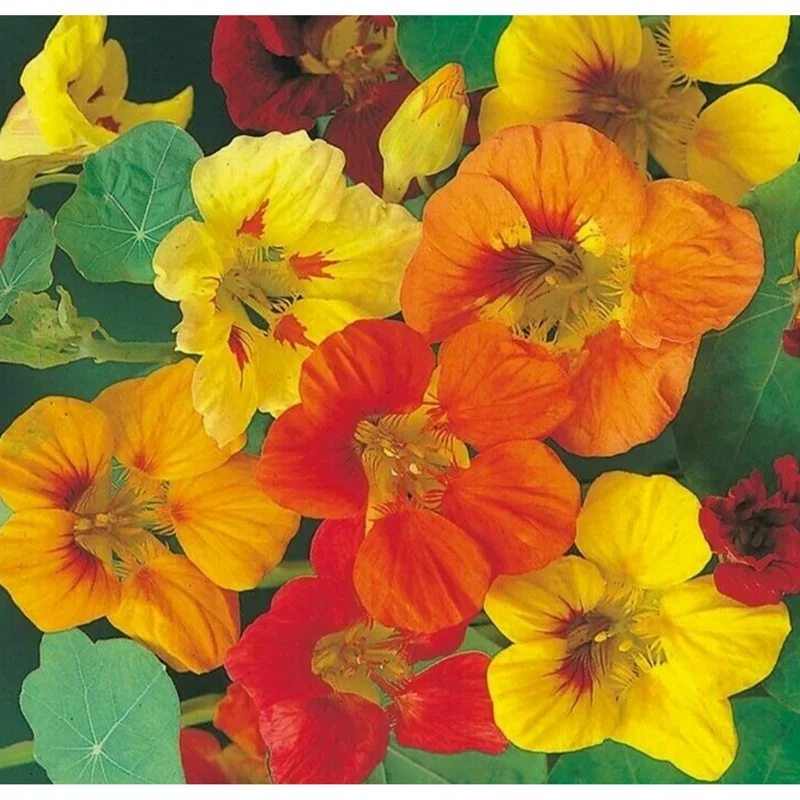
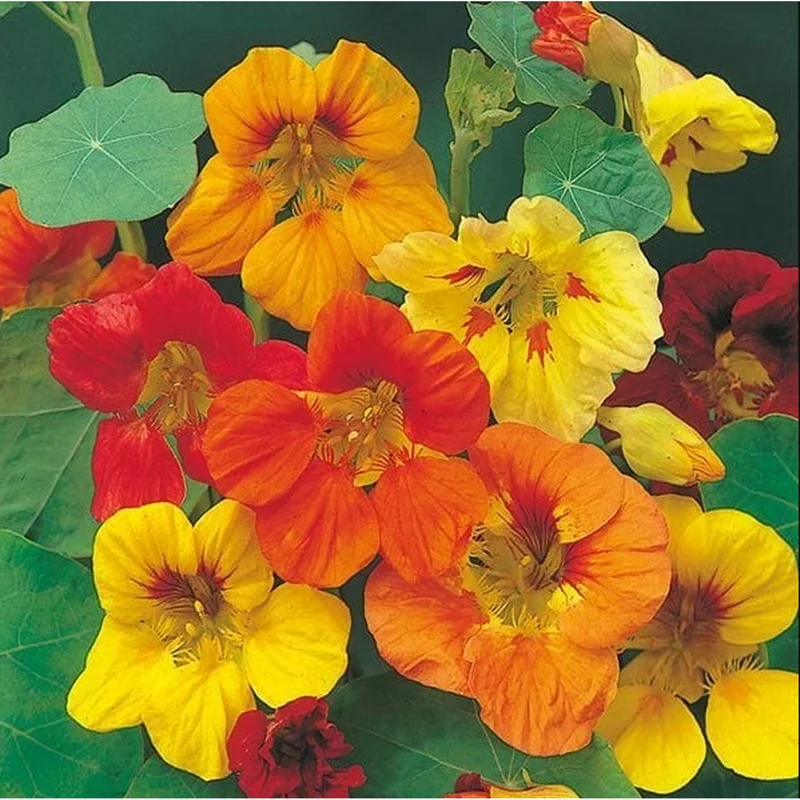
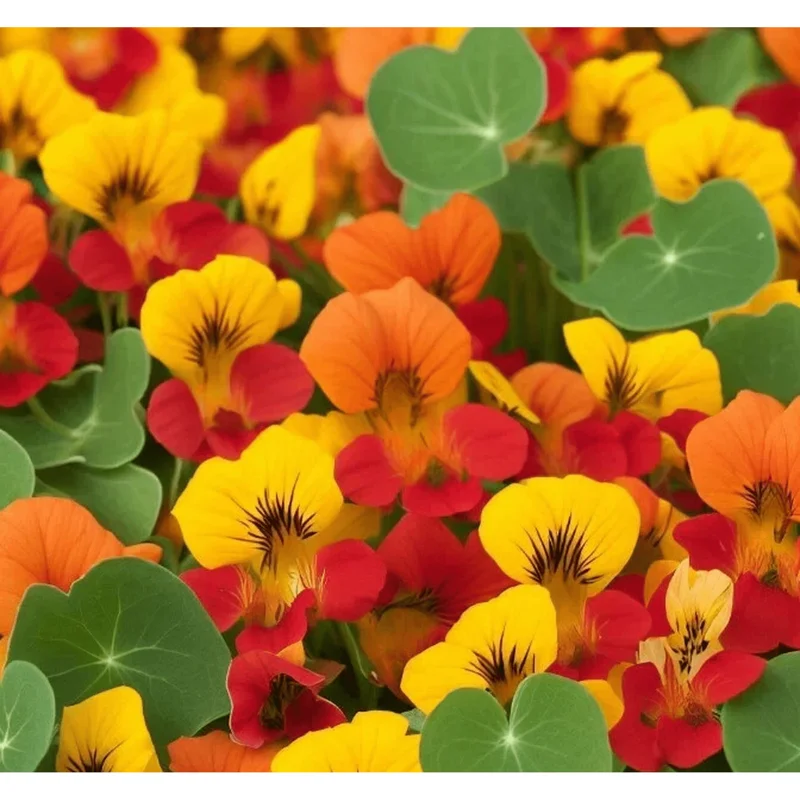
- Vibrant & Continuous Blooms: Enjoy a long season of cheerful, colorful flowers that can range from bright yellows and oranges to deep reds, adding a spectacular visual display to your garden beds, containers, or climbing structures. The prolific blooming ensures constant beauty.
- Easy to Grow & Low Maintenance: Nasturtiums are remarkably resilient and undemanding. They thrive in a variety of conditions and require minimal intervention once established, making them perfect for busy gardeners or those new to plant care. This ease of growth contributes to the popularity of growing nasturtium in pots.
- Edible Flowers & Leaves: Both the flowers and leaves of nasturtium plants are edible, offering a distinctive peppery flavor that can elevate salads, sandwiches, and garnishes. This makes them a fantastic addition for culinary enthusiasts seeking fresh, homegrown ingredients, including edible nasturtium flowers.
- Attracts Pollinators: The bright, open flowers are a magnet for beneficial pollinators like bees and hummingbirds, helping to support local ecosystems and improve the yield of other fruiting plants in your garden.
- Versatile Growth Habit: As a climbing variety, this climbing nasturtium live plant can be trained to ascend trellises, fences, or arbors, creating stunning vertical accents. Alternatively, it can be allowed to trail gracefully over walls, in hanging baskets, or as a vibrant ground cover.
- Natural Pest Deterrent: Nasturtiums are known to act as a trap crop for certain garden pests like aphids, drawing them away from more valuable vegetables and ornamental plants. This natural pest management can reduce the need for chemical interventions.
- Adaptable to Various Settings: Whether you have a spacious garden, a small balcony, or a sunny windowsill, a climbing nasturtium live plant can find a happy home. Its adaptability makes it a versatile choice for diverse gardening projects.
Plant Care & Growing Tips
Caring for your climbing nasturtium live plant is straightforward, ensuring a rewarding display of flowers and foliage. These plants are known for their hardiness and ability to thrive with minimal fuss, making them an excellent choice for gardeners of all skill levels. Understanding their basic needs will help you get the most out of your nasturtiums.
Sunlight Requirements: Nasturtiums thrive in full sun, meaning they need at least six to eight hours of direct sunlight daily to produce the most abundant blooms. While they can tolerate some partial shade, especially in hotter climates, too much shade will result in fewer flowers and more foliage. When growing nasturtium in pots, ensure they are placed in a location that receives ample sunshine throughout the day.
Watering Schedule and Soil Moisture: These plants prefer consistently moist soil, especially when young or when grown in containers where soil tends to dry out faster. Aim for about 1 inch of water per week, either from rainfall or irrigation. However, it’s crucial to avoid overwatering, as soggy conditions can lead to root rot. Allow the top inch or two of soil to dry out slightly between waterings. Mature plants are somewhat drought-tolerant but will perform best with regular moisture. Proper watering is key to healthy nasturtium plant care.
Soil Type and Drainage Requirements: Nasturtiums are not particularly fussy about soil, but they do best in relatively infertile, well-draining soil. Rich, fertile soil can encourage excessive foliage growth at the expense of flowers. A sandy loam with good drainage is ideal. If planting in containers, use a standard potting mix blended with some perlite or sand to enhance drainage. Ensure your pots have drainage holes to prevent waterlogging.
Temperature Range and USDA Hardiness Zone: Nasturtiums are typically grown as annuals in most regions of the US, as they are not frost-tolerant. They prefer cooler temperatures for germination and initial growth but flourish in warm weather. They are generally suited for growing in USDA zones 2-11 as annuals, or can be perennial in frost-free zones (USDA zones 9-11). Protecting them from late spring frosts and early autumn freezes is important. For nasturtium climbing varieties, consistent warm temperatures encourage vigorous growth.
Fertilization Schedule and Type: Over-fertilizing nasturtiums, especially with high-nitrogen fertilizers, can lead to lush foliage but few flowers. If your soil is poor, a light application of a balanced, low-nitrogen fertilizer once or twice during the growing season may be beneficial. Otherwise, nasturtiums typically do not require heavy feeding. Focus on providing good light and water for optimal bloom production.
Common Problems and Solutions: Nasturtiums are generally pest-resistant, but they can occasionally attract aphids. Often, they act as a trap crop, drawing aphids away from other plants. A strong spray of water can dislodge aphids, or insecticidal soap can be used for heavier infestations. Watch out for powdery mildew in humid conditions; ensuring good air circulation can help prevent this. Regular inspection as part of your nasturtium plant care routine will help catch issues early.
Size & Details
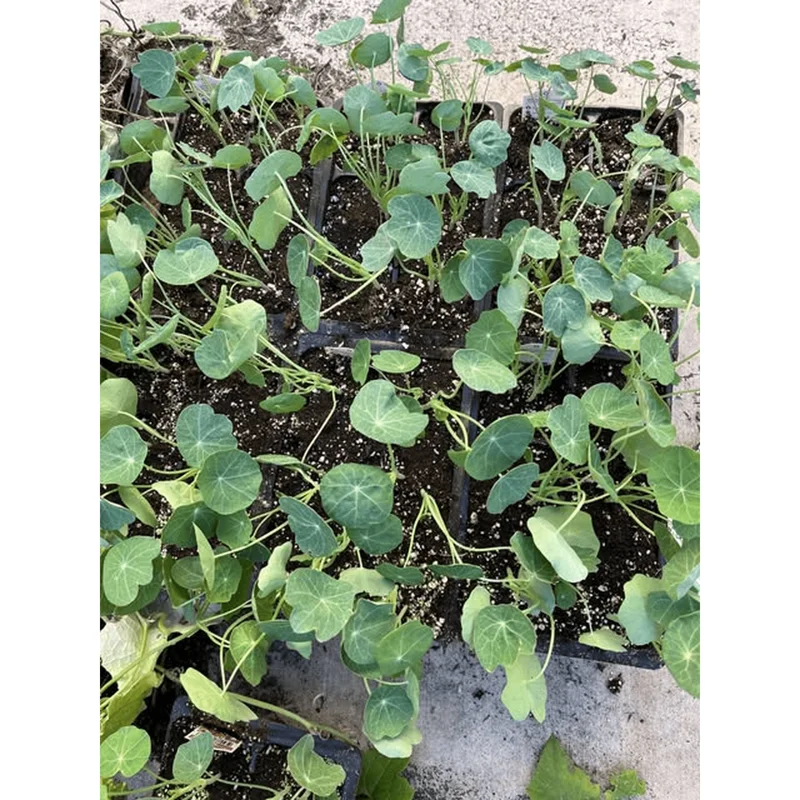
This offering includes one healthy climbing nasturtium live plant, carefully cultivated in a 4-inch nursery pot. The plant is well-rooted and established, ready for immediate transplanting into your garden or a larger container upon arrival. While exact dimensions may vary slightly due to natural growth, you can expect a robust young plant with several leaves, standing approximately 4-8 inches tall. Nasturtiums are known for their rapid growth rate, and this climbing variety will quickly begin to produce vines that can reach lengths of 6 to 10 feet or more under ideal conditions, making them excellent nasturtium climbing varieties. They typically begin to flower within 4-6 weeks after planting, providing a continuous display of blooms throughout the growing season until the first hard frost. This plant ships in its nursery pot with soil, ensuring minimal shock during transit and a smooth transition to its new home, making growing nasturtium in pots a convenient option.
Frequently Asked Questions
- Q: How big does this plant get? A: This climbing nasturtium live plant can produce vines that typically reach 6 to 10 feet in length, especially when given support to climb. If allowed to trail or spread, it will cover a significant area with its foliage and flowers, making it one of the more vigorous nasturtium climbing varieties.
- Q: What size pot does it come in? A: Your nasturtium plant will arrive in a 4-inch nursery pot, providing a good base for its initial growth. We recommend transplanting it into a larger container (at least 8-12 inches in diameter) or directly into your garden for optimal growth and flowering.
- Q: Is this an indoor or outdoor plant? A: While nasturtiums can be started indoors, they are primarily grown as outdoor annuals in most climates. They thrive in full sun and warm temperatures. In frost-free regions, they can behave as tender perennials. For successful nasturtium plant care, outdoor conditions are generally preferred.
- Q: How much sunlight does it need? A: For abundant blooms, your climbing nasturtium live plant requires at least 6-8 hours of direct sunlight each day. While it can tolerate partial shade, too little sun will result in fewer flowers and more foliage growth.
- Q: Is this plant easy to care for? A: Yes, nasturtiums are considered very easy to care for and are an excellent choice for beginner gardeners. They are relatively low-maintenance, drought-tolerant once established, and not prone to many serious pest or disease issues, making growing nasturtium in pots a simple endeavor.
- Q: What condition will it arrive in? A: We take great care in packaging. Your climbing nasturtium live plant will arrive well-packed, healthy, and in its 4-inch nursery pot with soil, ready for you to transplant. We ensure it’s protected during transit to minimize stress.
- Q: Can I use nasturtium in cooking? A: Absolutely! Both the flowers and leaves of the nasturtium plant are edible and have a delightful peppery, slightly spicy flavor. They are wonderful additions to salads, sandwiches, and as vibrant garnishes, making them truly edible nasturtium flowers.
- Q: How long until it blooms? A: Typically, your nasturtium plant will begin producing its colorful flowers within 4-6 weeks after transplanting, provided it receives adequate sunlight and care. It will continue blooming throughout the warmer months.
- Q: What’s the best time to plant? A: The best time to plant your climbing nasturtium live plant outdoors is after all danger of frost has passed in your area, typically in late spring or early summer. You can start them indoors earlier if you wish to get a head start on the growing season.
- Q: Will it survive winter in my zone? A: In most USDA zones, nasturtiums are grown as annuals and will not survive a hard winter frost. In warmer, frost-free climates (typically USDA zones 9-11), they may behave as tender perennials and return year after year.





Reviews
There are no reviews yet.